
AI Model Helps Clinicians Tell Epilepsy Apart from Functional Seizures Using Routine Clinical Notes
Key Takeaways:
- Researchers developed “EpiScreen”, an AI system built on fine-tuned large language models, which distinguished epilepsy from psychogenic non-epileptic seizures (PNES) using only routine clinical notes, achieving an AUC of up to 0.992 within one institution and 0.980 across institutions.
- When clinicians were given EpiScreen’s predictions and sentence-level explanations, neurology residents’ diagnostic accuracy rose from 76.3%–79.3% to 87.7%–89.0%, and senior attending physicians’ accuracy rose from 81.7% to 89.3%.
- The authors propose EpiScreen as a decision-support tool used after neurology referral and before confirmatory video-electroencephalography (vEEG), though prospective real-world trials are still needed.
An AI approach to a long-standing diagnostic challenge
In a recent study published in the journal npj Digital Medicine, researchers describe the development and validation of “EpiScreen”, a novel artificial intelligence (AI) system designed to distinguish epilepsy from psychogenic non-epileptic seizures (PNES) using clinical notes from routinely documented electronic health records (EHRs).
The retrospective, two-institution study drew on 13,633 patient records. EpiScreen outperformed comparison models, achieving an area under the receiver operating characteristic curve (AUC) of up to 0.992 in within-institution testing and 0.980 in cross-institutional testing. AUC measures a model’s ability to distinguish between the two conditions across different classification thresholds. In a retrospective case-review assessment, EpiScreen also improved clinicians’ classification accuracy.
Why telling the two conditions apart matters
Epilepsy is a chronic neurological disorder characterised by recurring, unprovoked seizures caused by sudden, abnormal electrical discharges in the brain. Approximately 50 million people live with the condition worldwide.
Diagnosis can be complicated by PNES, also termed functional or dissociative seizures. These are paroxysmal events (sudden, temporary seizure-like episodes) that resemble epileptic seizures but are not caused by epileptic electrical activity. Because the two conditions have different underlying mechanisms and management needs, accurate differentiation is critical. Misdiagnosis remains common: prior studies indicate that 20%–30% of people referred to tertiary centres for presumed drug-resistant epilepsy go on to receive a PNES diagnosis.
Prolonged inpatient video-electroencephalography (vEEG), which records synchronised brain waves alongside behavioural data, is the diagnostic gold standard. However, it often costs over US$15,000 per admission in the United States, with reported waiting times of 8 to 12 weeks that vary across healthcare systems. Diagnostic delays can also lead to unnecessary treatment and postpone appropriate care.
Routine clinical notes contain extensive diagnostic signals, but seizure semiology (the symptoms, signs and sequence of a seizure-like event) overlaps considerably across disorders, and earlier narrative-based approaches have shown limited diagnostic performance.
How EpiScreen was developed
EpiScreen was trained and evaluated using 3,451 records from the Beth Israel Deaconess Medical Center’s Medical Information Mart for Intensive Care IV (MIMIC-IV) database and 10,182 records from the University of Minnesota (UMN) Clinical Data Repository. Labels reflected clinicians’ final documented diagnoses, and notes were processed to approximate the information available before diagnosis. People with coexisting epilepsy and PNES were excluded.
The system was built by instruction fine-tuning open-source LLMs, including Qwen-2.5-32B, DeepSeek-R1-32B, Llama-3.3-70B and Med42-70B, using Quantized Low-Rank Adaptation (QLoRA), a method that reduces the memory and training demands of adapting large models. To explain its reasoning, the researchers used sentence-level Integrated Gradients (IG), a technique that highlights the sentences most influential in the model’s decisions across 11 predefined clinical feature categories.
Four medical teams, made up of six neurology residents and two senior attending physicians, then evaluated 300 MIMIC-IV test cases, with each pair reaching decisions by consensus.
Study findings
EpiScreen consistently outperformed conventional supervised baselines, including ClinicalBERT. Its Med42-based variant achieved AUCs of 0.891 on MIMIC-IV and 0.976 on UMN, while the Qwen- and DeepSeek-based variants reached 0.992 on UMN. When tested on records from institutions that had not supplied their training data, the best AUCs reached 0.875 on MIMIC-IV and 0.980 on UMN.
Working alone, EpiScreen achieved 81.0% diagnostic accuracy, compared with 81.7% for unaided senior attending physicians and 76.3%–79.3% for unaided neurology residents. These differences were not statistically significant. With access to the AI’s predictions and sentence attributions, accuracy rose to 87.7%–89.0% across the resident groups and 89.3% for the attending physicians, with the largest improvement around 12.7 percentage points.
AI assistance also reduced false negatives (missed epilepsy cases) for resident Group A from 36 to 14, while the attending pair reduced false positives from 37 to 19.
Not all diagnostic labels were vEEG-confirmed, although sensitivity analyses in confirmed cases supported the findings. Documentation bias remains possible, and other seizure mimics, including syncope and sleep disorders, were not evaluated.
What this means for clinical practice
The authors suggest EpiScreen could be used during or after neurology referral, before confirmatory vEEG, to support earlier assessment and help clinicians prioritise urgent monitoring. They propose it could reduce diagnostic delays, costs and unnecessary exposure to antiseizure medication, though these remain potential benefits rather than measured outcomes.
The study highlights how AI tools that explain their reasoning may be most valuable when working alongside clinical judgement. Clinicians looking to build confidence in evaluating and using AI in practice may find The College of Contemporary Health’s AI Essentials for Primary Care short course a useful starting point.
Future research must prioritise prospective, real-time trials to confirm how EpiScreen performs in real-world settings using minimally curated notes. The tool is intended to support clinical judgement alongside definitive testing, not replace it.
CCH insight
As AI decision-support tools like EpiScreen move closer to everyday practice, healthcare professionals need the knowledge to assess what these systems can and cannot do. Our AI Essentials for Primary Care CPD course helps clinicians understand the role of AI in healthcare and apply it safely and confidently in practice.
Explore AI Essentials for Primary Care →
Source: npj Digital Medicine
Read More
Digital Health Is Redefining Patient Expectations of Care
Key Takeaways:
- Consumers used to personalised digital experiences in banking, retail and entertainment now expect the same convenience and personalisation from healthcare, according to a 2024 Deloitte study.
- Patients are already using digital health services widely: in Spain, 72.48% of survey respondents had used online medical appointments, and older patients and caregivers valued patient portals for their convenience.
- A 2026 OECD report found that patients who have to repeat information that should already be in their health records report worse experiences of trust, quality of care and person-centred care.
The overlooked patient perspective
Professional forums are increasingly focusing on how digital health can contribute to clinical workflows, from automating administrative tasks and analysing imaging studies to segmenting patient groups. However, these discussions often overlook the role of patients themselves, and how digital health is changing their expectations and perceptions of their own healthcare needs.
The growing availability of services that combine effectiveness with patient care and convenience may also be influencing what patients expect from the healthcare system as a whole.
Convenience as a competitive advantage
A 2024 Deloitte study indicated that healthcare systems could gain a competitive advantage by ensuring that their virtual health offerings prioritise convenience and respond to consumer preferences.
According to the report, “today’s consumers, accustomed to highly personalized virtual experiences in banking, retail, and entertainment, now expect the same level of convenience and personalization in their interactions with the healthcare system.”
This shift highlights a key challenge for the healthcare sector: aligning organisational strategies with growing consumer demand for accessible digital health solutions.
For healthcare professionals looking to understand how digital and AI-driven tools are entering everyday practice, The College of Contemporary Health’s AI Essentials for Primary Care short course offers a practical starting point for building confidence in this rapidly evolving area.
Private investment in digital health
Private sector companies are also increasing their investment in digital health.
One example is the recent acquisition of Reimagine Care, a US company that provided virtual care to people with cancer outside the hospital setting, by Cureety, a French healthtech company specialising in the remote monitoring of people with cancer. In 2023, Cureety became the first company in France to receive national reimbursement for the remote monitoring of people with cancer.
Among other features, the company offered a patient interface that supported:
- simple, user-friendly symptom reporting
- secure and ongoing communication with healthcare teams
- reminders
- access to educational content selected and adapted to each person’s treatment and stage of disease
The platform also supported the digitisation and automation of care processes, the monitoring of treatment-specific toxicity, patient classification, the generation of real-world data, and the delivery of specialised educational content to both patients and healthcare professionals at the appropriate point in the care process. Taken together, these functions illustrate how digital health services are evolving.
How patients are using digital health
The question, then, is whether these new approaches to healthcare are changing what patients seek. Several studies have highlighted the value that patients place on online health platforms.
A recent article in the Journal of the American Geriatrics Society examined patient and caregiver expectations regarding the use of patient portals in geriatric care. Users considered patient portals beneficial, particularly because they were convenient and allowed them to avoid in-person care.
In Spain, data from the national survey “Supply and Demand for Users of eHealth Services in Spain”, published in the Journal of Medical Internet Research in 2023, showed that online medical appointments were the most widely used eHealth service. Overall, 72.48% of respondents had used online medical appointments at some point.
The question of trust
While convenience is one consideration, trust is another fundamental issue. Greater access to information that is readily available and easier to understand could strengthen patients’ trust in healthcare professionals and in the healthcare system more broadly.
The 2026 report Building People-Centred Digital Health Systems from the Organisation for Economic Co-operation and Development (OECD) concluded that “When patients have to repeat information that should already be available in their health records, they report significantly worse experience across key patient indicators: trust in the healthcare system, experienced quality of care, and person-centered care.”
However, the report also noted: “Truly patient-centered digital health depends not only on electronic systems but also on patient awareness of access rights, practical tools to retrieve and use data, support for health and digital literacy, and policy frameworks that prioritize patient control over the use of their own health information in line with the OECD Health Data Governance Recommendation.”
Redefining quality care
The debate, therefore, centres on whether healthcare systems need to pursue greater resolution of patients’ needs while also developing a new understanding of what constitutes quality care in a digital age.
This article was translated from El Médico Interactivo on Univadis, part of the Medscape Professional Network.
CCH insight
As patient expectations shift towards convenience, personalisation and seamless access to information, healthcare professionals have a growing role in helping digital tools work well for the people they care for. Our AI Essentials for Primary Care CPD short course helps primary care professionals build a practical understanding of AI and digital innovation in everyday practice.
Explore AI Essentials for Primary Care →
Source: Medscape
Read More
Adapting the Machine to the Medicine: New Review Shows How to Make Clinical AI Work
Key Takeaways:
- A new review in the Journal of Medical Internet Research analysed 35 recent studies and found that off-the-shelf large language models must be adapted for medical settings before they can be relied upon for diagnosis, triage and treatment planning.
- Performance depends on the clinical task: retraining the model on task-specific data suited narrow jobs such as detecting cancer in medical images, while connecting the model to live, trusted databases worked well for reasoning through complex guidelines. Hybrid systems combining both performed best of all.
- Most of the evidence to date comes from historical medical records rather than live clinical use, so prospective, real-world testing remains essential before widespread hospital adoption.
Why raw capability is not enough
Generative artificial intelligence has arrived in health care with considerable fanfare, but a new review suggests that the decisive factor is not the sheer power of the underlying model. It is what happens after the model is built. A review study published in the Journal of Medical Internet Research by JMIR Publications concludes that adapting existing language models to the clinical environment is the key to ensuring they can safely and effectively support diagnosis, patient triage and treatment planning in real-world settings.
The research team, led by Anshum Patel, MD, and Joseph Y Cheung, MD, MS, analysed 35 recent studies to understand how different customisation methods affect AI performance. Their conclusion was that standard large language models (LLMs) are undoubtedly capable, but capability alone does not translate into clinical reliability. To be trusted in a consulting room or on a ward, a model has to be tailored specifically for the medical environment in which it will be used.
What adaptation actually looks like
The review examined the two broad routes clinicians and developers can take. The first is retraining, in which a general-purpose model is further trained on specific clinical data or guidelines so that it internalises the patterns and standards of a particular task. The second is connection, in which the model is linked directly to trusted medical databases and draws on that source material at the point of use rather than relying solely on what it absorbed during training.
Both approaches produced meaningful gains. When models were connected directly to trusted medical databases or retrained on specific clinical guidelines, accuracy greatly improved, with some systems matching the diagnostic performance of human doctors. That is a striking benchmark, and it underlines the central argument of the review: the adaptation step is not a technical afterthought but the point at which a general tool becomes a clinical one.
The right method depends on the task
The most successful approach was found to depend heavily on the specific medical task at hand, and this is arguably the review’s most practical finding for anyone evaluating these tools.
For narrow, focused tasks such as detecting cancer in medical images, retraining the AI on specific data worked best. Where the job is well defined and the data are consistent, teaching the model directly on that material produces the sharpest results.
For tasks that require reasoning through complex guidelines, linking the AI to live databases was highly effective. Clinical guidance changes, and a model that consults an authoritative, current source is far better placed than one working from a fixed snapshot of its training data.
However, the researchers determined that the best performance came from hybrid systems, which combine both methods to manage complicated workflows such as stroke triage and oncology cases. These are precisely the situations in which speed, protocol adherence and nuanced judgement all matter at once, and where people presenting with time-critical or complex conditions stand to gain the most from well-designed decision support.
“There is no single best way to adapt AI for health care. The right approach depends on the clinical task, and the next step is making sure these systems are safe, reliable, and useful in real-world patient care,” says Anshum Patel.
Implications for clinical teams
For healthcare professionals, the message is not that they need to become engineers. It is that the questions worth asking about any AI tool offered to a service are increasingly practical ones: what was this model adapted for, what source material informs its outputs, how current is that material, and has it been tested on a population and a workflow resembling ours?
That kind of informed scrutiny is becoming part of everyday clinical literacy, and it is one reason structured professional development in this area has grown in demand. The College of Contemporary Health’s AI Essentials for Primary Care short course is designed for exactly this purpose, helping clinicians understand how these systems are built, where their limitations lie, and how to appraise them responsibly within their own practice.
The evidence gap that still needs closing
While these findings are promising, the researchers note that the vast majority of studies on these AI systems are based on past medical records rather than live patient testing. Retrospective analysis can demonstrate that a system performs well against a tidy historical dataset; it cannot show how that system behaves when confronted with incomplete notes, atypical presentations, or the ordinary time pressures of a busy department.
Before these advanced tools are widely adopted in hospitals, additional prospective, real-world testing is needed to guarantee patient safety and ensure the technology works reliably across different clinical environments. Until that evidence accumulates, the sensible position is one of informed optimism – recognising the genuine potential of adapted clinical AI while insisting that it earns its place through testing in the settings where people actually receive care.
CCH insight
Artificial intelligence is moving quickly from conference agendas into everyday clinical workflows, and the professionals best placed to use it well are those who understand both its strengths and its blind spots. AI Essentials for Primary Care is a CPD-accredited short course from The College of Contemporary Health, built for clinicians who want a clear, practical grounding in how AI tools work, how to evaluate them critically, and how to apply them safely in patient-facing practice.
Explore AI Essentials for Primary Care →
Source: Journal of Medical Internet Research
Read More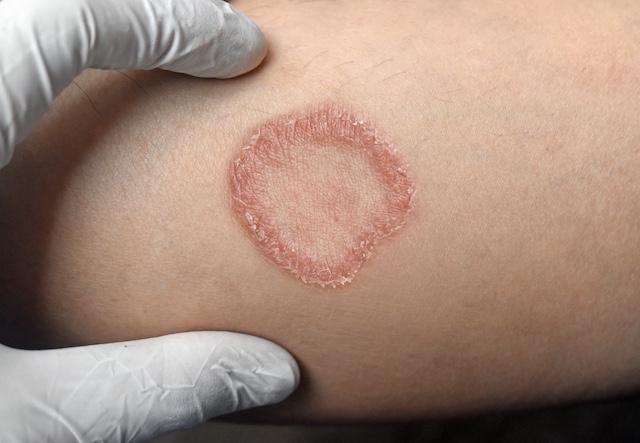
Fungal Disease Is Rising and Underdiagnosed – Can AI Help Close the Gap?
Key Takeaways:
- Fungal diseases affect more than 300 million people each year and are linked to over 3.75 million deaths annually, yet they remain historically underrecognised, difficult to diagnose and poorly tracked compared with viral and bacterial infections.
- A World Health Organization (WHO) blueprint released in June 2026 sets out a framework for countries to raise awareness, build laboratory and surveillance networks, stimulate research and improve access to diagnosis and treatment.
- Australian researchers are finalising an automated surveillance platform that uses AI to extract evidence of fungal disease from electronic medical records, with the biggest obstacle being the standardisation of clinical annotations rather than the technology itself.
A threat that has grown in the shadows
Fungal disease and antifungal resistance are growing global threats that have long sat at the margins of public health planning. They are difficult to detect, difficult to track and, until recently, have attracted comparatively little policy attention. That is beginning to shift, driven by two parallel developments: a new international policy framework and a set of digital health initiatives designed to make fungal infection visible in routine clinical data.
The scale of the problem is substantial. More than 300 million people are affected by fungal diseases every year, and over 3.75 million people die annually. Among patients who are immunocompromised, invasive fungal infections are the “leading cause of mortality and morbidity”, according to a 2025 WHO report.
In recent years, the number of new infections, and especially antifungal-resistant infections, has doubled. Two environmental drivers are implicated. As the climate warms, fungi are adapting to survive at higher temperatures, narrowing the thermal barrier that has historically protected humans from many environmental fungi. Increased flooding events have also contributed to mould growth, which in turn leads to disease spread. A third driver sits outside the clinical environment altogether: the use of fungicides on agricultural crops is a major cause of antifungal resistance encountered in healthcare settings, because agricultural compounds and clinical antifungals share overlapping mechanisms of action.
Despite rising prevalence, fungal infections are still not as common as viral infections, so far fewer diagnostic tools have been developed to test for them. With relatively fewer resources allocated to fungal disease research, surveillance and response, fungal diseases also lag behind bacterial infections in terms of treatment options. Recent policy developments and digital health initiatives are working to change this.
Why fungal diseases are difficult to diagnose and treat
One of the biggest challenges to fungal disease preparedness is underdiagnosis, which makes research, surveillance and response considerably more difficult. Without a diagnosis, there is no case to count, and without counted cases there is no evidence base to justify investment.
“If we don’t have good diagnostic tests, these diseases don’t exist because we don’t know who has them,” said Tom Chiller, MD, former chief of the Mycotic Diseases Branch at the Centers for Disease Control and Prevention.
Chiller adds that diagnosing fungal disease is inherently difficult because fungal cells look similar to human cells, making it challenging to develop a diagnostic test sensitive enough to tell the difference. Fungi are also everywhere around us, in their billions. Exposure is “near universal”, and it is hard to distinguish the colonies that are causing disease from those that are entirely harmless. A positive result, in other words, does not automatically indicate infection.
That same cellular similarity creates a second problem at the point of treatment. Because fungal cells so closely resemble human cells, it remains very challenging to kill one type of cell without also damaging the other, which makes treatment toxicity a major issue for the patients who most need therapy.
There is also the matter of range. Only three major classes of antifungal drugs are available – azoles, echinocandins and polyenes – so resistance carries disproportionate consequences. When a fungal pathogen becomes resistant, there are simply fewer tools left in the toolbox.
New antifungal agents in development
Encouragingly, several new antifungal drugs are at various stages of development and investigation, and may help to address resistance. Oteseconazole and rezafungin have received US Food and Drug Administration approval in recent years, building on the existing antifungal classes and expanding the available arsenal. Two newer treatments, olorofim and fosmanogepix, represent entirely new classes and will hopefully be approved in the coming years. New classes matter more than new agents within existing classes, because they offer options where cross-resistance is less likely.
A blueprint for improving antifungal care
While millions of fungi exist, only a few hundred can cause disease in humans. Some of the most common and well-known fungal diseases include ringworm, vaginal yeast infections, athlete’s foot, skin infections such as sporotrichosis, and mould infections such as aspergillosis, as well as invasive infections including cryptococcal meningitis and candidiasis.
The most dangerous fungal disease is multidrug-resistant Candida auris, which was first identified in a Japanese hospital in 2009 and has been found fatal in 29% to 62% of cases.
Without surveying when these conditions are diagnosed and treated, there can be no accurate picture of which diseases are most prevalent, or of when they become resistant to available antifungal treatments. Stewardship programmes designed to protect against resistance also remain weak and limited in scope, particularly in underresourced countries.
Recognising this gap, the WHO released a new blueprint in June 2026 to help countries begin to create uniform tools to respond to the growing public health threat of fungal disease and antifungal resistance. The report provides a framework with recommendations to guide implementation across four areas: increasing awareness and strengthening public health initiatives; building laboratory networks and surveillance systems; stimulating research and improving access to diagnosis and treatment; and addressing the factors that contribute to disease and resistance.
It also aims to support countries in their disease response and to make more fungal diseases reportable to public health officials. Across the United States, for example, reporting priorities vary between states, and the only fungal diseases prioritised as legally reportable nationally are coccidioidomycosis (Valley fever) and Candida auris – a small fraction of those that can affect human health.
Chiller said he hopes the report will draw more attention to both the prevalence and the morbidity of these infections in order to improve available funding. Increased resources would be particularly useful for investing in new treatments to stave off antifungal resistance.
A digital platform for fungal disease and antifungal resistance surveillance
Alongside the policy work, Australian researchers are in the final stages of launching an automated fungal infection surveillance platform that will digitally survey fungal disease across the continent.
The digital platform, called the Design Thinking Framework, was built from a review of multiple sources of clinical information across a wide array of healthcare settings in Melbourne. It extracts information from electronic medical records (EMRs) using AI trained to detect episodes of fungal disease even when the diagnosis is not explicitly recorded. The tool will also provide a web-based platform accessible to physicians so that they can properly report future episodes of fungal disease and resistance.
Vlada Rozova, PhD, a senior lecturer in AI in Health at Monash University, who originally led the project at the University of Melbourne, said the Design Thinking Framework will be helpful in monitoring what is being prescribed for fungal diseases across a range of hospitals, in order to understand when prescribing leads to resistance and what can be done to reduce it, while also identifying which treatments are most effective for patients.
“It will help clinicians to better evaluate the therapies that they’re providing their patients to know what’s necessary and in what particular types of patients certain antifungal agents are most effective,” said Rozova.
Why the hardest problem is human, not technical
The biggest challenge for Rozova and her colleagues has not been the algorithm. It has been standardising clinical annotations to ensure that reports are consistent across the platform. Getting clinicians to agree on which notes within EMRs indicate fungal disease, and which indicate resistance, has been and will continue to be a complex task, because humans, unlike machines, are not standardised.
“If we can’t get humans to agree on what a fungal disease is, we can’t train a machine to look for it,” said Rozova.
This is a familiar theme across clinical AI. Tools that read free-text records depend on consistent human documentation and shared definitions, which is why clinicians increasingly need a working understanding of how these systems are built, what they can reasonably infer and where they are likely to fail. Practitioners looking to develop that grounding often begin with structured CPD, such as the College of Contemporary Health’s AI Essentials for Primary Care short course, which introduces how AI-driven tools are being applied in clinical practice and how to appraise them critically.
Looking ahead
Increased awareness will hopefully bring increased agreement. With guidance from global bodies such as the WHO, and with new digital surveillance platforms of the kind being finalised in Australia, the global response to fungal infections and antifungal resistance stands to be meaningfully strengthened – provided the diagnostic, documentation and funding gaps are addressed in parallel.
CCH insight
Digital surveillance tools are only as reliable as the clinical documentation that feeds them, and clinicians are increasingly being asked to work alongside AI systems rather than simply receive their outputs. Our CPD-accredited short course AI Essentials for Primary Care is designed for healthcare professionals who want a practical, jargon-free grounding in how these technologies work and how to evaluate them in day-to-day practice.
Explore AI Essentials for Primary Care →
Source: JMIR Publications
Read More
When the Diagnosis Arrives by App: Why Most Patients Still Want a Human Voice
Key Takeaways:
- In a UT Southwestern survey of more than 2,400 people diagnosed with cancer, 75% said they would prefer to receive the news directly from their physician – in person or by telemedicine – rather than through an electronic patient portal.
- More than half of those who first learned of their diagnosis via the portal were alone at the time, often without support from a clinician or family member.
- Researchers are calling for a more personalised approach, including better portal notification settings, tiered or delayed release of sensitive findings, and plain-language summaries of radiology and pathology reports.
A digital convenience with an emotional cost
Electronic patient portals have transformed how quickly people can see their own test results. For routine bloodwork or a clear scan, near-instant access is a welcome convenience. But the same speed raises a difficult question for clinicians: how should a new cancer diagnosis be communicated when a patient can open the result on a phone before anyone has had the chance to talk it through?
That tension has grown sharper since 2021, when a provision of the 21st Century Cures Act came into force in the United States. The regulation requires that patients have timely, unrestricted access to their electronic health information – which, in practice, means a growing number of people are discovering a new or recurrent cancer diagnosis through their portal, sometimes with no clinician present to interpret it or answer the questions that immediately follow.
What the UT Southwestern survey found
A new survey carried out at UT Southwestern Medical Center suggests that, for most people facing a cancer diagnosis, faster is not better. The findings, published in JAMA Network Open, show that 75% of respondents would prefer to learn about a cancer diagnosis directly from their physician, whether in person or through a telemedicine appointment.
The 2025 survey gathered responses from more than 2,400 people who were diagnosed with cancer at the Harold C. Simmons Comprehensive Cancer Center between 2019 and 2023, giving the researchers a substantial real-world picture of how patients want sensitive results delivered.
According to the study’s lead author, Sheena Bhalla, M.D., Assistant Professor of Internal Medicine in the Division of Hematology and Oncology and a medical oncologist at the Simmons Cancer Center, the broad enthusiasm for digital access does not extend neatly to oncology. “While most patients in the general population appreciate rapid electronic access to test results, the situation for patients with cancer is much more nuanced,” she said. “Learning about a cancer diagnosis without the ability to immediately ask questions or discuss next steps with a trusted clinician can add to the significant stress, uncertainty, and fear that patients experience.”
Preferences are not one-size-fits-all
The survey also revealed that there is no single right way to share a result. Preferences varied according to people’s prior experiences, how frequently they used their portal, and their demographic characteristics. Men, for instance, were more likely than women to prefer learning of a diagnosis through the portal.
For senior author David Gerber, M.D., Professor of Internal Medicine in the Division of Hematology and Oncology and of Epidemiology in the Peter O’Donnell Jr. School of Public Health, and co-Director of the Simmons Cancer Center Office of Education and Training, that variation is precisely the point. “These findings highlight the need for a more personalized, tailored approach to communicating sensitive and life-changing results,” he said. “Moving beyond a one-size-fits-all approach can help clinicians provide a more thoughtful, compassionate patient experience.”
The hidden consequence: facing the news alone
Perhaps the most striking insight concerns the circumstances in which people are receiving these results. Among those who learned of their diagnosis through the portal, more than half reported that they were alone when they read it.
Dr Bhalla described this as one of the most troubling side effects of real-time access. “That’s one of the most unintended consequences of real-time access,” she said. “Patients are often alone without support from their physician or family at one of their most vulnerable moments.”
Possible solutions for clinicians and health systems
The researchers are clear that the answer is not to roll back access, but to design around it more thoughtfully. They point to several potential measures, including raising awareness among both clinicians and patients of the portal notification settings already available; developing tiered or delayed-release approaches for particularly sensitive findings; and integrating supportive digital tools such as plain-language summaries for radiology and pathology reports.
Policy is beginning to catch up. Since the Cures Act took effect, three states – including Texas – have enacted laws permitting the delayed portal release of cancer-related and other sensitive results, giving care teams a window to reach out before a patient is left to interpret difficult news on their own.
Looking ahead
For the study’s authors, the work is a starting point rather than a conclusion. “Further study and increased interdisciplinary collaboration among oncology clinicians, health services researchers, and digital health experts can help us better understand how patients receive and react to cancer diagnoses,” Dr Bhalla said. “Our goal is to increase awareness of this issue and help drive innovative approaches to patient-centered communication.”
Source: UT Southwestern Medical Center
Read More
Digital Health Tools Are Now a Routine Part of Everyday Care in the US
Key Takeaways:
- A landmark review of more than 8 billion interactions across US healthcare finds that online portal messaging has become a standard, everyday part of care rather than an occasional add-on.
- Digital communication is supplementing in-person medicine, not replacing it – office visits have rebounded to two to three per patient each year while portal messages have more than doubled.
- Researchers warn that the growing digital workload sits on top of clinicians’ existing duties, raising new questions about staffing, training and the role of AI support tools.
A new picture of how Americans reach their clinicians
At least 12 per cent of people in the United States now contact their healthcare providers about appointments, test results and ongoing treatments through secure online patient portals and health apps, according to a major new study. At the same time, traditional in-person visits to the doctor’s office have recovered from their pandemic-era decline. The findings suggest that while digital medicine has become a routine feature of care, it is adding to in-person services rather than displacing them – an evolution that researchers say is reshaping how hospitals and clinics run day to day.
These are the central conclusions of a study led by researchers at NYU Langone Health, described as the largest review ever conducted of communications recorded in Epic electronic health records. The team analysed more than 140 million patient records drawn from 2,067 hospitals and 47,100 health clinics across the US, examining over 8 billion interactions between patients and providers that took place between January 2020 and December 2025.
What the data showed
Published online in the Journal of the American Medical Association (JAMA) on 22 June, the study found that online portal messages more than doubled between 2020 and 2025, rising by 153 per cent. Over the same period, total telephone calls fell by 6 per cent. The number of people with an active Epic health record climbed from 94 million in 2020 to 140 million in 2025. During the first three months of 2025, 30 per cent of active Epic patients – some 42 million people – sent a portal or health app message to their clinician.
Crucially, this surge in portal activity is not coming at the expense of face-to-face care. In-office visits have returned to an average of between two and three per patient each year. Messages from patients to their providers have, meanwhile, doubled since the pandemic, increasing from an average of 2.2 per year in early 2020 to 5.4 per year in late 2025.
“Our study shows that use of patient portals, health apps, and messaging are now a routine part of everyday patient care across America, not simply side channels used occasionally,” said study senior investigator Michal A. Mankowski, PhD.
Dr Mankowski, an assistant professor in the Department of Surgery at NYU Grossman School of Medicine, said the findings show that people now have far more direct access to physicians and other clinicians than before.
“Our findings reveal that while digital health tools have become a core part of healthcare, delivery is becoming more continuous and timeless, and no longer tied to scheduled appointments during routine work hours,” said Dr Mankowski.
The scale of digital care since 2020
The review also quantified the sheer volume of activity logged through Epic record systems since 2020. Over that period, people in the US booked at least 1.77 billion in-person visits to health clinics, sent 1.34 billion messages to their providers and received roughly 3.25 billion portal messages from providers in return. Epic systems also documented 1.59 billion telephone calls and 146 million virtual telehealth portal visits.
A new layer on top of clinical work
Study co-investigator Dorry L. Segev, MD, PhD, said the digital delivery of healthcare does not replace established ways of working; rather, it adds a further layer of steps to existing workflows. To cope with this new reality, he argued, hospitals, clinics and healthcare workers will need to plan ahead for staffing and support.
“Modern delivery of healthcare means increasingly that healthcare providers will have to balance their digital workload on top of their traditional clinical workload,” said Dr Segev, a professor and vice chair in the Department of Surgery at NYU Grossman School of Medicine.
“Clinical staff will need to be trained in mastering the tools of messaging in healthcare; in using AI support programs, including chatbots that can frame content to minimize its complexity; and in making the most effective use of clinician time needed for online billing and online counseling,” added Dr Segev, who is also a professor in NYU Grossman’s Department of Population Health.
He noted that NYU Langone already uses AI support tools to speed up the drafting of physician and provider notes. Looking ahead, Dr Segev said the team plans to examine digital-use trends within individual healthcare systems, including NYU Langone, in order to identify regional and outpatient clinic-specific shifts that could affect operational planning.
How the study was carried out
For the research, the team drew on Epic Cosmos, a national dataset containing the electronic health records of more than 300 million patients in the US. The dataset includes information from a majority of the hospitals and clinics that use Epic, the country’s largest vendor of electronic health record systems. Epic had no role in carrying out the study. Funding was provided by NYU Langone.
Alongside Dr Mankowski and Dr Segev, the NYU Langone researchers involved were lead investigator Jane J. Long, MD, and co-investigators Mara A. McAdams DeMarco, PhD; Mark D. Schwartz, MD; Joshua Chodosh, MD; and Eric K. Oermann, MD.
Disclosures
Dr Mankowski was recently elected to serve on the governing board of Epic Cosmos. Dr Schwartz reported being president-elect of the Society of General Internal Medicine. Dr Segev has received consulting and/or speaking honoraria from Sanofi, CareDx, Moderna, AstraZeneca, Roche, Optum, OrganOx, Hansa and Biosidus, and is a journal editor for Springer. None of these activities are related to the current JAMA study. NYU Langone is managing the terms and conditions of these relationships in accordance with its policies and procedures.
Source: NYU Langone
Read More
Autonomous AI Agent Matches and Exceeds Physicians Across Simulated Electronic Health Record Cases
Key Takeaways:
- MIRA is an autonomous AI agent that diagnoses and plans treatment inside a simulated electronic health record, rather than acting as a narrow chat tool.
- It reached 88.9% diagnostic accuracy across 574 cases, outperforming board-certified physicians (78.1%) and a mixed-seniority team (71.1%).
- Safety results were strong but preliminary, and the authors stress that MIRA is not a replacement for human clinicians.
A new kind of medical AI agent
A recent study published in the journal Nature introduced MIRA, an autonomous AI agent designed to operate within sandboxed EHR environments. Rather than acting as a single-purpose assistant, MIRA uses a suite of digital tools to simulate the full arc of a clinical workflow. It can order tests, synthesise the results, and produce diagnoses and treatment plans, all while communicating through a chat interface with a patient AI agent that is grounded in the documented history of present illness extracted from retrospective notes from genuine cases.
The system runs on a Fast Healthcare Interoperability Resources (FHIR) based architecture, which executes the agent’s tool calls and records its medical outputs. The researchers note that the example data presented in the paper were shortened and slightly modified to comply with the privacy restrictions attached to the dataset.
Unlike earlier implementations, which were predominantly task-specific chat applications, MIRA was built to independently take in patient histories, order the relevant diagnostic tests, and then use those datasets to reach diagnoses and treatment plans within a controlled simulation. Across the 574 MIMIC-IV cases, MIRA achieved 88.9% diagnostic accuracy, and in a matched 311-case physician comparison it reached 87.8% accuracy, significantly outperforming experienced human physicians under identical simulated conditions while demonstrating strong, though not perfect, safety and guideline performance.
Background: from passing exams to working a ward
Large language models (LLMs) have already proven highly capable at passing standardised medical examinations and answering complex clinical questions. Reviews of the field show, however, that translating this raw clinical knowledge into the operational workflow of a hospital has remained a major challenge.
This gap is attributed to the architectural design of traditional medical AI tools, which behave as narrow, task-specific search or text-generation utilities rather than as active partners in care. By contrast, true clinical decision-making is characterised as an intricate, multi-step process in which doctors repeatedly interview the people in their care, order blood tests or imaging, synthesise conflicting results, and update their hypotheses before arriving at a final treatment plan.
Nearly all of this clinical work takes place within EHR systems that rely on complex, standardised coding protocols. Until now, it remained unproven whether an automated system could reliably handle this end-to-end clinical action space in a realistic, EHR-style environment without committing unacceptable errors.
About the study
The study set out to address this functional gap by developing MIRA, a novel AI tool designed to autonomously ingest and access medical records, identify knowledge gaps, and order diagnostic tests to supplement the EHR record, before using the completed dataset to recommend clinical interventions.
The researchers then tested MIRA’s capabilities in a sandboxed, virtual EHR environment compliant with standard healthcare protocols, including HL7 FHIR. The sandboxed test was conducted on a curated benchmarking dataset of 574 real-world emergency department cases from the Medical Information Mart for Intensive Care (MIMIC-IV) database.
The cases included spanned eight distinct diagnoses across surgery (appendicitis), internal medicine (pneumonia), and oncology (pancreatic cancer), which MIRA navigated using 11 specialised digital tools offering more than 85,000 operational choices. The agent was permitted to request physical examinations, order targeted laboratory values, look up medical histories, and generate medication orders within the simulated EHR, rather than in live patient care.
How MIRA was compared with clinicians
MIRA’s output was compared against two distinct groups of human physicians managing exactly the same cases under identical conditions. The first group was a cohort of four board-certified physicians. The second was a mixed-seniority team consisting of four residents and two board-certified doctors.
A separate, conventional text-based AI agent was used to simulate the people under MIRA’s care, and under the care of the human physician teams. This agent was instructed to respond to questions posed by MIRA or its human counterparts solely on the basis of authentic clinical histories, while resisting adversarial attempts to trick it into prematurely leaking information. The authors noted, however, that simulated patient speech may be more structured than real emergency department conversations.
Study findings
The results revealed that MIRA performed at or above the level of experienced human doctors. It achieved 88.9% diagnostic accuracy across the full 574-case dataset and 87.8% accuracy in the matched 311-case physician comparison. By comparison, the board-certified physicians reached an average accuracy of 78.1% (p < 0.001), while the mixed-seniority medical cohort averaged 71.1% (p < 0.001).
MIRA was found to excel at identifying appendicitis and pancreatitis, achieving a perfect 100% recall for laparoscopic appendectomies. For pancreatic cancer, its diagnostic performance was equivalent to that of the board-certified physicians, while pneumonia and urinary tract infections remained more challenging.
Accuracy without simply “ordering everything”
Notably, MIRA did not achieve its superior accuracy by simply “ordering everything”. While it was observed to request a broader, more comprehensive set of individual blood parameters than the human doctors, its overall test selection remained well below the historical baselines recorded in the dataset.
The findings further demonstrated that the model successfully avoided the systematic over-ordering of high-cost radiological imaging, matching or exceeding physicians on overall resource-alignment metrics.
Safety performance
The safety evaluations were similarly encouraging, though still preliminary. An independent, blinded medical review of 56 patient-level outputs, together with a separate assessment of 468 prescriptions written by MIRA, established that the agent caused zero high-severity drug–drug interactions, zero renal dosing incompatibilities, and zero medication-allergy mismatches. Route specification was the weakest prescription field, at 97% correctness.
When making critical hospital admission decisions for pneumonia and pulmonary embolism, MIRA achieved a perfect recall score of 1.00, indicating that it never missed a single person who required inpatient care. The pulmonary embolism analysis did, however, suggest a tendency towards over-admission, reflecting a cautious disposition strategy.
Conclusions
The study introduces an integrated EHR AI agent, MIRA, that successfully translates clinical intents into structured, safe, and accurate operations, with the potential to support physicians in their work. The authors are careful to caution, however, that MIRA and similar AI agents are not replacements for expert human staff.
The model did not reach 100% perfection across all treatment choices, such as specific antibiotic selections, which highlights the ongoing need for strict human supervision and patient-level safeguards. Future iterations of the model may improve their performance by incorporating evidence from retrieval-based support, stronger governance, and prospective real-world validation before any clinical deployment.
Read More
AI Models Identify Hidden Cardiac Arrest Risk in Routine Patient Data
Key Takeaways:
- Researchers have built AI models that analyse electronic health records and electrocardiograms to identify people at elevated risk of sudden cardiac arrest, which kills more than 400,000 Americans each year.
- In a real-world group of nearly 40,000 patients, the combined model correctly flagged 153 of 228 high-risk people who later experienced cardiac arrest, narrowing risk prediction from 1 in 1,000 to 1 in 100.
- The models also surfaced modifiable contributors such as electrolyte disorders, substance use and medication interactions, pointing to practical opportunities for clinicians to intervene.
A new approach to an unpredictable emergency
Researchers have developed artificial intelligence (AI) models capable of analysing electronic health records (EHR) and electrocardiograms to pinpoint people in the general population who face a heightened risk of sudden cardiac arrest. The condition is responsible for more than 400,000 deaths each year in the United States and carries a survival rate of just 10%, making any tool capable of forecasting it a meaningful step forward.
The work represents a notable advance in anticipating an event that is widely considered difficult, if not impossible, to predict, and which often strikes people who have no previously known heart disease.
“Using artificial intelligence applications and health records data, the prediction of cardiac arrest in the general population is feasible,” said Dr Neal Chatterjee, the study’s lead investigator and a cardiologist at the University of Washington School of Medicine.
The paper was published on 11 May in JACC: Advances, a journal of the American College of Cardiology. Additional co-senior authors are affiliated with Massachusetts General Hospital and the Broad Institute of MIT and Harvard.
How the models were built
The investigation drew on a test population of roughly 1.7 million patients enrolled in a large healthcare system in the United States. The team built three separate AI models, each trained on a distinct dataset. The first, referred to as “EKG-only,” relied solely on electrocardiogram readings. The second, “EHR-only,” weighed 156 clinical features drawn from patients’ health records. The third combined both EKG and EHR data into a single integrated model.
The researchers developed and validated their models across three distinct patient groups.
Training cohort
The models were initially trained using data from 993 people who had experienced out-of-hospital cardiac arrest between 2013 and 2021, alongside 5,479 control patients matched for age and sex who had not. This stage allowed the AI to learn which patterns in EHR entries and EKG readings were linked to a higher risk of cardiac arrest.
Testing cohort
To confirm that the models could reliably distinguish between high- and low-risk indicators, the researchers applied them to a separate group consisting of 463 cardiac arrest cases from 2022 to 2023 and 2,979 control patients. The risk associations identified in this testing group closely mirrored those established during training.
Real-world cohort
The final stage involved 39,911 people who had received EKGs during 2021, regardless of their health status. The researchers examined the records of those within this group who went on to experience cardiac arrest over the following two years, assessing how closely their profiles aligned with the risk patterns identified by the models.
Within this real-world group, the combined EHR-EKG model accurately predicted 153 of 228 people who were classified as high-risk and who later went on to experience a cardiac arrest.
Bringing theoretical risk into focus
The shift in predictive precision is one of the study’s most striking outcomes.
“With these models, we’re able to enrich risk prediction from about 1 in 1,000 down to 1 in 100,” Chatterjee said. “If your doctor were to tell you that your risk of cardiac arrest is 1 in 100, that would catch your attention. We’re bringing a theoretical risk into focus.”
Another encouraging finding concerned the performance of the EKG-based model on its own. AI-enhanced analysis of electrocardiograms alone demonstrated strong predictive ability, only modestly behind the two models that drew on EHR data.
“The 12-lead EKG is a low-cost tool that might stratify patients’ risk for cardiac arrest in any community around the world,” Chatterjee said.
Risk factors beyond traditional cardiology
The study also surfaced risk factors that lie outside the conventional cardiovascular picture. Contributors flagged by the models included electrolyte disorders, substance use and interactions between medications, all of which are often addressable through clinical attention.
“We show some relatively low hanging fruit … modifiable risk factors,” Chatterjee noted. “A model that flags a patient as high-risk might prompt somebody taking care of a patient to review their medical history and their medications.”
Open questions for clinical practice
While the results demonstrate that predicting cardiac arrest risk at the population level is achievable, Chatterjee was careful to note that the next stage of inquiry involves working out what clinicians should actually do once a patient is flagged.
“We need to figure out which follow-on studies to pursue to understand what we do with this patient information. What screening, what surveillance, what intervention is warranted?”
Limitations of the study
Several constraints temper the findings. All of the data was drawn from a single healthcare system, leaving open the question of whether the models would perform similarly across populations with different demographic profiles or patterns of care. The real-world group was also restricted to people who had received an EKG, and these individuals may differ in important ways from those who had not undergone such testing. In addition, the AI-enhanced interpretations of EKGs could reflect biases tied to demographics or to the way care is delivered.
Funding and support
The research received support from the National Institutes of Health (K23HL169839, R01 HL160003, R01 HL168889, K24 HL153669, R01HL092577, R01HL157635), the American Heart Association (23CDA1050571, 961045), the European Union (MAESTRIA 965286) and the Foundation Leducq (24CVD01). Chatterjee is supported through a philanthropic donation from Kevin and Ann Harrang and through the John and Cookie Laughlin Endowed Professorship.
Source: UW Medicine
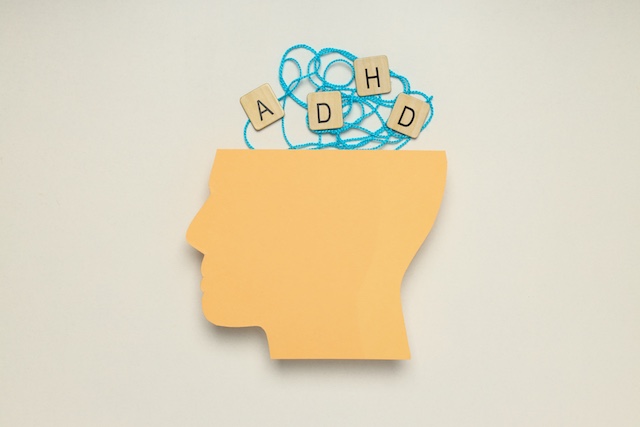
AI Analysis of Health Records May Help Identify ADHD Risk Years Earlier
Key Takeaways:
- Artificial intelligence can analyse routine electronic health records to estimate a child’s risk of developing ADHD years before diagnosis.
- The model demonstrated strong accuracy across diverse populations, using data from more than 140,000 children.
- The tool is designed to support earlier evaluation and intervention, not to replace clinical diagnosis.
AI and the challenge of delayed ADHD diagnosis
Attention-deficit/hyperactivity disorder (ADHD) affects millions of children worldwide. Despite its prevalence, many children experience significant delays before receiving a formal diagnosis. This can limit access to timely support, even when early signs are present.
New research from Duke Health suggests that artificial intelligence may help address this gap. By analysing routinely collected electronic health records, researchers have developed a tool capable of identifying patterns that indicate a higher likelihood of future ADHD diagnosis, potentially years in advance.
Unlocking insights from routine healthcare data
The study, published in Nature Mental Health on April 27, demonstrates how existing healthcare data can be used to support earlier clinical decision-making.
“We have this incredibly rich source of information sitting in electronic health records,” said Elliot Hill, lead author of the study and data scientist in the Department of Biostatistics & Bioinformatics at Duke University School of Medicine. “The idea was to see whether patterns hidden in that data could help us predict which children might later be diagnosed with ADHD, well before that diagnosis usually happens.”
Rather than relying on new or specialised testing, the approach draws on information already collected during standard healthcare visits. This includes developmental milestones, behavioural observations, and clinical events recorded from birth through early childhood.
How the AI model was developed
To build and test the model, researchers analysed electronic health records from more than 140,000 children, including both those diagnosed with ADHD and those without the condition.
The AI system was trained to identify combinations of factors that tend to appear before an ADHD diagnosis is made. Over time, it learned to detect subtle patterns across large datasets that may not be easily recognised through conventional clinical assessment alone.
The model showed strong performance in estimating ADHD risk in children aged 5 years and older. Notably, its accuracy remained consistent across different population groups, including variations in sex, race, ethnicity, and insurance status.
A support tool, not a diagnostic replacement
The researchers emphasise that the AI system is not intended to diagnose ADHD. Instead, it serves as a clinical support tool that can help identify children who may benefit from closer monitoring or earlier referral for specialist assessment.
“This is not an AI doctor,” said Matthew Engelhard, M.D., Ph.D., in Duke’s Department of Biostatistics & Bioinformatics, and senior author of the study. “It’s a tool to help clinicians focus their time and resources, so kids who need help don’t fall through the cracks or wait years for answers.”
By highlighting children who may be at higher risk, the tool could enable healthcare professionals to prioritise evaluation and initiate discussions with families sooner.
Potential benefits of earlier identification
Earlier identification of children at risk of ADHD could have meaningful implications for long-term outcomes. Research consistently shows that timely diagnosis and intervention are associated with improved academic performance, social development, and overall health.
“Children with ADHD can really struggle when their needs aren’t understood and adequate supports are not in place,” said study author Naomi Davis, Ph.D., associate professor in the Department of Psychiatry and Behavioral Sciences. “Connecting families with timely, evidence-based interventions is essential for helping them achieve their goals and laying a foundation for future success.”
The ability to flag potential concerns earlier may also help reduce the delays that many families face when seeking answers and support.
Next steps and ongoing research
While the findings are promising, the researchers stress that further validation is needed before such tools are implemented in routine clinical practice. Additional studies will be required to confirm effectiveness, assess real-world impact, and ensure safe integration into healthcare systems.
Hill and Engelhard have also explored the broader use of AI models in identifying risks and contributing factors for mental health conditions in adolescents, signalling a growing interest in predictive tools within this field.
Study authors and funding
In addition to Elliot Hill, Matthew Engelhard, and Naomi Davis, the study authors include De Rong Loh, Benjamin A. Goldstein, and Geraldine Dawson.
The research was supported by grants from the National Institute of Mental Health (K01-MH127309, UL1 TR002553) and the National Center for Advancing Translational Sciences.
Source: EurekAlert!
Read More
Large Language Models Show Promise in Detecting Drug Safety Signals from Clinical Notes
Key Takeaways:
- Large language models can identify immune-related adverse events in clinical notes without task-specific training, offering a potential alternative to labour-intensive manual review
- Performance remains below the threshold required for clinical decision support, with models tending to overpredict adverse events
- Despite limitations, this approach may support large-scale safety monitoring and accelerate research into cancer immunotherapies
The challenge of detecting drug safety signals
Drug safety signals are often embedded within unstructured clinical text, particularly in electronic health records. Identifying these signals has traditionally required either manual chart abstraction, which is resource-intensive, or natural language processing systems tailored to specific drugs and healthcare settings.
This challenge is particularly evident in the case of immune checkpoint inhibitors. These cancer therapies, first introduced in 2011, are associated with a broad range of immune-related adverse events. These events can affect multiple organ systems, including the colon, liver, lungs, heart, nervous system, skin, and endocrine system, making systematic detection complex and time-consuming.
Exploring large language models as a solution
Large language models are increasingly being explored as a way to streamline the identification of drug safety signals within clinical text. A multicentre study, published in eBioMedicine, evaluated whether these models could detect immune-related adverse events associated with immune checkpoint inhibitors.
The study focused on a zero-shot learning approach. In this setting, the model receives a single, detailed prompt without prior examples. The prompt used by the researchers began: “You are a clinical expert in identifying immune-related adverse events caused by immune checkpoint inhibitors …” and included a list of six immune checkpoint inhibitors alongside numerous associated adverse events.
This prompt was applied to clinical notes from multiple sources. These included records from 100 people treated at Vanderbilt Health, 70 people from the University of California, San Francisco, and 272 people enrolled in seven Roche-sponsored clinical trials.
Study design and model performance
The research team evaluated three models: GPT-3.5, GPT-4, and GPT-4o, with GPT-4o demonstrating the strongest overall performance.
To assess accuracy, the investigators used F1 scores, a metric that balances false positives and false negatives. Scores range from zero to one, with values above 90 percent considered excellent. A score of 80 percent or higher may be sufficient for use in automated clinical decision support systems.
At the patient level, GPT-4o achieved average F1 scores of 56 percent for Vanderbilt Health data, 66 percent for University of California, San Francisco data, and 62 percent for Roche clinical trial data. The models showed a consistent tendency to overpredict the presence of immune-related adverse events.
When analysing individual clinical notes, the model achieved an average F1 score of 57 percent across 667 notes from Vanderbilt Health, evaluating 17 different adverse events.
Implications for clinical practice and research
The findings suggest that large language models can play a role in identifying drug safety signals, even without task-specific training data.
“Manual patient chart abstraction for monitoring the safety and efficacy of drugs already at market requires tremendous resources and puts a drag on the pace of discovery in precision medicine. And that’s especially true with immune checkpoint inhibitors, where the adverse events are so varied. If zero-shot learning with LLMs could help with these notes, it could significantly reduce time and costs for all concerned,” said the report’s corresponding author, Cosmin Bejan, PhD, assistant professor of Biomedical Informatics at Vanderbilt Health.
However, the current level of performance falls short of what would be required for clinical decision support.
“These results show that zero-shot learning with a powerful LLM is useful for detecting these adverse events,” Bejan said. “This performance does not rise to the level required for clinical decision support, but the method could be valuable for automated irAE extraction across multiple sites, potentially speeding discovery and enhancing the safety and effectiveness of cancer immunotherapies.”
Wider research context
The study involved collaboration among multiple researchers at Vanderbilt Health, including Yaomin Xu, PhD, Eric Mukherjee, MD, PhD, Matthew Krantz, MD, Douglas Johnson, MD, MSCI, Elizabeth Phillips, MD, and Justin Balko, PhD. Funding support was provided in part by the National Institutes of Health.
Related research further highlights safety concerns associated with immune checkpoint inhibitors. In a research letter published in JAMA Oncology, Mukherjee, Phillips, and colleagues used logistic regression analysis of adverse event reports from the Food and Drug Administration. They confirmed that these therapies are independently associated with an increased risk of Stevens-Johnson syndrome and toxic epidermal necrolysis, which are severe and potentially life-threatening skin reactions. The study also found that this risk may be linked to exposure to human leukocyte antigen–restricted drugs.
Conclusion
Large language models represent a promising tool for extracting clinically meaningful insights from unstructured health data. While their current performance limits direct clinical application, their ability to operate across multiple datasets without task-specific training suggests potential for supporting large-scale pharmacovigilance efforts. As these models continue to improve, they may contribute to more efficient and comprehensive monitoring of drug safety in clinical practice.
Read More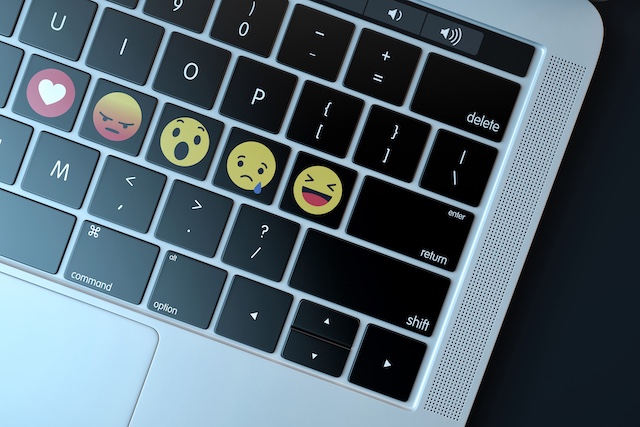
Growing Use of Emojis in Electronic Health Records Raises Safety Questions
Key Takeaways:
- Emoji use in electronic health records has increased steadily between 2020 and 2025, appearing in thousands of clinical notes.
- While emojis may offer a quicker, more expressive way to communicate, they introduce risks of misinterpretation across clinicians and patients.
- Experts suggest that clearer governance and guidance may be needed to ensure safe and consistent use in clinical documentation.
Study reveals growing presence of emojis in clinical records
A recent study from Michigan Medicine, published on 14 January, examined 218.1 million clinical notes from the electronic health records of 1.6 million people receiving care. The findings revealed a notable rise in emoji usage by both healthcare professionals and patients between January 2020 and September 2025.
Across all records analysed, researchers identified 372 unique emojis appearing in 4,162 notes. While this represents a small proportion of total documentation, the upward trend signals a shift in how digital communication is entering clinical environments.
David Hanauer, clinical associate professor of paediatrics and learning health science at Michigan Medicine, explained that the study was initially driven by simple curiosity.
“It was mostly out of interest, just trying to explore if anything was there at all,” Hanauer said. “Our understanding had been that emojis and other symbols are actually not supposed to be used in a medical record, so we were wondering: Were there any there at all, and how often were they being used, and which ones?”
Concerns around clarity and misinterpretation
Despite their increasing use, emojis raise important concerns about clarity in clinical communication. Hanauer highlighted that the ambiguity of many emojis could lead to misunderstanding.
“Most of the concerns that people have is that it’s hard to understand from an emoji what is being conveyed,” Hanauer said. “Maybe a smiley face is pretty obvious to most people, but there’s a lot of different faces with nuances and other symbols. I think there can be a lot of miscommunication, misinterpretation.”
The issue becomes more complex when considering variation in interpretation across different groups of people receiving care and healthcare professionals.
Kim Ford, a health information business systems analyst lead at Michigan Medicine, emphasised how generational differences may influence understanding.
“If you have older patients who may not be familiar with emojis, it’s almost like a foreign language to them,” Ford said. “(For) our younger generation – or those people that have grown up with technology – it’s a second language for them that they understand very well. That’s my biggest concern.”
Accessibility challenges for some people receiving care
Beyond interpretation, accessibility presents another potential barrier. Hanauer noted that small visual symbols may be difficult for some individuals to distinguish clearly, particularly those with visual impairments.
“For older people, having small emojis might actually be hard for them to see and make out, so they might see its face but they can’t tell what the specific expression is,” Hanauer said. “I think we found over 300 different kinds of emojis being used. That’s a lot of different symbols that people would have to understand what they mean.”
This highlights a broader concern that even seemingly simple visual cues may not be universally interpretable or accessible.
Potential implications for patient care
A key concern raised by the study is whether emoji misinterpretation could affect clinical outcomes. While there is currently no direct evidence linking emoji use to adverse outcomes, the possibility remains.
“We hope that doesn’t happen, but I think because of that concern, there’s probably going to be a little bit more oversight,” Hanauer said. “I don’t think we would easily be able to find a circumstance in which there was actually some sort of better or negative outcome from an emoji being misinterpreted.”
The absence of clear evidence does not eliminate the risk, particularly in high-stakes environments where precise communication is essential.
Balancing efficiency with professionalism
Some healthcare professionals recognise potential benefits in using emojis, particularly in reducing communication burden within electronic systems. However, concerns remain about maintaining professionalism and objectivity.
Leah Beel, a medical assistant at American Family Care in Ann Arbor, expressed reservations about their place in formal documentation.
“From my experience, EHRs are used to get quick information and try to communicate with each other in a fast and reliable way,” Beel said. “The only thing I would use is an exclamation point, which, even then, is kind of out there. It’s a good thing that emojis can show enthusiasm or certain reactions, but I also think to a degree – it’s not unprofessional but just someone might take it the wrong way. My perspective on EHR is that you write very objectively.”
In contrast, Elizabeth Rossmann Beel, a paediatric anaesthesiologist at Texas Children’s Hospital, noted that emojis may offer a more efficient way to communicate in certain contexts.
“It’s a way to react to something without putting as much effort into it, or into making that person who’s reading it feel like they need to reply,” Rossmann Beel said. “I think it can cut down a little bit on the burden of replying to and responding to messages in the EHR, which is nice. However, it’s definitely more casual, and so sometimes that’s not the best tone to be setting in a medical record.”
The case for governance and standardisation
Given the growing use of emojis, there is increasing interest in whether formal guidance or regulation should be introduced.
Ford suggested that healthcare organisations may need to consider structured governance around emoji use.
“Maybe emojis are an acceptable means of communication,” Ford said. “The other piece is, should there be a governance process around what emojis can be used? And in what situations? I need to think a little bit about what their structure might look like – what department should be involved in reviewing and approving those, what should be the process to submit an emoji for consideration for use? There’s a lot of pieces to the governance process that need to be figured out there.”
A shift in digital communication within healthcare
The findings from this study reflect a broader evolution in digital communication, where informal elements are beginning to intersect with traditionally formal systems such as electronic health records.
While emojis may offer efficiency and emotional nuance, their integration into clinical documentation raises important questions about clarity, accessibility, professionalism, and patient safety. As their use continues to grow, healthcare systems may need to balance flexibility with standardisation to ensure communication remains precise, inclusive, and clinically appropriate.
Read More
AI Tool Creates ‘Digital Twins’ of Patients to Forecast Future Health
Key Takeaways:
- New DT-GPT model creates virtual patient replicas to predict individual health trajectories with notable accuracy.
- The model outperformed 14 leading machine learning systems and demonstrated effective zero-shot predictions.
- Technology could accelerate drug development and shift healthcare towards more predictive and personalised practice.
Digital twins to forecast patient health
A new artificial intelligence model capable of generating virtual patient representations and forecasting future health outcomes has been described as a potential breakthrough for clinical research. The system, developed by researchers at the University of Melbourne, uses large language model (LLM) techniques to create personalised digital twins that mirror each individual’s clinical profile.
How the DT-GPT model was developed
The research team trained an existing large language model on three extensive datasets containing thousands of electronic health records. These datasets included information on people living with Alzheimer’s disease, people with non-small cell lung cancer, and people admitted to intensive care units. The aim was to equip the model with sufficient breadth of clinical data to enable it to generate detailed patient-level predictions.
The resulting tool, named DT-GPT, analysed each person’s medical history, such as laboratory values, diagnoses, and treatments. Using this information, it constructed a virtual counterpart for every individual and projected how their condition might evolve under ongoing clinical care.
Predictive performance and validation
Crucially, the model was not shown any actual health outcomes during training. This allowed researchers to rigorously assess the accuracy of its predictions once the model generated forecasts.
Associate Professor Michael Menden, lead researcher, explained the approach:
“For each patient, we created a virtual replica by initialising the model with their individual clinical profile.”
He added:
“For example, we created virtual twins of 35,131 intensive care unit (ICU) patients and accurately predicted what would happen to their magnesium levels, oxygen saturation and their respiratory rate over a 24 hour period, based on their laboratory results from the previous day.”
When benchmarked against 14 state-of-the-art machine learning models, DT-GPT consistently outperformed them in predictive accuracy.
Implications for clinical trials and personalised medicine
Researchers believe the tool has significant implications for the future of clinical trials. Because the model can simulate potential outcomes for large groups of virtual participants, it may help streamline drug development processes by reducing time and cost associated with early-stage testing.
Associate Professor Menden said:
“This technology paves the way for a shift from reactive to predictive and personalised medicine.”
He continued:
“It could enable doctors to anticipate if their patient’s health will deteriorate so they can intervene earlier.
“It could also be used to predict negative side effects of medications, allowing doctors to tailor treatment plans to suit each patient’s unique characteristics and medical history, ultimately increasing the chances of a positive health outcome.”
Conversational interface and handling of complex data
One of DT-GPT’s strengths is its ability to interpret large volumes of complex, unstructured clinical data. The system also includes a conversational interface that functions similarly to a chatbot, enabling clinicians and researchers to query the model directly and explore the reasoning behind specific predictions.
Zero-shot predictions: an advanced capability
Because DT-GPT is based on generative AI, it can also perform zero-shot predictions. These are informed estimates of clinical values that the model has not been explicitly trained to predict.
Associate Professor Menden illustrated this:
“To use an analogy, it’s like asking the model to predict how tall someone will grow without providing the person’s height records and only giving their previous weight and shoe sizes.”
He noted a key finding:
“Our model accurately predicted how lactate dehydrogenase (LDH) levels changed in non-small cell lung cancer patients 13 weeks after they started therapy, despite not training the model for this purpose.
“We compared it to traditional machine learning models, which were specifically trained for 69 clinical variables, including LDH, which we in comparison only educated guessed.
“Very surprisingly, the DT-GPT’s zero-shot predictions, its untrained guesses, were more accurate in 18 percent of cases.”
The study was recently published in NPJ Digital Medicine.
Next steps: expanding to other conditions
The team responsible for developing DT-GPT, in collaboration with the Royal Melbourne Women’s Hospital, have now established the foundation for a new company that will apply digital twin technology to support people living with endometriosis. This work highlights the potential wider applicability of the model across different medical conditions.
CCH insight
Digital twins are one of the more striking illustrations of where healthcare AI is heading: from reactive treatment towards prediction and personalisation. Whether or not tools like DT-GPT reach routine practice, the direction of travel makes AI literacy increasingly important for healthcare professionals – understanding what these systems can and cannot do, and how to interpret their outputs. CCH’s CPD-accredited digital health short courses are designed to help practitioners build that understanding and practical judgement, quickly and flexibly around a clinical schedule.
Explore CCH’s Digital Health courses →
Read More