
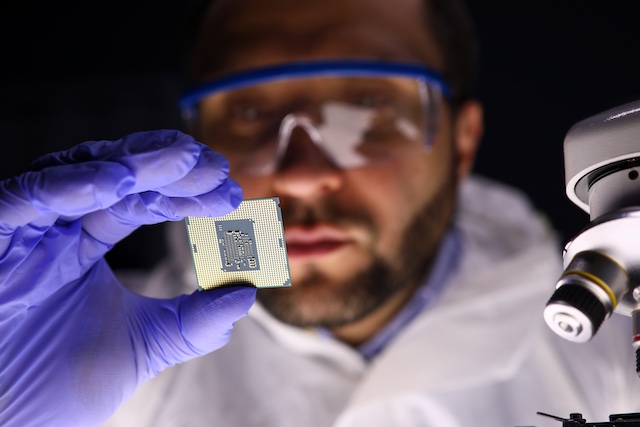
New Self-Aware Biosensor System Could Improve Reliability of Wearable Medical Devices
Key Takeaways:
- Researchers have developed a new biosensor monitoring system that can rapidly detect when electrodes in wearable medical devices begin to detach from the skin.
- The technology evaluates the quality of digital signals transmitted between electrodes through the body, allowing direct monitoring of electrode contact.
- Early testing shows the system can identify early signs of electrode failure that conventional monitoring approaches often miss, potentially improving the reliability of digital health monitoring.
Advances in wearable biosensing for modern healthcare
Smart biomedical technologies are increasingly shaping the future of healthcare. A growing number of digital health tools rely on skin-mounted biosensors that collect detailed physiological data directly from the human body. These devices are commonly used in applications such as heart rhythm monitoring, remote patient monitoring, and long-term health tracking.
As these technologies become more widely adopted in clinical practice and home-based healthcare settings, the accuracy and reliability of the signals they collect become critically important. If the sensors or electrodes attached to the skin begin to loosen or detach, the data captured by the device can become unreliable.
To address this challenge, a research team at King Abdullah University of Science and Technology (KAUST) has developed a new system designed to detect electrode detachment in real time. The technology enables medical devices to identify when electrodes begin to lose proper contact with the skin, allowing clinicians and users to maintain accurate physiological monitoring.
The study describing the system was published in the journal Results in Engineering.
Limitations of traditional electrode monitoring methods
Many wearable medical devices rely on electrodes placed on the skin to detect electrical signals produced by the body, such as those generated by the heart. However, ensuring that these electrodes remain properly attached throughout monitoring can be difficult.
Conventional systems typically rely on indirect methods to determine electrode integrity, such as measuring electrical impedance or using other proxy indicators. These techniques were developed many years ago and often assume stable monitoring conditions.
According to the researchers, these assumptions do not always reflect real-world use.
“Traditional methods for checking whether medical electrodes are properly attached, based on impedance or indirect monitoring, were developed many years ago and assume relatively stable conditions,” explains Rajat Kumar, a student working in the laboratory of Ahmed Eltawil, who led the research.
In everyday situations, however, people move, perspire, and change position. These normal activities can cause electrodes to loosen slightly or temporarily lose contact with the skin.
Such intermittent disruptions can be difficult for conventional monitoring approaches to detect.
“This is especially problematic for home-based wearable medical devices, where poor electrode contact may go unnoticed for long periods, leading to inaccurate data being recorded and relied upon,” says Abdelhay Ali, a postdoctoral researcher in Eltawil’s research group.
Rethinking the body as part of the monitoring system
To overcome these limitations, the KAUST team reconsidered how electrodes interact with the body during monitoring.
Instead of viewing the human body purely as a source of interference in electrical measurements, the researchers explored whether it could become part of the detection mechanism itself.
Eltawil describes this shift in perspective:
“Instead of treating the body as something that interferes with measurements, we considered whether it could be part of the solution.”
Previous research has shown that very small electrical signals can safely travel through the body. The researchers realised that this property could be used to evaluate the condition of electrode attachments.
“We realized that if electrodes could exchange digital signals through the body, then the quality of that communication would directly reflect how well the electrodes were attached,” Kumar says.
If the electrodes remain firmly attached, the signals between them would be transmitted clearly. If the electrodes begin to loosen, the signal quality would deteriorate.
How the self-aware monitoring system operates
To test this concept, the team developed a monitoring system built around a custom-designed microchip created at KAUST.
The system works by sending very small digital signals between electrodes positioned at different locations on the body. These signals pass through the body and are then received by other electrodes.
A small processing unit analyses how well the signals are received.
According to Ali, the signal quality provides a direct indication of electrode contact:
“Clear signals indicate good electrode skin contact; small errors indicate weakening contact; and missing signals indicate disconnection.”
In addition to the chip and signal-processing unit, the system includes a control component that manages the electrode-checking sequence. This allows the device to automatically evaluate multiple electrodes in sequence without interrupting the primary medical measurements being performed by the device.
Testing the system on human skin
To evaluate the system’s effectiveness, the researchers conducted experiments using electrodes placed on human skin.
The testing showed that the system could reliably distinguish between several different conditions of electrode attachment, including:
- Firmly attached electrodes
- Partially loosened electrodes
- Electrodes that intermittently lose contact with the skin
- Completely disconnected electrodes
Importantly, the system demonstrated the ability to detect early stages of contact degradation before full disconnection occurs.
“Importantly, the system detected the early signs of contact degradation that traditional methods often miss,” Kumar says.
This early detection could be particularly valuable in wearable health monitoring devices that operate continuously over long periods.
Potential benefits for long-term wearable monitoring
A key feature of the new system is its very low power consumption, which makes it suitable for wearable technologies that must operate continuously for hours or days at a time.
Ali explains that this efficiency could make the technology practical for real-world use.
“The system’s very low power consumption should enable practical integration with wearable medical devices that need to run continuously for long periods,” he says.
He also notes that the design could be incorporated into existing devices with minimal modifications.
“These components form a compact and efficient solution that can be added to existing medical devices with minimal changes.”
Towards fully integrated wearable medical devices
Although the current system has been demonstrated in laboratory testing, the research team is now working to advance the technology further.
Their next goal is to develop a fully integrated single-chip system capable of monitoring many electrodes simultaneously.
Such a system could be used in a range of clinical monitoring devices, including multi-lead electrocardiogram (ECG) monitors and other wearable biosensing platforms used in both hospital and home environments.
Eltawil emphasises the broader aim of translating the technology into practical healthcare solutions.
“Ultimately, our goal is to translate this KAUST-developed technology into practical medical devices that are more reliable, more trustworthy, and better suited for continuous health monitoring in the clinic and at home,” he says.
Read More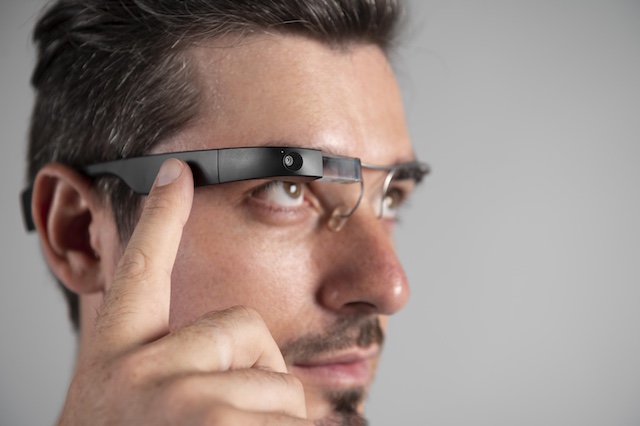
Camera Glasses and Biomarkers Aim to Transform How Diets Are Measured in Real Life
Key Takeaways:
- A UK-wide study is testing camera glasses alongside blood and urine biomarkers to produce more accurate dietary data than self-reported food diaries.
- Researchers say existing methods often fail to capture snacking, portion sizes, and mindless eating, limiting confidence in nutrition research.
- While the technology could improve objectivity, experts caution it may not be suitable for everyone, particularly people vulnerable to food anxiety or disordered eating.
A new approach to measuring what people really eat
A new UK trial is exploring whether wearable camera glasses, combined with biological markers, can provide a more reliable picture of what people eat and drink in their everyday lives. The study is led by the University of Reading and aims to address long-standing challenges in nutrition research, particularly the limitations of self-reported dietary data.
Registered nutritionist Christine Bailey explained that camera glasses build on existing clinical tools, such as food photographs used to support dietary assessment, by capturing intake automatically and in real time. According to the research team, this approach could significantly reduce reliance on memory and self-reporting, which are known to be imperfect.
Professor Julie Lovegrove, who is leading the trial, said: “Humans are not very reliable, especially when asked to remember snacking or portion sizes.”
The study is taking place against a backdrop of rising rates of excess weight in the UK. Analysis from the Health Foundation in 2025 indicated that more than 60 percent of UK adults are now classified as living with overweight or obesity, including around 28 percent living with obesity.
How the SODIAT-2 study works
The study, known as SODIAT-2, will recruit 133 adults from across the UK to take part in a five-week programme conducted entirely from their own homes.
For up to 12 days, participants will wear camera glasses that automatically take photographs of everything they eat and drink. During this period, they will also collect small blood and urine samples using easy-to-use kits that are returned by post for laboratory analysis. In addition, participants will complete short online questionnaires to report what they have eaten over recent days.
All participants will then follow a standardised test diet, consuming identical foods and drinks for three days. By combining wearable imagery, biological data, and self-reported information, the research team aims to identify the most accurate and practical way to study diets in real-world settings.
Why current dietary assessment methods fall short
One of the central problems in nutrition research is obtaining an accurate account of people’s habitual eating patterns. Dr Manfred Beckmann, lead principal investigator from the Department of Life Sciences at the Aberystwyth University, said: “One of the problems facing nutrition researchers is getting a true picture of people’s eating habits.”
Professor Lovegrove noted that current approaches typically rely on food diaries, questionnaires, and 24-hour dietary recalls. She described these tools as “not very reliable or accurate”, largely because they depend on memory and honest reporting.
Christine Bailey added: “Research consistently shows that self-reported food diaries are prone to recall bias, with people often misremembering what they ate, when they ate it, and portion sizes.”
Dr Michelle Weech, research fellow at the University of Reading and trial manager, said: “By automatically photographing everything they eat and drink and measuring substances the body makes from food in their blood and urine – we will have dietary data we can really rely on.”
Potential benefits for nutrition and public health research
Researchers believe that combining camera glasses with biomarkers could mark a step change in how diets are measured. More accurate dietary data would allow scientists to explore links between diet, health, and disease with greater confidence, including conditions such as type 2 diabetes, cardiovascular disease, and some cancers.
Bailey said wearable camera technology may “improve objectivity and offer valuable insight into eating behaviours and patterns” that are not always captured through written food records alone.
Wearable devices and AI-driven analysis like this are part of a much wider digital transformation of healthcare – a shift that professional training such as the College of Contemporary Health’s digital health CPD courses aims to help practitioners keep pace with.
Registered nutritional therapist Gemma Westfold, based in Windsor, highlighted how the technology could also shed light on behavioural aspects of eating. She said: “Humans can eat mindlessly on occasion, whilst scrolling on social media or while watching TV. When we are absorbed in other activities whilst eating, we can risk overeating, but more importantly, we can also switch off our ability to adequately digest and absorb the nutrients.”
Westfold added that using camera glasses for a short period could help identify behavioural patterns and support mindful eating, which she described as “key for all health conditions”.
Ethical considerations and concerns about over-monitoring
Despite the potential benefits, experts emphasise that such tools will not be appropriate for everyone. Bailey cautioned that increased monitoring could be counterproductive for some people: “For a small proportion of individuals, particularly those vulnerable to food anxiety or disordered eating, increased focus on food monitoring or quantity can become counterproductive and heighten preoccupation around eating.”
Westfold also raised concerns about how constant monitoring might affect therapeutic relationships. She said: “My line of work is based on relationships and making someone feel comfortable. Camera glasses could imply that as a nutritionist I do not trust my client, or believe what they are telling me.”
“It could make us feel like a food nanny, policing our clients and damage that relationship because they are under constant surveillance,” she added.
A collaborative UK research effort
The SODIAT-2 project brings together expertise from several UK institutions. Alongside the University of Reading and Aberystwyth University, partners include the University of Cambridge, which is leading blood sample analysis, and Imperial College London, which developed the camera glasses and is using artificial intelligence to analyse the images captured by the wearable devices.
Funded by the UK Medical Research Council and the Biotechnology and Biological Sciences Research Council, the project aims to improve how dietary intake is measured, providing stronger evidence to inform future nutrition guidance and public health policy.
CCH insight
Camera glasses and AI-analysed dietary data are a vivid example of how digital health tools – wearables, connected devices and machine learning – are moving into the heart of research and care. As these technologies become part of everyday practice, being equipped to understand and use them well is increasingly imperative for healthcare professionals. CCH’s CPD-accredited digital health short courses are designed to help practitioners build the practical skills and judgement to keep pace, quickly and flexibly around a clinical schedule.
Explore CCH’s Digital Health courses →

NHS Endorses AI Notetaking to Expand Face-to-Face Patient Care
Key Takeaways:
- NHS-backed AI notetaking tools could enable clinicians to spend up to a quarter more time with patients by reducing administrative burden.
- A new national registry of approved suppliers sets standards for clinical safety, technology assurance and data protection.
- Evidence from more than 17,000 patient encounters shows increased direct patient interaction and shorter appointment times when AI-scribing is used.
NHS support for ambient voice technologies
New artificial intelligence notetaking tools supported by the NHS could allow doctors to spend up to a quarter more time with people receiving care. NHS organisations across England are being encouraged to make use of a newly published national registry of approved suppliers offering this technology.
Often referred to as ambient voice technologies, these tools capture clinician–patient conversations and use AI to generate real-time transcriptions and clinical summaries. The aim is to reduce the time clinicians spend typing notes or navigating screens during consultations, while maintaining high standards of accuracy, privacy and data protection.
By adopting these systems, clinicians could save approximately two to three minutes per patient consultation. At scale, this time saving could be redirected towards additional appointments or more in-depth conversations with people seeking care.
New national registry sets standards for safety and data protection
NHS England has published a new self-certified registry for AI notetaking technologies, listing 19 suppliers that meet national requirements. The registry requires participating suppliers to comply with established standards covering clinical safety, technological performance and data protection.
The launch follows NHS guidance issued last year, which advised NHS organisations to adopt AI notetaking tools only where they are safe, evidence-based and demonstrably beneficial for patients. The registry is intended to give local NHS teams confidence when selecting and implementing these tools.
Clinical leadership highlights potential benefits
Dr Alec Price-Forbes, NHS England National Chief Clinical Information Officer, said:
“The AI revolution is here and we want to arm our NHS staff with the latest technology, which has the potential to transform the quality, safety and experience of care patients receive, as well as improving efficiency.
“AI notetaking tools will help free up more time for clinicians to focus on their patients, rather than typing up notes or looking at a screen – enhancing the quality of consultations and improving overall patient satisfaction.
“We are working with NHS organisations to help them implement the technology safely and effectively – helping to make the NHS the most AI-enabled healthcare system in the world, as we shift from analogue to digital.”
Minister for Digital Government Ian Murray also emphasised the wider public sector impact, stating:
“AI has enormous potential to transform public services, and this is a prime example of how we can use it to make a real difference. By cutting down on admin and paperwork, we’re giving clinicians back valuable time to do what they do best – caring for patients.
“We’re committed to making the UK an exemplar for how technology can be used to improve public services. Supporting the NHS to adopt tools like these safely and effectively is a key part of that mission.”
Evidence from NHS pilots and large-scale evaluation
AI notetaking technology has already been tested across nine NHS sites, where it was shown to free up clinicians to spend nearly a quarter more time with patients. A major NHS England-sponsored study published last year found that AI-scribing technology can significantly reduce clinician workload while supporting improvements in patient care. The findings suggest that national adoption could unlock millions of pounds worth of additional clinical activity.
The study was led by Great Ormond Street Hospital for Children NHS Foundation Trust Innovation Unit, known as GOSH DRIVE. It assessed the impact of an AI-scribing tool that automatically transcribes consultations and drafts summarised clinical notes for clinicians to review and approve.
Measurable improvements across care settings
More than 17,000 patient encounters were evaluated across a wide range of NHS settings, including hospitals, GP practices, mental health services and ambulance teams. The results demonstrated a 23.5 per cent increase in direct patient interaction time during appointments when AI-scribes were used. In addition, overall appointment length fell by 8.2 per cent.
Emergency departments saw particularly notable benefits, with a 13.4 per cent increase in the number of patients seen per shift. Together, these findings indicate that AI notetaking tools have the potential to improve both the experience of people receiving care and the efficiency of clinical services when implemented safely and appropriately.
Read More
AI-Enabled Digital Stethoscope Doubles Detection of Serious Valve Disease in Primary Care Study
Key Takeaways:
- An AI-enabled digital stethoscope more than doubled the sensitivity of detecting audible valvular heart disease compared with standard auscultation in primary care.
- The technology identified twice as many previously undiagnosed cases of moderate-to-severe disease, supporting its potential role as a screening adjunct.
- Higher sensitivity came with lower specificity, raising important considerations around false positives, referral rates, and cost-effectiveness.
Overview of the study
In a recent prospective study published in the European Heart Journal Digital Health, researchers compared the diagnostic accuracy of primary care providers using conventional stethoscopes with that of a relatively novel artificial intelligence-enabled digital stethoscope. The aim was to determine whether AI-supported auscultation could improve current approaches to identifying valvular heart disease in primary care settings.
The findings showed a marked improvement in sensitivity when AI support was used. The AI system demonstrated a sensitivity of 92.3 percent for detecting audible valvular heart disease, compared with 46.2 percent for standard care (P = 0.01). Although the AI tool showed slightly lower specificity, it identified twice as many cases of previously undiagnosed moderate-to-severe disease. This pattern suggests a potential role for AI-enabled auscultation as a screening adjunct rather than a replacement for clinical judgement and assessment.
Background
Valvular heart disease is a serious cardiac condition in which one or more of the heart valves, including the aortic, mitral, tricuspid, or pulmonary valves, fail to open or close properly, disrupting normal blood flow through the heart.
People living with valvular heart disease may experience symptoms such as shortness of breath, fatigue, chest pain, and palpitations. Prevalence increases with age and is estimated to affect more than half of adults aged over 65 to some degree, although moderate-to-severe disease is considerably less common.
Diagnosis remains challenging, in part because more than half of people with clinically significant disease are asymptomatic. Traditionally, detection relies on clinician-performed cardiac auscultation. However, previous research indicates that even experienced general practitioners may have limited sensitivity when screening asymptomatic individuals, contributing to delayed diagnosis and disease progression.
Study design and methods
The study investigated whether deep learning algorithms, combined with digital acoustic recordings, could improve the detection of cardiac abnormalities that may be missed during routine examinations.
This was a prospective, single-arm diagnostic accuracy study conducted across three primary care clinics between June 2021 and May 2023. The study included 357 participants aged 50 years and older who were considered at elevated cardiovascular risk but had no prior diagnosis of valvular heart disease or a known cardiac murmur.
Risk factors included hypertension, a body mass index of 30 or higher, diabetes, hyperlipidaemia, atrial fibrillation, previous myocardial infarction, stroke or transient ischaemic attack, coronary revascularisation, or other established cardiovascular disease.
Each participant underwent two independent screening protocols:
- Standard-of-care screening: Primary care providers performed four-point cardiac auscultation using conventional stethoscopes.
- AI-augmented screening: Study coordinators recorded phonocardiogram data using a digital stethoscope. These recordings were analysed by an AI algorithm that has received clearance from the US Food and Drug Administration to detect heart murmurs.
All participants subsequently underwent echocardiography to confirm the presence or absence of structural heart disease. An independent expert panel reviewed the digital audio recordings to verify whether an audible murmur was present. This panel was blinded to the AI results.
For the purposes of the study, audible valvular heart disease was defined as moderate-to-severe disease confirmed on echocardiography together with an expert-confirmed audible murmur. This definition acknowledged that some people with structurally significant disease may not produce a clearly audible murmur.
Study findings
The AI-augmented system substantially outperformed standard auscultation in detecting audible valvular heart disease. Sensitivity was 92.3 percent with AI support compared with 46.2 percent using standard-of-care screening (P = 0.01).
Among people with confirmed disease, standard examination missed seven of thirteen cases, whereas the AI system missed only one. In terms of previously undiagnosed moderate-to-severe valvular heart disease, the AI tool identified 12 cases, compared with 6 detected by primary care providers.
This improvement in sensitivity was accompanied by reduced specificity. The AI system demonstrated a specificity of 86.9 percent, compared with 95.6 percent for clinicians using conventional auscultation (P < 0.001), resulting in a higher number of false-positive findings.
When echocardiography alone was used as the reference standard for moderate-to-severe disease, regardless of whether a murmur was audible, the AI system continued to outperform standard care. Sensitivity in this analysis was 39.7 percent for the AI system versus 13.8 percent for clinicians (P = 0.01).
Interpretation and conclusions
The findings suggest that integrating AI-enabled digital stethoscopes into primary care could substantially improve the detection of valvular heart disease compared with traditional auscultation alone. Rather than replacing clinical assessment, these tools may provide an additional layer of screening support, helping clinicians identify people who may benefit from earlier referral and further investigation.
However, improved detection does not automatically translate into better clinical outcomes. The study assessed diagnostic accuracy but did not evaluate downstream management, patient experience, or long-term prognosis.
Several authors reported affiliations with the device manufacturer, a factor that should be considered when interpreting the results, despite transparent disclosure of conflicts of interest.
The lower specificity observed with AI-augmented screening may lead to increased referrals for echocardiography and higher healthcare utilisation. This highlights the importance of future research examining cost-effectiveness, workflow impact, and optimal integration into primary care pathways.
Study limitations included a modest sample size, a limited geographic scope, incomplete demographic detail, and the absence of systematic symptom assessment. Despite these constraints, the results indicate that AI-supported auscultation may represent a meaningful advance in point-of-care cardiac screening for people at increased cardiovascular risk.
Read More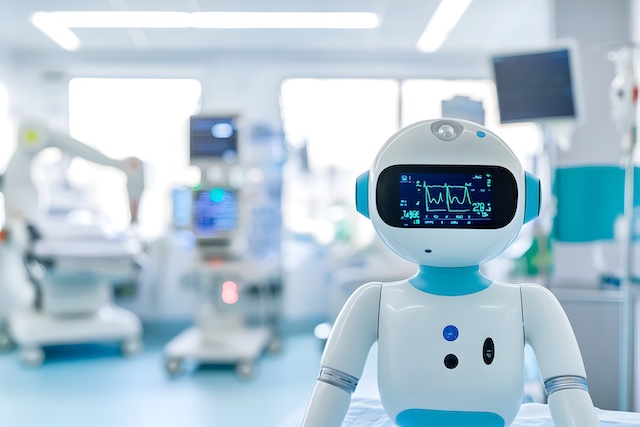
AI-Enabled Social Robots Show Early Promise for Patient and Clinician Acceptance
Key Takeaways:
- A pilot study suggests that a GPT-controlled social robot is acceptable to both patients and healthcare professionals in a hospital setting.
- The research focused on technical, organisational and ethical feasibility, rather than on demonstrating improvements in care quality.
- Careful system design, including restricting information sources to clinician-validated content, was central to building trust and reducing risk.
Early insights into acceptance and feasibility
Researchers from University of Twente, Medisch Spectrum Twente and Politecnico di Milano have conducted a pilot study examining whether a GPT-controlled social robot could support people receiving care with medical information in a hospital environment. The initial findings suggest cautious optimism. Both patients and caregivers found the technology acceptable in practice.
The study examined not whether such a system improves clinical outcomes, but whether it can function safely and appropriately within real healthcare settings. Technical robustness, organisational fit and ethical considerations were all central to the research design.
Healthcare systems are facing sustained pressure from workforce shortages and rising demand. At the same time, clear, accessible communication remains essential, particularly for people living with chronic conditions. Digital tools may help address these challenges, but they also raise important questions around reliability, trust and governance.
The findings have been published in the journal Frontiers in Digital Health.
Exploring artificial intelligence with a physical presence
Within this context, the research team investigated whether a social robot, powered by GPT technology, could provide people receiving care with information about their condition and treatment. The system combined a physical robot with a human-like face, facial expressions and speech capabilities, enabling natural spoken interaction.
According to the study, this physical presence was well received by both patients and healthcare professionals. People described the conversations as accessible and pleasant. However, the researchers were careful to frame these findings appropriately.
“This should not be interpreted as evidence that care quality improves,” emphasised lead researcher Jan-Willem van ‘t Klooster. “We investigated whether such a system can function in practice, not whether it already improves care.”
Tested in real clinical settings
The research began with a controlled laboratory study before moving into everyday clinical practice. In total, 21 people with osteoarthritis and seven healthcare professionals interacted with the robot in the hospital setting. Both groups rated the system positively in terms of usability and overall acceptance.
Van ’t Klooster highlighted the importance of this early step. “Acceptance is a first step. Then you can investigate whether such a technology really contributes to better information provision, therapy adherence or time savings for health care providers.”
Managing risk through controlled use of AI
A key aspect of the project was how artificial intelligence was implemented. The GPT system did not have unrestricted access to the internet. Instead, it was limited to information drawn from pre-approved, clinician-validated medical websites. This approach was designed to reduce the risk of incorrect or fabricated responses, often referred to as hallucinations.
“The debate is often about whether you should use AI in health care,” said Van ’t Klooster. “We show that it is mainly about how you set it up. By setting clear boundaries, control remains in the hands of health care professionals.”
Collaboration across disciplines
The project brought together expertise from behavioural science, clinical practice, design and technology. Alongside researchers from the University of Twente, healthcare professionals, designers and international partners contributed to the study.
“It is precisely this collaboration that makes this kind of research possible,” Van ’t Klooster noted.
The authors stress that further work is needed before such systems could be considered for broader implementation. Planned follow-up research includes examining long-term use, knowledge transfer and the appropriate language level for patient communication, ensuring that future applications remain accessible, safe and trustworthy for people receiving care.
Read More
Worldwide Use of Wearable Healthcare Technology Could Rise Nearly 42-Fold by 2050, Study Finds
Key Takeaways:
- Global use of wearable healthcare devices could rise almost 42-fold by 2050, reaching close to two billion units annually.
- Non-invasive continuous glucose monitors are projected to dominate the market, accounting for nearly three-quarters of all wearable healthcare devices by mid-century.
- Without changes in design and manufacturing, this growth could carry a substantial environmental cost, including rising carbon emissions, ecotoxicity, and electronic waste.
Rapid global expansion of wearable health technologies
The global use of wearable healthcare technologies is projected to increase dramatically by 2050, according to a new analysis conducted by researchers from Cornell University and the University of Chicago. The study estimates that annual consumption of wearable health devices could approach two billion units worldwide by mid-century, representing an almost 42-fold increase compared with current levels.
The analysis, published in the journal Nature, focuses on a range of wearable healthcare technologies, including continuous glucose monitors, electrocardiogram (ECG) devices, blood pressure monitors, and point-of-care ultrasound patches. While these technologies offer significant potential benefits for clinical monitoring and disease management, the researchers warn that their rapid expansion could come with a sizable environmental footprint if sustainability is not addressed early in the innovation process.
Environmental impact and carbon emissions
The researchers estimate that the projected global use of wearable healthcare devices could generate approximately 3.4 metric tonnes of carbon dioxide equivalent emissions each year by 2050. In addition to greenhouse gas emissions, the study raises concerns about increasing ecotoxicity and the accumulation of electronic waste associated with large-scale deployment of these devices.
China is expected to contribute the highest share of annual greenhouse gas emissions linked to wearable healthcare electronics by mid-century, followed by India. These projections reflect both population size and anticipated growth in access to digital health technologies, particularly in rapidly developing economies.
Life cycle assessment of wearable devices
To quantify environmental impacts, the researchers used a life cycle assessment approach, examining each stage of a device’s lifespan. This included raw material extraction, component manufacturing, device assembly, use during its operational life, and eventual disposal.
Their analysis found that a single wearable healthcare device can emit between 1.1 and 6.1 kilograms of carbon dioxide equivalent over its lifetime, depending on the type of device and its specific design characteristics. Differences in sensing technology, materials, power requirements, and expected duration of use all influenced the overall environmental burden.
Devices included in the analysis
Four representative wearable healthcare devices were assessed in detail:
- A non-invasive continuous glucose monitor
- A continuous electrocardiogram (ECG) monitor
- A wearable blood pressure monitor
- A point-of-care ultrasound patch
These devices were selected based on their clinical relevance, diversity of sensing modalities, and representation of different stages of technological maturity within the wearable health sector.
Shifting market dynamics towards continuous glucose monitoring
At present, the wearable healthcare market is largely dominated by continuous ECG and blood pressure monitoring devices. However, the study projects a major shift in device usage patterns over the coming decades.
By 2050, non-invasive continuous glucose monitors are expected to account for approximately 72 percent of global wearable healthcare device use. Continuous ECG monitors are projected to represent 19 percent of usage, while blood pressure monitors are expected to make up around eight percent.
The researchers noted that by mid-century, annual global sales of non-invasive continuous glucose monitors alone could exceed current worldwide smartphone sales, which were estimated at 1.2 billion units in 2024.
Limited gains from bioplastics, greater potential from design changes
The study also explored potential strategies to reduce the environmental impact of wearable healthcare technologies. The researchers found that switching to recyclable or biodegradable plastics provides relatively limited environmental benefits when considered across the full device lifecycle.
In contrast, more substantial reductions in emissions could be achieved by replacing critical-metal conductors, optimising circuit architectures, and improving overall electronic design. Importantly, these changes could lower environmental impacts without compromising device performance or clinical functionality.
Supporting more sustainable digital health innovation
The researchers concluded that their engineering-based framework for assessing environmental impacts across a wearable device’s lifecycle could help guide more ecologically responsible innovation in next-generation healthcare electronics.
As wearable health technologies continue to expand rapidly across global healthcare systems, the study highlights the importance of integrating sustainability considerations into design, manufacturing, and scale-up processes from the outset, rather than treating environmental impact as a secondary concern.
Read More
Digital Tools Show Promise in Schizophrenia Care, Large-Scale Study Finds
Key Takeaways:
- A smartphone app, FOCUS, helped people living with schizophrenia manage symptoms and recovery more effectively.
- External facilitation by digital specialists improved outcomes, including reduced psychiatric emergency visits.
- Researchers highlight that the greatest challenge for digital mental health tools remains real-world adoption.
Evidence grows for mobile mental health support
A major clinical study has found that using a smartphone app to support the treatment of schizophrenia can deliver modest but meaningful improvements in symptoms and recovery outcomes. The research, published in Psychiatric Services, is among the largest trials of its kind examining the impact of digital interventions on people with serious mental illness.
While the research took place in the United States, its findings are relevant globally as health systems, including the NHS, seek innovative ways to expand access to mental healthcare and support self-management outside the clinic.
The FOCUS app: bridging the gap between appointments
The FOCUS app was first launched in 2013 to provide digital support for people living with schizophrenia and related conditions. It offers structured prompts and tools to help users manage symptoms, take medication consistently, improve sleep routines, and practise social and coping skills.
Previous small-scale studies showed early promise, but uptake within mental health services has been limited, reflecting wider challenges in embedding digital tools into routine care.
Comparing models of implementation
The new trial enrolled 274 people receiving care for schizophrenia across 23 community clinics. It tested two models of introducing the FOCUS app into clinical practice:
- External facilitators – digital health specialists who supported multiple clinics and provided guidance to both staff and patients.
- Internal facilitators – trained in-house staff who integrated app use within their own teams and services.
Both methods proved feasible, but patients supported by external facilitators experienced better clinical outcomes, including fewer psychiatric emergency attendances.
Digital tools and the challenge of adoption
“Getting access to a mental health provider can be challenging for patients with serious mental illness,” said Dr Dror Ben-Zeev, clinical psychologist, director of UW Medicine’s BRiTE Center, and the study’s lead author. “Mobile health tools hold enormous potential because we can meet patients where they are. The biggest hurdle today for digital mental health solutions is effective implementation and real-world adoption.”
Each participant in the study was paired with a digital navigator, who had access to the individual’s app data, conducted weekly check-in calls, and communicated key updates to the person’s clinical team.
Ensuring digital solutions deliver real results
“There are so many digital solutions being offered right now,” commented Dr Charissa Fotinos, Washington State Medicaid and behavioural health medical director, who served as an advisor on the project. “It’s important for us, as a payor, to support tools that have evidence of efficacy. We need to pay for things that work.”
Her remarks echo a growing sentiment among UK health commissioners and policymakers: while digital mental health tools hold promise, investment must prioritise those that have been proven to work in practice, not just in theory.
Towards a future of evidence-based digital psychiatry
The study forms part of mHealth Washington, a multi-year programme funded by the National Institute of Mental Health, developed in collaboration with the University of Washington School of Medicine and the Washington State Health Care Authority.
Researchers emphasised the wider relevance of their findings to healthcare systems internationally. As the NHS continues to expand its use of digital therapy tools, from remote cognitive behavioural therapy to AI-assisted triage, evidence such as this may help shape best practice for integrating digital interventions into routine psychiatric care.
Conflict-of-interest statements for the study authors are available in the published paper.
Read More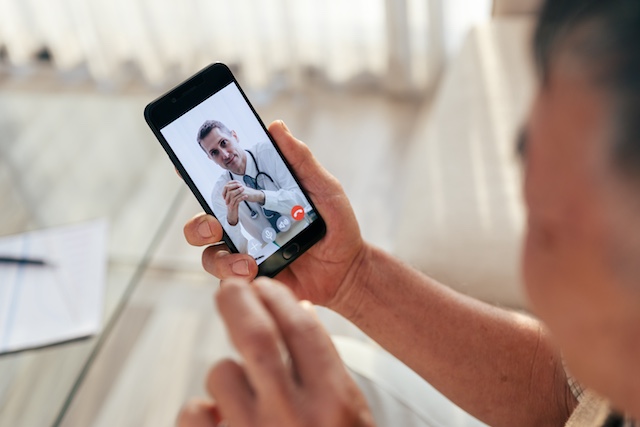
Study Finds Early Virtual Follow-Up Reduces Hospital Readmissions and Enhances Recovery
Key Takeaways:
- A UC San Diego Health telemedicine clinic reduced 30-day hospital readmissions from 20.1% to 14.9% among high-risk patients.
- The clinic provides rapid, virtual follow-up care after discharge, addressing medication access, care understanding, and specialist coordination.
- Findings suggest that virtual post-discharge care can improve health outcomes, cut costs, and enhance care equity.
Virtual care reduces readmissions in high-risk patients
A new study led by researchers at the University of California San Diego (UC San Diego) School of Medicine has found that a virtual transition of care clinic significantly reduces hospital readmissions among high-risk patients.
Published on 23 September 2025 in JMIR Medical Informatics, the study revealed that the 30-day readmission rate for patients seen in UC San Diego Health’s virtual transition of care clinic was 14.9%, compared with 20.1% in a benchmark group that received standard follow-up care.
“With our virtual transition of care clinic, we are providing patients with the right care, at the right place, at the right time,” said Dr Sarah Horman, lead author of the study and Professor of Medicine at UC San Diego School of Medicine. “With the convenience of meeting virtually, we’re able to reach patients much more efficiently.”
Tackling a national challenge
Hospital readmissions represent a major strain on healthcare systems across the United States, with an estimated annual cost of $17 billion. Recognising this challenge, UC San Diego Health clinicians and leadership launched the virtual clinic in 2021 to improve care coordination immediately following discharge.
The initiative supports clinical management and specialist referrals for people leaving hospital, aiming to reduce the likelihood of complications or unplanned readmissions.
How the virtual transition clinic works
The clinic operates with a team of 12 hospitalists, two medical assistants, one pharmacist, and an on-demand interpreter service. When necessary, visits were converted to telephone consultations to accommodate patients facing technical or connectivity barriers.
Each discharge triggers a standardised hand-off to the patient’s primary care provider and relevant specialists, summarising the reason for admission, ongoing care needs, and follow-up recommendations.
If a patient experienced issues post-discharge, the virtual care team expedited communication with the primary care provider to ensure timely in-person review.
Addressing barriers to follow-up care
“When telemedicine first began, there was concern it would further increase health disparities, especially in vulnerable patient groups,” said Dr Horman, who is also a hospitalist and affiliate faculty member at the Joan and Irwin Jacobs Center for Health Innovation at UC San Diego Health. “However, through our research, we have found the opposite as the virtual clinic reaches patients more effectively.”
Many individuals, she noted, struggle to attend in-person follow-up appointments due to transport issues or mobility limitations. “For example, many patients do not have access to transportation for in-person follow-up visits, so they will often skip them altogether, resulting in an increased risk of hospital readmission. For patients who did not have access to video visits, we coordinated telephone calls instead. In total, the no-show rate for these follow-up visits was less than 5%.”
Strengthening the post-hospital care chain
According to Dr Horman, the clinic targets three critical aspects of post-discharge care:
- Ensuring access to and availability of prescribed medications.
- Supporting patient and caregiver understanding of the care plan.
- Facilitating navigation between primary and specialist care.
“Our goal is to hardwire this linkage in the care chain between the hospital team and primary care in order to help expedite support during that very sensitive, post-hospital period of time,” she explained. “As a result, patient outcomes are improving while they recover at home and hospitals have capacity to take care of the next patient in need of critical care.”
Study scope and findings
The study evaluated more than 25,000 patients discharged from UC San Diego Health between 1 September 2021 and 17 September 2024. Of these, 2,314 were seen in the virtual clinic, while 23,129 received standard care.
Typically, patients see their primary care provider two to four weeks after discharge. However, under this programme, individuals at moderate or high risk were seen within one week.
“Our clinic is a one-time, virtual visit with a patient immediately after their hospital stay to ensure we’re doing all we can to mitigate risk,” added Dr Horman.
Data-driven patient targeting with the LACE+ index
The team used the LACE+ index to identify patients at high risk of readmission or complications. LACE stands for Length of stay, Acuity of admission, Comorbidity, and Emergency department visits. The “+” extends the model to include factors such as age, sex, and previous hospitalisations.
“The use of LACE+ underscores the importance of data-driven and patient-centric strategies in enhancing patient outcomes,” said Dr Horman. “By using this tool, we were able to target follow-up care to those most likely to benefit. This approach helped improve care transitions and reduce avoidable hospital visits.”
Future of the programme
UC San Diego Health’s virtual transition of care clinic continues to operate across Hillcrest and Jacobs Medical Centers, with expansion plans to include East Campus Medical Center.
Dr Horman noted that these findings demonstrate how telemedicine can contribute to broader goals of improving population health, enhancing patient experience, reducing healthcare costs, and advancing care equity.
The study’s co-authors include Milla Kviatkovsky, Edward Castillo, Patricia S. Maysent, Chad VanDenBerg, John Bell, and Christopher A. Longhurst, all from UC San Diego Health.
Read More