

Big Breakfast Study Shows Protein Reduces Appetite While Fibre Supports Gut Microbiome Health
Key Takeaways:
- Within a calorie-restricted big-breakfast eating pattern, a higher-protein breakfast improved satiety, while a higher-fibre breakfast produced more favourable gut microbiota and short-chain fatty acid profiles.
- Both dietary approaches led to clinically meaningful short-term weight loss and improvements in metabolic markers, but with distinct physiological effects.
- Fibre-rich breakfasts were linked to greater abundance of beneficial butyrate-producing bacteria, whereas protein-rich breakfasts may better support appetite control and dietary adherence.
Background and rationale
A recent study published in the British Journal of Nutrition examined how breakfast composition influences appetite regulation, energy balance and markers of gut microbiota health when consumed as part of a calorie-restricted, big-breakfast weight-loss diet.
There is growing evidence that meal timing, in addition to dietary composition, plays an important role in healthy weight management. Previous research has shown that people who eat earlier in the day tend to lose more weight than those who eat later. Morning calorie intake has also been associated with improved blood glucose control and lower hunger levels compared with evening intake.
Larger breakfasts have been shown to improve appetite control, while late eating patterns have been linked to increased hunger and greater fat storage. Despite public health advice emphasising the importance of breakfast for weight management, relatively little is known about what people typically consume in the morning. Moreover, evidence explaining how meal timing, calorie distribution and macronutrient composition interact to influence appetite remains limited.
Study design and dietary interventions
The researchers used a randomised crossover design to compare two calorie-restricted weight-loss diets with identical big-breakfast calorie distribution but differing macronutrient profiles. The primary outcomes were appetite, energy balance and gut microbiota composition and metabolites, rather than clinical gastrointestinal outcomes.
Healthy adults with overweight or obesity, aged 18–75 years, were recruited. The protocol consisted of:
- a four-day ad libitum diet
- a four-day maintenance diet
- a 28-day high-fibre weight-loss diet or high-protein weight-loss diet
These phases were separated by a washout period, with participants acting as their own controls. Resting metabolic rate was measured by indirect calorimetry during screening.
The maintenance diet provided 15% of energy from protein, 55% from carbohydrate and 30% from fat, and was set at 1.5 times resting metabolic rate to maintain body weight. Both weight-loss diets were set at 100% of resting metabolic rate to induce a calorie deficit.
Participants consumed three meals per day, with 45% of daily calories at breakfast, 20% at lunch and 35% in the evening. Lunch intake was allowed ad libitum within the provided calorie allowance.
- High-fibre weight-loss diet – 50% carbohydrate, 15% protein and 35% fat, incorporating both soluble and insoluble fibre sources such as lentils, fava beans, buckwheat and wheat bran.
- High-protein weight-loss diet – 30% protein, 35% carbohydrate and 35% fat, using foods including fish, poultry, eggs, red meat and dairy.
Measurements and outcomes assessed
Body density, waist and hip circumference, resting metabolic rate, total body water and blood pressure were measured. The thermic effect of food was assessed every 30 minutes for four hours after breakfast. Subjective appetite was evaluated using visual analogue scales.
Blood samples collected after an overnight fast were used to assess glucose, lipid profile and insulin as metabolic biomarkers rather than clinical disease outcomes. Insulin and glucose values were used to calculate HOMA-IR, HOMA-β and the insulin-to-glucose ratio. Total body water was measured using deuterium dilution, and faecal samples were collected to analyse gut microbiota composition.
Weight loss, energy expenditure and metabolic markers
Nineteen participants completed the study, including two women. The mean age was 57.4 years and the mean body mass index was 33.3 kg/m², indicating a predominantly male cohort and limiting generalisability to broader populations.
Energy intake did not differ significantly between the two weight-loss diets. Average weight loss was 4.87 kg with the high-fibre diet and 3.87 kg with the high-protein diet. Both diets significantly reduced fat mass and fat-free mass compared with the maintenance diet, although loss of fat-free mass was greater with the high-fibre approach.
Total body water was reduced following the high-fibre diet but not after the high-protein diet. Waist and hip circumferences, as well as waist-to-hip ratio, were significantly reduced with both weight-loss diets compared with the maintenance diet.
The high-protein breakfast maintained postprandial satiety, whereas the high-fibre breakfast was associated with reduced satiety after meals. Resting metabolic rate declined significantly after both weight-loss diets. The thermic effect of food was lower following the high-fibre diet than after the high-protein or maintenance meals.
Both weight-loss diets improved lipid profiles relative to baseline, with no significant difference between the two approaches. Fasting and postprandial glucose levels were reduced by around 10% following the high-fibre diet and by 8–7% following the high-protein diet compared with the maintenance diet. Fasting insulin, HOMA-IR and the insulin-to-glucose ratio were significantly lower after both weight-loss diets.
HOMA-β decreased significantly more after the high-protein diet than after the maintenance diet, with no significant change observed after the high-fibre diet.
Gut microbiota composition and short-chain fatty acids
Total bacterial load in faecal samples did not differ significantly between the two weight-loss diets. However, microbial diversity was lower following the high-protein diet compared with the high-fibre diet.
Distinct differences in microbiota composition were observed between the dietary patterns, although individual variation remained a major determinant of microbiota profiles and diet explained only part of the observed variability.
The high-fibre diet was associated with a greater abundance of butyrate-producing bacteria, including Anaerostipes hadrus, Roseburia faecis and Faecalibacterium prausnitzii. At the genus level, Bifidobacterium, Faecalibacterium and Roseburia were linked to the high-fibre diet, while Streptococcus was associated with the high-protein diet.
Total short-chain fatty acids and key faecal short-chain fatty acids, including acetate, butyrate and propionate, were significantly lower with the high-protein diet compared with the high-fibre diet.
Interpretation and clinical implications
Overall, the findings suggest that within a calorie-restricted big-breakfast eating pattern, breakfast composition meaningfully influences short-term weight loss, metabolic health markers and gut microbiota characteristics.
Both dietary approaches led to significant weight reduction and metabolic improvements. The high-protein breakfast produced greater satiation, which may support long-term adherence in some people. In contrast, the high-fibre breakfast promoted a more favourable gut microbiota profile and higher short-chain fatty acid production, which may be beneficial for long-term gut health, although this was inferred from microbial and metabolic markers rather than direct clinical outcomes.
The authors emphasised that longer-term studies are needed to determine whether these differences are sustained over time and how they translate into long-term health outcomes.
Read More
Nutrition Gaps Raise Safety Concerns as Use of GLP-1 Weight Loss Drugs Accelerates
Key Takeaways:
- Many people prescribed GLP-1 weight loss medications receive little or no structured nutritional guidance, increasing the risk of preventable vitamin and mineral deficiencies and loss of muscle mass.
- New research highlights a lack of high-quality evidence on how diet quality, protein intake, and micronutrient intake are affected during treatment with drugs such as semaglutide and tirzepatide.
- Experts warn that without integrated nutritional care, the rapid expansion of GLP-1 drug use could undermine long-term health benefits despite effective weight loss.
Experts from University College London and the University of Cambridge are warning that many people prescribed newer weight loss medications may not be receiving sufficient nutritional guidance to support safe and sustainable weight loss. As a result, some individuals may face avoidable risks, including vitamin and mineral deficiencies and loss of lean body mass, particularly muscle.
The concerns arise from new research published in Obesity Reviews. Led by Dr Marie Spreckley of the University of Cambridge, the review identified limited high-quality evidence on how nutritional advice influences calorie intake, body composition, protein consumption, and patient experiences among people using these medications.
How GLP-1 weight loss drugs work
Drugs such as semaglutide and tirzepatide, sold under brand names including Ozempic, Wegovy, and Mounjaro, work by mimicking the action of glucagon-like peptide-1 (GLP-1). This hormone is released after eating and plays a role in regulating appetite and glucose metabolism. By enhancing feelings of fullness, reducing hunger, and dampening food cravings, these medications can substantially lower energy intake.
Studies suggest that calorie intake may fall by 16–39%, helping to explain why these drugs are highly effective for people living with obesity or overweight. However, the researchers note that there has been very little detailed study of how such reductions affect overall diet quality, protein intake, or micronutrient intake, including vitamins and minerals. Existing evidence indicates that lean body mass, including muscle tissue, can account for as much as 40% of total weight lost during treatment.
Experts warn of risks without nutrition support
Dr Adrian Brown, an NIHR Advanced Fellow at UCL’s Centre of Obesity Research and the study’s corresponding author, described how these medications alter eating behaviour.
“Obesity management medications work by suppressing appetite, increasing feelings of fullness, and altering eating behaviors, which often leads people to eat significantly less. This can be highly beneficial for individuals living with obesity, as it supports substantial weight loss and improves health outcomes.
“However, without appropriate nutritional guidance and support from healthcare professionals, there is a real risk that reduced food intake could compromise dietary quality, meaning people may not get enough protein, fiber, vitamins, and minerals essential for maintaining overall health.”
Without structured support, reduced intake may unintentionally lead to inadequate consumption of nutrients needed to preserve muscle mass, bone health, immune function, and overall physical resilience.
Public guidelines versus private use
Guidance from the National Institute for Health and Care Excellence recommends semaglutide for weight management only for people who meet strict eligibility criteria, such as a body mass index of at least 35.0 kg/m² alongside obesity-related comorbidities including type 2 diabetes or cardiovascular disease. When prescribed through the NHS, the medication is intended to be delivered as part of a comprehensive programme that includes dietary changes and increased physical activity.
In reality, most people currently using GLP-1 drugs in the UK obtain them outside the NHS. An estimated 1.5 million people are now using these medications, with around 95% accessing them through private providers. In these settings, ongoing nutritional advice and follow-up support are not always consistently offered.
Rising use outpaces nutrition guidance
Dr Spreckley, who works at the Medical Research Council Epidemiology Unit at the University of Cambridge, said nutritional care has not kept pace with the rapid uptake of these therapies.
“Use of GLP-1 receptor agonist therapies has increased rapidly in a very short period of time, but the nutritional support available to people using these medications has not kept pace. Many people receive little or no structured guidance on diet quality, protein intake, or micronutrient adequacy while experiencing marked appetite suppression.
“If nutritional care is not integrated alongside treatment, there’s a risk of replacing one set of health problems with another, through preventable nutritional deficiencies and largely avoidable loss of muscle mass. This represents a missed opportunity to support long-term health alongside weight loss.”
Low intakes of essential vitamins and minerals are associated with fatigue, impaired immune function, hair loss, and increased risk of osteoporosis. Loss of lean mass, most commonly muscle, can also raise the likelihood of weakness, injuries, and falls, particularly in older adults.
Limited research leaves major questions unanswered
The review identified only 12 studies that examined diet and nutritional outcomes alongside treatment with semaglutide or tirzepatide. These studies differed widely in how dietary advice was delivered and how nutritional outcomes were measured. Many lacked standardised methods and consistent reporting, making it difficult to draw firm conclusions about best practice.
Despite the rapid expansion of GLP-1 drug use, the researchers found little robust evidence to guide clinicians on how to support people nutritionally during treatment.
Lessons from bariatric nutrition care
Given the urgent need for practical guidance, the researchers suggest that interim lessons could be drawn from nutritional care used after bariatric surgery. Procedures such as gastric banding and gastric bypass lead to similar reductions in appetite and food intake.
Dr Cara Ruggiero, a co-author from the MRC Epidemiology Unit at the University of Cambridge, said established post-surgery principles could help address current gaps.
“While GLP-1 receptor agonists are increasingly used, there remains a clear gap in structured nutritional guidance. In the interim, we can draw on well-established post-bariatric nutrition principles. Our previous work highlights the importance of prioritizing nutrient-dense foods including high-quality protein intake, ideally distributed evenly across meals, to help preserve lean mass during periods of reduced appetite and rapid weight loss.”
Equipping healthcare professionals with the nutritional knowledge to guide patients safely through this kind of rapid weight loss is the focus of professional training such as the College of Contemporary Health’s Nutrition & Weight Management Essentials, a CPD-accredited online short course.
The available evidence did not support recommending strict low-fat diets alongside GLP-1 therapies. However, some observational studies reported that people using these medications consumed relatively high amounts of total and saturated fat, suggesting a potential need for personalised guidance that aligns with national dietary recommendations.
Meal timing was rarely examined in clinical trials. Nevertheless, the researchers note that eating smaller meals more frequently may help manage side effects such as nausea and improve tolerability, particularly during the early stages of treatment.
Studying real-world experiences
The research team also emphasised the importance of incorporating the perspectives of people using GLP-1 medications into future studies. Understanding what types of information and support individuals find most helpful could improve real-world care and long-term outcomes.
To address this, the team has launched AMPLIFY – Amplifying Meaningful Perspectives and Lived experiences of Incretin therapy use From diverse communitY voices. The project aims to explore how people experience next-generation weight loss medications in everyday life.
“These medications are transforming obesity care, but we know very little about how they shape people’s daily lives, including changes in appetite, eating patterns, well-being, and quality of life,” Dr Spreckley said. “That’s what we’ll explore, working in particular with people from communities historically under-represented in obesity research, to help shape the future of obesity treatment.”
The research was funded by the National Institute for Health and Care Research, with additional support from the Medical Research Council and the NIHR UCLH Biomedical Research Centre.
CCH insights:
GLP-1 medications are licensed for the treatment of diabetes and obesity and they should be used alongside diet and lifestyle advice to improve cardiometabolic health. However, they are now commonly known as ‘weight loss drugs’, implying their primary aim is for people to lose weight. But this is kind of missing the point – the weight loss outcome is one of the mediating effects of the drugs which leads to improved health. However, if weight loss is not accompanied by a move to a healthy diet, which provides adequate levels of essential nutrients, then health outcomes will be compromised, as highlighted by this study then health outcomes will be compromised, as highlighted by this study. Closing that gap starts with clinicians themselves being confident in the fundamentals: CCH’s Nutrition & Weight Management Essentials CPD short course (10 CPD hours, fully online, CPD-accredited) gives healthcare professionals a solid grounding in nutrition and weight management, including how to help patients meet their protein and micronutrient needs and preserve lean muscle during weight loss.
Explore Nutrition & Weight Management Essentials →

Economic Survey Urges Tougher Action on Ultra-Processed Foods as Obesity and Heart Disease Risks Rise in India
Key Takeaways:
- India’s Economic Survey links rising consumption of ultra-processed foods with increasing risks of obesity, heart disease, diabetes and mental health conditions.
- The survey recommends stronger policy measures, including higher taxes, stricter labelling and limits on advertising, particularly to protect children and young people.
- Rapid growth in ultra-processed food sales has coincided with a marked rise in overweight and obesity rates across adults and children in India.
Growing concern over ultra-processed food consumption
India’s latest Economic Survey has flagged the rapid growth in the consumption of ultra-processed foods and its implications for public health, recommending that the government consider increasing taxes on products that exceed defined nutritional thresholds, alongside a broader package of regulatory measures.
Tabled in Parliament, the survey draws attention to mounting evidence linking ultra-processed foods with poorer diet quality and higher risks of obesity, diabetes, heart disease and mental health conditions.
“There is a growing body of evidence on the impact of UPFs on human health, indicating that there should be no delay in implementing public health policies while further research continues to unfold,” the survey said.
What are ultra-processed foods?
Ultra-processed foods are industrially manufactured products that undergo multiple stages of processing and typically contain additives not commonly used in home cooking. These include preservatives, flavour enhancers, emulsifiers, colours and sweeteners.
They are generally high in fat, sugar and salt, while being low in fibre and essential nutrients. Common examples include packaged snacks, instant noodles, sugary drinks, reconstituted meat products and ready-to-eat meals.
Rising obesity across adults and children
The survey highlights concerning trends in overweight and obesity across India’s population. According to the National Family Health Survey 2019–21, 24 percent of women and 23 percent of men are living with overweight or obesity. Among women aged 15–49 years, 6.4 percent are living with obesity, compared with 4 percent of men.
Excess weight among children under five has also increased, rising from 2.1 percent in 2015–16 to 3.4 percent in 2019–21.
Looking ahead, the survey warns that the scale of the problem is likely to grow substantially. It cites estimates that more than 33 million children in India were living with obesity in 2020, with this figure projected to rise to 83 million by 2035.
A rapidly expanding market
India has emerged as one of the fastest-growing markets for ultra-processed foods. The survey notes that sales increased by more than 150 percent between 2009 and 2023, while retail sales rose from around $0.9 billion in 2006 to nearly $38 billion in 2019, representing a forty-fold increase.
“It is during the same period that obesity nearly doubled in both men and women,” the survey said.
Health and economic costs
Drawing on evidence from the Lancet Series on Ultra-Processed Foods and Human Health, the survey reports that high intake of ultra-processed foods is associated with obesity, heart disease, diabetes, respiratory conditions and mental health disorders.
Beyond health impacts, it notes substantial economic consequences, including higher healthcare spending, productivity losses and long-term fiscal pressures on the health system.
Marketing practices under scrutiny
The survey raises concerns about marketing strategies that encourage overconsumption of ultra-processed foods. These include the use of celebrity endorsements and messaging that presents such products as healthy options.
It highlights evidence showing that children and adolescents exposed to this advertising report greater desire and intention to consume ultra-processed foods.
“Policies have so far focused on advocacy to reduce consumption of foods high in added fats, sugar, and sodium, many of which are UPFs. However, improving diets cannot depend solely on consumer behaviour change; it will require coordinated policies across food systems that regulate UPF production, promote healthier and more sustainable diets and marketing,” the survey said.
Existing policies and regulatory gaps
The Economic Survey refers to the National Multi-sectoral Action Plan for non-communicable diseases, which set a target to halt the rise in obesity by 2025. Proposed measures include front-of-pack labelling and restrictions on advertising foods high in fat, sugar and salt.
It also cites the 2024 dietary guidelines issued by the Indian Council of Medical Research-National Institute of Nutrition, which explicitly warn against the consumption of ultra-processed foods.
However, the survey points to gaps in enforcement. While current advertising rules prohibit misleading claims, they do not define such claims using nutrient-based criteria, allowing companies to continue making broad or vague health and energy claims.
“This regulatory ambiguity highlights a critical policy gap that needs reform,” it said.
Proposed measures, including advertising restrictions
Building on recommendations made in last year’s Economic Survey, the latest report outlines a more detailed set of policy options. These include exploring a time-based ban on advertising ultra-processed foods from 6am to 11pm across all media platforms, including digital channels, and restricting sponsorship of school and college events by manufacturers.
On food labelling, the survey refers to a multi-sector statement endorsed by 29 organisations that supports warning labels rather than rating systems such as health stars. “Studies have shown that warning labels are the most effective option for discouraging UPF consumption,” it said.
The survey also suggests a nutrient-based tax approach, including applying the highest GST slab and an additional surcharge on ultra-processed foods that exceed thresholds for sugar, salt or fat. It proposes that revenues from such taxes be earmarked for public health programmes.
Call for a multi-pronged response
In conclusion, the Economic Survey reiterates that “a multi-pronged approach is necessary” to address the growing burden of diet-related disease. It calls on the Food Safety and Standards Authority of India to clearly define ultra-processed foods, set enforceable standards, strengthen labelling requirements and increase public awareness, particularly among young people.
Taken together, the recommendations reflect a shift towards more assertive regulation of ultra-processed foods as part of India’s wider strategy to curb obesity and reduce the long-term burden of non-communicable diseases.
CCH insights:
India has undergone a typical ‘nutrition transition’ over the past 20 years. Rapid economic growth and development, accompanied by globalisation of food manufacturing and mass access to online advertising, have lead to the adoption of many aspects of the western diet and the associated non-communicable diseases. We applaud the government’s plans to introduce a multi-sectoral action plan to reduce UPF consumption, but we know from other countries that these tend to have limited effects, and UPFs are just one part of a very complex puzzle of rising obesity rates.
Read More
Dietary Melatonin Intake Linked to Lower Rates of Obesity and Depression
Key Takeaways:
- Higher intake of melatonin from foods was associated with lower prevalence of obesity and depression in a large cohort of Brazilian university graduates.
- No significant associations were found between dietary melatonin intake and most cardiometabolic outcomes, including hypertension, metabolic syndrome or type 2 diabetes.
- The strongest associations were observed at moderate rather than very high levels of dietary melatonin intake, highlighting the complexity of diet–health relationships.
Background and study context
In a study published in the Journal of Human Nutrition and Dietetics, researchers examined the melatonin content of commonly consumed foods and explored how dietary melatonin intake was associated with a range of health outcomes. The analysis used cross-sectional data from a large cohort of Brazilian university graduates.
Melatonin is a hormone best known for regulating circadian rhythms and sleep–wake cycles. Beyond its endogenous production, melatonin is also present in both animal-based and plant-based foods. Experimental, observational and supplementation studies have linked melatonin to sleep regulation, mood, and metabolic health. Although the concentration of melatonin in foods is considerably lower than in supplements, diets rich in melatonin-containing foods have been shown to increase circulating melatonin levels within physiological ranges.
Previous evidence suggests that increasing melatonin intake through food may deliver doses that align more closely with natural circadian rhythms than pharmacological supplementation, potentially avoiding suprapharmacological exposure. On this basis, dietary melatonin has attracted interest as a marker of broader dietary patterns rather than as a direct therapeutic intervention.
Rationale for examining dietary melatonin
Obesity, depression and sleep disorders represent a substantial and growing public health burden. Prior observational and experimental studies have suggested that melatonin may have protective effects against inflammatory, metabolic and neurobehavioural outcomes. In addition, observational research has reported inverse associations between melatonin exposure and outcomes such as liver cancer incidence and all-cause mortality.
Despite this, relatively few studies have investigated habitual dietary melatonin intake or its associations with chronic conditions in adult populations. The present study aimed to address this gap by estimating melatonin intake from the diet and examining its relationship with multiple health outcomes in a large cohort.
Study design and population
The analysis drew on data from the Cohort of Universities of Minas Gerais (CUME+) study. CUME+ is an open, prospective cohort designed to assess the impact of dietary patterns and nutrition transition on noncommunicable diseases.
At baseline, participants completed a questionnaire administered in two parts. The first part collected information on sociodemographic characteristics, clinical history, lifestyle factors, anthropometric measures and self-reported morbidity.
Dietary assessment and estimation of melatonin intake
The second part of the baseline assessment included a food frequency questionnaire (FFQ), alongside questions on dietary habits, supplement use and cooking practices. Nutrient intake was estimated using established food composition tables.
Dietary melatonin content was estimated based on values reported in the scientific literature for individual food items. These estimates were then adjusted for total energy intake to account for differences in overall food consumption between participants.
Health outcomes and definitions
The health outcomes assessed in the study included obesity, obstructive sleep apnoea (OSA), hypertension, metabolic syndrome (MetS), type 2 diabetes (T2D), sleep duration, dyslipidaemia and depression.
Obesity was defined as a body mass index of 30 kg/m² or higher. Depression and OSA were identified based on self-reported medical diagnoses.
Dyslipidaemia was defined as the presence of at least one abnormal lipid parameter, including total cholesterol of 200 mg/dL or higher, triglycerides of 150 mg/dL or higher, high-density lipoprotein cholesterol below 40 mg/dL for males or below 50 mg/dL for females, or low-density lipoprotein cholesterol of 130 mg/dL or higher.
Cardiometabolic criteria
Metabolic syndrome was defined as central obesity plus any two of the following criteria: elevated triglycerides or treatment for hypertriglyceridaemia, reduced high-density lipoprotein cholesterol or treatment, elevated blood pressure or treatment for hypertension, and elevated fasting plasma glucose or a diagnosis of type 2 diabetes.
Hypertension was defined by the use of antihypertensive medication, a physician diagnosis, systolic blood pressure of 140 mmHg or higher, or diastolic blood pressure of 90 mmHg or higher. Type 2 diabetes was defined as a self-reported or physician diagnosis, use of antidiabetic medication, or fasting plasma glucose of 126 mg/dL or higher.
Sleep duration was categorised as short if participants reported sleeping less than seven hours per day, and normal if they reported seven hours or more per day.
Statistical analysis
Associations between dietary melatonin intake and health outcomes were estimated using logistic and Poisson regression models. Analyses were adjusted for a wide range of potential confounders, including age, sex, family income, binge drinking, smoking status, screen time, physical activity, medication use and sleep duration.
Participant characteristics
The final analysis included 8,320 participants with a mean age of 35.9 years. Most participants were female and reported that they did not smoke. Around one third of the cohort reported short sleep duration.
Dyslipidaemia, depression, obesity and hypertension were the most commonly reported health conditions within the study population.
Melatonin content of foods and dietary sources
Melatonin content was estimated for 119 of the 144 food items included in the FFQ. Reported concentrations ranged from 0 to 169.9 ng per gram of food. Mean daily melatonin intake was estimated at 25,554.7 ng and was significantly higher in males than in females.
The main dietary sources of melatonin in this population were coffee, lentils and beans, and rice. Higher melatonin intake was associated with lower intake of protein, cholesterol, and saturated and monounsaturated fats, alongside higher intake of fibre and carbohydrates. These patterns suggest that dietary melatonin intake may reflect broader differences in dietary composition.
Associations with health outcomes
After full adjustment, no significant associations were observed between dietary melatonin intake and obstructive sleep apnoea, hypertension, metabolic syndrome or type 2 diabetes. Initial associations with sleep duration and dyslipidaemia were attenuated after adjustment for age and sex and did not remain statistically significant.
In contrast, dietary melatonin intake showed an inverse association with both obesity and depression. Participants with daily melatonin intakes between approximately 14,900 and 34,400 ng were less likely to have obesity, while intakes between approximately 14,900 and 25,000 ng were associated with a lower likelihood of depression.
Notably, the strongest associations were observed in intermediate intake quintiles rather than among those with the highest melatonin intake, suggesting a non-linear relationship.
Conclusions and implications
In this cohort of Brazilian university graduates, higher dietary melatonin intake was associated with lower prevalence of obesity and depression, while no significant associations were identified for most other cardiometabolic outcomes or sleep duration.
The findings support existing hypotheses that dietary melatonin may play a role in metabolic and neurobehavioural regulation, potentially through anti-inflammatory pathways. However, the cross-sectional design of the study means that causal relationships cannot be established.
Further longitudinal and experimental research is needed to confirm these associations, determine whether dietary melatonin has an independent effect beyond overall dietary patterns, and clarify the biological mechanisms that may underlie the observed relationships.
CCH insights:
This is an interesting study, but it is difficult to see where this research leads to. If a person is suspected of having obesity, depression or some other condition due to a lack of melatonin, the solution is surely likely to be supplementation of melatonin, not an increase in melatonin-rich foods – because dietary changes are notoriously difficult to adhere to and when we are looking at just one nutrient, supplementation is a much easier option.
Read More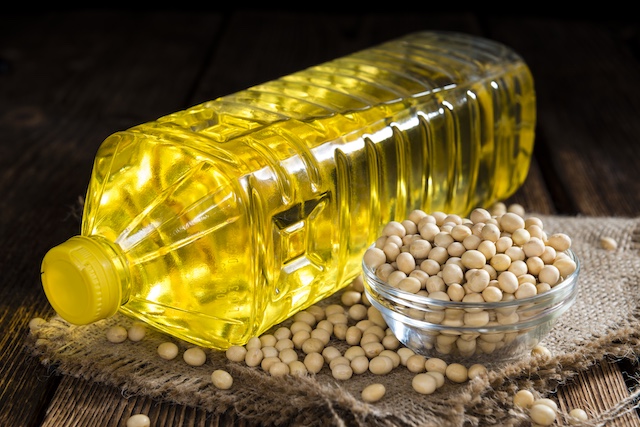
Mice Study Connects Soybean Oil Intake to Liver Changes and Obesity
Key Takeaways:
- New research in mice suggests that weight gain linked to soybean oil is driven by the metabolic products of linoleic acid rather than the oil itself.
- Genetically engineered mice resistant to obesity on a high-fat soybean oil diet produced fewer oxylipins and showed healthier liver function.
- Scientists believe differences in human genetics, enzyme levels, and metabolic stress may influence people’s susceptibility to soybean-oil-related metabolic effects.
A closer look at soybean oil and obesity
Soybean oil is the most widely consumed cooking oil in the United States and is a key ingredient in many processed foods. A growing body of research has associated high intake of soybean oil with weight gain in animals. A new study from the University of California, Riverside (UCR), published in the Journal of Lipid Research, provides fresh insight into why this may occur.
Researchers found that mice consuming a high-fat diet rich in soybean oil gained considerable weight. However, a separate group of genetically engineered mice did not, despite eating the same diet. These altered mice carried a slightly different version of a liver protein that affects the expression of hundreds of genes involved in fat metabolism.
The findings point toward a metabolic mechanism that may help explain differences in weight gain among individuals exposed to similar diets.
“This may be the first step toward understanding why some people gain weight more easily than others on a diet high in soybean oil,” said Sonia Deol, a UCR biomedical scientist and corresponding author of the study.
The role of HNF4α in fat metabolism
In humans, both forms of the liver protein known as HNF4α occur naturally. However, the alternative version typically appears only under certain conditions, such as chronic illness, prolonged fasting, metabolic stress, or alcoholic fatty liver disease. These variations, combined with factors such as age, sex, medication use, and underlying genetics, may influence how different people respond to high levels of soybean oil in their diet.
The UCR team believes that the altered form of HNF4α in genetically engineered mice changes how the body processes linoleic acid, a major fatty acid in soybean oil.
Building on earlier research
The study adds to previous findings from the same research group.
“We’ve known since our 2015 study that soybean oil is more obesogenic than coconut oil,” said Frances Sladek, a UCR professor of cell biology. “But now we have the clearest evidence yet that it’s not the oil itself, or even linoleic acid. It’s what the fat turns into inside the body.”
One of the major metabolic products of linoleic acid is a group of molecules called oxylipins. These compounds are associated with inflammation, fat accumulation, and other metabolic changes.
Oxylipins and their link to weight gain
Mice engineered to produce the alternative form of HNF4α showed markedly lower levels of oxylipins in their livers, despite consuming a high-fat soybean oil diet. They also had healthier liver profiles and enhanced mitochondrial function. Improved mitochondrial activity may help explain their resistance to weight gain.
Researchers pinpointed specific oxylipins derived from both linoleic acid and alpha-linolenic acid (another fatty acid found in soybean oil) that appeared necessary for weight gain in regular mice.
However, the picture is complex. Even though transgenic mice on a low-fat diet showed elevated oxylipin levels, they did not become obese. This suggests that while these molecules contribute to weight gain, they are unlikely to be the sole drivers. Other metabolic conditions must also play a role.
Genetic variation in enzyme levels
Further analysis revealed that the modified mice had far lower levels of two key enzyme families responsible for converting linoleic acid into oxylipins. These enzymes are highly conserved across all mammals, including humans, and can vary significantly from person to person based on factors such as genetics and diet.
The scientists also observed that oxylipin levels in the liver, rather than in the bloodstream, were correlated with body weight. This indicates that standard blood tests may not reliably detect early metabolic disturbances linked to diet.
Soybean oil’s rise in the American diet
Soybean oil consumption in the United States has risen dramatically over the past century. It has increased from around 2 percent of total daily calories to almost 10 percent. Although soybeans provide protein and the oil contains no cholesterol, modern diets deliver far greater quantities of linoleic acid than the body is likely evolved to manage.
In line with this, the UCR study found that soybean oil intake was associated with increased cholesterol levels in mice despite the oil containing no dietary cholesterol. This reflects the complex interplay between dietary fats and internal metabolic pathways.
Questions for future research
The team now aims to understand precisely how oxylipin formation leads to weight gain and whether oils with similarly high linoleic acid content – including corn, sunflower, and safflower oils – trigger comparable effects.
“Soybean oil isn’t inherently evil,” said Deol. “But the quantities in which we consume it is triggering pathways our bodies didn’t evolve to handle.”
Although the researchers have no plans for human trials, they hope the findings will inform future studies and guide public health policy.
“It took 100 years from the first observed link between chewing tobacco and cancer to get warning labels on cigarettes,” Sladek noted. “We hope it won’t take that long for society to recognise the link between excessive soybean oil consumption and negative health effects.”
Read More
Strawberries May Support Glucose Control and Reduce Inflammation in Prediabetes, Study Finds
Key Takeaways:
- Daily intake of freeze-dried strawberries for 12 weeks improved fasting glucose and reduced inflammation in adults with prediabetes.
- Antioxidant biomarkers including superoxide dismutase, glutathione, and β-carotene significantly increased during strawberry supplementation.
- Findings suggest strawberries could serve as a practical, food-based intervention to prevent progression to type 2 diabetes.
Strawberries and prediabetes: A promising link
A new randomised controlled trial published in Antioxidants has found that consuming freeze-dried strawberries (FDS) daily may help reduce fasting blood glucose and vascular inflammation in adults with prediabetes. The research also showed marked improvements in antioxidant status, highlighting the potential of strawberries as a simple dietary intervention for metabolic health.
The authors concluded that “strawberries may represent a practical dietary intervention that improves fasting glucose and strengthens antioxidant defence in adults with prediabetes.”
Understanding prediabetes and oxidative stress
Prediabetes represents a critical stage between normal glucose metabolism and type 2 diabetes mellitus (T2DM). It is characterised by mildly elevated blood glucose levels, which contribute to oxidative stress and low-grade inflammation.
High glucose levels increase reactive oxygen species (ROS), impairing insulin function and damaging pancreatic β-cells. Proinflammatory cytokines such as tumour necrosis factor-alpha (TNF-α) further aggravate insulin resistance by interfering with glucose uptake and triggering inflammatory pathways. Over time, these effects contribute to vascular dysfunction and atherosclerosis through increased endothelial adhesion molecules and reduced antioxidant enzyme activity.
Dietary antioxidants – including vitamins, polyphenols, and carotenoids – can neutralise oxidative stress. However, studies using supplements have produced inconsistent results due to differences in absorption and bioavailability. Evidence from clinical trials and meta-analyses indicates that plant-based antioxidants can improve total antioxidant capacity and glycaemic outcomes in people with prediabetes or T2DM.
Berries, particularly strawberries, are rich in polyphenols such as anthocyanins and ellagic acid, which are known to enhance antioxidant enzyme activity and improve insulin sensitivity. Previous studies using FDS have already shown benefits for inflammation and oxidative stress in metabolic disorders, providing a foundation for this new research.
Study design and methodology
Researchers at the University of Nevada, Las Vegas, conducted a 28-week randomised controlled crossover trial involving 25 adults who met the American Diabetes Association’s diagnostic criteria for prediabetes.
Each participant completed two 12-week phases: one with daily FDS intake and another control period without strawberries, separated by a four-week washout. Participants were randomly assigned to begin with either the FDS or control phase.
During the intervention, participants consumed 32 grams of FDS powder per day – equivalent to roughly 2.5 servings of fresh strawberries – containing dietary fibre, polyphenols, flavonols, and anthocyanins. They were instructed to maintain their usual diet and physical activity throughout the trial.
Compliance was carefully monitored using dietary logs, returned powder packets, and plasma ellagic acid levels. Blood samples were collected at baseline, 12, 16, and 28 weeks to measure fasting glucose, antioxidant enzyme activity, total antioxidant capacity, and vascular adhesion molecules using standardised assays. Carotenoid levels were analysed via high-performance liquid chromatography (HPLC).
A mixed-model analysis of variance (ANOVA) was used to evaluate treatment effects while accounting for treatment period, randomisation order, age, sex, fasting glucose, and baseline values. Power analysis confirmed the study was adequately powered to detect meaningful changes in metabolic and antioxidant markers.
Improvements in antioxidant and metabolic markers
Results showed high adherence rates, with more than 85% compliance confirmed by elevated plasma ellagic acid during the FDS phase.
Compared with the control period, strawberry supplementation produced significant improvements in several antioxidant biomarkers, including superoxide dismutase, glutathione (GSH), total antioxidant capacity (AC), and β-carotene. No significant changes were observed in catalase, glutathione reductase, glutathione peroxidase, or α-carotene.
Fasting blood glucose levels also decreased significantly during the FDS period, indicating better glycaemic control. Moreover, markers of vascular inflammation – particularly intercellular adhesion molecule (ICAM) and vascular cell adhesion molecule (VCAM) – were notably reduced. Levels of P-selectin and E-selectin remained unchanged.
Correlation analyses revealed modest inverse relationships between ICAM and GSH, AC, and β-carotene, and between VCAM and AC, suggesting that stronger antioxidant status was associated with reduced vascular inflammation.
Only minor side effects were reported, such as mild gastrointestinal discomfort and headaches.
Implications and limitations
The findings suggest that incorporating strawberries into the diet could help strengthen antioxidant defences, lower inflammation, and improve fasting glucose regulation in people with prediabetes. These benefits may be linked to polyphenols enhancing glutathione synthesis and superoxide dismutase activity, alongside carotenoids and anthocyanins reducing oxidative stress and endothelial dysfunction.
The study’s strengths include its randomised crossover design, objective biomarker measurements, and the use of a realistic dietary dose of strawberries. However, the relatively small and predominantly female sample, the absence of a placebo control drink, lack of participant blinding, and single-site recruitment limit the generalisability of results.
The study was funded by the California Strawberry Commission.
A food-based approach to diabetes prevention
In summary, consuming a daily portion of freeze-dried strawberries for 12 weeks led to measurable improvements in antioxidant capacity, fasting glucose, and vascular inflammation among adults with prediabetes.
While further research in larger, more diverse populations is needed, these results point to strawberries as a simple, accessible dietary strategy that could help prevent the progression from prediabetes to type 2 diabetes in everyday clinical and public health settings.
CCH insights
It is great to have research that shows health benefits from eating strawberries, because nearly everyone loves strawberries and there aren’t many foods that are extremely popular and good for us. However, the amount of freeze-dried strawberries consumed in this study would set you back about £20 per week – not a huge amount, but during a cost-of-living crisis might not be feasible for many people. This study was, unsurprisingly, funded by the California Strawberry Commission, and it begs the question whether eating other berries or certain other foods might not have a similar effect – but credit to the strawberry industry for making the effort to do the research.
Read More
Green Tea Shows Significant Benefits for Glucose Metabolism and Muscle Health in Mice with Obesity
Key Takeaways:
- Green tea extract significantly improved insulin sensitivity, glucose tolerance, and muscle preservation in mice with obesity, even when they continued consuming a high-calorie diet.
- The study controlled for temperature effects, providing clearer evidence that green tea’s metabolic benefits are independent of cold-induced energy expenditure.
- Findings suggest a potential role for green tea as a safe, accessible adjunct to obesity treatment in humans, though exact dosing for people remains to be established.
Ancient beverage, modern research
Green tea, long valued for its medicinal and antioxidant properties, continues to attract scientific interest for its impact on metabolic diseases such as obesity and type 2 diabetes. A recent study led by Professor Rosemari Otton from the Interdisciplinary Graduate Programme in Health Sciences at Cruzeiro do Sul University in São Paulo, Brazil, offers new insights into how green tea affects metabolism.
Otton, who has dedicated over 15 years to the study of green tea, explained that her initial curiosity stemmed from the popular belief that green tea promotes weight loss. The findings of her latest research, published in Cell Biochemistry & Function, reinforce the potential of green tea as a therapeutic adjunct in managing obesity.
Study design and green tea administration
The research team first fed mice a high-calorie diet for four weeks, including both a fat-rich diet and a “cafeteria diet” to replicate a Western-style eating pattern. “We give them chocolate, filled cookies, dulce de leche, condensed milk… In other words, the same type of food that many people consume on a daily basis,” said Otton.
After this induction phase, the mice continued on the high-calorie diet for 12 weeks, with some receiving a standardised green tea extract at 500mg per kilogram of body weight via intragastric gavage. This method ensured precise dosing. “If we put it in water, for example, we’d have no way of knowing how much the animal actually ingested,” Otton explained.
For humans, this dose would equate to approximately 3 grams of green tea daily — roughly three cups. However, Otton cautioned that not all commercial products meet required standards:
“Ready-made tea bags do not always guarantee the quantity or quality of the compounds. The ideal for consumption would be to use standardised green tea extract, like those found in compounding pharmacies. This is a concentrated way of using the plant, with a guarantee of the presence of flavonoids, which are the health-beneficial compounds present in the green tea plant.”
Controlled conditions for reliable results
A distinctive feature of the study was the use of a thermoneutral environment at 28°C, eliminating confounding effects caused by chronic cold exposure. Mice are typically kept at around 22°C in animal facilities, a temperature that triggers energy expenditure to maintain body heat.
“Excessive cold activates compensatory regulatory mechanisms in the animals’ bodies, causing them to expend more energy to stay warm. This can mask the real effects of any substance,” Otton explained. “By maintaining thermoneutrality, we were able to see the effects of green tea in a ‘clean’ way, without environmental interference.”
A previous study published in European Journal of Nutrition (August 2022) found that obese mice treated with green tea lost up to 30% of their body weight — a reduction Otton described as highly significant:
“If a person loses 5% to 10% of their body weight, that’s already a lot. So this result in animals is very significant.”
Preservation of muscle health
One of the most striking findings of the latest study was the preservation of muscle fibre morphology. Obesity often leads to a reduction in muscle fibre diameter, but green tea helped maintain muscle structure.
“One way to assess muscle function is to look at fibre diameter. If it increases, we have more active muscle components. Green tea managed to maintain this diameter, showing that it protects muscle against the harmful effects of obesity,” Otton said.
Genetic and metabolic insights
The study also explored gene expression related to glucose metabolism. Green tea treatment enhanced the expression of genes such as Insr, Irs1, Glut4, Hk1, and Pi3k, all of which play a role in glucose uptake and utilisation in muscle tissue. Additionally, the activity of lactate dehydrogenase (LDH), an enzyme vital for glucose metabolism, was restored.
Otton noted that green tea appeared to have a selective effect:
“It makes obese animals lose weight but keeps lean animals at a balanced weight. This shows that the tea seems to need an environment with excess nutrients to act, which supports the hypothesis that it acts directly on fat cells.”
Synergy of bioactive compounds
Green tea contains dozens of bioactive compounds, and attempts to isolate them have proven less effective than using the whole extract.
“We’ve tried to separate these compounds and study their effects individually, but the whole extract is always more effective. There’s a synergy between the compounds that we can’t reproduce when they’re isolated,” Otton explained.
One mechanism under investigation involves adiponectin, a protein secreted by fat cells that regulates inflammation and metabolism. In mice genetically modified to lack adiponectin, green tea showed no effect — pointing to adiponectin as a key mediator of its benefits.
Translating findings to human health
Despite these promising findings, Otton cautioned that safe and effective doses for humans have yet to be established, owing to variability in extracts and individual responses. She stressed the importance of long-term, habitual consumption rather than expecting rapid results:
“The ideal is chronic consumption, as we see in Asian countries. In Japan, for example, people consume green tea every day, throughout their lives, and obesity rates are low. But this is different from drinking tea for five months and expecting a miraculous weight loss effect.”
Otton also emphasised the importance of accessible and safe treatment options:
“The idea is to have safe, natural, effective, and high-quality compounds. The Camellia sinensis plant offers this. We’re still studying all the compounds involved, but there’s no doubt that green tea, as a plant matrix rich in flavonoids, has important therapeutic potential.”
The road ahead
Finally, Otton underscored the need for caution when translating animal research to clinical practice:
“What we see in animals doesn’t always reproduce in humans. But if we want to make this translation to real life, we need to think about all the details, such as ambient temperature. It’s these precautions that increase the validity of our data. We’re far from having all the answers, but we’re getting closer and closer.”
Read More