

Gut Microbes Shape How Many Calories We Really Absorb, New Model Suggests
Key Takeaways:
- Researchers at Arizona State University have developed a mathematical model, DAMM, that links human digestion with gut microbial metabolism to estimate how much energy the body actually absorbs from food.
- In a controlled diet study, people following a typical Western diet absorbed approximately 116 more calories per day than those following a high-fibre “microbiome-enhancer” diet, and participants on the higher-fibre plan did not report feeling hungrier.
- Short-chain fatty acids produced by gut bacteria supplied an average of around 140 calories per day, roughly 7.4% of total usable energy, a contribution that conventional food-label calculations do not explicitly measure.
Rethinking the number on the label
The calorie count printed on food packaging might appear to be a simple measure of how much energy a person will gain from eating it. However, that figure does not necessarily reflect the calories the body actually absorbs. One reason for this is that digestion involves far more than the breakdown of food by the body alone – it also relies on the trillions of microorganisms living within the digestive system.
Researchers at Arizona State University (ASU) have developed a mathematical model to explore this often overlooked aspect of digestion. Known as DAMM, short for digestion, absorption and microbial metabolism, the model tracks how food moves through the digestive tract, how much energy the body absorbs directly, and how gut microbes process whatever remains. It also estimates which products of digestion are absorbed and which leave the body as waste.
By accounting for the relationship between diet, human digestion and gut bacteria, the researchers hope to improve understanding of obesity, diabetes and other metabolic disorders. With further development, the approach could eventually help healthcare professionals design diets tailored to individual patients.
“Digestion is not just a human process – it is a collaboration between our bodies and trillions of microbes living in the gut,” said Professor Rosa Krajmalnik-Brown. “DAMM gives us a powerful new way to quantify how those microbial partners contribute to human health and energy balance, and also point at the importance of properly feeding our gut microbes.”
Professor Krajmalnik-Brown is director of ASU’s Biodesign Center for Health Through Microbiomes and a professor in the university’s School of Sustainable Engineering and the Built Environment.
The research team also included ASU Professor Bruce Rittmann, director of the Biodesign Swette Center for Environmental Biotechnology and a Regents Professor of environmental engineering, alongside first author Taylor Davis, an ASU graduate research assistant. Scientists at the AdventHealth Translational Research Institute in Orlando, Florida, also collaborated on the project.
The findings were published in PLOS One.
Why traditional calorie counts miss part of the picture
For more than 100 years, scientists have relied on a system based on Atwater parameters to estimate how much energy people can obtain from food. This method assigns average calorie values to each gram of fat, carbohydrate and protein, and then uses those values to calculate the total energy available.
While this approach is practical and widely used, it cannot fully explain what happens during digestion. In particular, it does not account for how different foods nourish gut bacteria, or how those bacteria transform undigested material into substances the body can use for energy.
Short-chain fatty acids offer an important example. These compounds are produced when microbes in the colon break down fibre and other food components that pass through the upper digestive tract without being absorbed. Some of these fatty acids can then enter the bloodstream and provide additional calories.
To better understand these interactions, the researchers built on an earlier controlled diet study that investigated how the gut microbiome influences human energy balance. The gut microbiome refers to the vast community of bacteria and other microorganisms that inhabit the digestive system.
A high-fibre diet led to 116 fewer calories absorbed per day
In the clinical study, healthy adults followed one of two carefully designed eating plans. The first was a microbiome-enhancer diet containing substantial amounts of fibre and resistant starch, made up of less processed foods and foods with a larger particle size. Resistant starch is a type of carbohydrate that escapes much of the usual digestion in the small intestine, allowing it to reach the colon, where microbes can break it down.
The second eating plan resembled a typical Western diet, with lower amounts of fibre and resistant starch, made up of more processed foods with a smaller particle size.
Although both diets were designed specifically for the study, participants absorbed noticeably different amounts of energy. Those following the Western diet absorbed approximately 116 more calories per day than those following the fibre-rich diet.
Perhaps just as notably, participants following the higher-fibre eating plan did not report feeling hungrier.
The findings suggest that the amount of energy people obtain from food depends partly on its composition and on how it moves through the digestive system. Differences in food processing, fibre content and microbial activity can all influence the final outcome.
For healthcare professionals supporting patients with their diet and weight, findings such as these highlight how food quality and composition – not just calorie totals – may shape energy balance. Understanding the evidence behind nutritional advice is a central theme of The College of Contemporary Health’s Nutrition & Weight Management Essentials CPD course, which supports clinicians in applying nutrition science to everyday practice.
“What is truly unique about the DAMM model is that it quantitatively links human metabolism to the metabolism of the microorganisms in the colon in a way that matches the results from the clinical study and provides fundamental insight into how the microbial community works in partnership with the human host,” Professor Rittmann said.
Gut bacteria can supply about 140 calories a day
The DAMM model offers a more detailed way of following the energy contained in food from the moment it enters the digestive system.
First, it examines the protein, carbohydrate and fat content of a person’s diet and estimates how much usable energy is absorbed in the upper gastrointestinal tract.
It then tracks the remaining material as it moves into the colon. Here, gut microbes break down nutrients that escaped earlier digestion, producing compounds such as short-chain fatty acids. The body can absorb some of these compounds through the colon and use them as an additional source of energy.
The model also accounts for methane production by certain microorganisms known as methanogens, which generate methane as part of their metabolism.
According to the researchers’ calculations, short-chain fatty acids absorbed from the colon supplied an average of approximately 140 calories per day. This represents around 7.4% of the total usable energy obtained from food.
More broadly, the model estimated that roughly 85% of usable energy came from the upper gastrointestinal tract, while approximately 15% came from the lower gastrointestinal tract, where microbes play a particularly important role.
These findings highlight why traditional calorie calculations cannot fully describe human digestion. A meaningful share of the energy available to the body is influenced by microbial processes that conventional food-label calculations do not explicitly measure.
DAMM outperformed the conventional approach
When the team compared DAMM’s predictions with actual measurements from the controlled diet study, the model produced estimates that were closer to the observed calorie absorption than those generated using the conventional Atwater approach.
The older method generally underestimated how many calories participants absorbed. By incorporating microbial metabolism, DAMM provided a more accurate estimate of the energy obtained from the different diets.
How fibre changes the calorie equation
One of the model’s most revealing features is its ability to account for differences between diets.
The microbiome-enhancer diet delivered more fibre and other fermentable material to the colon. This gave gut microbes additional substances to break down, increasing their production of short-chain fatty acids.
DAMM predicted this increase, consistent with the pattern observed in the controlled clinical trial. Participants following the microbiome-enhancer diet had higher levels of short-chain fatty acids in measurements taken from their blood serum and faeces.
These compounds are significant because they illustrate how closely microbial activity and human metabolism are connected. Gut bacteria can transform food components that would otherwise pass straight through the digestive system into molecules the body can absorb and use for energy.
However, producing more of these compounds does not necessarily mean absorbing more calories overall.
In fact, participants following the microbiome-enhancer diet absorbed fewer net calories than those following the Western diet, even though the higher-fibre diet supported greater microbial activity and increased short-chain fatty acid production.
This apparent contradiction becomes easier to understand when the different stages of digestion are examined separately. Although gut microbes can generate additional usable energy, the amount absorbed directly from food in the upper digestive tract also matters.
DAMM helps researchers distinguish between these contributions. It estimates how much energy the body extracts before food reaches the colon, how much energy microbes produce from the remaining material, and how much is ultimately absorbed or eliminated.
Towards more personalised diets and better nutrition
By bringing human digestion and microbial metabolism together within a single mathematical framework, the researchers have created a tool that could help explain why different diets have different effects on the body’s energy balance.
The approach may eventually improve scientific understanding of how diet influences obesity, diabetes and other metabolic conditions. It also raises the possibility of designing nutrition plans that consider not only the nutrients in food, but also how those nutrients interact with the microbes living in each person’s gut.
For now, the model provides a research framework rather than a ready-to-use method for prescribing personalised diets. Further studies will be needed to determine how well it performs across different populations, eating patterns and microbiome compositions.
The researchers also expect the model to become more sophisticated as scientists uncover further detail about how microorganisms and the human body exchange nutrients and energy.
“The DAMM model is more than just a tool for characterizing diet,” Davis said. “It’s a framework designed to evolve. As we discover more on how diet, metabolism and the microbes interact, the new insights can be incorporated into the model, allowing it to grow with us as we learn.”
CCH insight
Research like the DAMM model shows that the conversation around diet and weight is moving beyond simple calorie counting towards a fuller understanding of food composition, fibre and the gut microbiome. If you support patients with nutrition and weight management, our Nutrition & Weight Management Essentials CPD course can help you translate emerging evidence into confident, practical advice.
Explore Nutrition & Weight Management Essentials →
Source: PLOS One
Read More
Diet Drinks Match Water for Long-Term Weight Loss in Landmark Two-Year Trial
Key Takeaways:
- The SWITCH trial, described by its authors as the longest and most comprehensive randomised controlled trial of non-nutritive sweetened (NNS) soft drinks to date, found that diet drinks performed similarly to water for weight loss and weight maintenance over 104 weeks.
- Among 493 adults living with overweight or obesity, weight loss was comparable between groups (4.8 kg in the NNS beverage group vs 3.7 kg in the water group), with no clinically meaningful differences in blood pressure, cholesterol or other metabolic measures.
- The findings challenge concerns that sweeteners disrupt appetite or cause long-term metabolic harm and may help inform future World Health Organization (WHO) guidance on non-sugar sweeteners.
A long-term look at diet drinks and weight management
Researchers at the University of Liverpool have completed what they describe as the longest and most comprehensive randomised controlled trial to date examining non-nutritive sweetened (NNS) soft drinks.
Non-nutritive sweeteners are low-calorie or calorie-free sugar substitutes commonly used in foods and beverages. The 104-week study found that NNS beverages, including diet soft drinks, performed similarly to water when it came to long-term weight management.
The peer-reviewed research was led by Professor Jo Harrold, Dean of Psychology at the University of Liverpool, alongside Professor Jason Halford, Professor of Biological Psychology & Health Behaviours at the University of Leeds (formerly of the University of Liverpool). The study was funded by the American Beverage Association. According to the researchers, the study team operated independently from the funder and retained full control over the analysis and reporting of the results.
Diet drinks compared with water over two years
The findings, published in the British Journal of Nutrition, provide long-term clinical evidence on beverages containing three commonly used sweeteners: aspartame, acesulfame potassium (acesulfame-K) and sucralose. Researchers found that these drinks were comparable to water in supporting both weight loss and long-term weight maintenance.
The SWITCH trial included 493 adults living with overweight or obesity who took part in a structured behavioural weight management programme. Participants were randomly assigned to drink either water or commercially available diet beverages each day. The amounts of sweeteners consumed remained well within established European Food Safety Authority (EFSA) safety thresholds.
Overall, the results did not support concerns that NNS beverages interfere with appetite regulation or cause long-term metabolic harm.
Weight loss and metabolic health outcomes
The trial reported several key findings across the two-year period:
- Comparable weight loss: after 104 weeks, weight loss was similar between the NNS beverage group and the water group (−4.8 kg vs −3.7 kg), with the difference not statistically significant.
- Sustained results: both groups maintained their weight reductions across the full two-year study, including during the final year, when participants no longer received assistance.
- Body measurements and composition: participants in both groups experienced reductions in waist and hip circumference, along with improvements in body composition and several metabolic biomarkers.
- No meaningful metabolic differences: researchers found no clinically meaningful differences in measures such as blood pressure and cholesterol linked to long-term consumption of aspartame, acesulfame-K or sucralose compared with water.
- Reduced sugar intake: sugar intake fell in both groups, with a slightly larger reduction among participants drinking NNS beverages.
For healthcare professionals supporting people with weight management, these findings reinforce the value of practical, evidence-based dietary swaps within a structured programme. Clinicians looking to strengthen their confidence in this area may find The College of Contemporary Health’s Nutrition & Weight Management Essentials CPD course a useful way to build their knowledge of dietary approaches to weight management.
Findings add to the sweetener debate
The results are relevant to recent WHO guidance advising against the use of non-sugar sweeteners for weight control, which was issued because of uncertainty in observational research. The SWITCH trial adds long-term randomised controlled evidence that may help inform future global recommendations.
Professor Joanne Harrold said: “The University of Liverpool is one of the UK’s leading research-intensive higher education institutions, with a key focus on public health. These latest findings show that concerns about sweeteners disrupting appetite or causing weight gain are not supported when tested in a rigorous, long-term randomized trial. We hope this evidence informs future WHO guidance and public health policy.”
How the SWITCH trial was designed
The effectS of non-nutritive sWeetened beverages on appetITe during aCtive weigHt loss (SWITCH) trial was developed to address two related questions: how reducing dietary sugar might affect weight management, and whether replacing sugar with non-nutritive sweeteners changes appetite regulation. The newly published results build on earlier findings reported in the International Journal of Obesity in 2023.
Professor Jason Halford, of the University of Leeds and the University of Liverpool, concluded: “This study provides the long-term clinical evidence that has been missing from international discussions. For people trying to manage their weight, non-nutritive sweetened beverages offer an effective alternative to sugar-sweetened drinks – and perform equivalently to water over two years.”
The paper, ‘Effect of non-nutritive sweetened beverages versus water on body weight: long-term results of a randomised controlled trial’, was published in the British Journal of Nutrition.
CCH insight
Supporting people to make sustainable dietary changes is central to effective weight management. Our Nutrition & Weight Management Essentials CPD course helps healthcare professionals apply current evidence on nutrition and weight management in everyday practice.
Explore Nutrition & Weight Management Essentials →
Source: British Journal of Nutrition
Read More
GLP-1 Medications Linked to Nutritional Deficiencies in Children and Young People, Study Finds
Key Takeaways:
- Nearly one in six children and young people (16.8%) prescribed GLP-1 medications for weight loss, prediabetes or type 2 diabetes were diagnosed with a nutritional deficiency within the first year of treatment, with vitamin D deficiency the most common (12.4%).
- Only 5% of patients received nutritional counselling within 30 days of starting a GLP-1 medication, and fewer than 25% received it within six months.
- Researchers are calling for proactive nutritional management from the outset of GLP-1 treatment in children, rather than waiting until a deficiency is diagnosed.
Nutritional risks during a critical stage of development
Children and young people prescribed GLP-1 medications for weight loss, prediabetes or type 2 diabetes are at risk of developing nutritional deficiencies, according to new research from scientists at Northwestern University and Ann & Robert H. Lurie Children’s Hospital of Chicago. The study found that nutritional deficiencies were diagnosed in nearly one in six patients (16.8%) within the first year of treatment.
Vitamin D deficiency was the most frequently identified, affecting 12.4% of children within one year of starting GLP-1 treatment.
The findings were recently published in the journal Childhood Obesity, in a study titled “Nutritional Deficiencies, Complications, and Nutrition Therapy/Counseling in Pediatric Patients Using GLP-1 Receptor Agonists.”
Why adolescence matters
The study’s senior author, Justin Ryder, associate professor of surgery and paediatrics at Northwestern University Feinberg School of Medicine and vice chair of research for the department of surgery at Lurie Children’s, emphasised the importance of understanding these risks as GLP-1 use in younger patients grows.
“As appropriate pediatric use of GLP-1s becomes more widespread, we need to understand the risks during periods of rapid growth and pubertal development,” said Ryder. “Nutrients such as vitamin D, iron and calcium are of particular concern during adolescence, when deficiencies may have lasting implications for skeletal health and overall development.”
A significant gap in nutritional support
Despite these risks, the research revealed that very few children received nutritional support after beginning treatment.
“Nutritional support needs to play a critical role once treatment with a GLP-1 medication is initiated,” he said. “In our study, however, we found that only 5% of patients received nutritional counseling within 30 days of GLP-1 treatment and less than 25% received nutritional counseling within 6 months.”
The gap highlights the need for healthcare professionals working with children and young people living with obesity to consider nutrition as an integral part of care from the moment treatment begins. Clinicians looking to strengthen their understanding in this area may find structured training, such as The College of Contemporary Health’s Childhood Obesity Essentials course, a valuable way to build confidence in supporting this patient group.
How the study was conducted
The researchers analysed national administrative claims data from 2017 to 2022, covering more than 100 million patients. From this dataset, they identified 2,031 young people aged 10–17 years who were using GLP-1 medications, met continuous enrolment criteria and had no prior diagnosis of a nutritional deficiency.
Within this sample, the most commonly prescribed GLP-1 medications were:
- Liraglutide (78.6%)
- Dulaglutide (10.4%)
- Semaglutide (9.1%)
A call for proactive nutritional management
The research team hopes the findings will encourage a shift towards preventive nutritional care for children and young people receiving GLP-1 treatment.
“We hope that our study findings bring much-needed recognition to the importance of proactive nutritional management when GLP-1s are prescribed to children, as opposed to waiting until a nutritional deficiency is diagnosed,” Ryder said. “Knowing the risks, we are in a much better position to prevent harm to children treated with GLP-1s during a pivotal period in their lives.”
Funding for the study was provided by Abbott.
CCH insight
As GLP-1 medications become more widely used in younger patients, healthcare professionals need the knowledge and skills to support children and young people living with obesity safely and holistically, including their nutritional needs during growth and development. Our Childhood Obesity Essentials CPD course is designed to help clinicians deliver confident, evidence-informed care for this patient group.
Explore Childhood Obesity Essentials and enrol today →
Source: Northwestern University
Read More
Maternal Fruit and Vegetable Intake Linked to Lower Childhood Obesity Risk
Key Takeaways:
- Higher maternal fruit and vegetable intake during pregnancy was associated with lower odds of overweight or obesity in children at four years of age.
- Commercial fruit juice intake was linked to higher odds of these outcomes, though the authors classed this as exploratory. Natural and total juice showed no association.
- The study was observational and relatively small, so it cannot establish cause and effect.
Why prenatal nutrition is under the spotlight
Maternal diet shapes offspring development from the earliest stages of gestation. A recent study published in the journal Nutrients reports that higher maternal fruit and vegetable intake during pregnancy was associated with lower odds of overweight or obesity in children at four years of age. In contrast, overweight and obesity were more common among children whose mothers reported higher intakes of commercial fruit juices, though not natural fruit juices. The authors were careful to frame this second result as exploratory.
Childhood obesity has risen steadily across the world over recent decades, and Spain records the second-highest prevalence among European nations. The associations between paediatric obesity and a range of adverse physical and psychosocial outcomes are well documented in the literature.
That trajectory has prompted growing interest in preventive strategies that begin before birth. Maternal diet during pregnancy is considered particularly influential because it helps determine the intrauterine environment and may shape fetal metabolic programming, with potential consequences for the child’s long-term risk of obesity.
Greater adherence to healthy dietary patterns in pregnancy has been associated with improved growth, reduced adiposity and a lower risk of childhood overweight and obesity. Such patterns are characteristically high in fruit and vegetable consumption. These foods deliver an abundance of essential vitamins, minerals, dietary fibre and bioactive compounds with antioxidant and anti-inflammatory properties.
There is also a postnatal dimension. Maternal dietary habits often persist after childbirth and may influence a child’s developing food preferences and consumption patterns through mechanisms such as parental modelling and early exposure to a wide range of flavours.
What was already known, and what was missing
Previous studies examining maternal fruit and vegetable (FV) consumption during pregnancy have focused largely on birth weight and infant growth up to six months of age. Fruit juice consumption during pregnancy has been linked inconsistently to offspring adiposity or overweight, and earlier work did not distinguish between natural and commercial fruit juices.
To the authors’ knowledge, no prospective study had comprehensively examined maternal consumption of fruit and vegetables alongside different types of fruit juice in relation to childhood overweight and obesity. The current study set out to examine these associations in children up to four years of age.
Study characteristics
The researchers drew on data from the ECLIPSES trial, a community-based study conducted in Spain. All participants were healthy pregnant women aged at least 18 years, with a gestational age of 12 weeks or less at recruitment.
This observational analysis included 252 women from the trial who had provided dietary data via a food frequency questionnaire at 12, 24 and 36 weeks of pregnancy, together with information on the overweight or obesity status of their four-year-old children born from the index pregnancy.
Participants included in this analysis had higher educational attainment and were older than those who were not included. Within the sample, 24.6% of children were living with overweight or obesity.
Average maternal intakes were approximately 119 g/day for fruit and 74.5 g/day for vegetables. Fruit juice consumption averaged 105 g/day, with natural fruit juice accounting for 55% of that total.
Findings: fruit and vegetables
Greater maternal fruit and vegetable intake was inversely associated with overweight or obesity in the offspring when the highest tertile of intake was compared with the lowest. However, when fruit and vegetables were examined separately, neither showed an independent association with the children’s weight outcomes.
Findings: fruit juice
Neither total nor natural fruit juice consumption was associated with overweight or obesity in the offspring. Commercial fruit juice intake, by contrast, was linked with higher odds of these outcomes. The authors treated this as an exploratory finding, because multiple correlated dietary exposures and comparisons were evaluated.
It is important to note how the category was defined. “Commercial fruit juice” was a broad grouping that encompassed all commercially produced or packaged juices regardless of added sugar, including 100% packaged juice, juice from concentrate, nectars and fruit drinks. These subtypes were not analysed separately.
Sensitivity analyses produced broadly similar estimates to the primary results. None of the associations reached statistical significance when intake was modelled continuously in 100 g/day increments, and no evidence of departure from linearity was observed.
Biological pathways the authors propose
These findings add to a growing body of evidence suggesting that maternal diet in pregnancy may influence offspring health. The authors postulate that the rich antioxidant and anti-inflammatory content of fruit and vegetables, stemming from multiple bioactive compounds, may reduce oxidative stress and systemic inflammation while helping to regulate metabolic pathways.
The abundant dietary fibre in fruit and vegetables, coupled with their typically low glycaemic load, may also support glucose regulation during pregnancy. The authors are explicit that these mechanisms are biologically plausible but cannot be proved by the findings of the current study.
The role of family eating patterns after birth
Postnatal family eating patterns may also help explain the observed relationship. Relevant factors include a child’s exposure to fruit and vegetables in early childhood, the home food environment and parental example. Previous studies have reported higher fruit and vegetable intake in early childhood where maternal diet during pregnancy was of higher quality.
This hypothesis could not be tested in the present analysis, as the children’s dietary intake was not followed up and no information on the home food environment was available.
Why commercial juice may behave differently
The authors offer several possible explanations for the association between maternal commercial fruit juice consumption in pregnancy and overweight or obesity in childhood. A previous compositional analysis cited by the authors reported higher sucrose and total carbohydrate contents in commercially available juices than in natural juices. Prenatal exposure to sweet flavours may also influence the development of taste preferences for sweet foods after birth.
In addition, commercial fruit juice consumption during pregnancy might act as a marker of a broader family lifestyle pattern that affects a child’s risk of obesity. As with the proposed biological mechanisms, none of these hypotheses were tested in the study.
For practitioners working with families in this space, the interplay between prenatal nutrition, the early home food environment and later weight trajectories is precisely the territory covered by The College of Contemporary Health’s CPD short course Childhood Obesity Essentials, which supports clinicians in translating this kind of evidence into everyday practice.
Limitations
The observational nature of the study precludes causal inference. Residual confounding from maternal, family and postnatal infant or child factors also remains possible.
The results were not adjusted for gestational diabetes, paternal BMI, family socioeconomic status, or the child’s dietary and physical activity profile. Longitudinal data on the children’s dietary intake up to age four were unavailable.
A high rate of loss to follow-up from initial recruitment produced notable differences in maternal age and educational level between the initial and final samples, which may have introduced selection bias. Self-reported dietary intake is a further potential source of error.
The relatively small number of overweight and obesity cases increased the risk of statistical overfitting, and the multiple correlated dietary comparisons mean that chance findings cannot be ruled out, particularly in relation to commercial fruit juice.
Finally, the findings may not be generalisable to other populations.
Conclusion
The study found that higher maternal fruit and vegetable consumption was associated with lower odds of overweight and obesity in children at four years of age. An exploratory analysis further suggested that higher maternal consumption of commercial fruit juice was associated with higher odds of these outcomes.
Given the observational design, the study cannot establish causality and should not be taken as support for specific dietary interventions. Future research should follow up children within larger cohorts while adjusting for the wider range of maternal, family and child-related factors that could shape this association. The underlying pathways also remain to be elucidated.
CCH insight
Evidence on early-life determinants of weight is developing quickly, and the practical questions it raises – how to discuss nutrition in pregnancy, how to support families without stigma, and how to use people-first language with confidence – arrive in clinic long before the science is settled.
Childhood Obesity Essentials is a CPD short course from The College of Contemporary Health designed for healthcare professionals who support children, young people and their families. It offers a grounding in the contemporary evidence base and the communication skills needed to apply it sensitively.
Explore Childhood Obesity Essentials →
Read More
Blueberry Compound Helps Muscle Cells Burn Stored Fat by Protecting a Key Protein
Key Takeaways:
- Researchers in Japan have identified pterostilbene, a polyphenol found in blueberries, grapes and other berries, as a dietary compound that reduces abnormal fat accumulation inside cultured skeletal muscle cells.
- The compound works through an unexpected route: rather than switching on the fat-burning receptor PPARδ directly, it protects the PPARδ protein from being broken down, leaving more of it available inside the cell.
- The findings are currently limited to molecular experiments in cultured mouse muscle cells, so they do not yet show that pterostilbene can prevent or treat metabolic conditions in animals or in people.
Why fat inside muscle matters
Excess fat stored inside skeletal muscle has become an important metabolic health concern. This type of fat buildup can be encouraged by high-fat diets, physical inactivity and ageing – three factors that are widespread in contemporary populations and that often occur together.
Crucially, fat held within muscle behaves differently from fat stored under the skin. Lipid droplets that accumulate inside muscle cells can interfere with normal muscle function and make it harder for the body to use glucose and fatty acids efficiently. Over time, this reduced metabolic flexibility can contribute to insulin resistance.
That connection is what makes fat inside muscle, known clinically as myosteatosis, more than a question of body composition. Finding ways to limit excess fat inside skeletal muscle could be important for supporting healthy ageing and reducing the risk of lifestyle-related disease.
One pathway plays a particularly important role in this process: peroxisome proliferator-activated receptor δ, usually shortened to PPARδ. When PPARδ signalling is active, it promotes fatty acid oxidation and helps limit the accumulation of lipids inside cells. In other words, an active PPARδ pathway pushes muscle cells towards using fat as fuel rather than storing it.
That has made PPARδ an attractive target. Researchers have become increasingly interested in food-derived bioactive compounds that may influence this pathway, but exactly how these substances affect PPARδ has remained unclear – a gap that limits how confidently any such compound can be developed into a practical intervention.
A berry compound targets muscle fat metabolism
A research team in Japan led by Associate Professor Takakazu Mitani of Shinshu University has now identified pterostilbene as a natural dietary compound that can stabilise PPARδ and influence fat metabolism inside muscle cells.
Pterostilbene is a naturally occurring polyphenol found in blueberries, grapes and other berries. Previous research has linked the compound to beneficial metabolic effects in the liver and in adipose tissue, but scientists knew much less about how it might affect skeletal muscle. The new findings were published in Volume 83 of the journal Food Bioscience on 1 September 2026.
The team’s starting point was a therapeutic gap rather than a specific molecule.
“We currently lack approved treatments specifically targeting myosteatosis,” says Dr Mitani. “This critical gap led our team to screen food-derived compounds for natural, dietary interventions. During the screening, we identified pterostilbene and focused our investigation on uncovering its precise mechanism of action.”
Screening food compounds for fat reduction
To investigate potential natural approaches, the researchers tested a collection of food-derived phytochemicals using cultured C2C12 mouse skeletal muscle cells – a well-established laboratory model for studying how muscle cells develop and handle fuel.
The screen was designed around two requirements rather than one. The researchers examined whether the compounds could reduce abnormal fat accumulation inside the cells, and whether they could do so without interfering with normal muscle development. A compound that stripped fat from muscle cells at the cost of impairing the muscle itself would be of little practical value.
Among the compounds tested, pterostilbene produced the strongest reduction in intracellular lipid accumulation. Importantly, the treated muscle cells continued to grow and differentiate normally.
The next question was how the reduction was being achieved. Broadly, a compound could lower fat inside a cell either by blocking fat from getting in or by increasing the rate at which stored fat is broken down. Further experiments showed that pterostilbene did not work by preventing fatty acids from entering the muscle cells. Instead, the researchers detected increased release of glycerol outside the cells, which is an important sign that stored fat is being broken down.
The treated cells also showed greater expression of genes involved in fatty acid oxidation – the process by which fatty acids are actually consumed for energy. Together, these results suggest that pterostilbene encourages muscle cells to break down stored lipids and process them for energy, rather than simply keeping fat out.
Protecting a key fat metabolism protein
The researchers then investigated the molecular mechanism behind these effects and found that pterostilbene significantly increased PPARδ signalling.
The way it accomplished this was unexpected. Many experimental compounds designed to stimulate PPARδ work by binding directly to the receptor and activating it, in the manner of a conventional drug acting on its target. Pterostilbene appeared to operate differently.
Instead of directly activating PPARδ, the compound increased the amount of PPARδ protein present inside the cells. It did this by preventing the protein from being broken down through the ubiquitin-proteasome pathway, the cell’s main route for tagging proteins for disposal and recycling them.
By slowing the degradation of PPARδ, pterostilbene allowed more of the protein to remain available inside the cell. This stabilisation increased PPARδ transcriptional activity and boosted the activity of genes involved in lipid metabolism.
Why the mechanism matters
Identifying the mechanism does more than explain a single result. It sets out a route that other researchers can follow, and Dr Mitani frames the work in exactly those terms.
“Our findings establish a scientific framework for developing functional foods and nutritional supplements that target muscle fat metabolism. However, beyond the potential of pterostilbene itself, this work provides an experimental framework for identifying other natural compounds that can stabilize the PPARδ protein,” mentioned Dr Mitani.
For healthcare professionals, questions about the role of specific dietary components in metabolic health arrive regularly in consultations, often well ahead of the evidence needed to answer them. Interpreting that evidence and translating it into practical dietary conversations is covered in CCH’s CPD short course Nutrition & Weight Management Essentials.
Potential implications for metabolic health
With metabolic diseases becoming increasingly common worldwide, the findings provide a starting point for studying dietary approaches that could eventually contribute to strategies for obesity, type 2 diabetes and age-related metabolic decline.
However, the results are still limited to molecular experiments in cultured mouse muscle cells. They do not yet demonstrate that pterostilbene can prevent or treat these conditions in animals or in people.
Even so, the researchers say the compound could serve as a promising candidate bio-ingredient for the food and healthcare industries as they explore new functional products aimed at muscle fat metabolism.
What still needs to be established
Additional in vivo research will be necessary to determine whether the effects translate beyond cultured cells. Future studies will also need to evaluate effectiveness, safety, and how selectively pterostilbene acts on its intended biological targets before the findings can be developed into practical nutritional or pharmaceutical applications.
Until that work is done, the most accurate description of pterostilbene is a well-characterised laboratory finding with a clearly mapped mechanism – valuable as a foundation for further research, but not yet a basis for dietary or clinical recommendations.
CCH insight
Conversations about diet, body composition and metabolic health are a routine part of practice, and people living with obesity or type 2 diabetes often ask about specific foods and supplements long before the research is settled. The Nutrition & Weight Management Essentials CPD short course from The College of Contemporary Health equips healthcare professionals to appraise nutritional evidence and apply it in everyday practice.
Explore Nutrition & Weight Management Essentials →
Read More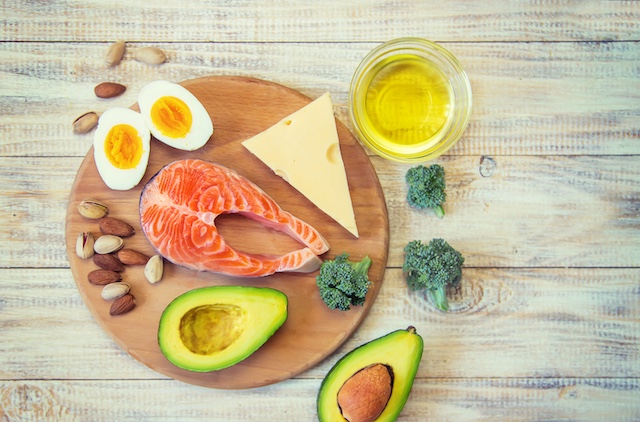
Ketogenic Diet Cut Liver Fat by 67% in a Randomised Trial
Key Takeaways:
- People with obesity who followed a ketogenic diet reduced their liver fat by an average of 67%, compared with an average reduction of 45% in both the Mediterranean and low-fat plant-forward groups – even though all three groups lost a comparable amount of weight.
- Around half of the participants following the ketogenic diet no longer met the criteria for prediabetes by the end of the study, compared with 29% in the Mediterranean group and 7% in the plant-forward group.
- Despite obtaining 73% of their calories from fat, participants in the ketogenic group showed no increase in blood fat or cholesterol levels, alongside the largest rise in glucagon and the steepest fall in blood insulin of the three groups.
Carbohydrate restriction appeared to add benefits beyond weight loss
A very low-carbohydrate, high-fat diet may deliver stronger metabolic benefits for people with obesity than either a Mediterranean diet or a low-fat diet, according to a clinical trial published on 27 August in the Cell Press journal Cell Metabolism. After four to five months on a ketogenic (or “keto”) diet, about half of the participants with obesity and prediabetes no longer met the criteria for prediabetes.
“We know weight loss can improve metabolic health in people who are obese,” says Samuel Klein, the study’s corresponding author at Washington University School of Medicine in St. Louis, Missouri. “Our data suggest that if you have high liver fat content and prediabetes, reducing carbohydrate intake can have important therapeutic effects on metabolism beyond just weight loss alone.”
The distinction matters clinically. Weight loss itself is known to improve metabolic markers, so the open question has been whether the composition of a diet contributes anything further once the amount of weight lost is held constant. This trial was designed to test exactly that.
Comparing three widely used weight loss diets
An estimated 40% of adults in the United States have obesity. Doctors often recommend low-fat, low-carbohydrate or Mediterranean diets for weight loss, but researchers have not known whether one approach provides extra metabolic advantages beyond the effects of losing weight.
The three diets differ sharply in how much carbohydrate and fat they provide:
- A low-carbohydrate diet, also known as the Atkins or ketogenic diet, greatly restricts carbohydrates. A ketogenic diet can include foods rich in saturated fat, including animal products.
- A low-fat diet, by contrast, can obtain as much as 70% of its energy from carbohydrates.
- A Mediterranean diet emphasises plant-based foods such as vegetables, olive oil and nuts, along with moderate amounts of fish and dairy.
To compare their effects, Klein and his colleagues enrolled 42 people with obesity, prediabetes and fatty liver disease in a clinical trial. Participants were randomly assigned to follow a ketogenic diet, a Mediterranean diet, or a low-fat, plant-forward diet. The research team supplied all of their food, and participants met with a dietitian every week to help them stay on their assigned eating plan.
That level of support is worth noting. Providing every meal and offering weekly dietetic contact removes much of the adherence variability that undermines free-living diet studies, which strengthens confidence that the differences observed between groups reflect the diets themselves rather than differences in how closely people managed to follow them.
Matching weight loss across the three groups
The ketogenic diet supplied just 4% of calories from carbohydrates and 73% from fat. In the Mediterranean group, 50% of calories came from carbohydrates and 35% from fat. The plant-forward diet provided 70% of calories from carbohydrates and 15% from fat.
Researchers adjusted calorie intake for each person so that participants in all three groups would lose about 10% of their body weight. Reaching that target took roughly four to five months.
By the end of the study, participants in every diet group had significantly reduced their body fat. Insulin sensitivity also improved across all three groups, helping the body control blood sugar more effectively. In other words, all three approaches worked – the question was whether any of them worked better than the others once weight loss was equalised.
The ketogenic diet produced the largest fall in liver fat
Despite similar weight loss, the ketogenic diet produced the strongest changes across several measures of liver and metabolic health. Liver fat fell by an average of 67% among people following keto, compared with an average reduction of 45% in both the Mediterranean and plant-forward groups.
The researchers also tracked participants’ metabolism over a 24-hour period by repeatedly analysing their blood. People in the ketogenic group showed the largest rise in glucagon, a hormone that helps reduce fat stored in the liver. They also had the greatest decline in blood insulin levels, another change that can help lower liver fat, compared with participants following the other two diets.
Together, the hormonal findings offer a plausible mechanism for the liver fat result: lower circulating insulin and higher glucagon both shift the liver away from storing fat, and both are the expected consequence of sharply restricting carbohydrate intake.
Blood fats did not rise on the highest-fat diet
One of the more counter-intuitive results concerned the lipid profile of the ketogenic group, whose diet contained by far the most fat and could include saturated fat from animal products.
“The most surprising finding was that participants in the ketogenic diet group didn’t experience an increase in blood fat or cholesterol levels despite consuming the most fat,” says Max Petersen, the study’s first author at Washington University School of Medicine.
Prediabetes improved most in the ketogenic group
After the weight loss intervention, about 50% of participants following the ketogenic diet no longer met the criteria for prediabetes. That compared with 29% of those on the Mediterranean diet and 7% of those following the plant-forward diet.
The researchers were careful to position dietary composition alongside, rather than against, current pharmacological options for people living with obesity.
“GLP-1-based medications have revolutionized the therapy of obesity. We now have a very effective pharmacotherapy for achieving significant weight loss,” Petersen says. “But in addition, our study shows that the specific composition of the diet can give you added benefits.”
What the findings mean for everyday practice
For healthcare professionals supporting people with obesity, prediabetes or fatty liver disease, the practical implication is that the content of a weight loss plan may deserve as much consultation time as the calorie target attached to it. Two people can lose the same 10% of their body weight and still arrive at meaningfully different liver fat and glycaemic outcomes.
This is the kind of nuance that clinicians increasingly need to be able to explain confidently in a short appointment, and it is a core focus of continuing professional development in nutrition. The College of Contemporary Health’s Nutrition & Weight Management Essentials CPD short course is designed for practitioners who want to strengthen their grounding in evidence-based nutrition and weight management before applying it in conversations with patients.
It is also worth keeping the study’s limits in view. This was a small trial of 42 people, conducted under closely controlled feeding conditions with weekly dietetic support and all food provided. Whether the ketogenic advantage persists in free-living conditions, over longer periods, and across broader populations remains to be established.
The research was supported by the National Institutes of Health and the Foundation for Barnes-Jewish Hospital.
CCH insight
Findings like these are only useful at the point where a clinician can translate them into a realistic, personalised plan with a patient. Nutrition & Weight Management Essentials is a CPD-accredited short course from The College of Contemporary Health, developed for healthcare professionals who want a practical, evidence-informed foundation in nutrition and weight management.
Explore Nutrition and Weight Management Essentials
Read More
Higher Coffee Intake Linked to Lower Visceral Fat and Greater Muscle Mass
Key Takeaways:
- Higher habitual coffee intake was associated with lower total and visceral fat and greater skeletal muscle mass, despite a similar BMI.
- Coffee intake was linked to lower branched-chain amino acids in both sexes, and to sex-specific differences in testosterone and SHBG.
- The study was observational, so it cannot show that drinking coffee caused any of the differences identified.
A familiar drink with poorly understood biology
Coffee is consumed around the world every day, and earlier research has associated coffee drinking with a reduced risk of conditions including type 2 diabetes and cardiovascular disease. What has remained unclear is why. Scientists still do not fully understand the biological processes that might explain those connections, which has made it difficult to interpret the epidemiological signal.
New research from Finland now suggests that regular coffee consumption is associated with healthier body composition, favourable metabolic markers, and distinct patterns involving sex hormones in men and women.
What the researchers examined
Researchers at the University of Oulu analysed information from 2,264 people who were 46 years old and taking part in the Northern Finland Birth Cohort 1966. The team investigated how participants’ usual coffee intake related to circulating metabolites, indicators of cardiometabolic risk, and sex hormone levels.
Studying a single birth cohort at a single age has a particular advantage: it removes age itself as a source of variation, allowing differences between people with higher and lower coffee intake to stand out more clearly.
Lower body fat and greater muscle mass
People who consumed more coffee tended to have lower levels of both total body fat and visceral fat, along with greater skeletal muscle mass.
Notably, these differences appeared even though participants with higher and lower coffee intake had a similar body mass index (BMI). That detail matters clinically. BMI cannot distinguish fat mass from lean mass, or subcutaneous fat from the visceral fat that sits around the abdominal organs and carries the stronger association with cardiometabolic risk. Two people with an identical BMI may therefore have meaningfully different metabolic profiles, and in this cohort coffee intake tracked with that hidden difference rather than with weight itself.
A metabolic marker associated with diabetes risk
Higher coffee consumption was also associated with lower circulating concentrations of branched-chain amino acids in both men and women. When chronically elevated, these biomarkers have previously been associated with insulin resistance and a greater risk of developing type 2 diabetes.
This finding sits alongside the body composition results rather than separately from them, since visceral fat and insulin resistance are themselves closely linked.
Different hormonal patterns in men and women
Some of the clearest differences appeared among men. Greater coffee consumption was associated with a more favourable glucose-insulin profile, higher levels of total and bioavailable testosterone, and greater concentrations of sex hormone-binding globulin (SHBG). However, free testosterone and the free androgen index were modestly lower.
The hormonal associations were less extensive in women. Higher coffee consumption was mainly associated with increased SHBG and lower measures of free androgens.
The common thread across both groups was SHBG, the carrier protein that binds circulating sex hormones and influences how much is biologically available to tissues. Higher SHBG has itself been studied in relation to metabolic health, which makes it a plausible point of connection between the hormonal and cardiometabolic findings.
“Coffee is consumed by millions of people every day, yet we still know surprisingly little about how it relates to our metabolism and hormones. What stood out in our findings was a distinct hormonal signature that didn’t disappear even after we took into account BMI and lifestyle factors, with several of these associations differing between men and women,” says Luca Verroest, lead author of the study and Doctoral Researcher at the University of Oulu.
Why the hormonal findings could matter
The findings raise the possibility that hormonal pathways could help explain some of the previously observed relationship between coffee consumption and metabolic health.
Because the research was observational, however, it cannot establish that drinking coffee directly caused any of the biological differences identified in the study. People who drink more coffee may differ from those who drink less in ways the analysis could not fully capture, and the direction of any relationship cannot be determined from data collected at a single point in time.
For clinicians, the more immediately useful message concerns interpretation rather than advice. Findings of this kind reinforce how much a single anthropometric measure can conceal, and how dietary patterns, body composition, and endocrine markers interact when assessing cardiometabolic risk. Practitioners who want to strengthen that interpretive skill set often look to structured CPD such as the College of Contemporary Health’s Nutrition & Weight Management Essentials short course, which examines how dietary intake relates to body composition and metabolic health in everyday practice.
Finland as a study setting
The setting also makes the research especially relevant. Finland ranks among the world’s highest coffee-consuming countries, with average annual consumption of approximately 11.8 kilograms (26 pounds) per person. A population with high and widely varying intake offers greater statistical range than one in which most people drink little coffee at all.
What happens next
Researchers say the results offer a starting point for studies designed to determine whether coffee itself produces these biological changes and, if so, which compounds may be responsible. Scientists are currently investigating these questions using animal models, with the longer-term aim of moving towards human intervention studies.
Additional research will be necessary before the findings can be used to shape dietary recommendations. For now, the study contributes a mechanistic hypothesis rather than a change in practice.
The study, “Associations of habitual coffee intake with testosterone and cardiometabolic markers: the Northern Finland Birth Cohort 1966 study,” was published in the European Journal of Nutrition.
CCH insight
Body composition, dietary patterns, and metabolic markers rarely tell a complete story in isolation, and BMI alone can mask clinically important differences. The College of Contemporary Health’s Nutrition & Weight Management Essentials short course helps healthcare professionals interpret these measures together and apply nutritional evidence confidently in patient-facing practice.
Explore Nutrition & Weight Management Essentials →
Source: University of Oulu, Finland
Read More
AI Calorie Tracking Apps: Convenient, Popular and Consistently Inaccurate
Key Takeaways:
- Four popular photo-based calorie apps underestimated meal energy by 250 to 345 calories and fat by around 30 grams – roughly a third in both cases.
- Accuracy varied: higher-calorie meals fared better than lower-calorie ones, and carbohydrates were estimated more consistently than other macronutrients.
- Ketogenic meals proved hardest to assess, because their high fat content is consistently underestimated.
Convenience that comes with a margin of error
Advances in artificial intelligence have changed how many people record what they eat. Rather than weighing ingredients or searching a database entry by entry, a person can now photograph a plate of food and let an app estimate its nutritional content in seconds. The convenience is obvious. The accuracy, according to new research, is rather less reliable.
A study conducted at the National Institutes of Health (NIH) Clinical Center compared four popular photo-based apps against meals prepared under tightly controlled laboratory conditions. All four underestimated both calories and fat by approximately a third.
How photo-based calorie tracking works
Photo-based calorie tracking uses AI image recognition to identify the foods present in a photograph of a meal and to estimate the portion sizes on the plate. Those identifications and estimates are then matched against nutrition databases, which the app uses to calculate the energy and macronutrient content of the meal.
The appeal for people managing their weight or monitoring their intake for other health reasons is that the process removes several steps of manual data entry. The trade-off is that the app is making two judgements at once – what the food is, and how much of it there is – before any nutritional calculation begins.
“Photo-based calorie tracking apps are very popular, especially for people trying to manage their health or lose weight,” said Aaron Hengist, a postdoctoral visiting fellow with the Intramural Program of the National Institute of Diabetes and Digestive and Kidney Diseases (NIDDK), part of the National Institutes of Health. “However, the accuracy of many of these apps has not been thoroughly evaluated. Our study helps address this question by looking at whether these apps can reliably estimate calories.”
A metabolic kitchen as the reference standard
The research forms part of a larger diet study at the NIH Clinical Center examining how the body processes nutrients when a person follows either a low-carbohydrate (ketogenic) diet or a standard diet.
Meals for that clinical trial are prepared in a controlled metabolic kitchen – a research kitchen in which every ingredient is weighed to the nearest 0.1 gram. That level of precision gave the investigators something unusual: a set of real, plated meals whose exact nutritional composition was already known.
The researchers took standardised photographs of 102 meals prepared for the diet study and ran the images through four apps: MyFitnessPal, LoseIt!, CalAI and Appediet.
“By using meals prepared in a tightly controlled metabolic kitchen, we were able to compare the apps’ estimates against a precise reference,” said Hengist. “This kind of direct, high-quality comparison hasn’t been available before.”
What the analysis found
Across the 102 meals, all four apps underestimated energy content by approximately 250 to 345 calories on average. Fat was underestimated by around 30 grams. In percentage terms, both calories and fat came in roughly a third below the true values recorded in the metabolic kitchen.
For a person using an app to guide daily intake, an error of this size is not trivial. A consistent shortfall of 250 to 345 calories per meal, repeated across a day, would produce a substantially inaccurate picture of overall energy intake – and would do so in the direction least helpful to someone trying to reduce it.
Where the apps performed better
The findings were not uniformly negative. The analysis showed that MyFitnessPal and LoseIt! estimated the energy content of higher-calorie meals more accurately than lower-calorie meals. All four apps also estimated carbohydrates more consistently than the other macronutrients, suggesting that carbohydrate-containing foods may be easier for image recognition systems to identify and quantify than fats in particular.
Hengist was direct about the practical implication for people using these tools without adjusting the app’s output.
“People using a photo-based tracking app without adjusting the portions or entering the amounts of food should take the results with a grain of salt,” said Hengist. “These apps tend to underestimate calories, especially from fats, so what they actually ate is likely higher than what the app shows.”
Ketogenic meals pose a particular challenge
After completing the initial analysis, the researchers extended the work to more than 200 additional meals in order to understand what factors influence app accuracy.
Their early results suggest that the apps struggle more with meals forming part of a low-carbohydrate ketogenic diet. The likely explanation is straightforward: these meals derive a large proportion of their energy from fat, and fat is precisely the macronutrient the apps most consistently underestimate.
This has implications for anyone supporting people who follow ketogenic or other high-fat dietary patterns, whether for weight management, metabolic health or the management of specific conditions. The tracking tool a person is relying on may be least accurate in exactly the dietary context where fat intake matters most.
For healthcare professionals who regularly review food diaries or app exports during weight management consultations, findings of this kind reinforce the value of structured training in dietary assessment. The College of Contemporary Health’s CPD-accredited Nutrition and Weight Management Essentials short course covers how dietary intake is assessed in practice, the limitations of self-reported data, and how to have constructive conversations with people about what and how much they are eating.
Improving accuracy in the real world
The investigators do not conclude that photo-based tracking should be abandoned. Their view is that combining photo-based features with more traditional methods of measuring diet quality could improve the real-world accuracy of calorie-tracking apps. In practical terms, that means treating the photograph as a starting point rather than a finished record – confirming what the app has identified, adjusting portion sizes, and entering quantities where they are known.
Olivia Charles, a postbaccalaureate intramural research training fellow at NIDDK, will present the findings at NUTRITION 2026, the flagship annual meeting of the American Society for Nutrition, held 25–28 July in National Harbor, Maryland, just outside Washington, D.C. As with research presented at scientific meetings generally, the results should be regarded as preliminary until they appear in a peer-reviewed publication.
For people using these apps day to day, the practical message is a modest one. A photograph is a useful prompt and a low-friction way to build a habit of recording intake. It is not, on the current evidence, a measurement.
CCH insight
Digital tools are increasingly part of how people monitor their diet, but their outputs need to be interpreted rather than accepted at face value – particularly where fat intake or high-fat dietary patterns are involved.
The College of Contemporary Health’s Nutrition and Weight Management Essentials CPD short course equips healthcare professionals with a working understanding of dietary assessment, macronutrient composition and evidence-based weight management, including how to interpret self-reported and app-generated intake data in clinical conversations.
Explore Nutrition and Weight Management Essentials
Source: EurekAlert!
Read More
Daily Tomato Intake May Lower Liver Fat in People With MASLD, New Study Suggests
Key Takeaways:
- In a six-week randomised study of 79 adults with metabolic dysfunction-associated liver disease (MASLD), people who ate 200 grams of raw tomatoes and 50 grams of tomato sauce each day showed a greater reduction in hepatic steatosis than people following a tomato-free control diet.
- Liver fat fell in both groups, and researchers found no meaningful differences between the groups in liver stiffness, liver enzymes, lipids or body mass index after the intervention period.
- Independent specialists described the findings as exploratory rather than practice-changing, noting the short duration, the narrow participant profile and the absence of improvement in clinically relevant markers.
What the research set out to examine
Metabolic dysfunction-associated liver disease (MASLD) covers a spectrum of liver problems, but its defining feature is hepatic steatosis – the accumulation of fat within the liver. A diagnosis also requires the presence of at least one cardiometabolic risk factor, such as obesity or high blood pressure.
Diet and lifestyle changes are a mainstay of support for people living with MASLD, and researchers are increasingly interested in whether particular foods offer measurable advantages over others. A study published in Nutrients set out to test one such food: the tomato, a staple of the Mediterranean diet.
The research team wanted to establish whether regular tomato consumption would influence liver steatosis in people who already had a MASLD diagnosis.
How the study was designed
The study enrolled 79 adults with MASLD. Researchers applied a number of exclusion criteria, ruling out people who consumed above a set threshold of alcohol and those with a body mass index above 30, the point at which obesity is classified.
Participants were divided into two groups. One group followed a tomato-free control diet. The other consumed 200 grams of raw tomatoes and 50 grams of tomato sauce daily. All tomato products were supplied by the same producer to keep the intervention consistent, and participants were asked to carry on with their usual lifestyle in every other respect.
The intervention ran for six weeks. Across that period, researchers tracked a range of health indicators, including body composition, hepatic steatosis, liver stiffness and cholesterol levels.
What the researchers found
Hepatic steatosis declined in both groups over the six weeks. The decrease was greater, however, among people in the tomato group.
Further analysis showed that hepatic steatosis had been broadly similar between the two groups at baseline, which strengthens the comparison. Other measures told a quieter story. Researchers identified no major changes in liver stiffness, and no significant differences between the groups in lipids, liver enzymes or body mass index at the end of the six-week period.
Summarising the result, the authors suggested that “tomato consumption may reduce hepatic fat accumulation independently of major changes in body weight, total and abdominal adiposity.”
Because liver fat shifted while weight and body composition did not, the study raises a familiar practical question for clinicians: how far can dietary composition alone move metabolic outcomes when overall energy intake stays broadly the same? It is the kind of question CCH explores in its CPD short course Nutrition & Weight Management Essentials, which examines the relationship between modern nutrition and weight, and how evidence-based dietary advice translates into everyday clinical conversations.
Study limitations and continued research
The six-week window is short, so the study cannot speak to whether any benefit persists over the longer term. The research also recruited only adults aged 65 and under, leaving it unclear how the findings might apply to older adults.
Most participants were men, so more balanced recruitment would strengthen future work. The decision to exclude people with a body mass index above 30 also narrows how widely the results can be applied.
Endocrinologist and obesity specialist Randa Abdelmasih MD, DipABOM, from the University of Texas Medical Branch (UTMB), who was not involved in this study, told Medical News Today:
“The study demonstrates a modest reduction in hepatic steatosis over only six weeks in a highly selected population of adults with MASLD and BMI [body mass index] of 30 kg/m² [kilograms per square meter] or more. Most patients we see in clinical practice have obesity (BMI over 30 kg/m²), type 2 diabetes, or more advanced metabolic disease, so the generalizability of these findings is limited.”
Jonathan Jennings, MS, MD, a board-certified internist with Medical Offices of Manhattan, who was likewise not involved in the research, raised a related concern about how participants were selected.
“The inclusion criteria required only one cardiometabolic risk factor, and it could be any risk factor. I am concerned that not all risks are equal, and people with multiple factors are at higher risk than those with a single risk factor,” Jennings said.
“Type 2 diabetes is more likely to lead to MASLD than high blood pressure but the study evaluates them as equal risk factors,” he pointed out.
The researchers themselves note that the reduction in liver fat may have been influenced by other factors, including the effect that taking part in a dietary intervention study can have on participants’ behaviour. The team was also reliant on dietary counselling and on participants’ own reports of how closely they followed the intervention.
Abdelmasih added that because the intervention combined raw tomatoes with tomato sauce, it is “difficult to determine which component or combination was responsible for the observed effect.”
A further gap is that researchers did not measure circulating levels of lycopene and carotenoids, the compounds most often proposed as the mechanism behind any effect tomatoes might have on liver health.
Limited clinical application at this stage
The authors describe their study as exploratory, intended primarily to inform future research. They call for confirmation through larger and longer studies, and encourage readers to treat the findings as hypothesis-generating rather than conclusive.
The clinical value is also uncertain because so much else stayed the same. As Abdelmasih put it:
“The study showed improvement in liver fat but no significant improvements in liver stiffness, fibrosis scores, liver enzymes, insulin resistance, inflammatory markers, lipid profile, or body composition. Therefore, while the imaging findings are interesting, we cannot conclude that tomato consumption meaningfully alters disease progression or improves clinically relevant outcomes.”
What this means for people living with MASLD
Within its limits, the study does point to a possible benefit of tomato consumption for people with MASLD, and to a low-cost dietary strategy that may help with fat accumulation in the liver.
Tomatoes may carry other advantages too, with existing research pointing towards cardiovascular benefits and potential anti-cancer properties.
Even so, the sensible route is for people to work with their doctor and wider healthcare team on a dietary plan that addresses their overall health, rather than concentrating on any single food.
Jennings underlined that point, and flagged two practical cautions:
“The study’s conclusions are hopeful but careful discussion with a healthcare provider is still needed before engaging in any radical dietary adjustments. Tomatoes and tomato-based products may be problematic for individuals with gastroesophageal reflux disease (GERD). Many tomato-based foods are also calorically dense and may worsen insulin resistance in certain individuals.”
The broader treatment context matters as well. According to Abdelmasih: “Dietary interventions should be viewed within the broader context of treating the underlying metabolic disease. For patients with obesity, sustained weight loss of approximately 10% or more remains the intervention with the strongest evidence for improving steatohepatitis and fibrosis.”
“While tomatoes can certainly be part of a healthy Mediterranean diet, they should not distract from therapies that have demonstrated meaningful improvements in liver and cardiometabolic outcomes,” she concluded.
CCH insight
Conversations about diet sit at the centre of metabolic and liver care, and single-food headlines can make those conversations harder rather than easier. CCH’s CPD short course Nutrition & Weight Management Essentials gives healthcare professionals a grounding in the fundamentals of nutrition, the factors driving weight gain, and what effective weight management looks like in practice – so you can place findings like these in proportion for the people you support.
Explore Nutrition & Weight Management Essentials →
Expert commentary in this article was provided to Medical News Today. Read the original report here.
Read More
Abdominal Obesity and Vitamin D Deficiency Together More Than Double the Risk of Death After 50
Key Takeaways:
- In people aged 50 and over, having both abdominal obesity and vitamin D deficiency was linked to a 123% higher risk of death.
- Alone, abdominal obesity raised that risk by 47% and vitamin D deficiency by up to 91% – together, the two amplify one another.
- Abdominal fat sequesters circulating vitamin D, and the resulting deficiency worsens the chronic inflammation driven by excess fat.
A six-year study of ageing in England
New research has put a figure on something clinicians have long suspected: that two common and often overlooked problems in later life are considerably more dangerous when they occur together than either is alone.
The study, in the journal Diabetes, Obesity and Metabolism, followed 5,520 people aged 50 and older over a six-year period. It found that people with both abdominal obesity and vitamin D deficiency had a 123% higher risk of death than people without these conditions.
The work was coordinated by Tiago Silva Alexandre, a professor in the Department of Gerontology at the Federal University of São Carlos (UFSCar) in Brazil, and carried out in collaboration with University College London (UCL) in the United Kingdom. Participants were drawn from the English Longitudinal Study of Ageing (ELSA), one of the world’s largest studies on ageing.
The central message is not that either condition is newly dangerous, but that their combination multiplies risk.
“Abdominal obesity is a well-known risk factor because it’s associated with inflammation and metabolic problems. Vitamin D, on the other hand, is a hormone that acts on various organs, and its deficiency impairs several bodily functions. When these two conditions occur together, one amplifies the effects of the other, further increasing the risk of death,” explains Alexandre. “For that reason, monitoring vitamin D levels and treating excess abdominal fat are essential measures to prevent premature death, especially after age 50,” he adds.
How the two conditions were defined
The researchers used established thresholds for both measures, which makes the findings straightforward to translate into everyday practice.
Vitamin D deficiency was defined as a level below 30 nmol/L. Abdominal obesity was defined by waist circumference – greater than 102 centimetres (40 inches) for men and greater than 88 centimetres (35 inches) for women.
Both are measures that can be captured in a routine consultation, one through a standard blood test and the other with a tape measure, without recourse to specialist equipment or imaging.
Each condition carries risk on its own
When the two conditions were examined separately, the data produced a result that may surprise some practitioners: vitamin D deficiency alone posed a greater risk than abdominal obesity alone.
Abdominal obesity on its own was associated with a 47% increase in the risk of death. Vitamin D deficiency on its own raised that risk by up to 91%. When both were present, the risk of death more than doubled.
That pattern is what makes the combination clinically significant. The elevated risk seen in people with both conditions is greater than would be expected from simply adding the two individual risks together, which points towards a biological interaction rather than two independent problems sitting side by side in the same person.
Why the two conditions amplify one another
According to Alexandre, abdominal obesity and vitamin D deficiency feed into each other, creating what he describes as a vicious cycle.
The first mechanism is storage. Abdominal fat “sequesters” circulating vitamin D and holds it within adipocytes, or fat cells, preventing the vitamin from reaching the bloodstream in useful quantities.
“This means that although the body may have the vitamin stored in fat, it isn’t freely available in the blood to perform vital functions in other organs and systems,” he says.
In other words, a blood test may show deficiency even where the body’s total stores are not depleted, because the vitamin is effectively locked away where it cannot be used.
The second mechanism concerns metabolism. People with obesity have lower expression of the enzymes needed to metabolise vitamin D, which further reduces the amount available to the body.
The consequences then loop back on themselves. “Abdominal obesity reduces circulating vitamin D, and that deficiency impairs the immune system, exacerbating the chronic inflammation caused by excess fat and drastically increasing the risk of mortality,” Alexandre explains to Agência FAPESP.
Ageing, inflammation and a loss of regulation
The picture is complicated further by the biology of ageing itself. Later life is naturally marked by a process known as inflammaging – a state of low-grade chronic inflammation that develops with age.
Vitamin D ordinarily acts as a brake on that process. Where levels fall and abdominal fat is present, that brake is weakened at precisely the point where it is most needed.
“Under normal conditions, vitamin D acts as a regulator of the immune system, preventing inflammation from getting out of control. When vitamin D levels are low and there’s excess abdominal fat, an unfavorable systemic environment develops that accelerates cardiovascular and metabolic diseases, as well as muscle loss,” he stresses.
Part of a wider cascade
This study is the most recent in a series by the same group investigating the role of vitamin D in ageing, and its findings sit alongside earlier work linking deficiency to functional decline.
“In previous studies, we identified a cascade effect. Vitamin D deficiency leads to a loss of strength, which results in reduced walking speed, causing a loss of independence and greater dependence in daily activities,” Alexandre explains.
A further study by the group found that vitamin D deficiency increases the risk of cognitive decline.
Taken together, these strands describe a hormone with a reach that extends well beyond bone health.
“Vitamin D is a hormone with various functions. It plays a role in regulating blood pressure, heart rate, the central nervous system, the immune system and the endocrine system. Therefore, when its levels are low, several essential bodily functions are compromised,” he says.
What this means for practice
For healthcare professionals working with people over 50, the practical implication is a case for looking at these two markers together rather than in isolation. A raised waist circumference and a low vitamin D level each warrant attention on their own terms, but the study suggests that the presence of one should prompt closer interest in the other.
It also reinforces the value of waist circumference as an assessment measure in its own right, given that it is central adiposity – rather than body weight alone – that drives the inflammatory and metabolic processes described here.
Building that broader assessment skill set, and the confidence to act on it as part of whole-person care, is the focus of professional training such as the College of Contemporary Health’s Obesity Essentials, a CPD-accredited online short course covering the assessment and management of overweight and obesity.
As Alexandre puts it, monitoring vitamin D levels and treating excess abdominal fat are essential measures to prevent premature death after the age of 50 – two simple assessments that, on this evidence, carry considerable weight together.
CCH insight
This is an interesting study. At CCH we have held a longstanding interest in the wide- ranging functions of vitamin D, especially its role in immune function. These results suggest that vitamin D status should be checked routinely in patients with abdominal obesity, and any deficiency should be treated immediately. This would be a simple and inexpensive protocol and could significantly reduce premature death in this group.
Findings like these are a reminder that excess abdominal fat rarely acts alone – its metabolic and inflammatory effects reach into hormone regulation, immune function and, ultimately, life expectancy. CCH’s Obesity Essentials CPD short course (10 CPD hours, fully online, CPD-accredited) helps healthcare professionals assess and manage patients living with overweight and obesity using a rounded, evidence-based approach that looks beyond a single number on the scale to the wider systemic picture.
Read More
Sensing, Liking and Wanting: Why Food Feels Different on GLP-1RAs
Key Takeaways:
- A Frontiers in Nutrition review finds that altered eating experience on GLP-1 receptor agonists (GLP-1RAs) reflects changes in food reward rather than impaired taste function.
- The authors separate three processes: sensing food, liking it, and wanting it.
- The evidence is heterogeneous and largely observational, so the framework is a conceptual model, not proof of causality.
Why reports of “taste changes” may not be about taste at all
Some people taking GLP-1RAs report that their favourite foods become less enjoyable or tempting, without this necessarily reflecting impaired basic taste function. That distinction sits at the centre of a recent review published in the journal Frontiers in Nutrition, in which the authors conducted a structured narrative review of current evidence on how glucagon-like peptide-1 receptor agonists influence sensory perception, food enjoyment and food motivation, using a sensory-liking-wanting framework.
Obesity is a chronic, progressive metabolic disease with growing global prevalence, which increases the demand for effective long-term treatment options. GLP-1RAs are widely used in obesity treatment because they enhance satiety, delay gastric emptying, reduce energy intake and support meaningful weight loss. Alongside those effects, some people also report that food tastes different, feels less enjoyable, or no longer seems tempting. These experiences are often described as “taste changes”, but the review argues that they may reflect several biological processes rather than a single taste disorder. Further research is needed to understand these mechanisms and to improve nutritional care during treatment.
Looking beyond appetite suppression
GLP-1RAs have changed the way obesity is managed by reducing energy intake and supporting meaningful weight loss. Growing clinical experience, however, shows that their effects extend beyond a simple reduction in hunger.
Some people describe food tasting different, reduced pleasure in eating, or lower cravings for high-calorie foods. The review suggests that these experiences should not be treated as simple taste disturbances, but as a combination of three components related to eating behaviour: sensory perception, liking and wanting.
The three components of eating behaviour
Eating begins with sensory perception, which includes detecting taste, smell and food texture. This stage determines how food is initially recognised.
The second component is liking, defined as the subjective pleasure or hedonic value associated with eating. It is influenced by flavour, prior experience, context, cognitive factors and physiological state.
The third component, wanting, describes the motivation or craving to seek out and consume food. Separating these components helps explain why reports of “taste changes” may in fact reflect different biological processes.
How GLP-1RAs may influence food reward and the eating experience
The review sets out how GLP-1RAs may influence eating behaviour through interconnected biological pathways rather than by directly changing taste. Preclinical studies indicate that endogenous glucagon-like peptide-1 (GLP-1) is produced by some mammalian taste bud cells and may modulate taste signalling. Those findings do not establish that GLP-1RA treatment directly alters taste in humans, and the limited human studies available have produced inconsistent results.
Taste signals are integrated in the nucleus of the solitary tract (NTS) before reaching brain regions involved in appetite and reward. Human studies have associated GLP-1RA treatment with reduced craving and weaker neural responses to calorie-dense food cues in some participants. Those findings are more consistent with altered food valuation and motivation than with impaired basic taste.
Gastrointestinal effects, including nausea and early satiety, may also reduce the pleasure of eating, which makes it difficult to distinguish altered food reward from genuine changes in taste perception.
What the clinical evidence does and does not show
Randomised controlled trials usually focus on body weight and metabolic outcomes. Eating-related experiences are rarely included as prespecified measures and are more often captured sporadically as adverse events.
Patient-reported outcome questionnaires may provide a more sensitive window into changes in food enjoyment and preference, but assessment methods vary considerably between studies. Real-world evidence presents additional challenges, as reports of “taste alterations” may encompass several distinct sensations, including olfactory changes, dry mouth, gastrointestinal discomfort and other symptoms that are difficult to distinguish clinically.
Spontaneous reporting databases can identify safety signals but cannot establish incidence or risk. Cohort studies, by contrast, provide better-defined populations and follow-up, yet remain vulnerable to subjective reporting and confounding.
Because this was a narrative review rather than a systematic review or meta-analysis, the authors did not conduct a formal risk-of-bias assessment.
A framework for understanding what people report
According to the review, alterations in the eating experience during GLP-1RA treatment should not be regarded solely as a biological phenomenon, but understood as the interaction between different processes.
Peripheral taste pathways, brainstem integration, central reward networks, interoceptive state and learned behaviour may all contribute. Their relative importance may differ between individuals and across treatment stages. A person’s report of a “taste change” may therefore not correspond to a clinically defined gustatory disorder.
The authors also note that alternative explanations should be considered when interpreting eating-related changes, including nausea, delayed gastric emptying, altered satiety, behavioural adaptation and medication adherence.
The framework additionally accommodates limited treatment response, persistent appetite, weight regain after treatment withdrawal or interruption, and rare atypical or paradoxical responses.
Clinical relevance and a possible stage-dependent pattern
The review highlights that reported changes in eating experience should not automatically be classified as taste abnormalities. Healthcare professionals may find it useful to establish whether a person is describing altered taste perception, reduced satisfaction from eating, or diminished interest in food, as these experiences can reflect distinct processes. Distinguishing between them well depends on the quality of the conversation in the consultation, and supporting people through the eating-related changes that accompany GLP-1RA treatment is the focus of professional training such as the College of Contemporary Health’s GLP-1RAs in Practice: Supporting Patients During Treatment, a CPD-accredited online short course.
The authors present these points as translational implications rather than formal clinical recommendations. They also propose a stage-dependent pattern in which these experiences may change over time.
Early in treatment, gastrointestinal discomfort and enhanced satiety may reduce the appeal of food, whereas later stages may involve a more persistent reduction in motivation towards highly rewarding foods in some individuals.
Why this matters for nutrition and obesity management
The proposed sensory-liking-wanting framework has practical implications for obesity treatment and nutritional counselling. Understanding whether someone is experiencing altered sensory perception, reduced enjoyment of food, or lower motivation towards food may support more individualised dietary guidance and improve communication between people receiving treatment and the professionals caring for them.
The review also highlights that the existing body of evidence is heterogeneous, owing to differences in endpoint definitions, measurement methods, populations, drugs, doses and follow-up periods. Much of the human evidence is observational, secondary or exploratory, and many studies were not designed to separate sensory function from liking and wanting. Current findings are therefore better interpreted as a conceptual framework for organising available evidence than as proof of a single causal pathway.
Future studies using standardised, multimodal assessments and longer follow-up may help clarify how these eating-related changes influence food preferences, dietary behaviour, long-term weight management and treatment adherence.
Conclusion
The review concludes that altered eating experiences during GLP-1RA therapy are more consistent with changes in food reward, hedonic evaluation and motivational drive than with a uniform impairment of taste function, although modulation of peripheral taste pathways may contribute in some cases.
Current evidence supports interpreting reported “taste changes” within a sensory-liking-wanting framework that distinguishes sensory perception from food enjoyment and craving. Because responses vary between individuals and the available evidence remains heterogeneous, the proposed framework should be considered a conceptual model rather than definitive proof of causality.
Longitudinal, multimodal human studies measuring sensory function, hedonic response, motivational drive and state-related symptoms in parallel are needed to clarify these effects and their implications for nutrition, dietary behaviour, treatment adherence and long-term obesity management.
CCH insight:
When someone says food no longer tastes right on a GLP-1RA, the clinically useful question is which part of eating has changed: the sensing, the liking or the wanting. Each points towards different advice, and each can shift as treatment progresses. CCH’s GLP-1RAs in Practice: Supporting Patients During Treatment CPD short course (2 CPD hours, fully online, CPD-accredited) equips healthcare professionals to have exactly those conversations – recognising what people are really describing, adapting dietary and nutritional support through the course of treatment, and monitoring for the changes that matter.
Explore GLP-1RAs in Practice: Supporting Patients During Treatment →
Read More
One Avocado a Day May Lower a Hidden Heart Disease Risk in Adults Living With Obesity
Key Takeaways:
- Adults living with obesity who ate one avocado a day for six months showed a fall of 49 nanomoles per litre in LDL particle concentration – equivalent to roughly a 4% reduction in heart disease risk.
- LDL particle number is a risk factor distinct from LDL cholesterol itself, and it tends to be higher in people with abdominal obesity, meaning two people with identical cholesterol readings can carry very different levels of risk.
- The benefit appeared consistently across sex, race, ethnicity, age and body mass index, suggesting that a single, sustainable dietary addition can shift a meaningful cardiometabolic marker without any wider change to diet or activity.
A single dietary change, made in the real world
Adding one avocado to the daily diet may reduce heart disease risk in adults living with obesity, according to research led by the Penn State Department of Nutritional Sciences and published in the Journal of Clinical Lipidology.
The team found that regular avocado consumption was associated with a lower concentration of low-density lipoprotein (LDL) particles – the protein particles that transport cholesterol around the body – in the blood. That reduction corresponded to an approximate 4% decrease in heart disease risk.
What distinguishes the finding is its modesty. Rather than testing a wholesale dietary overhaul, the researchers examined what happens when people make one addition and otherwise carry on as normal.
“If people want to improve the quality of their diet, making one small change might be a more feasible strategy than attempting to change their entire diet,” said Janhavi Damani, postdoctoral scholar at Penn State and first author of the study. “For people with obesity, including avocados in their daily diet might be a good starting place.”
Why particle number matters, not just cholesterol
LDL particles represent a risk factor for heart disease that is separate from LDL cholesterol – the so-called “bad cholesterol” that is itself a significant contributor to risk. The risk posed by LDL particles is typically higher in people with abdominal obesity, the researchers noted.
The distinction rests on a point of basic physiology that standard lipid panels do not capture. LDL cholesterol cannot travel through the body unaided; it must be carried by a protein particle. When a greater number of protein particles are involved in transporting the same quantity of cholesterol, heart disease risk rises – even though the measured cholesterol figure is unchanged.
Damani illustrated the point directly.
“Imagine two people with the same high levels of LDL cholesterol,” Damani said. “Person A carries their cholesterol in fewer, larger LDL particles, and Person B carries their cholesterol in more, smaller LDL particles. Person B’s heart disease risk would be higher because their overall particle count is higher even though a test of their LDL cholesterol would look identical.”
How smaller particles do more damage
Those smaller particles penetrate artery walls more easily and contribute to the accumulation known as plaque, Damani explained.
Plaque raises heart disease risk through two mechanisms working together. It narrows the space available for blood to pass through a vessel, and it reduces the vessel’s flexibility. The consequence becomes clearest under load: when a person’s heart is working hardest – through exertion, heat, stress or any other cause – their blood pressure rises more sharply than it otherwise would, because the vessel can no longer expand to accommodate the increased demand. That failure to compensate can be enough to trigger a cardiac event such as a heart attack.
This mechanistic detail matters clinically, because it explains why particle count can carry prognostic weight even when a patient’s cholesterol result looks reassuring. Practitioners working in weight management and cardiometabolic care increasingly need to interpret markers of this kind alongside anthropometric measures, and this is territory that CCH’s CPD short course provision in obesity care covers in some depth.
Inside the Habitual Diet and Avocado Trial
For this analysis, the researchers drew on data originally collected from 786 participants in the Habitual Diet and Avocado Trial, a six-month study of adults aged 25 years and older.
Eligibility was defined by waist circumference. Men qualified if their waist circumference exceeded 102 centimetres (40 inches); women qualified if theirs exceeded 89 centimetres (35 inches).
Participants were divided into two groups. Half were instructed to maintain their usual diet and activity levels. The other half were provided with one avocado to consume each day and were also instructed to maintain their usual diet and activity levels. No other dietary guidance or restriction was applied.
The original Habitual Diet and Avocado Trial had already established that adding avocado to the diets of people living with obesity did not alter weight or waist circumference, but could reduce levels of LDL cholesterol.
What the blood samples showed
In the current study, the researchers compared blood samples collected at the start and at the end of the six-month period.
Across the study, LDL particle levels in the avocado-per-day group fell by 49 nanomoles per litre. That change corresponded to an approximate 4% reduction in heart disease risk, according to the researchers.
The team was careful to set this figure in proportion.
“Four percent is a modest reduction compared with the 14% to 29% lower heart disease risk associated with improving the overall diet,” Damani said. “However, it is a step in the right direction.”
A consistent effect across the study population
One of the more notable findings concerned who benefited. Regardless of participants’ sex, race, ethnicity, age or body mass index, they were equally likely to experience improvements in LDL particle levels.
The researchers took this to indicate that anyone living with obesity could benefit from avocado consumption. They added a clear caveat, however: people should speak to a registered dietitian nutritionist or their physician for personalised, expert guidance on improving their diets.
From controlled conditions to unpredictable lives
The study’s most significant contribution may lie less in the size of the effect than in the setting in which it was demonstrated.
“Penn State researchers demonstrated several years ago that avocado consumption could reduce LDL cholesterol and levels of LDL particles,” said Kristina Petersen, associate professor of nutritional sciences and senior author of this study. “But in that study, the researchers controlled participants’ entire diets throughout the experiment. This study demonstrated benefits in the real world, where people’s diets are much less predictable. In the course of people’s normal lives, avocado consumption still contributes to a healthier diet.”
That shift – from a tightly controlled feeding study to free-living participants managing their own meals – is what makes the result relevant to everyday practice. A 4% reduction achieved under laboratory conditions tells clinicians relatively little about what patients will actually sustain. A comparable reduction achieved by people eating as they normally do, with one addition, is a different kind of evidence.
What this means for practice
For healthcare professionals supporting people living with obesity, the findings reinforce a familiar principle with fresh quantitative backing: incremental, achievable changes can move clinically meaningful markers. They also underline the value of looking beyond standard lipid measurements when assessing cardiovascular risk in patients with abdominal obesity, where LDL particle number may reveal risk that a conventional cholesterol result conceals.
None of this positions a single food as a substitute for comprehensive care. The researchers’ own framing is deliberately measured – a step in the right direction, not a solution. But in a field where adherence often determines outcomes more than the theoretical strength of an intervention, feasibility is itself a clinical variable worth taking seriously.
CCH insight
It is always re-assuring to hear about studies which show clear benefits of foods we associate with good health, so this is great news for people who eat avocados regularly and a nice reminder for others to maybe eat them more often. However, high cholesterol and other risk factors for cardiometabolic diseases are most common in populations of high deprivation, who are unable to buy avocados regularly due partly to access but mainly due to cost.
This study’s practical value lies in feasibility – one addition, sustained over six months, moving a real marker of cardiovascular risk. Translating that kind of evidence into advice patients will actually follow is the core skill of nutritional care in obesity management. CCH’s Nutrition & Weight Management Essentials (6 hours, fully online, CPD-accredited) gives healthcare professionals a solid grounding in fundamental nutrition concepts, the factors driving weight gain, and evidence-based approaches to both weight loss and long-term maintenance, with real-life case studies throughout.
Explore Nutrition & Weight Management Essentials →
Read More