Nutrition Gaps Raise Safety Concerns as Use of GLP-1 Weight Loss Drugs Accelerates
Key Takeaways:
- Many people prescribed GLP-1 weight loss medications receive little or no structured nutritional guidance, increasing the risk of preventable vitamin and mineral deficiencies and loss of muscle mass.
- New research highlights a lack of high-quality evidence on how diet quality, protein intake, and micronutrient intake are affected during treatment with drugs such as semaglutide and tirzepatide.
- Experts warn that without integrated nutritional care, the rapid expansion of GLP-1 drug use could undermine long-term health benefits despite effective weight loss.
Experts from University College London and the University of Cambridge are warning that many people prescribed newer weight loss medications may not be receiving sufficient nutritional guidance to support safe and sustainable weight loss. As a result, some individuals may face avoidable risks, including vitamin and mineral deficiencies and loss of lean body mass, particularly muscle.
The concerns arise from new research published in Obesity Reviews. Led by Dr Marie Spreckley of the University of Cambridge, the review identified limited high-quality evidence on how nutritional advice influences calorie intake, body composition, protein consumption, and patient experiences among people using these medications.
How GLP-1 weight loss drugs work
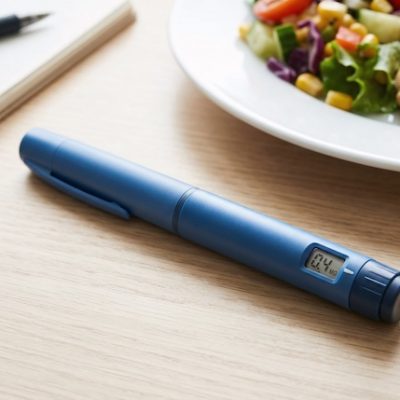
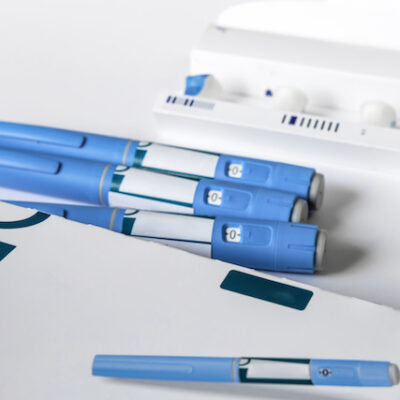
Drugs such as semaglutide and tirzepatide, sold under brand names including Ozempic, Wegovy, and Mounjaro, work by mimicking the action of glucagon-like peptide-1 (GLP-1). This hormone is released after eating and plays a role in regulating appetite and glucose metabolism. By enhancing feelings of fullness, reducing hunger, and dampening food cravings, these medications can substantially lower energy intake.
Studies suggest that calorie intake may fall by 16–39%, helping to explain why these drugs are highly effective for people living with obesity or overweight. However, the researchers note that there has been very little detailed study of how such reductions affect overall diet quality, protein intake, or micronutrient intake, including vitamins and minerals. Existing evidence indicates that lean body mass, including muscle tissue, can account for as much as 40% of total weight lost during treatment.
Experts warn of risks without nutrition support
Dr Adrian Brown, an NIHR Advanced Fellow at UCL’s Centre of Obesity Research and the study’s corresponding author, described how these medications alter eating behaviour.
“Obesity management medications work by suppressing appetite, increasing feelings of fullness, and altering eating behaviors, which often leads people to eat significantly less. This can be highly beneficial for individuals living with obesity, as it supports substantial weight loss and improves health outcomes.
“However, without appropriate nutritional guidance and support from healthcare professionals, there is a real risk that reduced food intake could compromise dietary quality, meaning people may not get enough protein, fiber, vitamins, and minerals essential for maintaining overall health.”
Without structured support, reduced intake may unintentionally lead to inadequate consumption of nutrients needed to preserve muscle mass, bone health, immune function, and overall physical resilience.
Public guidelines versus private use
Guidance from the National Institute for Health and Care Excellence recommends semaglutide for weight management only for people who meet strict eligibility criteria, such as a body mass index of at least 35.0 kg/m² alongside obesity-related comorbidities including type 2 diabetes or cardiovascular disease. When prescribed through the NHS, the medication is intended to be delivered as part of a comprehensive programme that includes dietary changes and increased physical activity.
In reality, most people currently using GLP-1 drugs in the UK obtain them outside the NHS. An estimated 1.5 million people are now using these medications, with around 95% accessing them through private providers. In these settings, ongoing nutritional advice and follow-up support are not always consistently offered.
Rising use outpaces nutrition guidance
Dr Spreckley, who works at the Medical Research Council Epidemiology Unit at the University of Cambridge, said nutritional care has not kept pace with the rapid uptake of these therapies.
“Use of GLP-1 receptor agonist therapies has increased rapidly in a very short period of time, but the nutritional support available to people using these medications has not kept pace. Many people receive little or no structured guidance on diet quality, protein intake, or micronutrient adequacy while experiencing marked appetite suppression.
“If nutritional care is not integrated alongside treatment, there’s a risk of replacing one set of health problems with another, through preventable nutritional deficiencies and largely avoidable loss of muscle mass. This represents a missed opportunity to support long-term health alongside weight loss.”
Low intakes of essential vitamins and minerals are associated with fatigue, impaired immune function, hair loss, and increased risk of osteoporosis. Loss of lean mass, most commonly muscle, can also raise the likelihood of weakness, injuries, and falls, particularly in older adults.
Limited research leaves major questions unanswered
The review identified only 12 studies that examined diet and nutritional outcomes alongside treatment with semaglutide or tirzepatide. These studies differed widely in how dietary advice was delivered and how nutritional outcomes were measured. Many lacked standardised methods and consistent reporting, making it difficult to draw firm conclusions about best practice.
Despite the rapid expansion of GLP-1 drug use, the researchers found little robust evidence to guide clinicians on how to support people nutritionally during treatment.
Lessons from bariatric nutrition care
Given the urgent need for practical guidance, the researchers suggest that interim lessons could be drawn from nutritional care used after bariatric surgery. Procedures such as gastric banding and gastric bypass lead to similar reductions in appetite and food intake.
Dr Cara Ruggiero, a co-author from the MRC Epidemiology Unit at the University of Cambridge, said established post-surgery principles could help address current gaps.
“While GLP-1 receptor agonists are increasingly used, there remains a clear gap in structured nutritional guidance. In the interim, we can draw on well-established post-bariatric nutrition principles. Our previous work highlights the importance of prioritizing nutrient-dense foods including high-quality protein intake, ideally distributed evenly across meals, to help preserve lean mass during periods of reduced appetite and rapid weight loss.”
Equipping healthcare professionals with the nutritional knowledge to guide patients safely through this kind of rapid weight loss is the focus of professional training such as the College of Contemporary Health’s Nutrition & Weight Management Essentials, a CPD-accredited online short course.
The available evidence did not support recommending strict low-fat diets alongside GLP-1 therapies. However, some observational studies reported that people using these medications consumed relatively high amounts of total and saturated fat, suggesting a potential need for personalised guidance that aligns with national dietary recommendations.
Meal timing was rarely examined in clinical trials. Nevertheless, the researchers note that eating smaller meals more frequently may help manage side effects such as nausea and improve tolerability, particularly during the early stages of treatment.
Studying real-world experiences
The research team also emphasised the importance of incorporating the perspectives of people using GLP-1 medications into future studies. Understanding what types of information and support individuals find most helpful could improve real-world care and long-term outcomes.
To address this, the team has launched AMPLIFY – Amplifying Meaningful Perspectives and Lived experiences of Incretin therapy use From diverse communitY voices. The project aims to explore how people experience next-generation weight loss medications in everyday life.
“These medications are transforming obesity care, but we know very little about how they shape people’s daily lives, including changes in appetite, eating patterns, well-being, and quality of life,” Dr Spreckley said. “That’s what we’ll explore, working in particular with people from communities historically under-represented in obesity research, to help shape the future of obesity treatment.”
The research was funded by the National Institute for Health and Care Research, with additional support from the Medical Research Council and the NIHR UCLH Biomedical Research Centre.
CCH insights:
GLP-1 medications are licensed for the treatment of diabetes and obesity and they should be used alongside diet and lifestyle advice to improve cardiometabolic health. However, they are now commonly known as ‘weight loss drugs’, implying their primary aim is for people to lose weight. But this is kind of missing the point – the weight loss outcome is one of the mediating effects of the drugs which leads to improved health. However, if weight loss is not accompanied by a move to a healthy diet, which provides adequate levels of essential nutrients, then health outcomes will be compromised, as highlighted by this study then health outcomes will be compromised, as highlighted by this study. Closing that gap starts with clinicians themselves being confident in the fundamentals: CCH’s Nutrition & Weight Management Essentials CPD short course (10 CPD hours, fully online, CPD-accredited) gives healthcare professionals a solid grounding in nutrition and weight management, including how to help patients meet their protein and micronutrient needs and preserve lean muscle during weight loss.
Explore Nutrition & Weight Management Essentials →