

The rising tide of cyberattacks on healthcare systems
The cybersecurity landscape within the healthcare sector is facing an unprecedented level of threat, with attacks growing both in frequency and severity. Notably, Rick Pollack, President and CEO of the American Hospital Association (AHA), described the Change Healthcare cyberattack as “the most significant and consequential incident of its kind against the US healthcare system in history.” This incident starkly illustrates the escalating challenges that cyber threats pose to healthcare operations and patient safety.
The February cyberattack on Change Healthcare, the largest US billing and payment system, severely disrupted the processing of millions of patients’ prescriptions and other services, delaying access to crucial medications and care. Even two months post-attack, an AHA survey indicated that numerous medical practices were on the brink of closure due to the financial impact of unpaid claims, thereby endangering patient access to medical services.
This is not an isolated event; the healthcare sector has witnessed several crippling cyberattacks over recent years. For instance, in May 2017, the global WannaCry ransomware attack disrupted a third of hospital trusts across NHS England, resulting in the cancellation of nearly 7,000 appointments and rendering medical staff unable to access vital patient data. Moreover, in May 2021, a ransomware attack on Ireland’s Department of Health and Health Service Executive affected over 80% of their IT infrastructure, compromised the personal data of almost 100,000 individuals, and led to widespread service cancellations.
The financial aftermath of these cyberattacks can be staggering. The Change Healthcare hack alone is estimated to potentially cost up to $1.6 billion. According to the European Repository of Cyber Incidents, there has been a significant global increase in cyberattacks on healthcare, with reported incidents rising from 32 in 2022 to 121 in 2023.
The increasing reliance on interconnected digital technologies such as electronic health records, medical devices, and AI-supported diagnostic tools, especially accelerated during the COVID-19 pandemic, has heightened vulnerabilities. Many healthcare providers continue to utilise outdated technologies, increasing susceptibility to attacks. The complex digital interconnectivity within the sector provides cybercriminals with numerous potential entry points to exploit, posing a formidable challenge to system security.
Despite the critical need for robust cybersecurity measures, investment in this area remains insufficient. A recent survey by the Healthcare Information and Management Systems Society revealed that US healthcare organisations allocate only an average of 7% of their spending to cybersecurity, significantly lower than the 11-12% average across other sectors. This underinvestment is even more pronounced in low and middle-income countries, where the lack of infrastructure and regulatory frameworks exacerbates the risks.
The healthcare sector must prioritise the advancement of cybersecurity to align with or surpass the protections afforded in other critical infrastructure sectors. Enhanced research into the specific risks and vulnerabilities faced by healthcare systems is essential, along with strategic planning to mitigate these risks effectively. Furthermore, simple yet critical security practices, such as implementing two-factor authentication and educating about phishing scams, are vital steps in safeguarding against potential cyber threats. As the landscape of cybersecurity evolves, the focus must remain firm on protecting the integrity of healthcare systems and the safety of patients, affirming that cybersecurity is not merely an IT concern but a fundamental healthcare imperative.
Read More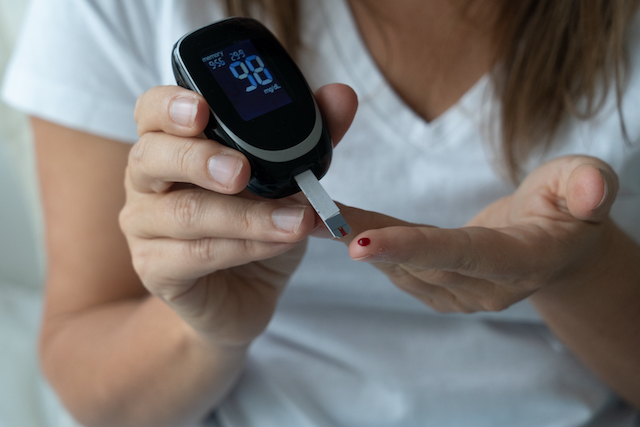
How Continuous Glucose Monitors (CGMs) are changing the fight against obesity
Continuous Glucose Monitors (CGMs), initially developed for diabetes management, are gaining recognition for their role in aiding individuals with obesity, especially those at risk of developing diabetes. With these devices soon to be available over-the-counter in the United States, there is a new frontier in proactive health monitoring.
Lori Wenz, a nurse practitioner at Western Colorado Weight Care in Grand Junction, Colorado, discussed the expanding use of CGMs beyond their traditional scope during her presentation at the 2024 Obesity Medicine Association conference. She emphasised that CGMs not only enhance patient motivation by improving awareness of how diet and activity impact metabolic health but also play a crucial role in adherence to nutritional guidance and pharmacotherapy.
A significant proportion of the American adult population remains unaware of their pre-diabetic or diabetic status. According to the Centers for Disease Control and Prevention, approximately 38% of adults have pre-diabetes, of which up to 80% are unaware. Additionally, around 23% of the 11.6% of Americans diagnosed with diabetes are also ignorant of their condition. Notably, up to 90% of those diagnosed with diabetes have either overweight or obesity, highlighting the intertwined nature of obesity and diabetes.
The off-label use of CGMs in obesity management is gaining acceptance as both clinicians and patients become increasingly proactive in monitoring potential diabetes risks and overall health. Wenz reported a significant increase in the off-label application of CGMs over the past three to five years, attributed largely to technological advancements that have reduced costs and enhanced device integration with mobile technology.
CGMs are particularly useful in diagnosing pre-diabetes and managing glucose levels to delay or even reverse the progression to diabetes. The devices provide real-time glucose readings, revealing the impact of lifestyle choices on glucose fluctuations, which can be a revelation for many users. This encourages more informed decisions about diet and exercise, leading to better health outcomes.
In a significant development, the FDA recently approved the Dexcom Stelo Glucose Biosensor System, the first over-the-counter CGM, for individuals over 18 who are not on insulin therapy. This device, which provides glucose measurements every 15 minutes and can be worn for up to 15 days, represents a major step forward in making glucose monitoring more accessible.
Despite the advantages, the use of CGMs in non-diabetic patients presents unique challenges. There are no established glucose norms for individuals without diabetes, and interpreting CGM data can be complicated. Moreover, alarms designed for diabetic users can be bothersome for those without the condition, potentially disrupting sleep and causing undue stress.
Alaina Vidmar, MD, at the Keck School of Medicine of the University of Southern California, discussed the benefits of CGMs in paediatric obesity interventions. Real-time glucose data helps educate young patients about their body’s reactions to different foods and reinforces adherence to dietary restrictions, which is crucial for effective weight management and prevention of diabetes.
The advent of over-the-counter CGMs is poised to transform the landscape of obesity management and diabetes prevention. As the market expands and prices become more competitive, these devices offer a promising tool for individuals to take control of their health, potentially averting the progression to diabetes and improving overall metabolic health. The holistic integration of CGMs with innovative health strategies, pharmacotherapy, and even surgery holds the promise of enhancing life quality and longevity for individuals with obesity.
Read More
NICE approves digital health therapies for psychosis treatment in the NHS
The National Institute for Health and Care Excellence (NICE) has officially approved three innovative digital therapies for incorporation into the treatment of psychosis within the NHS, pending further investigation into their benefits. This provisional approval, part of an early value assessment, encompasses AVATAR Therapy, SlowMo, and CareLoop, each targeting different aspects of psychosis management.
AVATAR Therapy utilises sophisticated software to create a digital representation or avatar of the distressing voices often heard by individuals suffering from psychosis. This digital approach involves patients in therapeutic dialogues spanning six to twelve sessions, wherein a mental health professional animates the avatar. This interaction is designed to facilitate a tripartite conversation, aiming to reduce the impact of auditory hallucinations.
SlowMo, on the other hand, emerges from a collaboration between the Psychosis Research Partnership at King’s College London and the Helen Hamlyn Centre for Design at the Royal College of Art. This therapy employs a web application linked to a smart device to help individuals recognise and moderate the rapid thought processes associated with psychosis, particularly paranoia. By slowing down these thoughts, the therapy aims to lessen the distress they cause.
The third therapy, CareLoop, is an application focused on preventing relapses. It enables patients to document their symptoms, thoughts, and feelings through a journaling feature and structured questionnaires. An underlying algorithm analyses these entries to detect early signs of potential relapse, allowing healthcare teams to intervene promptly.
These three digital health technologies are now available for use within NHS care teams on the condition that they actively collect and share data on their effectiveness over a three-year period, providing annual reports to NICE.
Furthermore, a separate assessment by NICE has recognised the potential of gameChangeVR, a virtual reality technology, for treating severe agoraphobic avoidance in individuals with psychosis, marking another step forward in digital health solutions for mental health.
NICE’s reports underline several advantages these digital therapies may offer, including improved accessibility to mental health services—which are currently under high demand and unevenly distributed across the NHS. These technologies not only provide an alternative treatment option for those unable to access traditional psychological interventions but also require no specialised training in cognitive behavioural therapy for psychosis (CBTp), potentially broadening the pool of mental health professionals who can deliver these services. Additionally, when integrated with standard care, these digital solutions could decrease the frequency of therapy sessions needed.
Earlier in the year, NICE also supported the use of Brainomix’s stroke management software, further demonstrating its commitment to integrating digital health technologies into healthcare provision.
Read More
AI enhances physician-patient communication, study reveals
UC San Diego Health, as one of the initial health institutions in the United States to integrate generative artificial intelligence (GenAI) into the Epic Systems electronic health record system, is at the forefront of digital health innovation. This integration facilitates the drafting of replies to patient inquiries, marking a significant step forward in medical communication.
The findings from a recent study conducted by the University of California San Diego School of Medicine, published in the Journal of the American Medical Association’s Network Open on April 15, 2024, reveal that while AI-generated drafts did not shorten the time physicians took to respond, they significantly reduced the mental effort required by doctors by providing an initial empathetic draft. This allows physicians to refine the message rather than composing one from scratch.
This pioneering study represents the first randomised prospective evaluation focused on AI-drafted messages within physician-patient communication, highlighting its potential to alleviate some of the cognitive demands on healthcare providers.
Christopher Longhurst, MD, the senior author of the study and a leading figure at UC San Diego Health, emphasised the utility of AI in addressing challenges within health systems, notably the surge in patient communications contributing to physician burnout. He pointed out that the lengthier AI-drafted messages suggest enhanced quality and that physicians have expressed appreciation for the assistance, which lessens their cognitive load.
The research underscores the role of GenAI in improving the quality, efficiency, and engagement of digital healthcare interactions. By reducing the workload on physicians, AI allows them to concentrate on the more intricate aspects of patient care, thereby aiming to mitigate burnout.
Ming Tai-Seale, PhD, MPH, the lead author and a professor at UC San Diego School of Medicine, described generative AI as a collaborative tool that assists physicians, who may receive around 200 messages per week, in overcoming writer’s block by providing a foundation for crafting empathetic responses to patients.
The enduring high demand for digital communication between patients and physicians, amplified by the COVID-19 pandemic, has led to the widespread use of patient portals like MyUCSDChart. These systems facilitate direct emails to doctors but also increase the pressure for timely responses, a demand that many physicians struggle to meet efficiently.
In response, UC San Diego Health initiated a pilot program with Epic Systems in April 2023 to employ GenAI for drafting responses to non-urgent patient queries. The AI-generated drafts include a disclaimer to inform patients of the AI’s involvement before the messages are reviewed and personalised by the responding physician.
Despite not reducing response times, the AI helps compose more detailed and compassionate replies, which are valued by patients. According to Marlene Millen, MD, another co-author and chief medical information officer for ambulatory care at UC San Diego Health, the AI’s ability to maintain consistent performance, regardless of the time of day, provides significant support in drafting empathetic messages that integrate relevant patient information.
While the study did not find time savings in message drafting, the qualitative benefits suggest a potential shift in healthcare communication practices. Further research is needed to evaluate patient perceptions of the enhanced empathy and detail in AI-assisted replies.
Since May 2023, UC San Diego Health and the Jacobs Center for Health Innovation have been rigorously testing GenAI models, exploring their safe and innovative applications in healthcare settings, thereby paving the way for future advancements in the field.
Read More
Pioneering AI tool developed by NHS teams to transform patient care
A ground-breaking artificial intelligence (AI) tool, designed to forecast patient health trajectories, has been developed by a collaboration of healthcare researchers within the NHS. Dubbed “Foresight,” this innovative tool is poised to revolutionise clinical decision-making processes, enhance monitoring in healthcare environments, and bolster clinical trials.
The development team is composed of specialists from two NHS foundation trusts in London—King’s College Hospital and Guy’s and St Thomas’—as well as academic experts from King’s College and University College London. Utilising the Cogstack platform, which is renowned for its capability in information retrieval and extraction, Foresight leverages natural language processing to efficiently mine data from NHS electronic health records. This allows the tool to be trained on vast amounts of healthcare data, employing a deep learning methodology to identify intricate patterns within both structured and unstructured data sources.
A critical evaluation published in The Lancet Digital Health illustrates Foresight’s effectiveness: the tool successfully predicted the next ten possible health disorders in a patient’s timeline with impressive accuracy rates—68% at King’s College Hospital, 76% at Maudsley NHS Foundation Trust, and an outstanding 88% with the US-based MIMIC-III dataset.
The tool’s utility was further underscored through a practical test where five clinicians created 34 hypothetical patient timelines based on simulated scenarios. An impressive 93% of the predictions made by Foresight were deemed clinically relevant, affirming their practical applicability in real-world settings.
According to a report from the NIHR Maudsley Biomedical Research Centre, Foresight’s capabilities are not limited to forecasting; it can also emulate clinical trials, facilitate longitudinal research, generate synthetic datasets, and simulate interventions to study disease progression. Professor Richard Dobson, a leading figure in medical informatics at King’s College London and the senior author of the study, expressed enthusiasm about the multitude of applications for Foresight. He highlighted its potential in creating digital health twins and advancing medical education, among other uses.
Professor Dobson emphasised the importance of employing high-quality data to refine AI models and expressed a vision for expanded collaboration. His aim is to involve more hospitals in the development of “Foresight 2,” an iteration that promises even greater accuracy through enhanced language models.
This initiative has garnered substantial support, receiving funding from the NHS AI Lab, the National Institute for Health and Care Research, and Health Data Research UK (HDRUK). Professor Andrew Morris, director of HDRUK, noted that the success of such innovations hinges on the quality and representativeness of the data used. He advocated for continued investment in the UK’s data infrastructure to ensure these advancements can be realised in a manner that is both secure and respectful of patient privacy.
Read More
Digital health platform reduces hospital stay for surgery patients
A recent study has highlighted the significant benefits of a digital health platform named Pip Care in enhancing the postoperative recovery process for patients undergoing surgery. The research, published in the Journal of Medical Internet Research, demonstrates the platform’s ability to reduce hospital stays through effective engagement with patients and integration of personalised recovery strategies.
Pip Care is designed to support patients throughout their perioperative journey by offering personalised care plans and connecting them with certified health coaches. These coaches collaborate with the patients’ surgical teams to provide tailored guidance and daily recovery tasks. The platform’s objective is to foster patient adherence to recovery plans, thus improving surgical outcomes.
The study was conducted in collaboration between UPMC and the University of Pittsburgh School of Medicine. Researchers invited patients scheduled for elective surgeries at an academic medical centre over a period from November 22, 2022, to March 27, 2023, to participate in the platform from approximately two to four weeks pre-surgery to four weeks post-surgery. Out of 283 patients approached, 172 (60.8%) enrolled in the study. A notable 83.1% of these participants engaged in one or more health coaching sessions, with 97.2% proceeding to surgery, surpassing the industry’s typical 90% to 93% surgical adherence rates. Post-surgery, 70.3% continued to engage with the platform.
The platform maintained an impressive 82% weekly engagement rate, with patients frequently attending multiple health coaching sessions. Feedback gathered from 95 survey submissions revealed high levels of satisfaction, with many patients affirming that the coaching significantly aided their perioperative experience.
A comparative analysis between 128 patients using the Pip Care platform and 268 non-users undergoing the same procedures at the same hospital showed that platform users experienced a 24% reduction in postoperative hospital stay. Specifically, the average stay for Pip Care users was 2.4 days compared to 3.1 days for those not using the service. However, both groups recorded similar rates of return to emergency departments within 30 days post-operation.
Dr. Aman Mahajan, MD, PhD, Peter and Eva Safar Professor and Chair of the Department of Anesthesiology and Perioperative Medicine at the University of Pittsburgh School of Medicine, emphasised the challenge of ensuring adherence to perioperative care plans. He noted, “Ensuring that patients follow through with their prescribed perioperative care plans is crucial for their health and recovery outcomes, but achieving this adherence is often challenging.” Dr. Mahajan hailed the integration of this hybrid digital-telemedicine platform as a significant advancement in clinical care, offering ease of use for both patients and clinicians while enhancing patient outcomes and satisfaction with surgical procedures.
This study contributes to the growing body of evidence supporting digital healthcare’s role in improving the continuity of care in surgery. For instance, a 2022 study from the University of Alabama Birmingham indicated that telehealth interventions had substantially reduced no-show rates among surgical patients. The American College of Surgeons has endorsed telehealth, recognising its potential to enhance access to surgical care, especially for patients in remote or underserved areas, and to empower patients in their health care journeys by facilitating active participation in virtual consultations.
Read More
Nvidia collaborates with hippocratic AI to pioneer AI healthcare ‘agents’ surpassing nurse efficiency at reduced costs
In an ambitious move to revolutionise healthcare delivery, Nvidia, renowned for its advanced chip technology, has joined forces with the artificial intelligence healthcare innovator, Hippocratic AI, to introduce cutting-edge generative AI “agents.” These agents, designed to offer empathetic healthcare interactions, significantly outstrip the capabilities of human nurses in video call engagements while being markedly more economical.
Announced recently, this partnership focuses on the creation of “empathetic healthcare agents” that leverage Nvidia’s robust computing power, combined with training from Hippocratic’s specialised healthcare-focused large language models (LLMs). These agents are engineered to establish a deeper human connection with patients through highly responsive, super-low latency conversational dynamics.
The efficacy of Hippocratic’s AI agents has been rigorously evaluated through tests involving over 1,000 registered nurses and 100 licensed physicians across the United States. Additionally, numerous healthcare providers are currently experimenting with these AI bots for a variety of non-diagnostic tasks within their operations.
The results from these evaluations are compelling, demonstrating the AI’s superior performance not only against leading AI rivals, such as OpenAI’s GPT-4 and the LLaMA 2 70B Chat, but also surpassing human nurses in every tested category. The AI’s Constellation model demonstrated remarkable proficiency, outperforming human nurses by significant margins in several key areas. These include identifying the effects of medications on lab values (79% versus 63%), pinpointing condition-specific contraindications for over-the-counter medications (88% to 45%), accurately comparing lab values against reference ranges (96% to 93%), and detecting toxic dosages of over-the-counter drugs (81% to 57%).
This collaboration between Nvidia and Hippocratic AI is presented as a strategic solution to alleviate the pressing shortage of healthcare workers in the U.S. Munjal Shah, co-founder and CEO of Hippocratic AI, emphasised the dual objectives of refining their technology to address staffing shortages while simultaneously improving access, equity, and patient outcomes in healthcare.
Kimberly Powell, Nvidia’s vice president of healthcare, highlighted the transformative potential of voice-based digital agents powered by generative AI, positing that such technology can herald a new era of abundance in healthcare, provided it can interact with patients with human-like responsiveness.
An added advantage of these AI-powered agents is their cost-effectiveness. Operating at a mere $9 per hour, these agents represent a fraction of the cost associated with employing human nurses, who, according to the Bureau of Labor Statistics, commanded a median hourly wage of $39.05 in 2022. This cost efficiency, coupled with their superior performance, positions Nvidia and Hippocratic AI’s generative AI agents as a promising advancement in the field of healthcare.
Read More
Artificial intelligence discovers potential plant extracts for obesity treatment
In an innovative study utilising artificial intelligence (AI), researchers have identified two plant-based compounds with the potential to act as GLP-1 agonist weight loss medications. This significant finding will be presented at the European Congress on Obesity (ECO 2024), set to take place in Venice from 12th to 15th May, 2024.
GLP-1 (Glucagon-like peptide-1) receptor agonists, such as semaglutide and tirzepatide, have proven highly effective in aiding weight loss. These agents work by emulating the effects of the GLP-1 hormone, which interacts with receptors in cells to diminish appetite and hunger sensations, decelerate gastric emptying, and enhance satiety following meals.
Despite their efficacy, the quest for alternatives is imperative, according to Elena Murcia from the Structural Bioinformatics and High-Performance Computing Research Group (BIO-HPC) & Eating Disorders Research Unit at the Catholic University of Murcia (UCAM), Spain. She notes the presence of side effects associated with current GLP-1 agonists, including gastrointestinal discomfort and mental health fluctuations, such as anxiety and irritability. Moreover, discontinuation of these treatments often leads to weight regain.
A significant limitation of current GLP-1 agonists, which are peptide-based, is their susceptibility to degradation by stomach enzymes, necessitating administration via injection rather than oral intake.
The search for non-peptide alternatives has recently identified two promising synthetic compounds, TTOAD2 and orforglipron. However, Murcia and her team are driven to discover natural counterparts that might offer similar benefits with potentially fewer side effects and simpler administration methods.
Employing high-performance AI techniques, the team embarked on a quest to identify non-peptide, plant-derived compounds capable of activating the GLP-1 receptor. Their investigation began with a virtual screening of over 10,000 compounds, aiming to pinpoint those that could bind to the GLP-1 receptor. Subsequent AI analyses assessed the similarity of these bonds to the natural interaction between the GLP-1 hormone and its receptor. This led to the selection of 100 compounds for further visual scrutiny to evaluate their interaction with crucial receptor residues.
A mathematical approach involving Venn diagrams helped distil the search to 65 potential GLP-1R agonists, among which “Compound A” and “Compound B” showed strong binding affinity to critical receptor sites, akin to the synthetic compounds TTOAD2 and orforglipron.
These compounds, derived from commonly known plants with historically recognised metabolic benefits, are currently under laboratory examination. Pending patent approvals, further specifics about these plants and compounds remain confidential, with aspirations for future pill-form administration.
Murcia highlights the nascent stage of developing these natural source-derived GLP-1 agonists. Should the AI-predicted efficacy be validated through in vitro studies and subsequent clinical trials, these compounds could offer new therapeutic avenues for obesity management.
She further emphasises the advantages of computer-based research methodologies, including cost and time efficiency, the capacity for rapid large-scale data analysis, experimental design flexibility, and pre-emptive ethical and safety risk assessments. These simulations exploit AI capabilities to tackle complex challenges, providing invaluable preliminary insights in the quest for novel pharmaceutical solutions.
Read More
Digital health and wellness tools lead to fewer GP visits in the UK
In a striking advancement for digital healthcare, Primary Care Networks (PCNs) leveraging the Holly Health digital wellness and behaviour modification platform have reported a notable decline in the demand for GP consultations. This pioneering tool aids patients in adopting and maintaining healthier behaviours in a lasting manner, which has led to fewer medical appointments being necessary.
Analysis indicates that for individuals engaging with the service for a minimum of eight weeks, there was a reduction of 0.22 appointments per eight-week cycle. Projected over the span of a year, this translates to 1.4 fewer GP visits for each user of the platform.
Crucially, the most profound decreases in appointments have been observed among patients categorised within higher risk brackets. Those managing Type 2 diabetes have seen an astonishing average decline of 6.5 GP appointments annually. This statistic is derived from data accumulated over an eight-week period. Similarly, individuals afflicted with non-alcoholic fatty liver disease witnessed an average annual reduction of 3.25 GP visits.
The platform not only facilitates a decrease in healthcare demand but also significantly enhances patients’ health outcomes. Users have reported marked improvements in physical activity, mood, and the ability to manage their health effectively, thanks to the digital tool’s support in cultivating beneficial physical and mental health habits aimed at bolstering long-term wellbeing.
Grace Gimson, CEO and co-founder of Holly Health, expressed immense pride in the tangible benefits the platform has delivered: “The compelling outcomes data from our coaching and habit transformation platform is a testament to our commitment to improving health. On an individual level, it’s heartening to see our system empower patients with effective behavioural changes and enhanced health outcomes.
“From a broader perspective, these achievements underscore the transformative potential of patient-oriented technology on healthcare systems and the sustainability of the NHS. We’re keenly anticipating the results of a forthcoming randomised control trial with Northumbria Primary Care, with a special emphasis on patients contending with multiple health conditions.”
To date, the Holly Health service has reached over 35,000 individuals through partnerships with more than 180 NHS primary care facilities. A noteworthy implementation in Scotland’s Ayrshire region promises personalised assistance to over 5,000 local patients annually, benefiting more than 250,000 community members.
This service has not only reduced the frequency of healthcare appointments but also demonstrated particularly positive outcomes among patients with higher health risks. An evaluation involving over 70 local patients showed a potential yearly reduction of 1.95 GP visits per patient, following at least eight weeks of utilising the service.
Notable health improvements in this community include an 18% improvement in mental wellbeing among users initially assessed with low to medium mood levels, based on the Office of National Statistics Four (ONS4) Wellbeing criteria. Additionally, there was a 15% increase in physical activity levels among participants who were initially categorised with low to medium exercise habits.
Alexia Pellowe, Clinical Director at NHS Ayrshire & Arran, shared her enthusiasm: “Our collaboration with Holly Health aligns with our goal to make a significant, region-wide impact through prevention and early intervention. The promising shift in patient outcomes and the demonstration of cost-effectiveness are invigorating. It heralds a promising phase for our services as we aim to mitigate long-term healthcare burdens through enhanced preventive measures and encouraging self-management among individuals with multiple chronic conditions.”
Furthermore, in August, it was announced that Holly Health had formed a partnership with Age UK Lewisham and Southwark, alongside leading national and community services, to offer mental and physical health coaching to individuals aged 50 to 70+ across the UK. This initiative underscores Holly Health’s commitment to broadening its impact, fostering a healthier nation through innovative digital solutions.
Read More
California healthcare giant drives digital health forward with innovative AI centre in San Francisco
Nestled within a spacious and modern environment, boasting stunning vistas of the Bay Bridge, a dynamic team that could easily be mistaken for a tech startup’s brightest is on the brink of revolutionising health care delivery. Sutter Health has inaugurated an “innovation centre” at the iconic Pier 1 in San Francisco, situated just a few strides from the bustling Ferry Building. This centre is the crucible where the future of healthcare, infused with the latest in mobile technology and artificial intelligence (AI), is being forged.
As the most expansive health system in Northern California, Sacramento-headquartered Sutter has embarked on this venture with a seven-year lease of an 11,000-square-foot office space, opened for its employees just this month. This initiative is not merely an expansion but a declaration of Sutter’s commitment to San Francisco and, more importantly, to AI as an indispensable component of future health care paradigms. This commitment comes at a critical juncture, contrasting sharply with the trend of businesses scaling down or exiting the city.
Sutter Health is no stranger to San Francisco, operating two significant hospitals within the city’s bounds – CPMC Van Ness and CPMC Mission Bernal. Although it previously maintained non-clinical office spaces in the city, the pandemic prompted a shift towards remote work, leading to the closure of its Battery Street office. The newly launched innovation centre, however, marks the first dedicated space for Sutter’s engineers, developers, and designers to collaborate closely with tech firms on digital health applications and remote monitoring systems aimed at integrating health care seamlessly into the fabric of daily life.
Chris Waugh, Sutter’s chief innovation officer, highlights the strategic importance of this centre as a significant leap forward. It will not only serve as a showcase for technologies developed in-house, such as the Scout mobile app for monitoring adolescent mental health and the Continuous Care Program for home-based blood pressure management for hypertension patients, but it will also feature futuristic concepts like a prototype “hospital room of the future”. This room will be equipped with devices that not only automate the updating of medical records but also offer a space where patients can receive assistance with digital health applications, reminiscent of a Genius Bar setup like in Apple stores.
The centre’s role extends beyond the confines of physical health examinations. It is envisaged as a virtual health care hub, where Sutter’s health coaches will provide tele-health services, from consultations to health management advice, through digital screens.
Moreover, Sutter is advancing the development of digital tools designed for home use. These include sensors for beds, refrigerators, and stoves that can detect changes in daily movement patterns, potentially alerting to health risks such as falls – a significant concern for the elderly population.
In a bid to further entrench itself in the digital health landscape, Sutter is cultivating partnerships with tech firms specialising in AI and other digital health innovations. One such partnership is with Ferrum, a Sunnyvale-based tech company that offers a secure platform for accessing a suite of AI tools, including an AI-assisted program for early lung cancer detection.
Pelu Tran, CEO and co-founder of Ferrum, envisions the innovation centre as a nexus for collaborative efforts with Sutter’s clinical leaders, fostering a more proactive and extensive engagement with the Bay Area’s AI ecosystem.
The decision to locate the innovation centre at Pier 1 was influenced by its accessibility for employees commuting from various parts of the Bay Area, according to Waugh. He expresses a bullish outlook on San Francisco’s future, positioning Sutter’s investment as a pledge to the city’s resurgence. “We’re optimistic and betting on the city,” he asserts, inviting others to join in shaping San Francisco’s revival narrative.
Through this pioneering innovation centre, Sutter Health is not just betting on AI and digital technology as the future of healthcare; it is actively shaping that future, making a profound investment in the health and wellbeing of the San Francisco community and beyond.
Read More
Google’s vision for digital health: Leveraging AI for groundbreaking personal health insights
Google Health is setting a new benchmark in healthcare technology with its ambitious roadmap for 2024, focusing on the transformative potential of generative AI in enhancing clinical decision-making, understanding laboratory and imaging data, detecting diseases at an early stage, and offering customised health coaching based on user Fitbit data.
During the annual The Check Up event at Google’s Pier 57 office in Manhattan, key executives from the tech behemoth unveiled significant progress and updates on a range of leading-edge AI initiatives. The spotlight was on refining the Gemini model for healthcare applications, creating a bespoke health-centric large language model (LLM) for the Fitbit app to provide tailored wellness and health features, pioneering AI models for early disease detection, and exploring how generative AI can facilitate medical reasoning and support in clinical dialogues.
At last year’s Check Up event, Google introduced Med-PaLM 2, an LLM specifically tuned for healthcare. Following this, in December, Google announced MedLM, a suite of foundational models for healthcare built upon Med-PaLM 2, which has been made more widely accessible via the Google Cloud’s Vertex AI platform.
Various healthcare organisations are currently piloting Google’s LLM models to devise solutions across a spectrum of applications, such as enhancing clinical documentation and optimising nurse handovers.
Karen DeSalvo, M.D., Google’s Chief Health Officer, underscored the pivotal moment AI technology is within the healthcare sector during her address at The Check Up event.
“It’s an exhilarating time to be at Google, where our cutting-edge technology is leveraged to foster better health outcomes. Our mission is to embed AI in a manner that enriches people’s lives through improved health. We aim to achieve this by integrating health-focused solutions into everyday products and services, thereby empowering our partners and communities,” DeSalvo expressed.
DeSalvo shared her vision of a near future where AI empowers healthcare, enhancing the wellbeing of all, rather than a select few. However, she emphasised that AI is to be seen as a tool augmenting the clinician-patient interaction, rather than replacing it.
In collaboration with Google Research, Fitbit is developing a health-specific LLM to provide Fitbit and Pixel device users with a bespoke health coaching experience based on their personal data.
This initiative is set to offer personalised coaching functionalities, such as customised advice and recommendations, tailored to individual health and fitness aspirations. The launch of Fitbit Labs in the autumn marked the beginning of leveraging AI for deeper health insights.
Florence Thng, Director of Product Management at Fitbit, highlighted the collaborative efforts with Google Research and health experts to formulate personalised health LLMs that can interpret health and fitness data to offer customised advice, akin to a personal coach.
Moreover, earlier this year, Google unveiled AMIE (Articulate Medical Intelligence Explorer), an AI research system optimised for diagnostic reasoning and clinical dialogues, built on an LLM.
Greg Corrado, a distinguished scientist and the head of health AI at Google Research, during the event, emphasised the importance of empathy in medicine and how AMIE is designed to reflect this in clinical consultations.
The ambition to harness AI in healthcare is reaching new heights with Google’s ongoing research and development efforts. The Gemini model suite, particularly fine-tuned for the medical field, is demonstrating remarkable capabilities in advanced reasoning and handling complex data across multiple modalities.
The deployment of MedLM for Chest X-ray analysis signifies Google’s commitment to applying AI in practical, impactful ways in medicine, promising to assist healthcare professionals in making more informed decisions and improving patient care outcomes.
This evolving landscape of medical AI at Google points to a future where technology and healthcare intersect more seamlessly, promising a new era of innovation and enhanced care delivery.
Read More
NHS adopts AI to combat absenteeism and expedite elective care waiting times
The National Health Service (NHS) is on the brink of an innovative leap, deploying artificial intelligence (AI) across an additional ten trusts with the aim of curtailing missed appointments and thus liberating valuable staff hours. This strategic move is anticipated to significantly dent the backlog in elective care waiting lists.
This initiative’s expansion comes in the wake of a triumphant pilot programme at the Mid and South Essex NHS Foundation Trust. This particular programme witnessed a near one-third reduction in patient no-shows within a mere six-month span.
The pioneering software, a collaborative creation between Deep Medical and contributions from both a frontline worker and an NHS clinical fellow, utilises algorithms alongside anonymised patient data to foresee potential appointment absences. It ingeniously taps into various external factors, such as weather conditions, traffic situations, and employment statuses, to deduce possible reasons behind a patient’s failure to attend. To counteract these challenges, it proposes alternative booking options that align more closely with the patient’s availability, including after-hours and weekend slots for those unable to take daytime leave.
Moreover, the software cleverly incorporates a system of intelligent backup bookings, ensuring that no clinical time goes to waste and optimising overall operational efficiency.
The six-month trial at the Mid and South Essex NHS Foundation Trust produced remarkable results: a 30% decrease in no-shows, 377 prevented missed appointments, and an additional 1,910 patients seen. Given these outcomes, projections suggest the trust could save approximately £27.5 million annually by persisting with this programme, benefiting a population of 1.2 million.
Deep Medical, under the co-founder duo Dr Benyamin Deldar and AI connoisseur David Hanbury, is at the forefront of this technological advancement. Dr Deldar highlights the software’s dual benefit: drastically reducing missed appointments and repurposing these slots for other patients, thereby enhancing both financial savings and public healthcare delivery.
The imminent roll-out to an additional ten trusts across England marks a significant step forward in this AI-powered journey.
In a concerted effort to recuperate elective care services post-pandemic and address prolonged waits for routine procedures, the NHS is embracing cutting-edge technologies and innovations, including AI. This approach aims to tackle the prevalent issue of missed hospital appointments, which amounts to hundreds of thousands each month, thus ensuring more judicious use of clinical time and expedited access to care for waiting list patients.
Annual statistics reveal a startling 6.4% no-show rate among the 124.5 million outpatient appointments across NHS England, translating into a financial strain of £1.2 billion.
The analysis also uncovers that physiotherapy appointments bear the brunt of absenteeism, with an 11% no-show rate, followed closely by cardiology, ophthalmology, and trauma and orthopaedics.
Dr Vin Diwakar, NHS England’s National Director for Transformation, praises the NHS’s innovative spirit and its openness to novel operational methods that ensure timely patient care. He underscores the AI initiative’s capacity to not only refine patient services but also to foster a more economical utilisation of taxpayer funds.
Moreover, he emphasises the role of such AI pilots in empowering patients to manage their healthcare more effectively and in addressing health inequalities.
The University Hospitals Coventry and Warwickshire (UHCW) NHS Trust exemplifies another facet of AI application through ‘process mining’. This technique offers insights into the efficacy of existing processes, spotlighting bottlenecks and areas ripe for improvement.
Notably, during its pilot, the Trust identified a correlation between high deprivation scores and increased DNAs, with a marked surge in last-minute cancellations post two SMS reminders. Adapting their strategy to send reminders 14 days and then four days prior to an appointment significantly reduced no-show rates from 10% to 4% among a targeted patient group.
Encouraged by these results, the Trust is now exploring the application of process mining to theatre scheduling, aiming for further efficiency gains and enhancements
Read More