AI and Ultrasound Data May Transform Detection of Advanced Heart Failure
Key Takeaways:
- A new artificial intelligence approach can estimate a key heart failure metric using routine ultrasound images and electronic health records
- The method may help identify people with advanced heart failure who are currently missed due to limited access to specialised testing
- Early results show approximately 85% accuracy, suggesting strong potential for real-world clinical use
A new approach to a persistent diagnostic challenge
Applying artificial intelligence to cardiac ultrasound data may offer a more accessible way to identify people with advanced heart failure, according to a new study led by researchers from Weill Cornell Medicine, Cornell Tech, Cornell Ann S. Bowers College of Computing and Information Science, Columbia University Vagelos College of Physicians and Surgeons, and NewYork-Presbyterian.
Advanced heart failure is typically diagnosed using cardiopulmonary exercise testing (CPET). While effective, this method requires specialised equipment and trained personnel and is usually limited to large medical centres. As a result, many people do not receive timely or appropriate diagnosis and care.
In the United States alone, an estimated 200,000 people are living with advanced heart failure. However, only a small proportion are properly identified each year, in part due to these diagnostic limitations.
The new study, published on 3 March in npj Digital Medicine, explored whether artificial intelligence could help overcome this bottleneck by using more widely available clinical data.
Predicting peak VO2 without specialised testing
The research team developed an artificial intelligence model capable of predicting peak oxygen consumption, known as peak VO2. This measure is a central output of CPET and a key indicator of heart failure severity and patient risk.
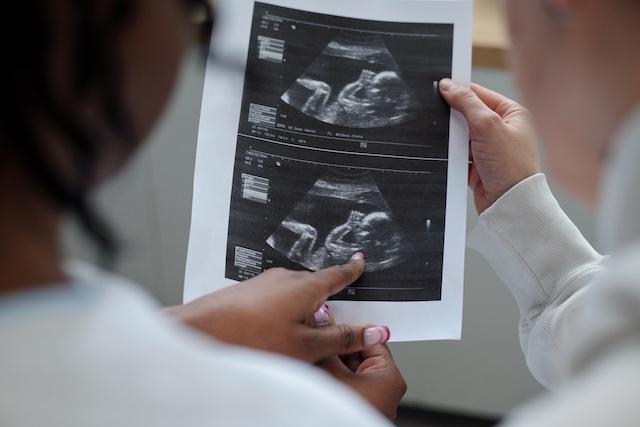
Instead of relying on exercise testing, the model uses routinely collected data, including cardiac ultrasound images and information from electronic health records. These sources are already embedded in standard clinical care, making the approach potentially scalable across a wide range of healthcare settings.
“This opens up a promising pathway for more efficient assessment of patients with advanced heart failure using data sources that are already embedded in routine care,” said study senior author Dr. Fei Wang, associate dean for AI and data science and the Frances and John L. Loeb Professor of Medical Informatics at Weill Cornell Medicine.
A collaborative effort across disciplines
The study represents a highly collaborative effort involving experts in artificial intelligence, informatics, and clinical cardiology. Alongside Dr. Wang’s team, key contributors included Dr. Deborah Estrin, associate dean for impact at Cornell Tech, and Dr. Nir Uriel, director of advanced heart failure and cardiac transplantation at NewYork-Presbyterian.
The work forms part of the broader Cardiovascular AI Initiative, a joint effort between Cornell, Columbia, and NewYork-Presbyterian aimed at advancing the use of artificial intelligence in heart failure diagnosis and management.
“Initially we put together a group of more than 40 heart failure specialists and asked them to tell us where they thought AI could best be applied,” said Dr. Uriel.
One of the most promising opportunities identified was the use of artificial intelligence to analyse cardiac ultrasound data in order to detect advanced heart failure earlier and more accurately.
How the AI model works
The research team developed a multi-modal, multi-instance machine learning model designed to process multiple types of clinical data simultaneously. These included:
- Moving ultrasound images of the heart
- Waveform imagery showing heart valve motion and blood flow
- Structured and unstructured data from electronic health records
“The close interaction between clinicians and AI researchers on this project ended up driving the development of new AI techniques that would not have been explored otherwise,” said Dr. Estrin. “So, this was a case of medicine shaping the future of AI – not just AI shaping the future of medicine.”
Training and validation
The model was trained using deidentified data from 1,000 people with heart failure treated at NewYork-Presbyterian/Columbia University Irving Medical Center.
Once trained, it was tested on a separate group of 127 people with heart failure from three additional NewYork-Presbyterian campuses. The goal was to assess how accurately the model could predict peak VO2 and identify individuals at high risk.
Strong early performance
The results demonstrated a level of accuracy that exceeds previous artificial intelligence approaches for predicting peak VO2.
Using a standard performance metric for risk prediction, the model achieved an overall accuracy of approximately 85%. This suggests that the tool could effectively distinguish between people at higher and lower risk of advanced heart failure in clinical settings.
Implications for clinical practice
If validated in further studies, this approach could significantly expand access to advanced heart failure assessment. By removing the need for specialised exercise testing in some cases, clinicians may be able to identify high-risk individuals earlier and initiate appropriate treatment sooner.
“If we can use this approach to identify many advanced heart failure patients who would not be identified otherwise, then this will change our clinical practice and significantly improve patient outcomes and quality of life,” Dr. Uriel said.
Next steps towards clinical adoption
The research team is now planning prospective clinical studies to further evaluate the model. These studies will be essential for regulatory approval, including review by the U.S. Food and Drug Administration, and for eventual integration into routine clinical workflows.
The work was partially supported by funding from NewYork-Presbyterian as part of the Cardiovascular AI Initiative. As with other research at Weill Cornell Medicine, relationships with external organisations are disclosed publicly to ensure transparency.
Source: Weill Cornell Medicine