
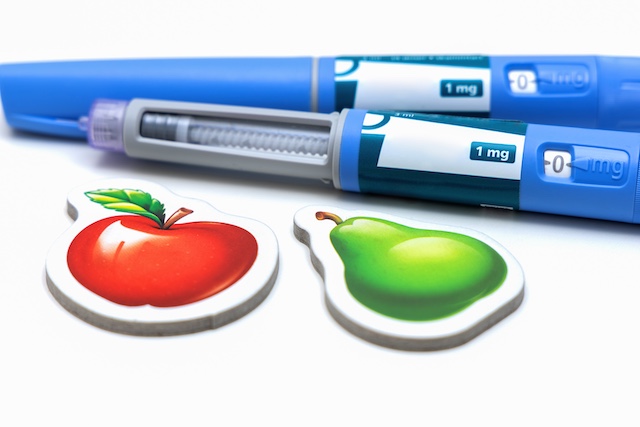
Study Suggests GLP-1 Medications May Reduce Frailty Progression in Older Adults
Key Takeaways:
- Older adults with type 2 diabetes who begin SGLT-2 inhibitors or GLP-1 receptor agonists show slower frailty progression over one year compared with those starting other diabetes therapies.
- The analysis, based on a large national Medicare dataset, suggests these medications may offer benefits beyond glycaemic and cardiovascular control, potentially supporting strength, mobility, and functional independence.
- The protective effect was not fully explained by fewer cardiovascular or safety events, indicating a possible direct influence of these drug classes on frailty itself.
Emerging evidence that newer diabetes drugs may protect against frailty
A new study has found that older adults living with type 2 diabetes who initiate treatment with sodium–glucose cotransporter-2 (SGLT-2) inhibitors or glucagon-like peptide-1 (GLP-1) receptor agonists experience significantly slower progression of frailty over a 12-month period compared with those starting alternative diabetes medications. The findings point to a potential added advantage of these therapies in helping older adults maintain physical resilience, strength, and independence, complementing their established effects on blood glucose regulation and cardiovascular risk reduction.
Study overview and methods
The research, published in Diabetes Care and titled “Sodium–Glucose Cotransporter-2 Inhibitors, Glucagon-Like Peptide-1 Receptor Agonists, and Frailty Progression in Older Adults With Type 2 Diabetes”, examined a large national cohort of older adults in the United States who had recently begun different classes of diabetes medication.
The investigators analysed a 7 per cent sample of Medicare claims data, enabling real-world tracking of over one year of health outcomes. Frailty progression was assessed using a validated claims-based Frailty Index (CFI), which ranges from 0 to 1 and reflects the cumulative presence of age-related health deficits. Higher CFI scores indicate more severe frailty.
Key findings – slower frailty progression with SGLT-2 and GLP-1 therapies
Older adults newly prescribed a GLP-1 receptor agonist, such as semaglutide (Ozempic) or liraglutide (Victoza), demonstrated a mean CFI change of –0.007 (95 per cent CI: –0.011 to –0.004) compared with matched new users of DPP-4 inhibitors. Those initiating SGLT-2 inhibitors, including empagliflozin (Jardiance) and dapagliflozin (Farxiga), experienced a mean change of –0.005 (95 per cent CI: –0.008 to –0.002).
These figures represent a statistically significant slowing in frailty progression over the study period. In contrast, people beginning sulfonylureas did not show a meaningful difference relative to DPP-4 inhibitor users.
Importantly, the study found that cardiovascular events and other safety-related health issues explained only a small proportion of the protective association. This suggests that these classes of medications may exert a more direct biological effect on mechanisms related to frailty, such as inflammation, physical function, or metabolic stress.
Why frailty matters in older adults with type 2 diabetes
Frailty is common among older adults and especially prevalent in people living with type 2 diabetes. Previous research indicates that 10–15 per cent of adults over the age of 65 meet criteria for frailty, with substantially higher rates among those with diabetes. Multiple factors contribute to this increased vulnerability, including chronic low-grade inflammation, accelerated muscle loss, cardiovascular disease, and the overall physiological strain of managing a long-term condition.
Frailty is linked to an elevated risk of falls, disability, hospital admission, diminished quality of life, and reduced survival. Because frailty is difficult to reverse once it becomes established, clinicians and researchers have prioritised strategies that can delay or slow its progression. The study’s findings therefore hold particular significance for geriatric diabetes care.
Clinical implications – a possible shift in medication decision-making
The results may encourage clinicians to consider the broader health trajectory of older adults when selecting diabetes medications, especially as SGLT-2 inhibitors and GLP-1 receptor agonists are increasingly used for combined glycaemic, cardiovascular, and renal protection.
Chanmi Park, MD, MPH, the study’s lead author and Assistant Scientist I at the Hinda and Arthur Marcus Institute for Aging Research at Hebrew SeniorLife, highlighted this point:
“While SGLT-2 inhibitors and GLP-1 receptor agonists are primarily prescribed for blood sugar control and heart protection, our findings show they may also help older adults with diabetes stay stronger and less vulnerable to health setbacks. Because frailty is common, serious, and hard to reverse, this could meaningfully change how clinicians think about medication choices for ageing patients.”
A promising step towards more holistic diabetes care
The study adds to a growing body of literature suggesting that newer diabetes medications may offer multidimensional benefits. By potentially supporting physical resilience in addition to metabolic and cardiovascular health, SGLT-2 inhibitors and GLP-1 receptor agonists could become central tools in promoting healthier ageing for people living with type 2 diabetes.
Further research will be needed to better understand the biological mechanisms at play and to determine whether similar benefits appear in more diverse patient populations and longer-term studies.
CCH insight:
The results of this study are very encouraging from the perspective of GLP-1 medications and muscle mass/strength. There are currently concerns in some quarters about potential excess loss of muscle mass and sarcopenia accompanying weight loss from these drugs. However, this study points towards a positive impact on physical strength and function from GLP-1 therapy.
Read More
Scientists Discover Key Protein Triggering Inflammation Linked to Obesity and Type 2 Diabetes
Key Takeaways:
- Researchers have identified FAM20C as a protein that triggers inflammation and insulin resistance in fat cells, a process linked to type 2 diabetes.
- Blocking or removing the FAM20C gene in mice improved insulin sensitivity and reduced inflammation, even without weight loss.
- High levels of FAM20C in human fat tissue are associated with insulin resistance, suggesting a potential new therapeutic target.
Early trigger identified in obesity-related inflammation
Investigators at Weill Cornell Medicine have uncovered an early step in the chain of events that links obesity to inflammation and insulin resistance – key contributors to the development of type 2 diabetes.
Their findings, published on 28 October in the Journal of Clinical Investigation, identify a protein known as FAM20C as a critical “switch” that initiates inflammation within fat cells. The study, conducted in mice, shows that when this protein is removed or blocked, metabolic health improves markedly, even without weight loss.
“By inhibiting or getting rid of FAM20C in fat cells, the mice became healthier even at the same body weight,” said senior author Dr James Lo, the Rohr Family Clinical Scholar and an Associate Professor of Medicine in the Division of Cardiology at Weill Cornell Medicine. “Their fat becomes metabolically healthier, reducing harmful inflammation in fat cells that can lead to chronic diseases like type 2 diabetes, fatty liver disease and heart disease.”
FAM20C: A molecular switch for inflammation
The research team, led by first author Dr Ankit Gilani, a Research Associate in Medicine at Weill Cornell Medicine, discovered FAM20C while screening genes that were switched on in the fat cells of mice with obesity and inflammation. FAM20C belongs to a class of enzymes known as kinases, which work by adding phosphate groups to other proteins – a process that can alter their activity and influence gene expression.
When the researchers increased the production of FAM20C in fat cells, the cells began releasing inflammatory molecules and became resistant to insulin. In contrast, blocking or deleting the gene in mice with obesity had the opposite effect – it reduced inflammation, improved insulin sensitivity, and decreased the accumulation of visceral fat (fat surrounding internal organs), even when total body weight remained unchanged.
“During obesity, when this gene is switched on in the adipose tissue, it causes inflammation,” Dr Gilani explained. “It drives the expression of other inflammatory genes, and then it causes insulin resistance, which can lead to type 2 diabetes.”
Evidence from human fat tissue
To determine whether the same mechanism operates in humans, the researchers analysed visceral fat tissue samples from individuals living with obesity. They found that higher levels of FAM20C were associated with insulin resistance – a key driver of type 2 diabetes – while people with lower FAM20C levels tended to exhibit better metabolic health despite having overweight or obesity.
These findings suggest that the FAM20C pathway could play a pivotal role in determining whether fat tissue becomes inflamed and metabolically harmful or remains relatively benign.
Next Steps: Targeting FAM20C and its downstream pathways
The research team now plans to investigate how FAM20C influences other tissues involved in metabolism and metabolic disease. They are particularly interested in a protein called CNPY4, which is activated by FAM20C and appears to be central to the inflammatory process.
“CNPY4 is going to be a major focus of future research to see how strongly it affects insulin resistance, and whether it could be a target for therapies to treat or prevent insulin resistance,” said Dr Lo, who is also a member of the Weill Center for Metabolic Health and the Cardiovascular Research Institute at Weill Cornell Medicine, and a cardiologist at NewYork-Presbyterian/Weill Cornell Medical Center.
Ultimately, the team hopes to develop small-molecule drugs that can block FAM20C or CNPY4 activity. Such therapies could reduce inflammation, lower visceral fat levels, improve insulin sensitivity, and help prevent or treat type 2 diabetes. Dr Lo noted that these treatments might one day be used alongside weight loss medications, or to support people who continue to experience metabolic inflammation and cardiovascular risk even after losing weight.
Funding and support
This research was supported in part by the National Institute of Diabetes and Digestive and Kidney Diseases (NIDDK), part of the National Institutes of Health (NIH), through grants R01DK121140 and R01DK121844.
CCH insights
For a long time now we have known that inflammation in visceral adipose tissue is a major factor in insulin resistance, but it is still unknown why some people with obesity experience this adipose tissue inflammation and subsequent metabolic dysfunction, while other people with obesity do not. This research suggests that the FAM20C protein may contribute to this switch from healthy adipose tissue to inflamed, dysfunctional adipose tissue, and could offer an exciting new therapeutic pathway for type 2 diabetes and other cardiometabolic conditions.
Read More
Weight Training Outperforms Running in Blood Sugar Control, Virginia Tech Mice Study Shows
Key Takeaways:
- Researchers at Virginia Tech found that resistance training was more effective than running in improving glucose tolerance and reducing insulin resistance in mice fed a high-fat diet.
- Both endurance and resistance exercise reduced body fat and improved blood sugar regulation, but resistance training yielded stronger metabolic benefits.
- The study suggests that strength training could play a particularly valuable role in preventing and managing Type 2 diabetes.
Weightlifting may offer unique metabolic benefits
Running is widely recognised for its cardiovascular and calorie-burning benefits, but new preclinical findings from the Fralin Biomedical Research Institute at Virginia Tech Carilion suggest that lifting weights may be even more effective for controlling blood sugar and reducing body fat.
Published on 30 October in the Journal of Sport and Health Science, the study compared the effects of endurance and resistance exercise in mice fed a high-fat diet, a common experimental model for obesity, hyperglycaemia, and Type 2 diabetes.
The team, led by Professor Zhen Yan, an exercise medicine researcher and director of the institute’s Centre for Exercise Medicine Research, found that while both running and weight training improved the body’s ability to clear excess glucose from the bloodstream, resistance training had a stronger impact on reducing both subcutaneous and visceral fat, improving glucose tolerance, and lowering insulin resistance.
“We all want to live a long, healthy life,” said Yan. “We all know the benefits of regular exercise. There is plenty of evidence in humans that both endurance exercise, such as running, and resistance exercise, such as weightlifting, are effective in promoting insulin sensitivity.”
Although both types of activity are known to improve metabolic function, the researchers noted that there had previously been no rigorous, controlled comparison between them.
Developing a model for ‘mouse weightlifting’
To address this gap, the Virginia Tech team created a first-of-its-kind preclinical model of resistance training in mice.
In their experiment, the mice lived in custom-built cages where food was available only through a hinged, weighted lid. To eat, the mice had to lift the lid while wearing a small shoulder collar, performing a movement similar to a human squat. The load was gradually increased over time, effectively replicating progressive strength training.
Meanwhile, the endurance group of mice was given unrestricted access to a running wheel, a standard model for voluntary aerobic exercise. Control groups included sedentary mice maintained on either a normal or high-fat diet.
Over an eight-week period, the researchers monitored changes in body weight, fat distribution, and body composition. They measured exercise capacity with treadmill tests, assessed cardiovascular and muscular performance, and evaluated blood sugar regulation. Muscle tissue samples were also analysed to study insulin signalling at the molecular level.
Using their novel resistance training model, the team could directly compare the metabolic outcomes of running and strength exercise under controlled conditions.
“Our data showed that both running and weightlifting reduce fat in the abdomen and under the skin and improve blood glucose maintenance with better insulin signalling in skeletal muscle,” Yan said. “Importantly, weightlifting outperforms running in these health benefits.”
Implications for obesity and diabetes prevention
Obesity and Type 2 diabetes remain among the most pressing public health challenges, driven largely by high-fat diets and sedentary lifestyles. The new study supports existing clinical evidence showing that endurance, resistance, and high-intensity interval training all contribute to better long-term blood sugar control, reduced body mass index, lower blood pressure, and improved overall well-being.
However, this Virginia Tech study fills a critical gap by directly comparing the two types of exercise in a controlled model of diet-induced obesity. The findings may have important implications for exercise recommendations and diabetes prevention strategies.
“The findings also bring good news for people who, for any number of reasons, cannot engage in endurance-type exercise,” Yan explained. “Weight training has equal, if not better, anti-diabetes benefits.”
Exploring new mechanisms and future therapies
The researchers also observed molecular changes in skeletal muscle that may help explain the enhanced benefits of resistance training. These shifts in insulin signalling pathways could, according to the team, inform the development of new drug therapies for managing Type 2 diabetes.
Interestingly, the improvements seen with resistance training were not directly linked to increased muscle mass or superior exercise performance, suggesting that unique metabolic mechanisms may be at work.
Yan emphasised that although pharmacological interventions such as GLP-1 receptor agonists are valuable tools in diabetes management and weight loss, they cannot replace the broad, systemic benefits of physical activity.
“The take-home message is that you should do both endurance and resistance exercise, if possible, to get the most health benefit,” he said.
The study was supported by the National Institute of Arthritis and Musculoskeletal and Skin Diseases of the National Institutes of Health and by the Red Gates Foundation, with collaborators from the University of Virginia contributing to the work.
CCH insights
This is an interesting study, but it is important to note it was conducted in mice, not humans. Having said that, perhaps the most reassuring thing about these results is that both types of exercise provided metabolic health benefits. The critical thing about physical activity is that any amount and type is better than doing none, and while a combination of endurance and resistance is probably best, if you can only manage one type or the other, it will have a positive impact.
Read More
Novo Nordisk’s Oral Semaglutide Shows Cardiovascular Benefits Comparable to Wegovy Injection
Key Takeaways:
- Novo Nordisk’s new oral semaglutide 25 mg pill improved blood glucose control and reduced cardiovascular risk factors, matching the effects of its injectable counterpart, Wegovy.
- Data from the OASIS 4 trial showed significant weight loss and normalisation of blood glucose in people with prediabetes.
- The company expects U.S. regulatory approval for the first oral GLP-1 treatment for weight management by the end of 2025.
Oral GLP-1 pill shows comparable benefits to injection
Novo Nordisk has presented new findings suggesting that its experimental oral obesity medication delivers cardiovascular and metabolic benefits similar to those achieved with its blockbuster injectable, Wegovy. The results were shared at the ObesityWeek 2025 conference in Atlanta and strengthen the Danish company’s case for approval of the pill in the United States later this year.
The oral semaglutide 25 mg tablet, part of the company’s glucagon-like peptide-1 receptor agonist (GLP-1RA) portfolio, was shown to improve blood sugar regulation and reduce cardiovascular risk factors. These results could mark a milestone in obesity care, as the pill would become the first oral GLP-1 therapy approved for weight management.
OASIS 4 trial results
The data come from the OASIS 4 clinical trial, which compared oral semaglutide 25 mg with placebo in adults with overweight or obesity. After 64 weeks, 71.1% of participants with prediabetes who received the treatment achieved normal blood glucose levels, compared with 33.3% in the placebo group.
Participants who lost at least 15% of their body weight experienced additional health benefits, including reductions in blood pressure, inflammatory markers, and triglycerides. Overall, the trial demonstrated both significant weight loss and improvements in cardiometabolic health outcomes.
The primary OASIS 4 results, published in September in the New England Journal of Medicine, reported an average weight loss of 16.6% among participants taking the oral semaglutide.
Comparable outcomes with Wegovy injection
An indirect comparison between OASIS 4 and Novo Nordisk’s earlier STEP 1 trial, which evaluated injectable semaglutide (Wegovy), found the two formulations delivered comparable outcomes in weight reduction and improvements across key cardiometabolic markers.
These findings suggest that people who prefer not to use injectables could soon have an equally effective oral alternative. As demand for obesity pharmacotherapy continues to rise, an oral formulation may further expand access and adherence to GLP-1 treatments.
Regulatory outlook and market plans
The U.S. Food and Drug Administration (FDA) accepted Novo Nordisk’s application for oral Wegovy in May and is expected to deliver a decision by the end of the fourth quarter of 2025. The company has stated that, if approved, it intends to launch the product shortly thereafter.
Despite a recent dip in share price and slower sales growth, Novo Nordisk’s prospects have been buoyed by positive trial outcomes and an improved pricing arrangement under Medicare. The company is also undergoing leadership changes, including a new Chief Executive Officer and a restructured board, amid efforts to stabilise growth.
Novo Nordisk has indicated that, once approved, the pill will be made available through telehealth platforms such as Ro and WeightWatchers, with a potential subscription model offering discounted pricing. Additionally, Hims & Hers Health recently confirmed it is in discussions with Novo to provide both injectable and oral forms of Wegovy through its digital platform.
A step forward in accessible obesity care
If approved, Novo Nordisk’s oral semaglutide could redefine accessibility and adherence in obesity care. The convenience of a pill that matches the efficacy of an injectable treatment offers a compelling new option for people managing obesity and related cardiometabolic risks.
By broadening the range of treatment modalities within the GLP-1 class, Novo Nordisk continues to shape the evolving landscape of obesity pharmacotherapy — a field that is rapidly transforming the management of metabolic health worldwide.
CCH insights
This news about oral semaglutide is very welcome, but shouldn’t come as a surprise. Oral semaglutide is the exact same compound as injectable semaglutide, and as long as the dose administered orally is sufficient to deliver a similar blood concentration as the injectable form, then the effects should be very similar. It’s the same drug, just a cheaper and easier, but less efficient, route of administration.
Read More
Strawberries May Support Glucose Control and Reduce Inflammation in Prediabetes, Study Finds
Key Takeaways:
- Daily intake of freeze-dried strawberries for 12 weeks improved fasting glucose and reduced inflammation in adults with prediabetes.
- Antioxidant biomarkers including superoxide dismutase, glutathione, and β-carotene significantly increased during strawberry supplementation.
- Findings suggest strawberries could serve as a practical, food-based intervention to prevent progression to type 2 diabetes.
Strawberries and prediabetes: A promising link
A new randomised controlled trial published in Antioxidants has found that consuming freeze-dried strawberries (FDS) daily may help reduce fasting blood glucose and vascular inflammation in adults with prediabetes. The research also showed marked improvements in antioxidant status, highlighting the potential of strawberries as a simple dietary intervention for metabolic health.
The authors concluded that “strawberries may represent a practical dietary intervention that improves fasting glucose and strengthens antioxidant defence in adults with prediabetes.”
Understanding prediabetes and oxidative stress
Prediabetes represents a critical stage between normal glucose metabolism and type 2 diabetes mellitus (T2DM). It is characterised by mildly elevated blood glucose levels, which contribute to oxidative stress and low-grade inflammation.
High glucose levels increase reactive oxygen species (ROS), impairing insulin function and damaging pancreatic β-cells. Proinflammatory cytokines such as tumour necrosis factor-alpha (TNF-α) further aggravate insulin resistance by interfering with glucose uptake and triggering inflammatory pathways. Over time, these effects contribute to vascular dysfunction and atherosclerosis through increased endothelial adhesion molecules and reduced antioxidant enzyme activity.
Dietary antioxidants – including vitamins, polyphenols, and carotenoids – can neutralise oxidative stress. However, studies using supplements have produced inconsistent results due to differences in absorption and bioavailability. Evidence from clinical trials and meta-analyses indicates that plant-based antioxidants can improve total antioxidant capacity and glycaemic outcomes in people with prediabetes or T2DM.
Berries, particularly strawberries, are rich in polyphenols such as anthocyanins and ellagic acid, which are known to enhance antioxidant enzyme activity and improve insulin sensitivity. Previous studies using FDS have already shown benefits for inflammation and oxidative stress in metabolic disorders, providing a foundation for this new research.
Study design and methodology
Researchers at the University of Nevada, Las Vegas, conducted a 28-week randomised controlled crossover trial involving 25 adults who met the American Diabetes Association’s diagnostic criteria for prediabetes.
Each participant completed two 12-week phases: one with daily FDS intake and another control period without strawberries, separated by a four-week washout. Participants were randomly assigned to begin with either the FDS or control phase.
During the intervention, participants consumed 32 grams of FDS powder per day – equivalent to roughly 2.5 servings of fresh strawberries – containing dietary fibre, polyphenols, flavonols, and anthocyanins. They were instructed to maintain their usual diet and physical activity throughout the trial.
Compliance was carefully monitored using dietary logs, returned powder packets, and plasma ellagic acid levels. Blood samples were collected at baseline, 12, 16, and 28 weeks to measure fasting glucose, antioxidant enzyme activity, total antioxidant capacity, and vascular adhesion molecules using standardised assays. Carotenoid levels were analysed via high-performance liquid chromatography (HPLC).
A mixed-model analysis of variance (ANOVA) was used to evaluate treatment effects while accounting for treatment period, randomisation order, age, sex, fasting glucose, and baseline values. Power analysis confirmed the study was adequately powered to detect meaningful changes in metabolic and antioxidant markers.
Improvements in antioxidant and metabolic markers
Results showed high adherence rates, with more than 85% compliance confirmed by elevated plasma ellagic acid during the FDS phase.
Compared with the control period, strawberry supplementation produced significant improvements in several antioxidant biomarkers, including superoxide dismutase, glutathione (GSH), total antioxidant capacity (AC), and β-carotene. No significant changes were observed in catalase, glutathione reductase, glutathione peroxidase, or α-carotene.
Fasting blood glucose levels also decreased significantly during the FDS period, indicating better glycaemic control. Moreover, markers of vascular inflammation – particularly intercellular adhesion molecule (ICAM) and vascular cell adhesion molecule (VCAM) – were notably reduced. Levels of P-selectin and E-selectin remained unchanged.
Correlation analyses revealed modest inverse relationships between ICAM and GSH, AC, and β-carotene, and between VCAM and AC, suggesting that stronger antioxidant status was associated with reduced vascular inflammation.
Only minor side effects were reported, such as mild gastrointestinal discomfort and headaches.
Implications and limitations
The findings suggest that incorporating strawberries into the diet could help strengthen antioxidant defences, lower inflammation, and improve fasting glucose regulation in people with prediabetes. These benefits may be linked to polyphenols enhancing glutathione synthesis and superoxide dismutase activity, alongside carotenoids and anthocyanins reducing oxidative stress and endothelial dysfunction.
The study’s strengths include its randomised crossover design, objective biomarker measurements, and the use of a realistic dietary dose of strawberries. However, the relatively small and predominantly female sample, the absence of a placebo control drink, lack of participant blinding, and single-site recruitment limit the generalisability of results.
The study was funded by the California Strawberry Commission.
A food-based approach to diabetes prevention
In summary, consuming a daily portion of freeze-dried strawberries for 12 weeks led to measurable improvements in antioxidant capacity, fasting glucose, and vascular inflammation among adults with prediabetes.
While further research in larger, more diverse populations is needed, these results point to strawberries as a simple, accessible dietary strategy that could help prevent the progression from prediabetes to type 2 diabetes in everyday clinical and public health settings.
CCH insights
It is great to have research that shows health benefits from eating strawberries, because nearly everyone loves strawberries and there aren’t many foods that are extremely popular and good for us. However, the amount of freeze-dried strawberries consumed in this study would set you back about £20 per week – not a huge amount, but during a cost-of-living crisis might not be feasible for many people. This study was, unsurprisingly, funded by the California Strawberry Commission, and it begs the question whether eating other berries or certain other foods might not have a similar effect – but credit to the strawberry industry for making the effort to do the research.
Read More
New Study Tests Virtual Mindfulness Therapy to Ease Stress in Young People Living with Diabetes
Key Takeaways:
- A three-year, $941,418 NIH-funded study will assess whether virtual reality–enhanced mindfulness can reduce stress in young people living with type 1 diabetes.
- Researchers from Wayne State University and Johns Hopkins University aim to improve coping and mental health outcomes through immersive, accessible virtual sessions.
- If effective, the intervention could be scaled to benefit other young adults with chronic conditions and high stress levels.
Exploring virtual reality for stress reduction
Researchers from Wayne State University and Johns Hopkins University are investigating how virtual reality (VR) might help young adults living with type 1 diabetes better manage stress. The study, titled “Feasibility of MBSR-VR to Reduce Stress among Emerging Adults with T1D,” is supported by a three-year grant of $941,418 from the National Institute of Diabetes and Digestive and Kidney Diseases (NIDDK), part of the National Institutes of Health (NIH).
April Idalski Carcone, Ph.D., Professor of Family Medicine and Public Health Sciences at Wayne State University’s School of Medicine, serves as co-principal investigator on the project alongside Dr Erica Sibinga, M.D., M.H.S., Associate Professor of Paediatrics at the Johns Hopkins University School of Medicine.
The impact of stress on young people with diabetes
Dr Carcone explained the importance of the research:
“We’ve been collaborating with Johns Hopkins University on this line of research for more than 10 years. Diabetes is a chronic illness that creates additional stress in young people who are already going through a lot of anxiety figuring out their lives and deciding what to do after high school and so forth.”
She noted that stress can significantly worsen physical health:
“Stress can exacerbate health issues, particularly for those already going through physical challenges. Cortisol increases as a result of stress, and stress can essentially wear out the body. So if your body is already going through difficulties, it can make your health even worse.”
Young people living with type 1 diabetes must manage demanding self-care routines and fluctuating glucose levels, often while navigating major life transitions. These pressures contribute to a higher risk of anxiety, depression, and burnout.
Mindfulness meets virtual reality
The research team aims to evaluate the feasibility and acceptability of delivering Mindfulness-Based Stress Reduction (MBSR) through virtual reality, referred to as MBSR-VR. The approach integrates traditional mindfulness practices with immersive VR environments designed to foster relaxation and focus.
Dr Carcone said:
“One of the challenges we had with an earlier version of this research was that we were gathering people onto campus for group intervention sessions, but it was logistically difficult to bring everyone to campus at the same time in the same place. Instead, we decided to try this in a virtual format.”
She added that the virtual environment offers greater engagement and flexibility:
“People coming together in a VR space sounded very exciting and provided us with a format that was a little more engaging. We can utilise different virtual environments as opposed to the split-screen Zoom-style call that we are all so familiar with. You can virtually gather people around a campfire, in a pool where you can toss a virtual beachball around, and so forth.”
Research collaboration and goals
Alongside Dr Carcone and Dr Sibinga, the project includes Dr Deborah Ellis, Associate Department Chair of Research for the Department of Family Medicine and Public Health Sciences at Wayne State University, and Dr Angulique Outlaw, Associate Professor of Behavioural Sciences within the same department.
The study will explore whether MBSR-VR can:
- Improve coping mechanisms for stress among individuals aged 16–20 with type 1 diabetes and high stress reactivity.
- Enhance mindfulness and emotional well-being.
- Positively influence glycaemic control and reduce psychological distress, including symptoms of depression and anxiety.
If successful, the intervention could be adapted for broader use across other chronic conditions where stress significantly impacts health outcomes.
Reaching young adults where they are
Dr Carcone highlighted how the virtual approach could make mindfulness training more accessible and socially engaging:
“Youths between ages 16 and 20 are very motivated by their social life, peers and significant others. These techniques allow us to bring people together who might not otherwise be able to come together.”
She emphasised that the programme could reach those living in rural or remote areas:
“In Detroit, you can gather patients at a hospital, but this method will also allow us to help those living in more rural communities. There’s often not another person who has type 1 diabetes if you live in a small Upper Peninsula community, for instance. This will let them touch base with others their own age who are going through something similar and share experiences that they might not be comfortable talking about with a friend who isn’t going through the same thing.”
Supporting research innovation
Ezemenari M. Obasi, Ph.D., Vice President for Research & Innovation at Wayne State University, praised the project:
“This award from the National Institutes of Health is an excellent example of the important research that our faculty are engaged in that are seeking solutions for complex challenges. The work of Dr Carcone and her collaborators could assist the lives of countless young people in Detroit, across Michigan and around the globe.”
Looking ahead
With stress recognised as a major barrier to effective diabetes management, this study may pave the way for new digital mental health interventions that combine accessibility, engagement, and clinical impact. Should MBSR-VR prove feasible and effective, it could form part of a new generation of evidence-based tools that empower young adults with chronic conditions to manage stress and improve their overall health and well-being.
Grant number: 1R01DK141816 (National Institute of Diabetes and Digestive and Kidney Diseases, NIH)

Green Tea Shows Significant Benefits for Glucose Metabolism and Muscle Health in Mice with Obesity
Key Takeaways:
- Green tea extract significantly improved insulin sensitivity, glucose tolerance, and muscle preservation in mice with obesity, even when they continued consuming a high-calorie diet.
- The study controlled for temperature effects, providing clearer evidence that green tea’s metabolic benefits are independent of cold-induced energy expenditure.
- Findings suggest a potential role for green tea as a safe, accessible adjunct to obesity treatment in humans, though exact dosing for people remains to be established.
Ancient beverage, modern research
Green tea, long valued for its medicinal and antioxidant properties, continues to attract scientific interest for its impact on metabolic diseases such as obesity and type 2 diabetes. A recent study led by Professor Rosemari Otton from the Interdisciplinary Graduate Programme in Health Sciences at Cruzeiro do Sul University in São Paulo, Brazil, offers new insights into how green tea affects metabolism.
Otton, who has dedicated over 15 years to the study of green tea, explained that her initial curiosity stemmed from the popular belief that green tea promotes weight loss. The findings of her latest research, published in Cell Biochemistry & Function, reinforce the potential of green tea as a therapeutic adjunct in managing obesity.
Study design and green tea administration
The research team first fed mice a high-calorie diet for four weeks, including both a fat-rich diet and a “cafeteria diet” to replicate a Western-style eating pattern. “We give them chocolate, filled cookies, dulce de leche, condensed milk… In other words, the same type of food that many people consume on a daily basis,” said Otton.
After this induction phase, the mice continued on the high-calorie diet for 12 weeks, with some receiving a standardised green tea extract at 500mg per kilogram of body weight via intragastric gavage. This method ensured precise dosing. “If we put it in water, for example, we’d have no way of knowing how much the animal actually ingested,” Otton explained.
For humans, this dose would equate to approximately 3 grams of green tea daily — roughly three cups. However, Otton cautioned that not all commercial products meet required standards:
“Ready-made tea bags do not always guarantee the quantity or quality of the compounds. The ideal for consumption would be to use standardised green tea extract, like those found in compounding pharmacies. This is a concentrated way of using the plant, with a guarantee of the presence of flavonoids, which are the health-beneficial compounds present in the green tea plant.”
Controlled conditions for reliable results
A distinctive feature of the study was the use of a thermoneutral environment at 28°C, eliminating confounding effects caused by chronic cold exposure. Mice are typically kept at around 22°C in animal facilities, a temperature that triggers energy expenditure to maintain body heat.
“Excessive cold activates compensatory regulatory mechanisms in the animals’ bodies, causing them to expend more energy to stay warm. This can mask the real effects of any substance,” Otton explained. “By maintaining thermoneutrality, we were able to see the effects of green tea in a ‘clean’ way, without environmental interference.”
A previous study published in European Journal of Nutrition (August 2022) found that obese mice treated with green tea lost up to 30% of their body weight — a reduction Otton described as highly significant:
“If a person loses 5% to 10% of their body weight, that’s already a lot. So this result in animals is very significant.”
Preservation of muscle health
One of the most striking findings of the latest study was the preservation of muscle fibre morphology. Obesity often leads to a reduction in muscle fibre diameter, but green tea helped maintain muscle structure.
“One way to assess muscle function is to look at fibre diameter. If it increases, we have more active muscle components. Green tea managed to maintain this diameter, showing that it protects muscle against the harmful effects of obesity,” Otton said.
Genetic and metabolic insights
The study also explored gene expression related to glucose metabolism. Green tea treatment enhanced the expression of genes such as Insr, Irs1, Glut4, Hk1, and Pi3k, all of which play a role in glucose uptake and utilisation in muscle tissue. Additionally, the activity of lactate dehydrogenase (LDH), an enzyme vital for glucose metabolism, was restored.
Otton noted that green tea appeared to have a selective effect:
“It makes obese animals lose weight but keeps lean animals at a balanced weight. This shows that the tea seems to need an environment with excess nutrients to act, which supports the hypothesis that it acts directly on fat cells.”
Synergy of bioactive compounds
Green tea contains dozens of bioactive compounds, and attempts to isolate them have proven less effective than using the whole extract.
“We’ve tried to separate these compounds and study their effects individually, but the whole extract is always more effective. There’s a synergy between the compounds that we can’t reproduce when they’re isolated,” Otton explained.
One mechanism under investigation involves adiponectin, a protein secreted by fat cells that regulates inflammation and metabolism. In mice genetically modified to lack adiponectin, green tea showed no effect — pointing to adiponectin as a key mediator of its benefits.
Translating findings to human health
Despite these promising findings, Otton cautioned that safe and effective doses for humans have yet to be established, owing to variability in extracts and individual responses. She stressed the importance of long-term, habitual consumption rather than expecting rapid results:
“The ideal is chronic consumption, as we see in Asian countries. In Japan, for example, people consume green tea every day, throughout their lives, and obesity rates are low. But this is different from drinking tea for five months and expecting a miraculous weight loss effect.”
Otton also emphasised the importance of accessible and safe treatment options:
“The idea is to have safe, natural, effective, and high-quality compounds. The Camellia sinensis plant offers this. We’re still studying all the compounds involved, but there’s no doubt that green tea, as a plant matrix rich in flavonoids, has important therapeutic potential.”
The road ahead
Finally, Otton underscored the need for caution when translating animal research to clinical practice:
“What we see in animals doesn’t always reproduce in humans. But if we want to make this translation to real life, we need to think about all the details, such as ambient temperature. It’s these precautions that increase the validity of our data. We’re far from having all the answers, but we’re getting closer and closer.”
Read More