

Study Suggests GLP-1 Medications May Reduce Frailty Progression in Older Adults
Key Takeaways:
- Older adults with type 2 diabetes who begin SGLT-2 inhibitors or GLP-1 receptor agonists show slower frailty progression over one year compared with those starting other diabetes therapies.
- The analysis, based on a large national Medicare dataset, suggests these medications may offer benefits beyond glycaemic and cardiovascular control, potentially supporting strength, mobility, and functional independence.
- The protective effect was not fully explained by fewer cardiovascular or safety events, indicating a possible direct influence of these drug classes on frailty itself.
Emerging evidence that newer diabetes drugs may protect against frailty
A new study has found that older adults living with type 2 diabetes who initiate treatment with sodium–glucose cotransporter-2 (SGLT-2) inhibitors or glucagon-like peptide-1 (GLP-1) receptor agonists experience significantly slower progression of frailty over a 12-month period compared with those starting alternative diabetes medications. The findings point to a potential added advantage of these therapies in helping older adults maintain physical resilience, strength, and independence, complementing their established effects on blood glucose regulation and cardiovascular risk reduction.
Study overview and methods
The research, published in Diabetes Care and titled “Sodium–Glucose Cotransporter-2 Inhibitors, Glucagon-Like Peptide-1 Receptor Agonists, and Frailty Progression in Older Adults With Type 2 Diabetes”, examined a large national cohort of older adults in the United States who had recently begun different classes of diabetes medication.
The investigators analysed a 7 per cent sample of Medicare claims data, enabling real-world tracking of over one year of health outcomes. Frailty progression was assessed using a validated claims-based Frailty Index (CFI), which ranges from 0 to 1 and reflects the cumulative presence of age-related health deficits. Higher CFI scores indicate more severe frailty.
Key findings – slower frailty progression with SGLT-2 and GLP-1 therapies
Older adults newly prescribed a GLP-1 receptor agonist, such as semaglutide (Ozempic) or liraglutide (Victoza), demonstrated a mean CFI change of –0.007 (95 per cent CI: –0.011 to –0.004) compared with matched new users of DPP-4 inhibitors. Those initiating SGLT-2 inhibitors, including empagliflozin (Jardiance) and dapagliflozin (Farxiga), experienced a mean change of –0.005 (95 per cent CI: –0.008 to –0.002).
These figures represent a statistically significant slowing in frailty progression over the study period. In contrast, people beginning sulfonylureas did not show a meaningful difference relative to DPP-4 inhibitor users.
Importantly, the study found that cardiovascular events and other safety-related health issues explained only a small proportion of the protective association. This suggests that these classes of medications may exert a more direct biological effect on mechanisms related to frailty, such as inflammation, physical function, or metabolic stress.
Why frailty matters in older adults with type 2 diabetes
Frailty is common among older adults and especially prevalent in people living with type 2 diabetes. Previous research indicates that 10–15 per cent of adults over the age of 65 meet criteria for frailty, with substantially higher rates among those with diabetes. Multiple factors contribute to this increased vulnerability, including chronic low-grade inflammation, accelerated muscle loss, cardiovascular disease, and the overall physiological strain of managing a long-term condition.
Frailty is linked to an elevated risk of falls, disability, hospital admission, diminished quality of life, and reduced survival. Because frailty is difficult to reverse once it becomes established, clinicians and researchers have prioritised strategies that can delay or slow its progression. The study’s findings therefore hold particular significance for geriatric diabetes care.
Clinical implications – a possible shift in medication decision-making
The results may encourage clinicians to consider the broader health trajectory of older adults when selecting diabetes medications, especially as SGLT-2 inhibitors and GLP-1 receptor agonists are increasingly used for combined glycaemic, cardiovascular, and renal protection.
Chanmi Park, MD, MPH, the study’s lead author and Assistant Scientist I at the Hinda and Arthur Marcus Institute for Aging Research at Hebrew SeniorLife, highlighted this point:
“While SGLT-2 inhibitors and GLP-1 receptor agonists are primarily prescribed for blood sugar control and heart protection, our findings show they may also help older adults with diabetes stay stronger and less vulnerable to health setbacks. Because frailty is common, serious, and hard to reverse, this could meaningfully change how clinicians think about medication choices for ageing patients.”
A promising step towards more holistic diabetes care
The study adds to a growing body of literature suggesting that newer diabetes medications may offer multidimensional benefits. By potentially supporting physical resilience in addition to metabolic and cardiovascular health, SGLT-2 inhibitors and GLP-1 receptor agonists could become central tools in promoting healthier ageing for people living with type 2 diabetes.
Further research will be needed to better understand the biological mechanisms at play and to determine whether similar benefits appear in more diverse patient populations and longer-term studies.
CCH insight:
The results of this study are very encouraging from the perspective of GLP-1 medications and muscle mass/strength. There are currently concerns in some quarters about potential excess loss of muscle mass and sarcopenia accompanying weight loss from these drugs. However, this study points towards a positive impact on physical strength and function from GLP-1 therapy.
Read More
Mice Study Connects Soybean Oil Intake to Liver Changes and Obesity
Key Takeaways:
- New research in mice suggests that weight gain linked to soybean oil is driven by the metabolic products of linoleic acid rather than the oil itself.
- Genetically engineered mice resistant to obesity on a high-fat soybean oil diet produced fewer oxylipins and showed healthier liver function.
- Scientists believe differences in human genetics, enzyme levels, and metabolic stress may influence people’s susceptibility to soybean-oil-related metabolic effects.
A closer look at soybean oil and obesity
Soybean oil is the most widely consumed cooking oil in the United States and is a key ingredient in many processed foods. A growing body of research has associated high intake of soybean oil with weight gain in animals. A new study from the University of California, Riverside (UCR), published in the Journal of Lipid Research, provides fresh insight into why this may occur.
Researchers found that mice consuming a high-fat diet rich in soybean oil gained considerable weight. However, a separate group of genetically engineered mice did not, despite eating the same diet. These altered mice carried a slightly different version of a liver protein that affects the expression of hundreds of genes involved in fat metabolism.
The findings point toward a metabolic mechanism that may help explain differences in weight gain among individuals exposed to similar diets.
“This may be the first step toward understanding why some people gain weight more easily than others on a diet high in soybean oil,” said Sonia Deol, a UCR biomedical scientist and corresponding author of the study.
The role of HNF4α in fat metabolism
In humans, both forms of the liver protein known as HNF4α occur naturally. However, the alternative version typically appears only under certain conditions, such as chronic illness, prolonged fasting, metabolic stress, or alcoholic fatty liver disease. These variations, combined with factors such as age, sex, medication use, and underlying genetics, may influence how different people respond to high levels of soybean oil in their diet.
The UCR team believes that the altered form of HNF4α in genetically engineered mice changes how the body processes linoleic acid, a major fatty acid in soybean oil.
Building on earlier research
The study adds to previous findings from the same research group.
“We’ve known since our 2015 study that soybean oil is more obesogenic than coconut oil,” said Frances Sladek, a UCR professor of cell biology. “But now we have the clearest evidence yet that it’s not the oil itself, or even linoleic acid. It’s what the fat turns into inside the body.”
One of the major metabolic products of linoleic acid is a group of molecules called oxylipins. These compounds are associated with inflammation, fat accumulation, and other metabolic changes.
Oxylipins and their link to weight gain
Mice engineered to produce the alternative form of HNF4α showed markedly lower levels of oxylipins in their livers, despite consuming a high-fat soybean oil diet. They also had healthier liver profiles and enhanced mitochondrial function. Improved mitochondrial activity may help explain their resistance to weight gain.
Researchers pinpointed specific oxylipins derived from both linoleic acid and alpha-linolenic acid (another fatty acid found in soybean oil) that appeared necessary for weight gain in regular mice.
However, the picture is complex. Even though transgenic mice on a low-fat diet showed elevated oxylipin levels, they did not become obese. This suggests that while these molecules contribute to weight gain, they are unlikely to be the sole drivers. Other metabolic conditions must also play a role.
Genetic variation in enzyme levels
Further analysis revealed that the modified mice had far lower levels of two key enzyme families responsible for converting linoleic acid into oxylipins. These enzymes are highly conserved across all mammals, including humans, and can vary significantly from person to person based on factors such as genetics and diet.
The scientists also observed that oxylipin levels in the liver, rather than in the bloodstream, were correlated with body weight. This indicates that standard blood tests may not reliably detect early metabolic disturbances linked to diet.
Soybean oil’s rise in the American diet
Soybean oil consumption in the United States has risen dramatically over the past century. It has increased from around 2 percent of total daily calories to almost 10 percent. Although soybeans provide protein and the oil contains no cholesterol, modern diets deliver far greater quantities of linoleic acid than the body is likely evolved to manage.
In line with this, the UCR study found that soybean oil intake was associated with increased cholesterol levels in mice despite the oil containing no dietary cholesterol. This reflects the complex interplay between dietary fats and internal metabolic pathways.
Questions for future research
The team now aims to understand precisely how oxylipin formation leads to weight gain and whether oils with similarly high linoleic acid content – including corn, sunflower, and safflower oils – trigger comparable effects.
“Soybean oil isn’t inherently evil,” said Deol. “But the quantities in which we consume it is triggering pathways our bodies didn’t evolve to handle.”
Although the researchers have no plans for human trials, they hope the findings will inform future studies and guide public health policy.
“It took 100 years from the first observed link between chewing tobacco and cancer to get warning labels on cigarettes,” Sladek noted. “We hope it won’t take that long for society to recognise the link between excessive soybean oil consumption and negative health effects.”
Read More
WHO Warns of Severe Global Shortages of GLP-1 Obesity Medicines as Demand Surges
Key Takeaways:
- Fewer than one in ten people worldwide who could benefit from GLP-1 medicines such as Wegovy and Mounjaro are currently able to access them, due to major limitations in production, affordability, and health system readiness.
- The World Health Organization has issued its first formal guidance on the clinical use of GLP-1 therapies, describing them as “a new chapter” in the treatment of obesity, but emphasising the need for equitable access and comprehensive lifestyle support.
- Without urgent action, global obesity prevalence is projected to double to two billion people by 2030, with associated economic costs reaching three trillion US dollars.
WHO Issues first guidance on GLP-1 medicines amid severe supply constraints
The World Health Organization has warned that fewer than one in ten people globally who could benefit from modern GLP-1 obesity medicines are currently able to obtain them, despite the scale of the obesity epidemic and the transformative clinical potential of drugs such as Wegovy and Mounjaro.
With more than one billion people worldwide now living with obesity, the WHO has called for far more widespread, affordable, and equitable access to GLP-1 therapies. Projections indicate that more than two billion people will be living with obesity by 2030 unless governments implement decisive action. The economic burden is expected to rise steeply, with global costs anticipated to reach three trillion US dollars by the same date.
Dr Tedros Adhanom Ghebreyesus, WHO Director-General, stressed that modern pharmacological treatments must be understood as part of a long-term care approach. He stated: “Our new guidance recognises that obesity is a chronic disease that can be treated with comprehensive and lifelong care. While medication alone will not solve this global health crisis, GLP-1 therapies can help millions overcome obesity and reduce its associated harms.”
The WHO has already added GLP-1 medicines to its essential medicines list for people who are overweight and living with diabetes, signalling that countries are advised to provide access to them. The organisation’s new guidance, described as a “special communication” aimed at clinicians, sets out for the first time its formal position on the value, limitations, and safe use of these drugs.
A new chapter in obesity treatment
The WHO notes that GLP-1 therapies represent “more than a scientific breakthrough”. They mark a decisive shift in how obesity is conceptualised, moving away from viewing it solely as a “lifestyle condition” and towards recognising it as a complex, preventable, and treatable chronic disease. The statement published in the Journal of the American Medical Association asserted: “GLP-1 therapies … have emerged as an important innovation in addressing the global obesity challenge. The advent of these medications represents a tipping point in the treatment of obesity, its complications and related co-morbidities.”
The WHO highlighted increasing evidence that GLP-1 therapies may also reduce the risk of several serious conditions, including heart attacks, strokes, type 2 diabetes, high blood pressure, elevated cholesterol, sleep apnoea, and kidney and arterial disease.
However, the organisation emphasised that these medicines must always be paired with holistic support. Individuals prescribed GLP-1s should receive advice on nutrition, physical activity, and behavioural counselling to maintain weight loss and improve long-term health outcomes. The WHO also reiterated that pregnant women should not use GLP-1 therapies.
Global access limited by production, affordability, and system capacity
Despite rising demand, global production capacity remains a major barrier. The WHO estimates that even under the most optimistic forecasts, manufacturers could produce enough GLP-1 medicines for only about 100 million people. This represents less than 10 per cent of the more than one billion who could benefit.
High prices, limited manufacturing capability, and supply chain constraints all significantly restrict access. The WHO has urged pharmaceutical companies to expand production rapidly and to reduce the prices of medications such as Mounjaro and Ozempic to prevent people in low-income countries from being excluded.
The guideline calls for measures such as voluntary licensing, through which patent-holding companies allow other manufacturers to produce low-cost generic versions. This pathway may soon become more viable as key patents expire. The patent on semaglutide, the active ingredient in Novo Nordisk’s Wegovy, is due to expire in several countries in 2026. Once this occurs, manufacturers in India, Canada, China, Brazil, Turkey, and other jurisdictions will be able to develop and sell more affordable versions.
The WHO also underscored three persistent barriers that must be addressed to achieve global access:
- Limited production capacity, availability, and affordability.
- Health system readiness to prescribe and monitor the medicines.
- Universal access to healthcare services.
Dr Tedros stressed the organisation’s “greatest concern is equitable access”.
Calls for national action on prevention and supportive environments
While pharmacotherapy can assist individuals living with obesity, the WHO stated that countries must continue to prioritise prevention and create healthier environments. This includes promoting physical activity, improving food systems, and ensuring that population-level interventions accompany advances in medical treatment.
How GLP-1 obesity medicines work
GLP-1 medicines work by mimicking a natural hormone that slows digestion, suppresses appetite, and increases feelings of fullness. This results in people eating less and typically losing weight within a few weeks of starting treatment.
In the United Kingdom, GLP-1 medicines are prescription-only and can only be supplied following clinical assessment by a healthcare professional. Some formulations are available through the NHS, although many are obtained privately. A black market for these medicines exists, and the WHO and UK regulators warn that people should avoid unregulated sources such as beauty salons or social media sellers.
Research suggests that people often regain much of the weight within a year after stopping GLP-1 therapy, as physiological hunger cues return. This further reinforces the need for comprehensive, long-term behavioural support.
Global obesity burden and associated risks
Obesity affects people in every country and was associated with 3.7 million deaths worldwide in 2024, according to the WHO. Being overweight or living with obesity increases the risk of numerous serious health conditions, including type 2 diabetes, cardiovascular disease, stroke, and several cancers. The WHO’s statement highlights the immense public health implications if access to effective interventions continues to lag far behind global need.
Expert commentary
The WHO statement was authored by senior clinicians Francesca Celletti, Luz De Regil, and Jeremy Farrar, the organisation’s Assistant Director for Health Promotion and Disease Prevention and Control. Dr Farrar formerly served as WHO Chief Scientist and Director of the Wellcome Trust in London.
Katherine Jenner, Executive Director of the United Kingdom’s Obesity Health Alliance, emphasised that medicines are only part of the solution. She stated: “Weight loss drugs have an important role to play, but they are not a silver bullet. In the United Kingdom right now, access is still limited, supply is fragile, and NHS use is tightly targeted. These powerful medicines can help individuals with chronic obesity, but they are not suitable for everyone and must be accompanied by comprehensive support to be used safely and effectively. Evidence shows that most people regain weight once they stop taking these drugs, and we cannot medicate two-thirds of the population indefinitely.”
CCH insight:
The limited supply of GLP-1 medicines globally is of course frustrating, but until new drugs come to market, and just liraglutide, semaglutide and tirzepatide available, this is likely to continue. All three of these drugs are polypeptides, delivered via injection ‘pens’ and must be refrigerated, so they are expensive and complicated to produce. However, new GLP-1 medications are in development which should improve access and reduce costs, such as orforglipron – a small molecule which is easier to produce and can be taken orally in pill form.
Read More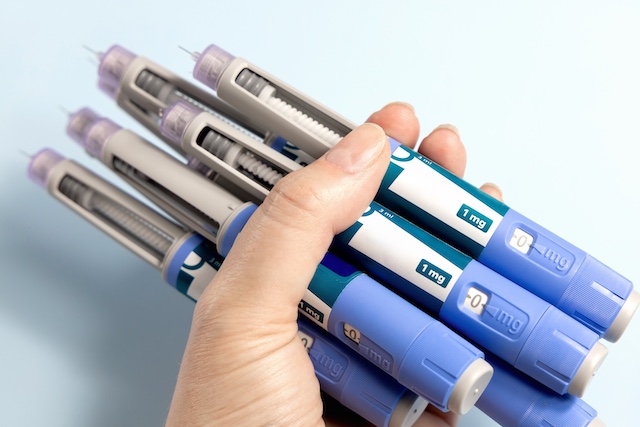
WHO Issues First Global Guideline on GLP-1 Therapies for Treating Obesity
Key Takeaways:
- WHO has released its first global guideline on the use of GLP-1 therapies for treating obesity as a chronic, relapsing disease, offering conditional recommendations for adults.
- While the medicines show meaningful benefits, WHO stresses that medication alone will not reverse the obesity crisis and that person-centred, lifelong care is essential.
- Concerns remain about long-term safety data, affordability, availability, and the potential for widening global health disparities without deliberate policy action.
Introduction: A new milestone in global obesity care
The World Health Organization (WHO) has issued its first global guideline on the use of Glucagon-Like Peptide-1 (GLP-1) therapies for treating obesity, a chronic and relapsing disease affecting more than one billion people worldwide. Obesity contributes to 3.7 million deaths globally each year, and without urgent action the number of people living with obesity is projected to double by 2030.
The new guideline follows the decision made in September 2025 to add GLP-1 therapies to the WHO Essential Medicines List for managing type 2 diabetes in individuals at high risk. With this new document, WHO provides its first formal, conditional recommendations on the use of GLP-1 therapies specifically for obesity as part of a comprehensive treatment approach that includes healthy diets, regular physical activity, and professional health support.
“Obesity is a major global health challenge that WHO is committed to addressing by supporting countries and people worldwide to control it, effectively and equitably. Our new guidance recognises that obesity is a chronic disease that can be treated with comprehensive and lifelong care,” said Dr Tedros Adhanom Ghebreyesus, WHO Director-General. “While medication alone won’t solve this global health crisis, GLP-1 therapies can help millions overcome obesity and reduce its associated harms.”
The global and economic burden of obesity
Obesity is a complex, chronic disease and a major driver of noncommunicable conditions including cardiovascular diseases, type 2 diabetes, and some cancers. It also worsens outcomes for people who develop infectious diseases.
The global economic burden is profound. The worldwide cost of obesity is projected to reach US$ 3 trillion every year by 2030 due to increased healthcare demands and the rising costs of managing obesity-related complications. WHO hopes that clear guidance on the use of GLP-1 therapies will support efforts to reduce escalating healthcare expenditure while improving outcomes for people affected by obesity.
A landmark policy shift: WHO’s conditional recommendations
WHO’s new guideline sets out two key conditional recommendations based on currently available evidence.
1. Use of GLP-1 therapies in adults living with obesity
WHO states that GLP-1 therapies may be considered for long-term treatment in adults, excluding pregnant women. The medicines have demonstrated clear efficacy in supporting weight loss and improving metabolic outcomes. However, the recommendation remains conditional due to several concerns:
- Limited long-term data on safety, durability, maintenance, and outcomes following discontinuation
- High costs of treatment
- Insufficient readiness of health systems to support widespread use
- Possible negative effects on health equity
2. Combining GLP-1 therapies with intensive behavioural interventions
WHO also recommends that adults living with obesity and prescribed GLP-1 therapies may be offered structured behavioural interventions, including support for dietary changes and increased physical activity. This recommendation reflects low-certainty evidence suggesting that combining medication with lifestyle interventions may yield better outcomes.
Medication alone will not reverse the obesity crisis
Although GLP-1 therapies represent the first highly effective pharmacological treatment for adults living with obesity, WHO emphasises that medication on its own is insufficient. Obesity must be addressed as both an individual and societal challenge. The guideline calls for a fundamental shift toward comprehensive strategies built on three pillars:
- Creating healthier environments through population-level policies that promote health and prevent obesity.
- Protecting people at high risk by using targeted screening and structured early interventions.
- Ensuring person-centred, lifelong care for people living with obesity, recognising the chronic nature of the disease.
Implementing the guideline: Equity, system readiness and global access
WHO notes that fair access to GLP-1 therapies must be prioritised. Without deliberate policies, these medicines could deepen existing global health inequalities. System readiness, affordability, and supply capacity are major concerns.
Even with rapid increases in manufacturing, GLP-1 therapies are expected to reach fewer than 10 percent of people who could benefit from them by 2030. WHO urges global leaders to consider approaches that expand access, such as:
- Tiered pricing
- Pooled procurement mechanisms
- Voluntary licensing arrangements
These measures could help prevent widening disparities as demand expands.
Development of the guideline
The guideline was developed in direct response to requests from WHO Member States seeking actionable direction on obesity care. The process involved:
- Extensive assessment of available scientific evidence
- Input from global stakeholders
- Engagement with people who have lived experience of obesity
This document forms a core component of the WHO acceleration plan to stop obesity and will be updated regularly as new evidence emerges.
During 2026, WHO intends to work with partners to create a transparent and equitable prioritisation framework to ensure that individuals with the greatest medical need receive treatment first.
Notes to editors
About GLP-1 therapies for obesity
WHO defines obesity in adults as having a Body Mass Index (BMI) of 30 or above. GLP-1 receptor agonists help lower blood glucose, support weight loss, reduce cardiovascular and renal risks, and can reduce early mortality in people with type 2 diabetes.
This guideline provides recommendations for three GLP-1 agents used in the long-term treatment of obesity in adults:
- Liraglutide
- Semaglutide
- Tirzepatide
Falsified and substandard products
The surge in global demand has contributed to the spread of falsified and substandard GLP-1 products. WHO stresses that safe access requires:
- Prescription and distribution through regulated, qualified healthcare providers
- Strong oversight and monitoring
- Patient education
- International cooperation to safeguard public health
The organisation warns that falsified or substandard medicines threaten both patient safety and public trust.
CCH insight:
This new guideline is very welcome. The World Health Organisation has been a little slow in recognising obesity as a chronic relapsing disease and the importance of GLP-1 medications as a very important development in obesity treatment. However, these guidelines are comprehensive, consistent with treatment of obesity as a chronic relapsing disease, and recognise the challenges of delivering safe, sustainable, equitable obesity care.
Read More
Novo Nordisk’s Amycretin Emerges as a Strong Next-Generation Obesity and Diabetes Candidate in Early and Mid-Stage Trials
Key Takeaways:
- Early and mid-stage studies indicate that amycretin delivers substantial, dose-dependent weight loss in people who are overweight or have obesity, as well as in people with type 2 diabetes.
- Safety findings remain broadly consistent with GLP-1-based agents, with mainly mild to moderate gastrointestinal effects and no weight-loss plateau observed within study periods.
- Novo Nordisk’s new data signal a potentially important successor to semaglutide, strengthening the company’s obesity and diabetes pipeline as it faces patent expirations and competitive pressure from Eli Lilly.
Introduction
A new body of evidence published in The Lancet and released by Novo Nordisk suggests that amycretin, an investigational once-weekly therapy targeting multiple metabolic pathways, may offer clinically meaningful weight reduction and glycaemic improvements in adults who are overweight or have obesity, as well as in adults with type 2 diabetes. The findings come as Novo Nordisk aims to consolidate its leadership in the weight-loss market following concerns about semaglutide’s recent performance in Alzheimer’s trials and increasing competition from Eli Lilly.
Amycretin combines actions on the glucagon-like peptide 1 (GLP-1), amylin, and calcitonin receptors. This multi-pathway design is intended to amplify appetite suppression, slow gastric emptying, and improve metabolic control. Amylin’s role is particularly relevant because it complements GLP-1 signalling, and combining these effects may provide more durable weight management than existing single-pathway therapies.
Background
Obesity affects more than one billion people worldwide and increases the risk of conditions such as cardiovascular disease, type 2 diabetes, non-alcoholic fatty liver disease, and sleep apnoea. Although GLP-1 or GIP receptor agonists have transformed obesity care, many individuals still struggle to meet health goals or encounter diminishing returns over time. Enhancing these therapies with additional hormonal pathways, such as amylin, has been of growing scientific interest.
Amylin, a pancreatic hormone, naturally suppresses appetite, slows digestive transit, and moderates post-meal glucose spikes. When combined with GLP-1 activation, amylin may strengthen satiety signals and support deeper and more sustained weight reduction. Amycretin, a single peptide simultaneously targeting GLP-1, amylin, and calcitonin receptors, represents an effort to leverage these combined mechanisms.
While animal studies have shown potent metabolic effects, the safety, tolerability, and human efficacy of this multi-pathway approach had not been fully established, prompting the recently reported Phase 1b/2a trial and Novo Nordisk’s parallel mid-stage diabetes study.
Phase 1b/2a trial overview (adults who are overweight or have obesity)
Study design
Investigators conducted a five-part, randomised, placebo-controlled Phase 1b/2a trial at a single clinical site in San Antonio, Texas. Eligible adults were aged 18–55 years, had a baseline BMI between 27.0 and 39.9 kg/m², and had no major illnesses such as diabetes. Participants received subcutaneous amycretin or placebo once weekly.
The trial included:
- Part A: Single ascending doses (0.3 mg, 0.6 mg, 1.0 mg).
- Part B: Dose escalation to 60 mg over 36 weeks.
- Part C: Dose escalation to a 20 mg maintenance dose for the final 12 weeks of a 36-week period.
- Part D: Dose escalation to a 5 mg maintenance dose for the final 12 weeks of 28 weeks.
- Part E: Dose escalation to a 1.25 mg maintenance dose for the final 12 weeks of 20 weeks.
Endpoints and monitoring
The primary endpoint was the incidence of treatment-emergent adverse events. Secondary endpoints included:
- Percentage change in body weight
- Pharmacokinetic parameters
- Exploratory metabolic biomarkers (fasting glucose and HbA1c)
Participants had regular laboratory testing, ECG monitoring, and safety assessments. Analyses were adjusted for baseline weight and missing data.
Phase 1b/2a results
Participant characteristics
Between September 2023 and April 2024, the study enrolled 125 adults. A total of 101 received amycretin and 24 received placebo. Baseline BMIs ranged from 30.0 to 33.1 kg/m² across treatment groups, with an overall mean of 33.4 kg/m². Baseline weights ranged from 83.6 kg to 99.1 kg.
Tolerability and discontinuations
Thirty-eight participants receiving amycretin (37%) and four receiving placebo (17%) discontinued the study. Most discontinuations were not related to safety, and investigators noted that placebo discontinuations appeared consistent with a likely nocebo effect.
Treatment-emergent adverse events occurred in 92% of amycretin recipients and 100% of placebo recipients in Parts B–E. Gastrointestinal effects were most common and included:
- Nausea: 82%
- Vomiting: 53%
- Diarrhoea: 41%
These symptoms generally peaked during dose escalation and diminished afterwards. Dysaesthesia rates varied by cohort, ranging from 6% to 29%, and resolved in all but one participant.
One case of mild gallstone pancreatitis occurred during dose escalation in Part C (2.5 mg), later progressing to a serious recurrent episode that ultimately resolved.
No clinically meaningful ECG abnormalities were detected. A transient early rise in heart rate of about 10 bpm resolved without intervention. Antidrug antibodies appeared in 29% of Part B participants and 21% in Part C.
Weight-loss effects
Weight reduction was rapid, dose-dependent, and sustained. Mean percentage weight losses at end of treatment were:
- 60 mg (week 36): 24.3%
- 20 mg (week 36): 22.0%
- 5 mg (week 28): 16.2%
- 1.25 mg (week 20): 9.7%
Placebo groups had much smaller changes: −1.1% (Part B), +1.9% (Part C), +2.3% (Part D), and +2.0% (Part E).
Superiority to placebo emerged by week 4 and continued to widen without evidence of plateau during the maintenance phases. Repeated-measures models produced nearly identical weight-loss estimates.
Metabolic effects
Exploratory findings indicated modest improvements:
- Fasting glucose reductions up to 0.8 mmol/L
- HbA1c reductions of 0.6 percentage points in the highest-dose cohort
Lipid levels and seated blood pressure remained neutral.
Novo Nordisk’s mid-stage trial in type 2 diabetes
In parallel with the early-stage obesity trial, Novo Nordisk announced promising results from a mid-stage study evaluating amycretin in adults with type 2 diabetes who had inadequate glycaemic control with metformin, with or without an SGLT2 inhibitor. The trial included 448 participants and assessed both once-weekly subcutaneous and oral formulations.
Context and competitive landscape
The announcement came one day after Novo Nordisk reported disappointing Alzheimer’s trial results for semaglutide. With patent expirations approaching and rising competition from Eli Lilly’s amylin-based agent eloralintide, analysts are closely watching amycretin’s performance.
Amycretin is widely viewed as a potential “best-in-class” therapeutic candidate. It follows CagriSema, a combination approach which had raised strong expectations but ultimately delivered less weight loss than anticipated in prior studies.
Key findings
- Weight loss:
- Up to 14.5% weight reduction with once-weekly injections over 36 weeks
- Up to 10.1% weight reduction with the oral formulation
- Both routes showed no weight-loss plateau, suggesting the potential for further reduction with longer treatment durations.
- Up to 14.5% weight reduction with once-weekly injections over 36 weeks
- Glycaemic control:
- Statistically significant HbA1c reductions
- Up to 89.1% of participants achieved HbA1c below 7%
- Side-effects were mostly mild gastrointestinal symptoms.
- Statistically significant HbA1c reductions
Novo Nordisk stated it intends to begin late-stage clinical trials in 2026.
Analyst commentary
BMO Capital analyst Evan Seigerman noted that the data represent progress for Novo Nordisk:
“The data, though not enough to completely change the narrative for Novo, marks a step in the right direction for the company.”
Kepler Cheuvreux analyst David Evans commented on amycretin’s broader potential:
“The level of weight-loss seen bodes well not only for its potential in diabetes but also in obesity.”
Morningstar analyst Karen Andersen projected substantial commercial potential, estimating peak annual sales of $8 billion by 2034, split approximately evenly between diabetes and obesity indications, assuming a 2029 launch.
Conclusion
The combined early- and mid-stage data suggest that amycretin may represent a significant development in obesity and diabetes treatment. Its multi-pathway design has shown robust weight-loss effects across populations and the possibility of improved metabolic outcomes. While long-term safety and efficacy need confirmation in Phase 3 trials, amycretin appears positioned as one of Novo Nordisk’s most important next-generation candidates at a time of high strategic importance for the company.
Read More
Metformin May Help Prevent Recurrence of Atrial Fibrillation After Ablation in Adults with Obesity
Key Takeaways:
- Adults with obesity who took metformin after AFib ablation had fewer recurrences of atrial fibrillation compared with those receiving standard care alone.
- 78% of participants receiving metformin remained free of AFib episodes lasting 30 seconds or more, compared with 58% in the standard care group.
- Researchers suggest further large-scale studies are needed to confirm whether diabetes medications such as metformin or GLP-1 receptor agonists could support heart rhythm stability in people with obesity who do not have diabetes.
Metformin shows promise beyond diabetes treatment
People with atrial fibrillation (AFib) and obesity may experience fewer episodes of irregular heart rhythm after undergoing ablation if they take the diabetes medication metformin in addition to standard care, according to a preliminary presentation of late-breaking science at the American Heart Association’s (AHA) Scientific Sessions 2025, held from 7 to 10 November in New Orleans. The annual meeting is a leading international forum for sharing new research and clinical advances in cardiovascular medicine.
“Lifestyle and risk factor modification efforts are essential to treating AFib and, according to the results of our study, could be aided by taking metformin,” said Dr Amish Deshmukh, lead author and clinical assistant professor of medicine at the University of Michigan in Ann Arbor.
AFib, characterised by an irregular and often rapid heartbeat, is the most common form of heart rhythm disorder. According to the AHA, it can lead to blood clots, stroke, heart failure, or other cardiovascular complications.
Metformin, a long-established and low-cost generic medication, helps regulate blood glucose levels and is most often prescribed to people with Type 2 diabetes. It is widely regarded as a first-line treatment due to its safety, affordability, and efficacy.
Exploring metformin’s role in reducing AFib recurrence
Previous research has indicated that people with diabetes and obesity who take metformin tend to have a lower risk of developing AFib compared with those using other antidiabetic medications. In laboratory studies, metformin has shown direct effects on cardiac cells, including the reduction of abnormal heart rhythms. Building on this evidence, researchers sought to determine whether metformin could help reduce the recurrence of AFib in people with obesity or overweight following catheter ablation.
The Metformin as an Adjunctive Therapy to Catheter Ablation of Atrial Fibrillation (META-AF) study enrolled 99 adults with AFib who were either overweight or obese. All participants underwent catheter ablation – a procedure that targets and removes small areas of heart tissue responsible for irregular electrical activity – and were then randomly assigned to receive either standard care alone or standard care plus metformin.
Standard care included lifestyle education focused on physical activity, nutrition, sleep, and management of comorbidities. Participants in the metformin group received the medication in addition to these measures.
Key findings: Fewer AFib episodes with metformin
Over the 12 months following ablation, the analysis revealed:
- 78% of those taking metformin experienced no AFib episodes lasting 30 seconds or longer, compared with 58% of those receiving usual care.
- 6% of participants in the metformin group required a repeat ablation or electric cardioversion (a procedure to restore normal rhythm) versus 16% in the usual care group.
- 8% of participants in the metformin group had recurrent AFib during rhythm monitoring, compared with 16% in the usual care group.
- Antiarrhythmic medication was required by 8% of participants in the metformin group versus 18% in usual care.
- Weight changes were minimal across both groups, consistent with previous findings that metformin produces little or no weight reduction in people without diabetes.
“Treatment with metformin in people with obesity who do not have diabetes and are undergoing AFib ablation seems to lower the likelihood of recurrent AFib or atrial arrhythmias after a single procedure,” Dr Deshmukh said. “While most people tolerated the medication well, a significant number stopped taking it due to side effects or because they felt well and did not want to add another medication to their regimen.”
Could other diabetes medications offer similar benefits?
The findings raise further questions about whether other diabetes or weight management drugs – particularly GLP-1 receptor agonists – may also help prevent AFib recurrence in people with obesity who do not have diabetes.
Obesity is a well-established risk factor for AFib. People living with obesity often experience more frequent or recurrent episodes of the condition following catheter ablation. According to the American Heart Association’s 2025 Heart Disease and Stroke Statistics, more than six million people in the United States currently live with AFib.
“I would suggest conducting a larger study to investigate metformin and other diabetes treatments,” Dr Deshmukh added. “We know that many of these medications offer cardiovascular benefits, and we are starting to gain a better understanding of how they might specifically benefit patients with arrhythmias. A study comparing various medications would be valuable to confirm our findings and also to address questions about tolerability, the feasibility of long-term use, and costs.”
Study design and limitations
The META-AF study was conducted at the University of Michigan between 2021 and 2025. It involved 99 adults with an average age of 63 years; 70% were men, and most were white. Among participants, 70% were classified as obese and the remainder as overweight. About 22% had previously undergone ablation, and 46% experienced AFib that stopped spontaneously within a week.
Participants with Type 1 or Type 2 diabetes were excluded, although 40% met criteria for prediabetes (HbA1c between 5.7% and 6.4%). Individuals taking diabetes medications or those for whom metformin posed risks were also excluded.
All participants received anticoagulant therapy to reduce the risk of stroke. The ablation targeted pulmonary vein tissue, a common source of AFib triggers.
The study was open-label, meaning participants knew which treatment they were receiving. Forty-nine participants were assigned to the metformin group and fifty to standard care. After a three-month healing period post-ablation, and once the metformin dose was gradually increased to its maximum, participants were monitored for recurrent AFib lasting at least 30 seconds. Researchers measured the AFib burden – the proportion of time spent in AFib – at three months and twelve months using clinical monitoring data, handheld devices, pacemakers, and defibrillators.
A notable limitation was participant withdrawal: 12 of the 49 people assigned to metformin discontinued treatment due to side effects or because they felt improved and preferred to stop the medication. The small sample size and single-centre design also limit generalisability to other populations or ablation techniques.
Disclosures and context
The study’s co-authors, funding, and disclosures are listed in the abstract presented at the AHA meeting.
The AHA emphasises that statements and conclusions from conference presentations reflect only the authors’ views and do not necessarily represent official policy or position. Abstracts presented at the Association’s scientific sessions are reviewed for scientific merit but are not peer-reviewed publications. Therefore, these findings are considered preliminary until published in a peer-reviewed journal.
The Association notes that over 85% of its funding derives from non-corporate sources, including individual donations, foundations, estates, investments, and educational material sales. Corporate donations are accepted under strict policies that prevent any influence on scientific content or policy positions.
Read More
Scientists Discover Key Protein Triggering Inflammation Linked to Obesity and Type 2 Diabetes
Key Takeaways:
- Researchers have identified FAM20C as a protein that triggers inflammation and insulin resistance in fat cells, a process linked to type 2 diabetes.
- Blocking or removing the FAM20C gene in mice improved insulin sensitivity and reduced inflammation, even without weight loss.
- High levels of FAM20C in human fat tissue are associated with insulin resistance, suggesting a potential new therapeutic target.
Early trigger identified in obesity-related inflammation
Investigators at Weill Cornell Medicine have uncovered an early step in the chain of events that links obesity to inflammation and insulin resistance – key contributors to the development of type 2 diabetes.
Their findings, published on 28 October in the Journal of Clinical Investigation, identify a protein known as FAM20C as a critical “switch” that initiates inflammation within fat cells. The study, conducted in mice, shows that when this protein is removed or blocked, metabolic health improves markedly, even without weight loss.
“By inhibiting or getting rid of FAM20C in fat cells, the mice became healthier even at the same body weight,” said senior author Dr James Lo, the Rohr Family Clinical Scholar and an Associate Professor of Medicine in the Division of Cardiology at Weill Cornell Medicine. “Their fat becomes metabolically healthier, reducing harmful inflammation in fat cells that can lead to chronic diseases like type 2 diabetes, fatty liver disease and heart disease.”
FAM20C: A molecular switch for inflammation
The research team, led by first author Dr Ankit Gilani, a Research Associate in Medicine at Weill Cornell Medicine, discovered FAM20C while screening genes that were switched on in the fat cells of mice with obesity and inflammation. FAM20C belongs to a class of enzymes known as kinases, which work by adding phosphate groups to other proteins – a process that can alter their activity and influence gene expression.
When the researchers increased the production of FAM20C in fat cells, the cells began releasing inflammatory molecules and became resistant to insulin. In contrast, blocking or deleting the gene in mice with obesity had the opposite effect – it reduced inflammation, improved insulin sensitivity, and decreased the accumulation of visceral fat (fat surrounding internal organs), even when total body weight remained unchanged.
“During obesity, when this gene is switched on in the adipose tissue, it causes inflammation,” Dr Gilani explained. “It drives the expression of other inflammatory genes, and then it causes insulin resistance, which can lead to type 2 diabetes.”
Evidence from human fat tissue
To determine whether the same mechanism operates in humans, the researchers analysed visceral fat tissue samples from individuals living with obesity. They found that higher levels of FAM20C were associated with insulin resistance – a key driver of type 2 diabetes – while people with lower FAM20C levels tended to exhibit better metabolic health despite having overweight or obesity.
These findings suggest that the FAM20C pathway could play a pivotal role in determining whether fat tissue becomes inflamed and metabolically harmful or remains relatively benign.
Next Steps: Targeting FAM20C and its downstream pathways
The research team now plans to investigate how FAM20C influences other tissues involved in metabolism and metabolic disease. They are particularly interested in a protein called CNPY4, which is activated by FAM20C and appears to be central to the inflammatory process.
“CNPY4 is going to be a major focus of future research to see how strongly it affects insulin resistance, and whether it could be a target for therapies to treat or prevent insulin resistance,” said Dr Lo, who is also a member of the Weill Center for Metabolic Health and the Cardiovascular Research Institute at Weill Cornell Medicine, and a cardiologist at NewYork-Presbyterian/Weill Cornell Medical Center.
Ultimately, the team hopes to develop small-molecule drugs that can block FAM20C or CNPY4 activity. Such therapies could reduce inflammation, lower visceral fat levels, improve insulin sensitivity, and help prevent or treat type 2 diabetes. Dr Lo noted that these treatments might one day be used alongside weight loss medications, or to support people who continue to experience metabolic inflammation and cardiovascular risk even after losing weight.
Funding and support
This research was supported in part by the National Institute of Diabetes and Digestive and Kidney Diseases (NIDDK), part of the National Institutes of Health (NIH), through grants R01DK121140 and R01DK121844.
CCH insights
For a long time now we have known that inflammation in visceral adipose tissue is a major factor in insulin resistance, but it is still unknown why some people with obesity experience this adipose tissue inflammation and subsequent metabolic dysfunction, while other people with obesity do not. This research suggests that the FAM20C protein may contribute to this switch from healthy adipose tissue to inflamed, dysfunctional adipose tissue, and could offer an exciting new therapeutic pathway for type 2 diabetes and other cardiometabolic conditions.
Read More
Weight Training Outperforms Running in Blood Sugar Control, Virginia Tech Mice Study Shows
Key Takeaways:
- Researchers at Virginia Tech found that resistance training was more effective than running in improving glucose tolerance and reducing insulin resistance in mice fed a high-fat diet.
- Both endurance and resistance exercise reduced body fat and improved blood sugar regulation, but resistance training yielded stronger metabolic benefits.
- The study suggests that strength training could play a particularly valuable role in preventing and managing Type 2 diabetes.
Weightlifting may offer unique metabolic benefits
Running is widely recognised for its cardiovascular and calorie-burning benefits, but new preclinical findings from the Fralin Biomedical Research Institute at Virginia Tech Carilion suggest that lifting weights may be even more effective for controlling blood sugar and reducing body fat.
Published on 30 October in the Journal of Sport and Health Science, the study compared the effects of endurance and resistance exercise in mice fed a high-fat diet, a common experimental model for obesity, hyperglycaemia, and Type 2 diabetes.
The team, led by Professor Zhen Yan, an exercise medicine researcher and director of the institute’s Centre for Exercise Medicine Research, found that while both running and weight training improved the body’s ability to clear excess glucose from the bloodstream, resistance training had a stronger impact on reducing both subcutaneous and visceral fat, improving glucose tolerance, and lowering insulin resistance.
“We all want to live a long, healthy life,” said Yan. “We all know the benefits of regular exercise. There is plenty of evidence in humans that both endurance exercise, such as running, and resistance exercise, such as weightlifting, are effective in promoting insulin sensitivity.”
Although both types of activity are known to improve metabolic function, the researchers noted that there had previously been no rigorous, controlled comparison between them.
Developing a model for ‘mouse weightlifting’
To address this gap, the Virginia Tech team created a first-of-its-kind preclinical model of resistance training in mice.
In their experiment, the mice lived in custom-built cages where food was available only through a hinged, weighted lid. To eat, the mice had to lift the lid while wearing a small shoulder collar, performing a movement similar to a human squat. The load was gradually increased over time, effectively replicating progressive strength training.
Meanwhile, the endurance group of mice was given unrestricted access to a running wheel, a standard model for voluntary aerobic exercise. Control groups included sedentary mice maintained on either a normal or high-fat diet.
Over an eight-week period, the researchers monitored changes in body weight, fat distribution, and body composition. They measured exercise capacity with treadmill tests, assessed cardiovascular and muscular performance, and evaluated blood sugar regulation. Muscle tissue samples were also analysed to study insulin signalling at the molecular level.
Using their novel resistance training model, the team could directly compare the metabolic outcomes of running and strength exercise under controlled conditions.
“Our data showed that both running and weightlifting reduce fat in the abdomen and under the skin and improve blood glucose maintenance with better insulin signalling in skeletal muscle,” Yan said. “Importantly, weightlifting outperforms running in these health benefits.”
Implications for obesity and diabetes prevention
Obesity and Type 2 diabetes remain among the most pressing public health challenges, driven largely by high-fat diets and sedentary lifestyles. The new study supports existing clinical evidence showing that endurance, resistance, and high-intensity interval training all contribute to better long-term blood sugar control, reduced body mass index, lower blood pressure, and improved overall well-being.
However, this Virginia Tech study fills a critical gap by directly comparing the two types of exercise in a controlled model of diet-induced obesity. The findings may have important implications for exercise recommendations and diabetes prevention strategies.
“The findings also bring good news for people who, for any number of reasons, cannot engage in endurance-type exercise,” Yan explained. “Weight training has equal, if not better, anti-diabetes benefits.”
Exploring new mechanisms and future therapies
The researchers also observed molecular changes in skeletal muscle that may help explain the enhanced benefits of resistance training. These shifts in insulin signalling pathways could, according to the team, inform the development of new drug therapies for managing Type 2 diabetes.
Interestingly, the improvements seen with resistance training were not directly linked to increased muscle mass or superior exercise performance, suggesting that unique metabolic mechanisms may be at work.
Yan emphasised that although pharmacological interventions such as GLP-1 receptor agonists are valuable tools in diabetes management and weight loss, they cannot replace the broad, systemic benefits of physical activity.
“The take-home message is that you should do both endurance and resistance exercise, if possible, to get the most health benefit,” he said.
The study was supported by the National Institute of Arthritis and Musculoskeletal and Skin Diseases of the National Institutes of Health and by the Red Gates Foundation, with collaborators from the University of Virginia contributing to the work.
CCH insights
This is an interesting study, but it is important to note it was conducted in mice, not humans. Having said that, perhaps the most reassuring thing about these results is that both types of exercise provided metabolic health benefits. The critical thing about physical activity is that any amount and type is better than doing none, and while a combination of endurance and resistance is probably best, if you can only manage one type or the other, it will have a positive impact.
Read More
Novo Nordisk’s Oral Semaglutide Shows Cardiovascular Benefits Comparable to Wegovy Injection
Key Takeaways:
- Novo Nordisk’s new oral semaglutide 25 mg pill improved blood glucose control and reduced cardiovascular risk factors, matching the effects of its injectable counterpart, Wegovy.
- Data from the OASIS 4 trial showed significant weight loss and normalisation of blood glucose in people with prediabetes.
- The company expects U.S. regulatory approval for the first oral GLP-1 treatment for weight management by the end of 2025.
Oral GLP-1 pill shows comparable benefits to injection
Novo Nordisk has presented new findings suggesting that its experimental oral obesity medication delivers cardiovascular and metabolic benefits similar to those achieved with its blockbuster injectable, Wegovy. The results were shared at the ObesityWeek 2025 conference in Atlanta and strengthen the Danish company’s case for approval of the pill in the United States later this year.
The oral semaglutide 25 mg tablet, part of the company’s glucagon-like peptide-1 receptor agonist (GLP-1RA) portfolio, was shown to improve blood sugar regulation and reduce cardiovascular risk factors. These results could mark a milestone in obesity care, as the pill would become the first oral GLP-1 therapy approved for weight management.
OASIS 4 trial results
The data come from the OASIS 4 clinical trial, which compared oral semaglutide 25 mg with placebo in adults with overweight or obesity. After 64 weeks, 71.1% of participants with prediabetes who received the treatment achieved normal blood glucose levels, compared with 33.3% in the placebo group.
Participants who lost at least 15% of their body weight experienced additional health benefits, including reductions in blood pressure, inflammatory markers, and triglycerides. Overall, the trial demonstrated both significant weight loss and improvements in cardiometabolic health outcomes.
The primary OASIS 4 results, published in September in the New England Journal of Medicine, reported an average weight loss of 16.6% among participants taking the oral semaglutide.
Comparable outcomes with Wegovy injection
An indirect comparison between OASIS 4 and Novo Nordisk’s earlier STEP 1 trial, which evaluated injectable semaglutide (Wegovy), found the two formulations delivered comparable outcomes in weight reduction and improvements across key cardiometabolic markers.
These findings suggest that people who prefer not to use injectables could soon have an equally effective oral alternative. As demand for obesity pharmacotherapy continues to rise, an oral formulation may further expand access and adherence to GLP-1 treatments.
Regulatory outlook and market plans
The U.S. Food and Drug Administration (FDA) accepted Novo Nordisk’s application for oral Wegovy in May and is expected to deliver a decision by the end of the fourth quarter of 2025. The company has stated that, if approved, it intends to launch the product shortly thereafter.
Despite a recent dip in share price and slower sales growth, Novo Nordisk’s prospects have been buoyed by positive trial outcomes and an improved pricing arrangement under Medicare. The company is also undergoing leadership changes, including a new Chief Executive Officer and a restructured board, amid efforts to stabilise growth.
Novo Nordisk has indicated that, once approved, the pill will be made available through telehealth platforms such as Ro and WeightWatchers, with a potential subscription model offering discounted pricing. Additionally, Hims & Hers Health recently confirmed it is in discussions with Novo to provide both injectable and oral forms of Wegovy through its digital platform.
A step forward in accessible obesity care
If approved, Novo Nordisk’s oral semaglutide could redefine accessibility and adherence in obesity care. The convenience of a pill that matches the efficacy of an injectable treatment offers a compelling new option for people managing obesity and related cardiometabolic risks.
By broadening the range of treatment modalities within the GLP-1 class, Novo Nordisk continues to shape the evolving landscape of obesity pharmacotherapy — a field that is rapidly transforming the management of metabolic health worldwide.
CCH insights
This news about oral semaglutide is very welcome, but shouldn’t come as a surprise. Oral semaglutide is the exact same compound as injectable semaglutide, and as long as the dose administered orally is sufficient to deliver a similar blood concentration as the injectable form, then the effects should be very similar. It’s the same drug, just a cheaper and easier, but less efficient, route of administration.
Read More
Childhood Obesity in England Reaches Highest Level Since Pandemic, New Data Reveal
Key Takeaways:
- One in ten children aged four to five in England are living with obesity, the highest rate since the COVID-19 pandemic.
- Teachers warn that poverty, limited access to nutritious food, and cuts to school sport funding are fuelling the crisis.
- Nearly all teachers agree that healthy eating improves pupil focus, energy, and behaviour, yet many report children arriving at school hungry.
Childhood obesity at record levels outside pandemic years
Newly released data from the National Child Measurement Programme (NCMP) show that 10.5% of children aged four to five (Reception year) in England are living with obesity – the highest prevalence recorded outside of the pandemic period.
The NCMP, which annually measures the height and weight of primary school pupils, also found that more than one in five pupils in Year 6 (aged 10–11) are living with obesity. The findings indicate that boys are more likely to be overweight or obese than girls.
In Reception year, 13% of children were classified as overweight, meaning that almost one in four children in this age group are either overweight or living with obesity.
Excluding the sharp increase seen during the first year of the COVID-19 pandemic, these figures represent the highest obesity prevalence in Reception year since records began in 2006–07 and mark a rise from 9.6% in 2023–24.
Schools feeling the strain
Lee Parkinson MBE, a primary school teacher from Manchester, said that systemic factors and funding cuts have worsened the situation.
“After the 2012 Olympics, school sport funding was cut, and the promise to ‘inspire a generation’ faded fast due to austerity measures,” he explained.
“Many primary schools lost specialist PE teachers and local competitions, and PE time is often squeezed as pressures on the timetable grow. You cannot separate childhood obesity from poverty either.
“Schools play their part through PE and lessons about healthy lifestyles, but they cannot solve this alone. We need to reinvest in early years support, rebuild affordable community sport, and make healthy choices realistic for all families, not just the privileged few.”
The link between nutrition, learning, and behaviour
A related report on children’s nutrition found that 94% of teachers believe healthy eating improves children’s behaviour. Teachers observed that better nutrition had tangible effects on classroom dynamics – with pupils demonstrating sharper focus, more energy, and improved behaviour.
The report underscored that nutritious food at school is not only essential for health and wellbeing but also for learning outcomes.
Hunger and food insecurity
Research from the Trussell Trust highlighted that around 9.3 million people in the UK, including three million children, experience food insecurity. Currently, one in four children under the age of five are at risk of needing to use a food bank.
Mr Parkinson reflected on the impact of poverty on pupils’ concentration: “Obviously with the poverty element, if children are coming into school hungry it will make it harder for them to concentrate.”
This problem is often exacerbated during school holidays, when free school meals are unavailable. Last summer, one in 12 parents reported that their children had to miss meals due to financial difficulties.
Mr Parkinson added: “I do not know if it is lack of knowledge or the fact that unhealthy food is easier to access or what families can afford. When parents are working long hours and struggling to make ends meet, healthy living becomes another impossible task.”
Teachers filling the gap
The majority of teachers (88%) said they had witnessed children arriving at school hungry, with 66% reporting that they had brought in food from home or purchased healthy food for pupils themselves.
Nearly all teachers surveyed (98%) agreed that nutrition forms a vital foundation for learning. However, 83% said it can be challenging to inspire children to make healthy eating choices, particularly when access to nutritious food is inconsistent outside of school.
Measuring the scale
In total, 1.1 million children across state-maintained schools were measured as part of the NCMP data collection for 2024–25.
Public health experts warn that the findings underline an urgent need for coordinated national action to address the intertwined challenges of obesity, poverty, and food insecurity among children in England.
Read More
Thousands in Scotland’s Poorest Areas to Receive Free Weight-Loss Jabs in Landmark Obesity Study
Key Takeaways:
- Up to 5,000 adults living with obesity in Scotland’s most deprived areas will receive free weight-loss injections through the new Scotland CardioMetabolic Impact Study (SCoMIS).
- The multi-million-pound research, led by the University of Glasgow, aims to test the real-world delivery and impact of incretin-based therapies in NHS care.
- The study seeks to reduce health inequalities, improve quality of life, and lessen the long-term burden of obesity on individuals and the NHS.
Landmark initiative targets obesity in Scotland’s most deprived communities
Thousands of people from some of Scotland’s most economically deprived areas will soon be offered free weight-loss injections as part of a major UK government-funded study. The initiative, known as the Scotland CardioMetabolic Impact Study (SCoMIS), will recruit between 3,000 and 5,000 participants living with obesity to test how new weight-loss medicines can be delivered effectively and fairly in everyday NHS care.
The research is being led by the University of Glasgow and is backed by an initial £650,000 in funding from the UK government. If successful, it could pave the way for a wider rollout of the medicines across the country, offering a model for addressing both obesity and health inequality.
How the jabs work
The injections mimic or enhance the effects of naturally occurring hormones called incretins, which help control blood sugar levels. These hormones act on areas of the brain that regulate hunger and appetite and can also slow down how quickly the stomach empties. Together, these effects may support people living with obesity to better manage their eating habits and achieve sustained weight loss.
A national effort to reduce health inequality
Dr Zubir Ahmed, UK Health Innovation Minister, said:
“As a practising NHS surgeon and Glasgow MP, I know firsthand the impact of the obesity crisis that plagues Scotland – and the litany of health problems it leads to. More than 1 in 3 adults in Scotland’s most deprived areas are living with obesity. The UK government is committed to tackling inequality wherever it finds it in our country. It’s why this landmark UK government investment is targeting help where it’s needed most in Scotland and meeting people where they are and backing helping the NHS services they trust to treat them.”
Obesity is one of the leading contributors to long-term illness, including heart disease, type 2 diabetes, and several cancers. By addressing obesity through targeted intervention, the UK government hopes to help millions live longer, healthier lives while reducing the strain on the NHS and saving billions in healthcare costs each year.
Study objectives
The SCoMIS trial will evaluate several key areas of impact:
- Delivery: How weight-loss medicines can be integrated into everyday NHS care, especially within community and primary care settings.
- Outcomes: The degree of weight loss achieved and improvements in quality of life, particularly among people from disadvantaged areas.
- Health impact: The effects on obesity-related conditions, NHS service use, and healthcare expenditure.
- Social benefits: Whether improved health through weight loss can help individuals remain in work, reduce sick leave, and participate more fully in society.
Leading experts and national collaboration
Professor Jason Gill, Professor of Cardiometabolic Health at the University of Glasgow and the lead investigator, said:
“While tackling obesity requires multifactorial public health action, incretin therapies add a powerful new tool to the national obesity strategy. The burden of obesity is greatest in the most deprived segments of society and the status quo risks widening health inequalities. SCoMIS aims to be a landmark real-world study evaluating a new model of obesity care, providing incretin treatment via primary and community care to Scottish adults living with obesity, with a focus on those in the most economically deprived communities.”
Equipping the primary and community care teams who will deliver these treatments is where professional training comes in, such as the College of Contemporary Health’s GLP-1RAs in Practice: Prescribing, a CPD-accredited online short course covering the safe, confident prescribing of incretin-based medicines.
The project is being developed in collaboration with the Universities of Dundee and Edinburgh, industry partners Novo Nordisk and IQVIA, and clinical leaders across Scotland. The consortium will also explore how AI-driven digital technologies can improve patient access, engagement, and data collection throughout the study.
Supporting innovation and evidence-based care
Jenni Minto, Scottish Minister for Public Health, highlighted Scotland’s leadership in advancing obesity research:
“This study places patients and communities at the heart of cutting-edge research into weight-loss medicines, ensuring we build the evidence needed to deliver the greatest benefit to those who need it most.”
UK Science Minister Lord Vallance also praised Scotland’s role in global medical innovation:
“Scotland has always been at the forefront of medical innovation and public health, and this initiative is further proof of the world-class expertise that can be found here. By learning how these weight-loss medicines work, and how we can support them to reach our most deprived areas, we can slash health inequalities in Scotland and the rest of the UK so that our obesity strategy delivers a real, lasting change.”
Looking ahead
Set to launch next year, the SCoMIS study represents one of the most ambitious real-world obesity trials in the UK to date. Its outcomes are expected to shape future national strategies on obesity care, providing a template for equitable access to advanced weight-loss treatments and supporting a healthier, more inclusive society.
CCH insights
This study is very much welcomed, although arguably long overdue. Obesity and associated diseases, most notably type 2 diabetes and cardiovascular disease, are most prevalent in communities with high levels of deprivation, and are a huge cost to the NHS. People in these communities living with obesity should be prioritised in terms for GLP-1 therapy, as this should help to drive down health inequalities and provide massive future financial savings for the health service and provide massive future financial savings for the health service. Realising that potential depends on the primary and community care teams delivering these medicines being properly equipped: CCH’s GLP-1RAs in Practice: Prescribing CPD short course (2 CPD hours, fully online, CPD-accredited) gives prescribers everything they need to use incretin-based medications safely and confidently, from patient selection and initiation through to titration and side-effect management.
Explore GLP-1RAs in Practice: Prescribing →

GLP-1 Weight Loss Drugs Linked to First National Decline in Obesity Rates, Survey Finds
Key Takeaways:
- The U.S. adult obesity rate has dropped from 39.9% to 37% over three years, coinciding with a rapid rise in GLP-1 medication use.
- Over 12% of adults now report taking injectable obesity drugs such as semaglutide or tirzepatide, more than double the proportion from early 2024.
- Experts warn that limited insurance coverage may soon hinder access, potentially reversing progress.
New survey suggests decline in U.S. obesity rates
The proportion of adults living with obesity in the United States has declined for the first time in years, according to a new Gallup National Health and Well-Being Index survey. The findings suggest that the surge in the use of injectable obesity drugs may be driving this shift.
The survey reported that 37% of U.S. adults are currently living with obesity, compared with a peak of 39.9% three years ago. Researchers attribute much of this reduction to the growing uptake of GLP-1 receptor agonists, a class of highly effective weight loss drugs that include semaglutide and tirzepatide.
Use of GLP-1 medications has more than doubled
The number of people using GLP-1-based treatments such as Ozempic and Wegovy (semaglutide), or Zepbound and Mounjaro (tirzepatide), has more than doubled over the past 18 months. According to Gallup, 12.4% of respondents reported using these drugs, up from 5.8% in February 2024, when the organisation first began tracking their use.
GLP-1 receptor agonists, which mimic a naturally occurring hormone that regulates appetite and blood sugar, were first approved for obesity treatment in 2021. Their mechanism of action involves acting on the brain and gut hormones to suppress hunger and slow digestion, helping individuals sustain weight loss.
A watershed in obesity treatment
Experts consider the introduction of GLP-1 receptor agonists to be a landmark in obesity treatment, following decades of limited progress through diet, exercise, and public health campaigns.
Gallup described the new generation of GLP-1 drugs as a “watershed in Americans’ long struggle to address obesity and related diseases.” Despite these advances, the survey also found that diabetes rates have reached a record high: 13.8% of adults reported having been diagnosed by a doctor or nurse. This highlights the scale of ongoing metabolic health challenges even as weight loss interventions improve.
Impact seen most among middle-aged adults and women
The data indicate that the reduction in obesity rates has been most notable among adults aged 40 to 64, a demographic more likely to use GLP-1 medications. Among those aged 50 to 64, obesity prevalence fell by 5.0 percentage points, reaching 42.8%.
The survey also noted differences by sex: women were more likely than men to use these medications and tended to report greater weight loss benefits. This aligns with previous clinical research showing that women are often more proactive in seeking medical support for weight management.
Access and affordability remain key challenges
Despite their effectiveness, access to GLP-1 drugs remains uneven and may worsen in the coming year. Dr Fatima Cody Stanford, an obesity specialist at Harvard University, cautioned that while the correlation between increased access and reduced obesity rates is promising, it may not be sustainable if coverage declines.
“I would say this correlation happened for those that had great coverage, but it’s going to be pulled back,” she said.
Dr Stanford explained that several private insurers – including those covering most of her patients – are planning to stop covering GLP-1 medications as of next year. Without insurance, the cost of injections typically reaches around $500 per month out of pocket, she noted.
Although pharmaceutical companies are developing oral versions that may eventually reduce costs, Dr Stanford warned that these treatments will likely remain unaffordable for many in the short term.
“While drugmakers are working to bring potentially less-expensive pill versions to market, it likely still will put the treatments out of reach for many,” she said.
Slow but significant progress
While the findings do not confirm causation, they offer one of the first indications that the widespread use of GLP-1 receptor agonists could be contributing to measurable declines in obesity prevalence. Public health experts stress, however, that long-term trends will depend heavily on sustained access, equitable prescribing, and broader changes in lifestyle and preventive care.
For now, the data mark a tentative but meaningful turning point in the decades-long fight against obesity in the United States – a shift that could influence obesity strategies worldwide if sustained.
Read More