

Life After Cancer: New Digital System Aims to Support Young People Living With the Late Effects of Treatment
Key Takeaways:
- The late effects of cancer treatment can emerge months or even years later and may include cardiovascular disease, infertility, chronic fatigue, and psychological, cognitive and socioeconomic difficulties – often at a formative stage of a young person’s life.
- The Horizon Europe-funded LATE-AYA project (2025–2030) is developing an AI-based digital phenotyping system using smartphones and wearable devices to provide personalised follow-up support to young people who have survived cancer.
- People with lived experience of cancer are helping to design the technology from the outset, so that it reduces anxiety rather than adding to it and remains connected to real healthcare.
When treatment ends but the story continues
For a young person, completing cancer treatment can mark a long-awaited return to education, work, relationships and plans for a family. Medically, however, the story does not always end there, as the late effects of cancer treatment may emerge months or even years later.
This challenge was at the centre of the European webinar “Not the End of the Story: Understanding Late Effects of Cancer Treatment in AYA Cancer Survivors,” where researchers, healthcare professionals and patient advocates discussed life after cancer for adolescents and young adults (AYA). The moderator, cardiologist Dr Miha Bogdan of the Medical University of Gdańsk, highlighted that late effects may include not only cardiovascular disease and fertility problems, but also anxiety, depression, cognitive difficulties, and social and occupational challenges.
Professor Asta Pundzienė of Kaunas University of Technology (KTU) presented the international LATE-AYA project, which is exploring how artificial intelligence, smartphones and wearable devices could offer more personalised support to young people after cancer.
Surviving cancer is not the end of the story
Cure rates among children and adolescents can reach around 80 per cent, and as the number of people who have survived cancer grows, so does the question of what happens to their health five, ten or twenty years later. Late effects can include cardiovascular disease, metabolic and endocrine disorders, infertility, chronic fatigue, and psychological and cognitive difficulties – often emerging while young people are studying, starting careers, building relationships or planning a family.
“Alongside cardiovascular, endocrine and fertility problems or chronic fatigue, there can be nutritional, cognitive, psychological and socioeconomic consequences that affect a person’s everyday life. These are no less important than the physiological difficulties that may follow active cancer treatment,” Professor Pundzienė said.
The most difficult period may be between appointments
Paradoxically, one of the hardest stages may begin once active treatment ends. Regular tests and appointments give way to less frequent contact, leaving individuals to judge for themselves whether a new symptom is harmless or a sign of something more serious.
“After active treatment is completed, cancer survivors may feel left alone because their next appointment may be a month away. Every runny nose or pain can be experienced much more intensely by someone who has had cancer than by someone without that experience,” Professor Pundzienė explained.
Care also becomes fragmented, with people moving from a single oncologist to a general practitioner, cardiologist, psychologist and other specialists. Patient advocate and psychologist Katiana Maloli, herself a cancer survivor, described learning only many years after treatment that she needed regular cardiac check-ups because of the potential cardiotoxic effects of her therapy. People in her position, she argued, are often expected to manage their long-term health without enough information to do so confidently.
Can a smartwatch help doctors provide better follow-up care?
Running from 2025 to 2030, LATE-AYA aims to develop an AI-based digital phenotyping system that brings together everyday data from smartphones and wearable devices to understand changes in a person’s physical, psychological and social well-being. The project involves 19 organisations, including KTU and Lithuania’s National Cancer Institute, and is coordinated by the Technical University of Madrid.
“Our first goal is to empower cancer survivors through a personalized digital follow-up environment and to improve their quality of life by helping them manage the late effects of treatment,” said Professor Pundzienė.
The approach combines smart sensing, AI-driven risk prediction, a chatbot, coaching and education, and the platform will be tested using prospective data from smartwatches and smartphones. Crucially, researchers are not starting with the question “What can AI do?” but rather “What do survivors actually need?”
For healthcare professionals keen to understand how tools such as AI-driven risk prediction and chatbots are beginning to shape patient care, The College of Contemporary Health’s AI Essentials for Primary Care course offers a practical grounding in how artificial intelligence is being applied in clinical settings.
Health monitoring should not become another source of anxiety
For someone who has already experienced cancer, constant health alerts could increase anxiety rather than reduce it. LATE-AYA therefore began with focus groups across Europe, asking young people who had survived cancer what support they actually need. The findings revealed a clear need to bridge the information gap between appointments.
“Sometimes a person feels pain and immediately wants to know: could this be related to a recurrence, or is it simply a virus? Having an answer could make them feel more secure and reduce anxiety. We hope the LATE-AYA system will be able to help with these seemingly small but very important questions that arise when survivors are on their own and do not have structured support from the healthcare system,” Professor Pundzienė said.
The aim is not to turn people into constant self-monitors, but to provide reassurance, help them understand when a change matters and guide them towards professional support when needed.
People with lived experience are helping to design the technology
Cardiologist Dr Amelia Stepnowska, presenting the MAYA project, argued that effective digital follow-up should be understandable, actionable and connected to real healthcare, helping to identify when human support is needed rather than replacing clinicians. LATE-AYA follows the same principle, and its development began with living labs and focus groups in which people with lived experience of cancer shaped ideas for the system.
Katiana Maloli went further, arguing that involving patients should not be a “tick-box” exercise. People with lived experience, she said, should be involved from the earliest stages to help determine whether a solution is understandable, practical and genuinely relevant.
Lithuania’s role and the future of survivorship care
LATE-AYA is a Horizon Europe project with a budget of more than €6.2 million. Professor Pundzienė leads KTU’s contribution, while a National Cancer Institute team with experience in wearable device research – including Dr Edita Baltruškevičienė, Assoc. Prof. Dr Audrius Dulskas and Dr Jonas Venius – also takes part, meaning Lithuania is helping to develop and evaluate new digital health approaches, not simply use them.
As more young people survive cancer, success can no longer be measured by survival alone. It also depends on whether people can return to education and work, build relationships, understand their long-term health risks and know where to seek help. Digital medicine may help maintain the connection between patient and doctor between appointments – because cancer treatment may end, but life after cancer continues.
CCH insight
Projects such as LATE-AYA show how quickly AI, wearable technology and digital follow-up are moving from research into real-world care. As these tools develop, healthcare professionals will increasingly be asked to interpret AI-generated insights, recognise their limitations and help people use them safely alongside clinical support.
Build your confidence in this fast-moving area with AI Essentials for Primary Care from The College of Contemporary Health – a CPD course designed to help clinicians understand the role of artificial intelligence in everyday practice.
Explore AI Essentials for Primary Care today →
Source: Kaunas University of Technology (KTU)
Read More
Digital Health Is Redefining Patient Expectations of Care
Key Takeaways:
- Consumers used to personalised digital experiences in banking, retail and entertainment now expect the same convenience and personalisation from healthcare, according to a 2024 Deloitte study.
- Patients are already using digital health services widely: in Spain, 72.48% of survey respondents had used online medical appointments, and older patients and caregivers valued patient portals for their convenience.
- A 2026 OECD report found that patients who have to repeat information that should already be in their health records report worse experiences of trust, quality of care and person-centred care.
The overlooked patient perspective
Professional forums are increasingly focusing on how digital health can contribute to clinical workflows, from automating administrative tasks and analysing imaging studies to segmenting patient groups. However, these discussions often overlook the role of patients themselves, and how digital health is changing their expectations and perceptions of their own healthcare needs.
The growing availability of services that combine effectiveness with patient care and convenience may also be influencing what patients expect from the healthcare system as a whole.
Convenience as a competitive advantage
A 2024 Deloitte study indicated that healthcare systems could gain a competitive advantage by ensuring that their virtual health offerings prioritise convenience and respond to consumer preferences.
According to the report, “today’s consumers, accustomed to highly personalized virtual experiences in banking, retail, and entertainment, now expect the same level of convenience and personalization in their interactions with the healthcare system.”
This shift highlights a key challenge for the healthcare sector: aligning organisational strategies with growing consumer demand for accessible digital health solutions.
For healthcare professionals looking to understand how digital and AI-driven tools are entering everyday practice, The College of Contemporary Health’s AI Essentials for Primary Care short course offers a practical starting point for building confidence in this rapidly evolving area.
Private investment in digital health
Private sector companies are also increasing their investment in digital health.
One example is the recent acquisition of Reimagine Care, a US company that provided virtual care to people with cancer outside the hospital setting, by Cureety, a French healthtech company specialising in the remote monitoring of people with cancer. In 2023, Cureety became the first company in France to receive national reimbursement for the remote monitoring of people with cancer.
Among other features, the company offered a patient interface that supported:
- simple, user-friendly symptom reporting
- secure and ongoing communication with healthcare teams
- reminders
- access to educational content selected and adapted to each person’s treatment and stage of disease
The platform also supported the digitisation and automation of care processes, the monitoring of treatment-specific toxicity, patient classification, the generation of real-world data, and the delivery of specialised educational content to both patients and healthcare professionals at the appropriate point in the care process. Taken together, these functions illustrate how digital health services are evolving.
How patients are using digital health
The question, then, is whether these new approaches to healthcare are changing what patients seek. Several studies have highlighted the value that patients place on online health platforms.
A recent article in the Journal of the American Geriatrics Society examined patient and caregiver expectations regarding the use of patient portals in geriatric care. Users considered patient portals beneficial, particularly because they were convenient and allowed them to avoid in-person care.
In Spain, data from the national survey “Supply and Demand for Users of eHealth Services in Spain”, published in the Journal of Medical Internet Research in 2023, showed that online medical appointments were the most widely used eHealth service. Overall, 72.48% of respondents had used online medical appointments at some point.
The question of trust
While convenience is one consideration, trust is another fundamental issue. Greater access to information that is readily available and easier to understand could strengthen patients’ trust in healthcare professionals and in the healthcare system more broadly.
The 2026 report Building People-Centred Digital Health Systems from the Organisation for Economic Co-operation and Development (OECD) concluded that “When patients have to repeat information that should already be available in their health records, they report significantly worse experience across key patient indicators: trust in the healthcare system, experienced quality of care, and person-centered care.”
However, the report also noted: “Truly patient-centered digital health depends not only on electronic systems but also on patient awareness of access rights, practical tools to retrieve and use data, support for health and digital literacy, and policy frameworks that prioritize patient control over the use of their own health information in line with the OECD Health Data Governance Recommendation.”
Redefining quality care
The debate, therefore, centres on whether healthcare systems need to pursue greater resolution of patients’ needs while also developing a new understanding of what constitutes quality care in a digital age.
This article was translated from El Médico Interactivo on Univadis, part of the Medscape Professional Network.
CCH insight
As patient expectations shift towards convenience, personalisation and seamless access to information, healthcare professionals have a growing role in helping digital tools work well for the people they care for. Our AI Essentials for Primary Care CPD short course helps primary care professionals build a practical understanding of AI and digital innovation in everyday practice.
Explore AI Essentials for Primary Care →
Source: Medscape
Read More
AI Calorie Tracking Apps: Convenient, Popular and Consistently Inaccurate
Key Takeaways:
- Four popular photo-based calorie apps underestimated meal energy by 250 to 345 calories and fat by around 30 grams – roughly a third in both cases.
- Accuracy varied: higher-calorie meals fared better than lower-calorie ones, and carbohydrates were estimated more consistently than other macronutrients.
- Ketogenic meals proved hardest to assess, because their high fat content is consistently underestimated.
Convenience that comes with a margin of error
Advances in artificial intelligence have changed how many people record what they eat. Rather than weighing ingredients or searching a database entry by entry, a person can now photograph a plate of food and let an app estimate its nutritional content in seconds. The convenience is obvious. The accuracy, according to new research, is rather less reliable.
A study conducted at the National Institutes of Health (NIH) Clinical Center compared four popular photo-based apps against meals prepared under tightly controlled laboratory conditions. All four underestimated both calories and fat by approximately a third.
How photo-based calorie tracking works
Photo-based calorie tracking uses AI image recognition to identify the foods present in a photograph of a meal and to estimate the portion sizes on the plate. Those identifications and estimates are then matched against nutrition databases, which the app uses to calculate the energy and macronutrient content of the meal.
The appeal for people managing their weight or monitoring their intake for other health reasons is that the process removes several steps of manual data entry. The trade-off is that the app is making two judgements at once – what the food is, and how much of it there is – before any nutritional calculation begins.
“Photo-based calorie tracking apps are very popular, especially for people trying to manage their health or lose weight,” said Aaron Hengist, a postdoctoral visiting fellow with the Intramural Program of the National Institute of Diabetes and Digestive and Kidney Diseases (NIDDK), part of the National Institutes of Health. “However, the accuracy of many of these apps has not been thoroughly evaluated. Our study helps address this question by looking at whether these apps can reliably estimate calories.”
A metabolic kitchen as the reference standard
The research forms part of a larger diet study at the NIH Clinical Center examining how the body processes nutrients when a person follows either a low-carbohydrate (ketogenic) diet or a standard diet.
Meals for that clinical trial are prepared in a controlled metabolic kitchen – a research kitchen in which every ingredient is weighed to the nearest 0.1 gram. That level of precision gave the investigators something unusual: a set of real, plated meals whose exact nutritional composition was already known.
The researchers took standardised photographs of 102 meals prepared for the diet study and ran the images through four apps: MyFitnessPal, LoseIt!, CalAI and Appediet.
“By using meals prepared in a tightly controlled metabolic kitchen, we were able to compare the apps’ estimates against a precise reference,” said Hengist. “This kind of direct, high-quality comparison hasn’t been available before.”
What the analysis found
Across the 102 meals, all four apps underestimated energy content by approximately 250 to 345 calories on average. Fat was underestimated by around 30 grams. In percentage terms, both calories and fat came in roughly a third below the true values recorded in the metabolic kitchen.
For a person using an app to guide daily intake, an error of this size is not trivial. A consistent shortfall of 250 to 345 calories per meal, repeated across a day, would produce a substantially inaccurate picture of overall energy intake – and would do so in the direction least helpful to someone trying to reduce it.
Where the apps performed better
The findings were not uniformly negative. The analysis showed that MyFitnessPal and LoseIt! estimated the energy content of higher-calorie meals more accurately than lower-calorie meals. All four apps also estimated carbohydrates more consistently than the other macronutrients, suggesting that carbohydrate-containing foods may be easier for image recognition systems to identify and quantify than fats in particular.
Hengist was direct about the practical implication for people using these tools without adjusting the app’s output.
“People using a photo-based tracking app without adjusting the portions or entering the amounts of food should take the results with a grain of salt,” said Hengist. “These apps tend to underestimate calories, especially from fats, so what they actually ate is likely higher than what the app shows.”
Ketogenic meals pose a particular challenge
After completing the initial analysis, the researchers extended the work to more than 200 additional meals in order to understand what factors influence app accuracy.
Their early results suggest that the apps struggle more with meals forming part of a low-carbohydrate ketogenic diet. The likely explanation is straightforward: these meals derive a large proportion of their energy from fat, and fat is precisely the macronutrient the apps most consistently underestimate.
This has implications for anyone supporting people who follow ketogenic or other high-fat dietary patterns, whether for weight management, metabolic health or the management of specific conditions. The tracking tool a person is relying on may be least accurate in exactly the dietary context where fat intake matters most.
For healthcare professionals who regularly review food diaries or app exports during weight management consultations, findings of this kind reinforce the value of structured training in dietary assessment. The College of Contemporary Health’s CPD-accredited Nutrition and Weight Management Essentials short course covers how dietary intake is assessed in practice, the limitations of self-reported data, and how to have constructive conversations with people about what and how much they are eating.
Improving accuracy in the real world
The investigators do not conclude that photo-based tracking should be abandoned. Their view is that combining photo-based features with more traditional methods of measuring diet quality could improve the real-world accuracy of calorie-tracking apps. In practical terms, that means treating the photograph as a starting point rather than a finished record – confirming what the app has identified, adjusting portion sizes, and entering quantities where they are known.
Olivia Charles, a postbaccalaureate intramural research training fellow at NIDDK, will present the findings at NUTRITION 2026, the flagship annual meeting of the American Society for Nutrition, held 25–28 July in National Harbor, Maryland, just outside Washington, D.C. As with research presented at scientific meetings generally, the results should be regarded as preliminary until they appear in a peer-reviewed publication.
For people using these apps day to day, the practical message is a modest one. A photograph is a useful prompt and a low-friction way to build a habit of recording intake. It is not, on the current evidence, a measurement.
CCH insight
Digital tools are increasingly part of how people monitor their diet, but their outputs need to be interpreted rather than accepted at face value – particularly where fat intake or high-fat dietary patterns are involved.
The College of Contemporary Health’s Nutrition and Weight Management Essentials CPD short course equips healthcare professionals with a working understanding of dietary assessment, macronutrient composition and evidence-based weight management, including how to interpret self-reported and app-generated intake data in clinical conversations.
Explore Nutrition and Weight Management Essentials
Source: EurekAlert!
Read More
People with Obesity Tend to Move Less After Starting GLP-1 Medications, Study Finds
Key Takeaways:
- Daily step counts and moderate-to-vigorous activity both dropped after adults with obesity started a GLP-1 receptor agonist, with no sign that weight loss prompted people to move more.
- Because these medications strip away lean muscle as well as fat, staying active matters for protecting strength and long-term health rather than being an optional extra.
- This is the first large study to draw on data from wearable fitness trackers in adults taking GLP-1 medications, and its authors argue for targeted support that builds activity in alongside treatment.
A counterintuitive picture of how people move
It is tempting to assume that as the weight comes off, people naturally become more active. New findings suggest the opposite may be closer to the truth. Adults with obesity who were losing weight on glucagon-like peptide-1 (GLP-1) receptor agonist medications significantly reduced their physical activity, according to a study being presented on Saturday at ENDO 2026, the Endocrine Society’s annual meeting in Chicago, Illinois.
That matters because activity is one of the main safeguards against an unwanted side effect of these treatments. GLP-1 receptor agonists such as semaglutide, liraglutide, dulaglutide and tirzepatide reduce not only fat but also lean muscle mass. This makes physical activity essential for preserving strength and long-term health, according to study lead Sajana Maharjan, M.D., of HSHS St. John’s Hospital in Springfield, Illinois.
How the study was carried out
The work was a retrospective pre–post cohort study, meaning researchers compared the same individuals before and after they started treatment. It drew on data from the National Institutes of Health’s All of Us Research Program, which links participants’ electronic health records with their Fitbit activity data, allowing the team to track real-world movement rather than relying on self-reported habits.
Among the 1,950 adults with obesity who started a GLP-1 medication, researchers studied 753 people who had enough wearable-device data for analysis. The cohort was predominantly female, at 78.6 per cent, with a mean age of 52.7 years.
For each person, the researchers compared physical activity before and after treatment began, focusing on two measures: daily step counts and minutes of moderate-to-vigorous physical activity (MVPA).
Steps and active minutes both fell
The direction of travel was clear. On average, daily steps decreased from 5,047 to 4,487 per day, while MVPA minutes fell from 28 to 22 per day after people began a GLP-1 receptor agonist medication.
Crucially, the study found no evidence that weight loss from these medications led to increased physical activity. The expected rebound in movement simply did not appear in the data.
Who saw the biggest changes
The decline was not evenly spread. The largest drops were seen in men and in people living with joint or muscle pain. By contrast, factors such as age, heart failure or a prior stroke did not change the results, suggesting the pattern held across a fairly broad range of circumstances.
Why activity cannot be an afterthought
For Dr Maharjan, the practical message is that exercise needs to be designed into treatment rather than left to chance:
“While many assume that weight loss leads naturally to increased physical activity, our study suggests otherwise. The findings in our study reinforce that exercise cannot be optional for people taking these medications. People need targeted interventions that encourage physical activity alongside medication for obesity.”
Given that GLP-1 receptor agonists reduce lean muscle alongside fat, a fall in activity could compound the loss of strength, making structured support for movement an important part of care rather than a nice-to-have.
A first for wearable-data research
The study stands out for its method as much as its findings. It is the first large study analysing data from wearable fitness trackers among adults taking GLP-1 receptor agonists, offering a more objective window into everyday behaviour than questionnaires alone can provide. As these medications become more widely used, that kind of real-world evidence is likely to shape how clinicians and patients approach physical activity during treatment.
CCH insights:
This is a very interesting study, but it throws up more questions than answers. Firstly, were any of the participants receiving diet and lifestyle advice as they are supposed to? GLP-1 medications are designed as an adjunct to such advice, but these results suggest it was probably lacking from these patients’ treatment. Another question, of course, is why did physical activity drop? Further research is needed to understand what is the underlying reason for these results. But most importantly, this study is a reminder that GLP-1 therapy is not just about taking the medication, it requires diet and lifestyle advice and ongoing support and monitoring.
Source: Endocrine Society
Read More
New Self-Aware Biosensor System Could Improve Reliability of Wearable Medical Devices
Key Takeaways:
- Researchers have developed a new biosensor monitoring system that can rapidly detect when electrodes in wearable medical devices begin to detach from the skin.
- The technology evaluates the quality of digital signals transmitted between electrodes through the body, allowing direct monitoring of electrode contact.
- Early testing shows the system can identify early signs of electrode failure that conventional monitoring approaches often miss, potentially improving the reliability of digital health monitoring.
Advances in wearable biosensing for modern healthcare
Smart biomedical technologies are increasingly shaping the future of healthcare. A growing number of digital health tools rely on skin-mounted biosensors that collect detailed physiological data directly from the human body. These devices are commonly used in applications such as heart rhythm monitoring, remote patient monitoring, and long-term health tracking.
As these technologies become more widely adopted in clinical practice and home-based healthcare settings, the accuracy and reliability of the signals they collect become critically important. If the sensors or electrodes attached to the skin begin to loosen or detach, the data captured by the device can become unreliable.
To address this challenge, a research team at King Abdullah University of Science and Technology (KAUST) has developed a new system designed to detect electrode detachment in real time. The technology enables medical devices to identify when electrodes begin to lose proper contact with the skin, allowing clinicians and users to maintain accurate physiological monitoring.
The study describing the system was published in the journal Results in Engineering.
Limitations of traditional electrode monitoring methods
Many wearable medical devices rely on electrodes placed on the skin to detect electrical signals produced by the body, such as those generated by the heart. However, ensuring that these electrodes remain properly attached throughout monitoring can be difficult.
Conventional systems typically rely on indirect methods to determine electrode integrity, such as measuring electrical impedance or using other proxy indicators. These techniques were developed many years ago and often assume stable monitoring conditions.
According to the researchers, these assumptions do not always reflect real-world use.
“Traditional methods for checking whether medical electrodes are properly attached, based on impedance or indirect monitoring, were developed many years ago and assume relatively stable conditions,” explains Rajat Kumar, a student working in the laboratory of Ahmed Eltawil, who led the research.
In everyday situations, however, people move, perspire, and change position. These normal activities can cause electrodes to loosen slightly or temporarily lose contact with the skin.
Such intermittent disruptions can be difficult for conventional monitoring approaches to detect.
“This is especially problematic for home-based wearable medical devices, where poor electrode contact may go unnoticed for long periods, leading to inaccurate data being recorded and relied upon,” says Abdelhay Ali, a postdoctoral researcher in Eltawil’s research group.
Rethinking the body as part of the monitoring system
To overcome these limitations, the KAUST team reconsidered how electrodes interact with the body during monitoring.
Instead of viewing the human body purely as a source of interference in electrical measurements, the researchers explored whether it could become part of the detection mechanism itself.
Eltawil describes this shift in perspective:
“Instead of treating the body as something that interferes with measurements, we considered whether it could be part of the solution.”
Previous research has shown that very small electrical signals can safely travel through the body. The researchers realised that this property could be used to evaluate the condition of electrode attachments.
“We realized that if electrodes could exchange digital signals through the body, then the quality of that communication would directly reflect how well the electrodes were attached,” Kumar says.
If the electrodes remain firmly attached, the signals between them would be transmitted clearly. If the electrodes begin to loosen, the signal quality would deteriorate.
How the self-aware monitoring system operates
To test this concept, the team developed a monitoring system built around a custom-designed microchip created at KAUST.
The system works by sending very small digital signals between electrodes positioned at different locations on the body. These signals pass through the body and are then received by other electrodes.
A small processing unit analyses how well the signals are received.
According to Ali, the signal quality provides a direct indication of electrode contact:
“Clear signals indicate good electrode skin contact; small errors indicate weakening contact; and missing signals indicate disconnection.”
In addition to the chip and signal-processing unit, the system includes a control component that manages the electrode-checking sequence. This allows the device to automatically evaluate multiple electrodes in sequence without interrupting the primary medical measurements being performed by the device.
Testing the system on human skin
To evaluate the system’s effectiveness, the researchers conducted experiments using electrodes placed on human skin.
The testing showed that the system could reliably distinguish between several different conditions of electrode attachment, including:
- Firmly attached electrodes
- Partially loosened electrodes
- Electrodes that intermittently lose contact with the skin
- Completely disconnected electrodes
Importantly, the system demonstrated the ability to detect early stages of contact degradation before full disconnection occurs.
“Importantly, the system detected the early signs of contact degradation that traditional methods often miss,” Kumar says.
This early detection could be particularly valuable in wearable health monitoring devices that operate continuously over long periods.
Potential benefits for long-term wearable monitoring
A key feature of the new system is its very low power consumption, which makes it suitable for wearable technologies that must operate continuously for hours or days at a time.
Ali explains that this efficiency could make the technology practical for real-world use.
“The system’s very low power consumption should enable practical integration with wearable medical devices that need to run continuously for long periods,” he says.
He also notes that the design could be incorporated into existing devices with minimal modifications.
“These components form a compact and efficient solution that can be added to existing medical devices with minimal changes.”
Towards fully integrated wearable medical devices
Although the current system has been demonstrated in laboratory testing, the research team is now working to advance the technology further.
Their next goal is to develop a fully integrated single-chip system capable of monitoring many electrodes simultaneously.
Such a system could be used in a range of clinical monitoring devices, including multi-lead electrocardiogram (ECG) monitors and other wearable biosensing platforms used in both hospital and home environments.
Eltawil emphasises the broader aim of translating the technology into practical healthcare solutions.
“Ultimately, our goal is to translate this KAUST-developed technology into practical medical devices that are more reliable, more trustworthy, and better suited for continuous health monitoring in the clinic and at home,” he says.
Read More
Worldwide Use of Wearable Healthcare Technology Could Rise Nearly 42-Fold by 2050, Study Finds
Key Takeaways:
- Global use of wearable healthcare devices could rise almost 42-fold by 2050, reaching close to two billion units annually.
- Non-invasive continuous glucose monitors are projected to dominate the market, accounting for nearly three-quarters of all wearable healthcare devices by mid-century.
- Without changes in design and manufacturing, this growth could carry a substantial environmental cost, including rising carbon emissions, ecotoxicity, and electronic waste.
Rapid global expansion of wearable health technologies
The global use of wearable healthcare technologies is projected to increase dramatically by 2050, according to a new analysis conducted by researchers from Cornell University and the University of Chicago. The study estimates that annual consumption of wearable health devices could approach two billion units worldwide by mid-century, representing an almost 42-fold increase compared with current levels.
The analysis, published in the journal Nature, focuses on a range of wearable healthcare technologies, including continuous glucose monitors, electrocardiogram (ECG) devices, blood pressure monitors, and point-of-care ultrasound patches. While these technologies offer significant potential benefits for clinical monitoring and disease management, the researchers warn that their rapid expansion could come with a sizable environmental footprint if sustainability is not addressed early in the innovation process.
Environmental impact and carbon emissions
The researchers estimate that the projected global use of wearable healthcare devices could generate approximately 3.4 metric tonnes of carbon dioxide equivalent emissions each year by 2050. In addition to greenhouse gas emissions, the study raises concerns about increasing ecotoxicity and the accumulation of electronic waste associated with large-scale deployment of these devices.
China is expected to contribute the highest share of annual greenhouse gas emissions linked to wearable healthcare electronics by mid-century, followed by India. These projections reflect both population size and anticipated growth in access to digital health technologies, particularly in rapidly developing economies.
Life cycle assessment of wearable devices
To quantify environmental impacts, the researchers used a life cycle assessment approach, examining each stage of a device’s lifespan. This included raw material extraction, component manufacturing, device assembly, use during its operational life, and eventual disposal.
Their analysis found that a single wearable healthcare device can emit between 1.1 and 6.1 kilograms of carbon dioxide equivalent over its lifetime, depending on the type of device and its specific design characteristics. Differences in sensing technology, materials, power requirements, and expected duration of use all influenced the overall environmental burden.
Devices included in the analysis
Four representative wearable healthcare devices were assessed in detail:
- A non-invasive continuous glucose monitor
- A continuous electrocardiogram (ECG) monitor
- A wearable blood pressure monitor
- A point-of-care ultrasound patch
These devices were selected based on their clinical relevance, diversity of sensing modalities, and representation of different stages of technological maturity within the wearable health sector.
Shifting market dynamics towards continuous glucose monitoring
At present, the wearable healthcare market is largely dominated by continuous ECG and blood pressure monitoring devices. However, the study projects a major shift in device usage patterns over the coming decades.
By 2050, non-invasive continuous glucose monitors are expected to account for approximately 72 percent of global wearable healthcare device use. Continuous ECG monitors are projected to represent 19 percent of usage, while blood pressure monitors are expected to make up around eight percent.
The researchers noted that by mid-century, annual global sales of non-invasive continuous glucose monitors alone could exceed current worldwide smartphone sales, which were estimated at 1.2 billion units in 2024.
Limited gains from bioplastics, greater potential from design changes
The study also explored potential strategies to reduce the environmental impact of wearable healthcare technologies. The researchers found that switching to recyclable or biodegradable plastics provides relatively limited environmental benefits when considered across the full device lifecycle.
In contrast, more substantial reductions in emissions could be achieved by replacing critical-metal conductors, optimising circuit architectures, and improving overall electronic design. Importantly, these changes could lower environmental impacts without compromising device performance or clinical functionality.
Supporting more sustainable digital health innovation
The researchers concluded that their engineering-based framework for assessing environmental impacts across a wearable device’s lifecycle could help guide more ecologically responsible innovation in next-generation healthcare electronics.
As wearable health technologies continue to expand rapidly across global healthcare systems, the study highlights the importance of integrating sustainability considerations into design, manufacturing, and scale-up processes from the outset, rather than treating environmental impact as a secondary concern.
Read More
Digital Tools Show Promise in Supporting Children and Teenagers to Build Healthier Habits
Key Takeaways:
- A large global analysis involving more than 133,000 children and teenagers shows that digital health tools can support improvements in physical activity, diet, sedentary behaviour and weight outcomes.
- Mobile applications appear to have the strongest influence on diet and weight, while wearable devices are especially effective in reducing sedentary time.
- Shorter programmes are most effective for increasing activity, whereas longer programmes deliver stronger effects on weight management.
Introduction
Concerns about excessive screen time and mobile phone use are common among parents, and technology is often cited as a cause of declining health among children and teenagers. However, new research from the University of South Australia suggests that digital technology may also play a constructive role in helping young people adopt healthier behaviours.
This research represents the largest global analysis to date examining how digital tools affect health outcomes among people under the age of 18. Drawing on data from more than 133,000 children and teenagers worldwide, the study indicates that mobile health applications, wearable devices and interactive digital programmes can support improvements in physical activity, dietary intake and weight-related outcomes.
How digital tools influence health behaviours
Increased physical activity
The review found that children and teenagers who used digital health tools engaged in more overall physical activity. The observed increases were most notable in moderate and vigorous activity, equivalent to approximately 10 to 20 additional minutes of moderate-to-vigorous physical activity per day.
Improved dietary choices
Digital programmes and applications also helped young people increase their intake of fruit and vegetables and reduce the consumption of high-fat foods.
Positive effects on weight
Although the changes were modest, the analysis showed consistent improvements in body weight and body fat levels among participants who used digital health tools.
Reduced sedentary time
Some interventions, particularly those involving wearable technology, helped participants spend 20 to 25 fewer minutes per day sitting or engaging in screen-based sedentary activities.
Limited impact on sleep
The study found no clear evidence that digital health tools improved sleep duration or quality.
Which tools work best?
The analysis distinguished between different types of digital interventions:
- Mobile applications had the strongest effects on dietary improvements and weight-related outcomes.
- Wearable devices, such as fitness trackers, were most effective in reducing sedentary time.
- Programme length also played a role: shorter programmes of eight weeks or fewer were most effective for increasing activity levels, while longer programmes of twelve weeks or more had a greater impact on weight management.
Expert perspective
Lead researcher Dr Ben Singh from the University of South Australia emphasised the potential of electronic health (e-Health) and mobile health (m-Health) platforms to support healthier lifestyles among young people.
“Even though most young people know the importance of eating well, exercising regularly, and getting enough sleep, many still fall short of the recommended health guidelines, putting them at greater risk of obesity, diabetes, and heart disease,” Dr Singh said.
“Digital health tools such as wearables, fitness apps, and online programmes could help turn this around by motivating kids to be more active and eat better.
“Our research shows that digital health tools and apps can significantly improve children’s physical activity, diet and weight outcomes, putting them on a better health trajectory for life.
“Because children and teens have grown up with technology, they’re naturally open to using apps. They’re accessible, engaging, and easy to scale, which makes them a great choice for schools and community programmes to promote healthier lifestyles.”
The global context
According to the World Health Organization, 80 per cent of teenagers do not meet recommended levels of physical activity. Globally, 390 million children aged 5 to 19 years are classified as having overweight, including 160 million with obesity. In Australia, one in five children fall into the categories of overweight or obesity, and fewer than a quarter of children aged 5 to 14 achieve the recommended hour of daily physical activity.
About the research
This investigation was a systematic umbrella review and meta-meta-analysis. It synthesised findings from 25 systematic reviews to assess the impact of a wide range of digital tools, including mobile applications, wearable devices, text messaging programmes, active video games and web-based platforms. The outcomes assessed included physical activity, sedentary behaviour, sleep, dietary intake and weight.
Implications for policy and education
Dr Singh stated that policymakers and educators could use these findings to guide the integration of digital tools into strategies that support young people’s wellbeing.
“We know that features such as gamification, tailored messaging, and machine learning can boost engagement,” Dr Singh said.
“By integrating evidence-based apps and wearables into schools, primary care and community programmes, we can make healthy habits more appealing and accessible for young people.
“This review brings together global evidence to understand when and how these tools work best. Short bursts of programmes are ideal for lifting activity levels, while longer ones are better for weight management.
“These online tools worked as well as, and sometimes better than, traditional in-person health programmes.
“Combining digital tools with light human support – from teachers, parents or health coaches – can also help keep motivation high.
“If we can encourage the use of healthy digital tools from a young age, we have a real opportunity to help children and teens form healthier habits that last a lifetime.”
Read More
UMass Chan Launches National Collaborating Centre to Study Digital Lifestyle Interventions for People Using GLP-1 Medications
Key Takeaways:
- A major trial at UMass Chan will test whether a digital lifestyle change programme enhances outcomes for people using GLP-1 therapies to manage obesity, diabetes or cardiovascular disease.
- The work launches a new CDC-funded centre dedicated to lifestyle change implementation research, with a four-year award of 2 million dollars.
- Researchers aim to strengthen scientific evidence on how structured lifestyle interventions can support people taking GLP-1 medicines in real-world settings, including effects on physical activity, diet, muscle mass, adherence and quality of life.
Launch of a new national collaborating centre
UMass Chan Medical School has initiated a large research programme to examine whether a digital lifestyle change intervention can improve outcomes for people using GLP-1 therapies to manage obesity, diabetes or cardiovascular disease. This project marks the launch of the Lifestyle Change Implementation Research Network Collaborating Center at UMass Chan’s Prevention Research Center. The centre is supported by a four-year, 2 million-dollar award from the United States Centers for Disease Control and Prevention.
The project is jointly led by Jamie Faro, PhD, assistant professor of population and quantitative health sciences, and Stephenie C. Lemon, PhD, the Barbara Helen Smith Chair in Preventive and Behavioural Medicine, professor of population and quantitative health sciences, chief of the Division of Preventive and Behavioural Medicine, and co-director of the Prevention Research Center at UMass Chan.
Understanding the early experience of people using GLP-1 therapies
Dr Faro said: “We are going to look at what patients using GLP-1s are experiencing from early on in their journey, including changes in physical activity, diet, skeletal muscle mass, side-effect management, medication adherence and quality of life. We are hopeful this study addresses how lifestyle change interventions can impact these areas when implemented alongside patient’s medication.”
The research team intends to evaluate how a structured, digitally delivered programme may support people who are navigating the rapid physiological and behavioural changes often associated with GLP-1 therapy.
Study design and participant experience
Recruitment is expected to begin in early 2026, focusing on people living in the Worcester area. The study will enrol 220 participants and compare outcomes for individuals using the Noom Weight digital lifestyle change programme and Noom’s GLP-1 Companion with those receiving standard care. People who are allocated to standard care will have the option of accessing the digital intervention once the study concludes.
Participants in both groups will receive a wearable device to monitor physical activity over an eight-month period. They will also complete a series of lifestyle and health questionnaires, including dietary recalls. The dietary assessments will be led by co-investigator Sabrina Noel, PhD, RD, associate professor of biomedical and nutritional sciences and director of the Center for Population Health and the Health Assessment Laboratory at UMass Lowell.
Building the evidence base for real-world practice
Dr Faro emphasised the lack of robust data on how structured lifestyle change programmes can support people in real-world settings. She said: “There needs to be more scientific evidence on how lifestyle change interventions can support patients’ needs in real-world settings. The team laid the groundwork for this project by conducting pilot projects in UMass Memorial Health clinics, funded by the UMass Chan Ambulatory Research Consortium and the Mel Cutler pilot award in the Department of Population and Quantitative Health Sciences.”
The project will also investigate how lifestyle interventions can be implemented across different levels of the health system, including within clinical settings and by providers and payors.
Addressing risks and supporting long-term needs
Dr Lemon highlighted the importance of ensuring people using GLP-1 therapies receive appropriate lifestyle support. She said: “We want to establish evidence that can be applicable in other contexts that helps patients understand and engage in these necessary lifestyle interventions. Otherwise, we are going to have a population of GLP-1 users who lose weight but lose their muscle mass or have other issues that could be helped with lifestyle interventions, or who come off these meds and need additional support as they regain weight.”
A national network with shared goals
UMass Chan is one of four funded sites to receive a Lifestyle Change Interventions Research Network Coordinating Center Special Interest Project award from the CDC. The other sites include the University of Utah, the University of Pittsburgh and the University of South Carolina. Each site is conducting its own research project tailored to the evidence gaps identified by the CDC and to the needs of its local population.
The new centre at UMass Chan will collaborate closely with the CDC’s Coordinating Center and with Prevention Research Centers across the national network. Together they aim to advance research and practical implementation, with a focus on sustainable, evidence-based lifestyle change interventions to reduce obesity, diabetes, cardiovascular disease and related chronic conditions.
Dr Lemon summarised the broader ambition of the network: “The goal of the network is to bring together researchers and practitioners from across the country who are interested in this field, with a goal of building knowledge and capacity for implementing advanced weight loss interventions and potentially doing small scale additional research studies that fill evidence gaps in partnership between researchers and practitioners.”
Read More
Digital and AI Strategies Emerge as Central to Expanding Health System Capacity, Survey Finds
Key Takeaways:
- Health system leaders increasingly view AI and digital health as essential to expanding capacity without adding buildings or clinical staff.
- Surveyed executives highlight persistent system pressures, including unaffordable care, limited access to primary care, and insufficient management of people’s health and wellbeing.
- Most leaders believe that fundamental operational change, underpinned by AI and digital tools, will be necessary to create sustainable, proactive models of care.
Introduction
A new report from the healthcare advisory firm Chartis suggests that digital health and artificial intelligence are now central pillars in health system leaders’ strategies to expand capacity, improve access, and operate more sustainably. The findings come from the firm’s fifth annual digital transformation survey, conducted in September 2025, which examined the perspectives of 150 health system executives on their progress and priorities in digital transformation.
Persistent pressures on healthcare delivery
The survey underscores the mounting pressures facing health systems today. Executives identified several entrenched challenges that continue to shape healthcare delivery:
- Unaffordable care was cited by 61 per cent of respondents as a major concern.
- Insufficient management of people’s long-term health and wellness was highlighted by 52 per cent.
- Limited timely access to primary care was reported by 49 per cent of leaders.
More than half of surveyed leaders believe that the sustainability of current care delivery models will decline further over the coming five years.
A shift from reactive to proactive care
In response to these pressures, there is widespread agreement that health systems must undergo fundamental change. According to the survey, nine in ten executives feel that organisations need to move away from reactive care and adopt more proactive, anticipatory models.
AI and digital health solutions are now widely considered critical to achieving this shift. The report notes that 90 per cent of leaders are already prioritising investments in digital and AI capabilities to support operational transformation.
AI and digital tools to expand capacity
Executives emphasised the importance of AI and digital health in increasing capacity while avoiding costly infrastructure or workforce expansion. Over the next five years, leaders expect these capabilities to be essential for serving more people without increasing physical space or clinical headcount.
Key priorities include:
- Freeing clinicians’ time for direct care through the use of AI (reported as very important by 52 per cent).
- Maximising access to clinical expertise using digital tools (51 per cent).
- Developing digitally enabled referral channels (45 per cent).
- Building hospital-at-home models as an alternative to inpatient care (36 per cent).
Expanding reach and access to care
Leaders also highlighted a strong need to extend the reach of healthcare services. More than half (53 per cent) stated that expanding delivery through initiatives such as care-at-home or mobile clinics is very important to improving access.
Several digital approaches were identified as particularly valuable for enhancing timely and convenient access:
- AI coaches to answer people’s questions (44 per cent).
- Connected devices and remote diagnostics to gather real-time health data (43 per cent).
- AI-enabled risk prediction to identify emerging health issues (43 per cent).
Supporting personalised patient journeys
Personalisation is another priority area, with leaders recognising the potential of digital platforms and AI to tailor the patient journey. The survey found:
- 52 per cent view offering multiple digital communication channels as very important for personalising the experience.
- 48 per cent believe that enhanced data collection and AI-supported analytics will be key to developing personalised care plans.
Call to action from Chartis
Tom Kiesau, co-author of the report and chief AI and digital officer at Chartis, emphasised the urgency of acting on these insights. He stated in the press release:
“Organisations need to capitalise on the momentum in this moment – and ensure that they are truly realising the potential presented by AI and digital capabilities to drive needed business transformation at scale.”
New Study Tests Virtual Mindfulness Therapy to Ease Stress in Young People Living with Diabetes
Key Takeaways:
- A three-year, $941,418 NIH-funded study will assess whether virtual reality–enhanced mindfulness can reduce stress in young people living with type 1 diabetes.
- Researchers from Wayne State University and Johns Hopkins University aim to improve coping and mental health outcomes through immersive, accessible virtual sessions.
- If effective, the intervention could be scaled to benefit other young adults with chronic conditions and high stress levels.
Exploring virtual reality for stress reduction
Researchers from Wayne State University and Johns Hopkins University are investigating how virtual reality (VR) might help young adults living with type 1 diabetes better manage stress. The study, titled “Feasibility of MBSR-VR to Reduce Stress among Emerging Adults with T1D,” is supported by a three-year grant of $941,418 from the National Institute of Diabetes and Digestive and Kidney Diseases (NIDDK), part of the National Institutes of Health (NIH).
April Idalski Carcone, Ph.D., Professor of Family Medicine and Public Health Sciences at Wayne State University’s School of Medicine, serves as co-principal investigator on the project alongside Dr Erica Sibinga, M.D., M.H.S., Associate Professor of Paediatrics at the Johns Hopkins University School of Medicine.
The impact of stress on young people with diabetes
Dr Carcone explained the importance of the research:
“We’ve been collaborating with Johns Hopkins University on this line of research for more than 10 years. Diabetes is a chronic illness that creates additional stress in young people who are already going through a lot of anxiety figuring out their lives and deciding what to do after high school and so forth.”
She noted that stress can significantly worsen physical health:
“Stress can exacerbate health issues, particularly for those already going through physical challenges. Cortisol increases as a result of stress, and stress can essentially wear out the body. So if your body is already going through difficulties, it can make your health even worse.”
Young people living with type 1 diabetes must manage demanding self-care routines and fluctuating glucose levels, often while navigating major life transitions. These pressures contribute to a higher risk of anxiety, depression, and burnout.
Mindfulness meets virtual reality
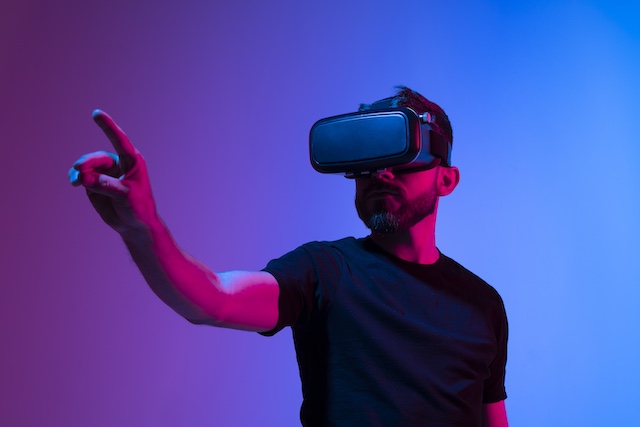
The research team aims to evaluate the feasibility and acceptability of delivering Mindfulness-Based Stress Reduction (MBSR) through virtual reality, referred to as MBSR-VR. The approach integrates traditional mindfulness practices with immersive VR environments designed to foster relaxation and focus.
Dr Carcone said:
“One of the challenges we had with an earlier version of this research was that we were gathering people onto campus for group intervention sessions, but it was logistically difficult to bring everyone to campus at the same time in the same place. Instead, we decided to try this in a virtual format.”
She added that the virtual environment offers greater engagement and flexibility:
“People coming together in a VR space sounded very exciting and provided us with a format that was a little more engaging. We can utilise different virtual environments as opposed to the split-screen Zoom-style call that we are all so familiar with. You can virtually gather people around a campfire, in a pool where you can toss a virtual beachball around, and so forth.”
Research collaboration and goals
Alongside Dr Carcone and Dr Sibinga, the project includes Dr Deborah Ellis, Associate Department Chair of Research for the Department of Family Medicine and Public Health Sciences at Wayne State University, and Dr Angulique Outlaw, Associate Professor of Behavioural Sciences within the same department.
The study will explore whether MBSR-VR can:
- Improve coping mechanisms for stress among individuals aged 16–20 with type 1 diabetes and high stress reactivity.
- Enhance mindfulness and emotional well-being.
- Positively influence glycaemic control and reduce psychological distress, including symptoms of depression and anxiety.
If successful, the intervention could be adapted for broader use across other chronic conditions where stress significantly impacts health outcomes.
Reaching young adults where they are
Dr Carcone highlighted how the virtual approach could make mindfulness training more accessible and socially engaging:
“Youths between ages 16 and 20 are very motivated by their social life, peers and significant others. These techniques allow us to bring people together who might not otherwise be able to come together.”
She emphasised that the programme could reach those living in rural or remote areas:
“In Detroit, you can gather patients at a hospital, but this method will also allow us to help those living in more rural communities. There’s often not another person who has type 1 diabetes if you live in a small Upper Peninsula community, for instance. This will let them touch base with others their own age who are going through something similar and share experiences that they might not be comfortable talking about with a friend who isn’t going through the same thing.”
Supporting research innovation
Ezemenari M. Obasi, Ph.D., Vice President for Research & Innovation at Wayne State University, praised the project:
“This award from the National Institutes of Health is an excellent example of the important research that our faculty are engaged in that are seeking solutions for complex challenges. The work of Dr Carcone and her collaborators could assist the lives of countless young people in Detroit, across Michigan and around the globe.”
Looking ahead
With stress recognised as a major barrier to effective diabetes management, this study may pave the way for new digital mental health interventions that combine accessibility, engagement, and clinical impact. Should MBSR-VR prove feasible and effective, it could form part of a new generation of evidence-based tools that empower young adults with chronic conditions to manage stress and improve their overall health and well-being.
Grant number: 1R01DK141816 (National Institute of Diabetes and Digestive and Kidney Diseases, NIH)
New Study Finds Wearables May Reshape Obesity Care
Key Takeaways:
- A new study from Northwestern University demonstrates how wearable devices can identify five distinct overeating patterns in people living with obesity, paving the way for more personalised interventions.
- The HabitSense body camera and NeckSense necklace provide unprecedented yet privacy-conscious insights into real-world eating behaviour.
- Researchers emphasise that overeating is not simply a matter of willpower but is shaped by complex emotional, environmental and behavioural factors.
Rethinking obesity treatment through technology
What if a smartwatch, necklace or discreet camera could sense when someone is about to overeat, and instead gently encourage healthier decisions?
Northwestern University scientists are exploring this idea through a pioneering lifestyle medicine programme that combines wearable technology with behavioural analysis. The approach uses three different devices – a necklace, a wristband and a body-mounted camera – to capture eating habits in natural settings, with privacy firmly safeguarded.
“Overeating is a major contributor to obesity, yet most treatments overlook the unconscious habits that drive it,” explained corresponding author Nabil Alshurafa, Associate Professor of Behavioural Medicine at Northwestern University Feinberg School of Medicine and, by courtesy, of Computer Science and Electrical and Computer Engineering at Northwestern’s McCormick School of Engineering.
Five distinct overeating patterns identified
In the study, published in npj Digital Medicine (part of the Nature Portfolio), 60 adults living with obesity wore the three sensors and logged contextual information – such as mood, activity and social setting – using a smartphone app over a two-week period. The project generated thousands of hours of data, revealing that overeating typically followed one of five recurring patterns:
- Take-out feasting – heavy consumption of delivered or takeaway meals.
- Evening restaurant revelry – social dining leading to excessive intake.
- Evening craving – compulsive late-night snacking.
- Uncontrolled pleasure eating – spontaneous binges driven by enjoyment.
- Stress-driven evening nibbling – grazing triggered by anxiety.
“These patterns reflect the complex dance between environment, emotion and habit,” said Alshurafa. “What’s amazing is now we have a roadmap for personalised interventions.”
A step towards personalised interventions
The findings create a foundation for future clinical practice, in which individuals may be profiled according to their dominant overeating pattern and then matched with tailored interventions.
Lead author Farzad Shahabi, a PhD student in Computer Science and member of Alshurafa’s laboratory, highlighted the significance:
“What struck me most was how overeating isn’t just about willpower. Using passive sensing, we were able to uncover hidden consumption patterns in people’s real-world behaviour that are emotional, behavioural and contextual. Seeing the patterns emerge from the data felt like turning on a light in a room we’ve all been stumbling through for decades. Our long-term vision is to move beyond one-size-fits-all solutions and toward a world in which health technology feels less like a prescription and more like a partnership.”
HabitSense – A body camera with built-in privacy
The project’s roots date back to when Alshurafa borrowed a police body camera from Northwestern’s campus police. He modified it to record only food-related actions, creating what is now called HabitSense.
HabitSense is the first patented Activity-Oriented Camera (AOC), which uses thermal sensors to activate recording solely when food enters the field of view. Unlike conventional egocentric cameras that capture everything from the wearer’s perspective, AOCs record actions rather than scenes. This innovation preserves bystander privacy while still collecting critical behavioural data.
NeckSense – Recording eating behaviours in real time
Participants also wore NeckSense, a necklace designed by Alshurafa and his team. NeckSense is the first technology able to passively and precisely monitor multiple eating behaviours. It can detect when someone is eating, how many bites they take, their chewing rate and the frequency with which their hand moves to their mouth. This provides researchers with highly detailed insight into real-world eating events.
A wrist-worn activity tracker – similar to a Fitbit or Apple Watch – completed the three-sensor system.
From personal struggles to scientific mission
Alshurafa’s scientific interest in obesity stems from his own personal journey. Throughout his younger life, his weight fluctuated by 40 to 50 pounds, with repeated attempts at dieting often undermined by late-night binge eating in front of the television.
“I tried to turn my personal struggle into a scientific mission that promises to reshape obesity treatment,” he reflected. “By merging computer science, behavioural medicine and a dash of Jane Goodall–style curiosity, we’re working to lead the way toward truly personalised, habit-based health care. This study marks only the beginning of a journey toward smarter and more compassionate interventions for millions grappling with overeating.”
Study team and support
The research team behind this project brought together a wide range of expertise from Northwestern and beyond. Contributors included PhD student in computer science Boyang Wei, HABits Lab research study coordinator Chris Romano, and undergraduate student Rowan McCloskey. They were joined by adjunct faculty members Annie Lin of the University of Minnesota and Mahdi Pedram of the University of North Texas, as well as former Northwestern faculty member Tammy Stump, now at the University of Utah. Jacob Schauer, Assistant Professor of Preventive Medicine, also played a role, alongside computer science PhD student Glenn Fernandes and senior engineer Tanmeet Butani (MS ’23).
The study was funded by the US National Institutes of Health through the National Institute of Diabetes and Digestive and Kidney Diseases.
CCH insight:
This is a fascinating study, which shows how new technologies may be able to provide innovative digital solutions to health issues, in this case identifying behavioural patterns underpinning overeating. These results need to be verified in larger studies, and then interventions trialled to address the different eating patterns, so we are a long way from viable new interventions, but this is an intriguing addition to the development of precision treatments for obesity.
Read More