

Digital Tools Show Promise in Schizophrenia Care, Large-Scale Study Finds
Key Takeaways:
- A smartphone app, FOCUS, helped people living with schizophrenia manage symptoms and recovery more effectively.
- External facilitation by digital specialists improved outcomes, including reduced psychiatric emergency visits.
- Researchers highlight that the greatest challenge for digital mental health tools remains real-world adoption.
Evidence grows for mobile mental health support
A major clinical study has found that using a smartphone app to support the treatment of schizophrenia can deliver modest but meaningful improvements in symptoms and recovery outcomes. The research, published in Psychiatric Services, is among the largest trials of its kind examining the impact of digital interventions on people with serious mental illness.
While the research took place in the United States, its findings are relevant globally as health systems, including the NHS, seek innovative ways to expand access to mental healthcare and support self-management outside the clinic.
The FOCUS app: bridging the gap between appointments
The FOCUS app was first launched in 2013 to provide digital support for people living with schizophrenia and related conditions. It offers structured prompts and tools to help users manage symptoms, take medication consistently, improve sleep routines, and practise social and coping skills.
Previous small-scale studies showed early promise, but uptake within mental health services has been limited, reflecting wider challenges in embedding digital tools into routine care.
Comparing models of implementation
The new trial enrolled 274 people receiving care for schizophrenia across 23 community clinics. It tested two models of introducing the FOCUS app into clinical practice:
- External facilitators – digital health specialists who supported multiple clinics and provided guidance to both staff and patients.
- Internal facilitators – trained in-house staff who integrated app use within their own teams and services.
Both methods proved feasible, but patients supported by external facilitators experienced better clinical outcomes, including fewer psychiatric emergency attendances.
Digital tools and the challenge of adoption
“Getting access to a mental health provider can be challenging for patients with serious mental illness,” said Dr Dror Ben-Zeev, clinical psychologist, director of UW Medicine’s BRiTE Center, and the study’s lead author. “Mobile health tools hold enormous potential because we can meet patients where they are. The biggest hurdle today for digital mental health solutions is effective implementation and real-world adoption.”
Each participant in the study was paired with a digital navigator, who had access to the individual’s app data, conducted weekly check-in calls, and communicated key updates to the person’s clinical team.
Ensuring digital solutions deliver real results
“There are so many digital solutions being offered right now,” commented Dr Charissa Fotinos, Washington State Medicaid and behavioural health medical director, who served as an advisor on the project. “It’s important for us, as a payor, to support tools that have evidence of efficacy. We need to pay for things that work.”
Her remarks echo a growing sentiment among UK health commissioners and policymakers: while digital mental health tools hold promise, investment must prioritise those that have been proven to work in practice, not just in theory.
Towards a future of evidence-based digital psychiatry
The study forms part of mHealth Washington, a multi-year programme funded by the National Institute of Mental Health, developed in collaboration with the University of Washington School of Medicine and the Washington State Health Care Authority.
Researchers emphasised the wider relevance of their findings to healthcare systems internationally. As the NHS continues to expand its use of digital therapy tools, from remote cognitive behavioural therapy to AI-assisted triage, evidence such as this may help shape best practice for integrating digital interventions into routine psychiatric care.
Conflict-of-interest statements for the study authors are available in the published paper.
Read More
Digital Health Programme Boosts Lung Cancer Screening Uptake in High-Risk Individuals
Key Takeaways:
- A digital health intervention (mPATH-Lung) increased lung cancer screening rates by over 40% compared with usual care.
- The programme helped people overcome common barriers to screening, including lack of awareness and limited clinical consultation time.
- Findings demonstrate the potential of direct-to-patient digital tools to improve early cancer detection and preventive care.
Digital tools for early detection
A new study led by researchers at Wake Forest University School of Medicine, in collaboration with the University of North Carolina at Chapel Hill and MD Anderson Cancer Center, has shown that a direct-to-patient digital health programme can significantly increase lung cancer screening rates among people at high risk.
The findings were published in JAMA and mark an important step towards using digital health to support early cancer detection.
Lung cancer remains the leading cause of cancer-related death worldwide. However, early detection through low-dose computed tomography (CT) screening can dramatically improve outcomes and survival rates. Despite this, fewer than 20% of eligible individuals in the United States currently undergo lung cancer screening each year.
Common barriers include a lack of awareness, confusion over screening eligibility guidelines, and limited opportunities for shared decision-making within standard clinical appointments.
“Our goal was to address these barriers by testing a digital programme that reaches patients directly, outside of traditional clinical encounters,” said David P. Miller, M.D., Professor of Implementation Science in the Division of Public Health Sciences at Wake Forest University School of Medicine and corresponding author of the study.
How the study worked
The randomised clinical trial was conducted across two major academic health systems in North Carolina. More than 26,000 individuals with a history of smoking were invited to take part. Those who met the screening eligibility criteria were randomly assigned to one of two groups: the mPATH-Lung digital health programme or enhanced usual care.
The enhanced usual care group received a message informing them that they were eligible for lung cancer screening and were encouraged to speak with their primary care clinician. They also viewed a short educational video on lung health. Although this provided more support than standard practice, it did not include access to the mPATH-Lung platform.
By contrast, participants in the mPATH-Lung group received access to a fully digital intervention comprising:
- A brief educational video,
- A structured decision aid outlining the benefits and risks of screening, and
- An option to request a screening appointment directly online.
This approach allowed participants to learn at their own pace and make informed decisions without needing an in-person consultation.
The main outcome measured was the completion of a low-dose CT scan for lung cancer screening within 16 weeks of enrolment.
Results and key findings
The results demonstrated a clear improvement in screening uptake.
- 24.5% of participants who used the mPATH-Lung programme completed a screening CT scan, compared with 17% of those in the enhanced usual care group.
- The increase in screening rates was consistent across demographic and socioeconomic groups, suggesting that the digital approach may help reduce health disparities.
- There were no reported complications from screening-related procedures in either group.
“Our study shows that reaching patients directly with digital tools can help overcome barriers to lung cancer screening and potentially save lives,” said Miller. “By empowering individuals with information and easy access to screening, we can make a real difference in early detection of lung cancer.”
Implications for preventive health
According to Miller, the findings highlight that digital health interventions can modestly but meaningfully improve screening uptake, even among populations that have historically faced barriers to preventive care. Early detection is crucial, as individuals diagnosed at an early stage of lung cancer have significantly higher survival rates.
The research team believes that the mPATH-Lung approach could be adapted to other preventive health services, enabling more people to benefit from life-saving interventions such as cancer screenings, vaccinations, and chronic disease management programmes.
Next steps and future research
The researchers emphasised that further studies are needed to evaluate digital lung cancer screening initiatives across a broader range of healthcare settings and populations. They also plan to explore strategies for maintaining patient engagement with digital health tools over time.
To extend the impact of their work, Miller and Ajay Dharod, M.D., Associate Professor of Internal Medicine at Wake Forest University School of Medicine, have co-founded mPATH Health – a startup designed to make the programme widely available. The venture aims to expand access to lung cancer screening and other forms of preventive care, aligning with Advocate Health’s academic learning health system model, which focuses on translating research into real-world, scalable solutions.
Miller, Dharod, and Wake Forest University Health Sciences hold ownership interests in the mPATH technology used in the research.
Funding and acknowledgements
This research was supported by the National Cancer Institute under grant R01CA237240. The project utilised the Data and Design Services of the Wake Forest Clinical and Translational Science Institute, supported by the National Center for Advancing Translational Sciences (NCATS) through award UM1TR004929. Additional funding was provided by the University Cancer Research Fund of the University of North Carolina at Chapel Hill Lineberger Comprehensive Cancer Center.
The project also benefited from services provided by the North Carolina Translational and Clinical Sciences Institute, funded by NCATS through award UM1TR004406.
Read More
American Medical Association Establishes Centre for Digital Health and AI to Place Physicians at the Forefront of Technological Innovation
Key Takeaways:
- The American Medical Association (AMA) has launched the Centre for Digital Health and AI to ensure physicians play a central role in shaping and integrating emerging technologies in medicine.
- The Centre will focus on policy leadership, clinical workflow integration, education, and collaboration to guide the responsible use of digital and AI tools in healthcare.
- The initiative aims to bridge enthusiasm for AI among physicians with practical strategies that safeguard data privacy, reliability, and patient-centred outcomes.
A new centre to shape the future of digital health
The American Medical Association (AMA) has announced the launch of its Centre for Digital Health and AI, an initiative designed to position physicians at the heart of digital transformation in healthcare. The Centre aims to guide the development, implementation, and regulation of technologies such as artificial intelligence (AI), ensuring they serve both clinicians and patients effectively.
While digital health tools and AI systems are progressing at an unprecedented pace, their potential can only be fully realised when developed with clinical insight. Without physician involvement, these technologies risk introducing new administrative burdens and failing to integrate meaningfully into healthcare practice.
By embedding physicians throughout the entire technology lifecycle – from concept to deployment – the AMA seeks to ensure innovations enhance clinical workflows, reduce friction in practice, and ultimately improve patient outcomes.
Physician leadership in the age of AI
“Augmented Intelligence will be a defining force in the future of health care, but right now we are barely scratching the surface of its potential. Digital health tools are everywhere and the technology has limitless opportunity, but if you don’t understand clinical practice or clinical workflow, even the best tools will never be fully implemented,” said John Whyte, MD, MPH, CEO and Executive Vice President of the AMA.
“By launching this Centre, the AMA is leading in this space so physicians have a say in the technology and clinical care of the future. Our goal is to harness innovation responsibly and effectively, so it improves patient care and reduces unnecessary burdens on physicians,” he added.
Dr Whyte’s comments highlight a key challenge within healthcare innovation: ensuring that technological progress aligns with the realities of clinical practice. The AMA’s new Centre seeks to act as both a bridge and a safeguard – connecting the rapid pace of technological development with the values and needs of medical professionals and their patients.
Key areas of focus
The Centre for Digital Health and AI will concentrate on four principal areas:
1. Policy and Regulatory Leadership
The Centre will collaborate with regulators, policymakers, and technology leaders to develop benchmarks and guidance for the safe and effective use of AI and digital health tools. This includes contributing to policy discussions around data protection, algorithmic transparency, and equitable access to digital innovation.
2. Clinical Workflow Integration
Recognising that even the most advanced tools can fail without proper clinical fit, the Centre will create opportunities for doctors to inform how AI and digital tools are designed. The goal is to ensure technologies enhance both clinician and patient experience by supporting efficiency and accuracy in clinical decision-making.
3. Education and Training
The AMA will equip physicians and health systems with the skills and knowledge needed to adopt AI responsibly. Training programmes will help clinicians understand how to interpret AI outputs, evaluate new technologies, and integrate them seamlessly into everyday practice.
4. Collaboration and Partnership
The Centre will foster partnerships across the technology, research, government, and healthcare sectors to encourage innovation that aligns with patient needs and ethical standards. This collaborative approach aims to ensure that AI applications in medicine remain grounded in clinical realities and societal priorities.
Balancing enthusiasm and caution
Recent AMA surveys reveal growing physician enthusiasm for AI’s potential in medicine. Approximately two-thirds of physicians have already incorporated AI-enabled tools into some aspect of their practice, demonstrating the rapid pace of adoption. However, the same surveys show that one in four physicians remains more concerned than excited, citing ongoing issues around data privacy, reliability, and patient safety.
The AMA’s Centre for Digital Health and AI intends to bridge this divide – helping physicians feel confident in leveraging AI while addressing legitimate concerns. By guiding ethical integration and promoting education, the AMA hopes to create a healthcare environment where digital innovation enhances both care quality and professional satisfaction.
A step towards responsible innovation
As digital transformation reshapes the healthcare landscape, the AMA’s initiative underscores the importance of responsible innovation led by clinical expertise. The Centre for Digital Health and AI represents a strategic step toward embedding physician insight into every stage of technological development – ensuring that the promise of AI and digital tools translates into real-world improvements for patients and practitioners alike.
Read More
New Study Tests Virtual Mindfulness Therapy to Ease Stress in Young People Living with Diabetes
Key Takeaways:
- A three-year, $941,418 NIH-funded study will assess whether virtual reality–enhanced mindfulness can reduce stress in young people living with type 1 diabetes.
- Researchers from Wayne State University and Johns Hopkins University aim to improve coping and mental health outcomes through immersive, accessible virtual sessions.
- If effective, the intervention could be scaled to benefit other young adults with chronic conditions and high stress levels.
Exploring virtual reality for stress reduction
Researchers from Wayne State University and Johns Hopkins University are investigating how virtual reality (VR) might help young adults living with type 1 diabetes better manage stress. The study, titled “Feasibility of MBSR-VR to Reduce Stress among Emerging Adults with T1D,” is supported by a three-year grant of $941,418 from the National Institute of Diabetes and Digestive and Kidney Diseases (NIDDK), part of the National Institutes of Health (NIH).
April Idalski Carcone, Ph.D., Professor of Family Medicine and Public Health Sciences at Wayne State University’s School of Medicine, serves as co-principal investigator on the project alongside Dr Erica Sibinga, M.D., M.H.S., Associate Professor of Paediatrics at the Johns Hopkins University School of Medicine.
The impact of stress on young people with diabetes
Dr Carcone explained the importance of the research:
“We’ve been collaborating with Johns Hopkins University on this line of research for more than 10 years. Diabetes is a chronic illness that creates additional stress in young people who are already going through a lot of anxiety figuring out their lives and deciding what to do after high school and so forth.”
She noted that stress can significantly worsen physical health:
“Stress can exacerbate health issues, particularly for those already going through physical challenges. Cortisol increases as a result of stress, and stress can essentially wear out the body. So if your body is already going through difficulties, it can make your health even worse.”
Young people living with type 1 diabetes must manage demanding self-care routines and fluctuating glucose levels, often while navigating major life transitions. These pressures contribute to a higher risk of anxiety, depression, and burnout.
Mindfulness meets virtual reality
The research team aims to evaluate the feasibility and acceptability of delivering Mindfulness-Based Stress Reduction (MBSR) through virtual reality, referred to as MBSR-VR. The approach integrates traditional mindfulness practices with immersive VR environments designed to foster relaxation and focus.
Dr Carcone said:
“One of the challenges we had with an earlier version of this research was that we were gathering people onto campus for group intervention sessions, but it was logistically difficult to bring everyone to campus at the same time in the same place. Instead, we decided to try this in a virtual format.”
She added that the virtual environment offers greater engagement and flexibility:
“People coming together in a VR space sounded very exciting and provided us with a format that was a little more engaging. We can utilise different virtual environments as opposed to the split-screen Zoom-style call that we are all so familiar with. You can virtually gather people around a campfire, in a pool where you can toss a virtual beachball around, and so forth.”
Research collaboration and goals
Alongside Dr Carcone and Dr Sibinga, the project includes Dr Deborah Ellis, Associate Department Chair of Research for the Department of Family Medicine and Public Health Sciences at Wayne State University, and Dr Angulique Outlaw, Associate Professor of Behavioural Sciences within the same department.
The study will explore whether MBSR-VR can:
- Improve coping mechanisms for stress among individuals aged 16–20 with type 1 diabetes and high stress reactivity.
- Enhance mindfulness and emotional well-being.
- Positively influence glycaemic control and reduce psychological distress, including symptoms of depression and anxiety.
If successful, the intervention could be adapted for broader use across other chronic conditions where stress significantly impacts health outcomes.
Reaching young adults where they are
Dr Carcone highlighted how the virtual approach could make mindfulness training more accessible and socially engaging:
“Youths between ages 16 and 20 are very motivated by their social life, peers and significant others. These techniques allow us to bring people together who might not otherwise be able to come together.”
She emphasised that the programme could reach those living in rural or remote areas:
“In Detroit, you can gather patients at a hospital, but this method will also allow us to help those living in more rural communities. There’s often not another person who has type 1 diabetes if you live in a small Upper Peninsula community, for instance. This will let them touch base with others their own age who are going through something similar and share experiences that they might not be comfortable talking about with a friend who isn’t going through the same thing.”
Supporting research innovation
Ezemenari M. Obasi, Ph.D., Vice President for Research & Innovation at Wayne State University, praised the project:
“This award from the National Institutes of Health is an excellent example of the important research that our faculty are engaged in that are seeking solutions for complex challenges. The work of Dr Carcone and her collaborators could assist the lives of countless young people in Detroit, across Michigan and around the globe.”
Looking ahead
With stress recognised as a major barrier to effective diabetes management, this study may pave the way for new digital mental health interventions that combine accessibility, engagement, and clinical impact. Should MBSR-VR prove feasible and effective, it could form part of a new generation of evidence-based tools that empower young adults with chronic conditions to manage stress and improve their overall health and well-being.
Grant number: 1R01DK141816 (National Institute of Diabetes and Digestive and Kidney Diseases, NIH)

AI Model Could One Day Help Prevent Childhood Obesity by Counting Bites
Key Takeaways:
- Researchers at Penn State have developed an artificial intelligence (AI) system capable of counting how many bites a child takes during a meal, achieving around 70% accuracy compared to human observers.
- Eating too quickly increases the risk of obesity in children because the body has less time to register fullness, leading to overeating.
- The AI system, named ByteTrack, may in future help parents, clinicians, and researchers monitor and guide children’s eating habits in real-world environments.
AI and eating behaviours: A new frontier in obesity prevention
The faster a child eats, the greater their risk of developing obesity, according to researchers from the Penn State Department of Nutritional Sciences. However, accurately measuring bite rate—the number of bites taken during a meal—has long posed a challenge. Traditionally, this requires a researcher to watch and manually record each bite from hours of video footage, limiting most studies to small, controlled laboratory environments.
In a collaborative effort between Penn State’s Departments of Nutritional Sciences and Human Development and Family Studies, researchers have created an AI model designed to automate this process. Their pilot study, published in Frontiers in Nutrition, shows that the system is currently around 70% as effective as a human observer in counting bites. Although still under development, the researchers believe the technology could eventually help identify when a child needs to slow their eating rate or adjust their eating behaviour.
The link between eating speed and obesity
“When we eat quickly, we do not give our digestive tract time to sense the calories,” explained Professor Kathleen Keller, the Helen A. Guthrie Chair of Nutritional Sciences at Penn State and co-author of the study. “The faster you eat, the faster it goes through your stomach, and the body cannot release hormones in time to let you know you are full. Later, you may feel like you have overeaten, but when this behaviour repeats, faster eaters are at greater risk for developing obesity.”
Keller’s research group has previously demonstrated that a faster bite rate, especially when combined with larger bite size, correlates with a higher likelihood of obesity in children. Other studies have also linked larger bite size to an increased risk of choking.
“Bite rate is often the target behaviour for interventions aimed at slowing eating rate,” noted Dr Alaina Pearce, research data management librarian at Penn State and co-author of the study. “This is because bite rate is a stable characteristic of children’s eating style that can be targeted to reduce their eating rate, intake, and ultimately risk for obesity.”
Manually recording bite rate, however, is both labour-intensive and costly. As Keller pointed out, “Measuring bite rate is tedious, labour-intensive work, meaning it is expensive, which often limits the amount of data considered in bite rate studies.”
Using AI to support healthier habits
To overcome these limitations, Yashaswini Bhat, a doctoral candidate in nutritional sciences and lead author of the study, set out to develop the first AI-powered bite counter designed specifically for studying children’s eating behaviours.
“I have an interest in AI and data science, but I had never developed a system like this one,” Bhat explained.
She partnered with Associate Professor Timothy Brick, from Penn State’s Department of Human Development and Family Studies, to create a system capable of detecting children’s faces within videos and identifying when a child takes a bite.
“An experienced and knowledgeable collaborator like Dr Brick was invaluable to this project,” Bhat added.
The team trained the system using 1,440 minutes of video footage from Keller’s Food and Brain Study, funded by the National Institute of Diabetes and Digestive and Kidney Diseases. The footage featured 94 children aged seven to nine, each consuming four meals with identical foods on different occasions.
Researchers manually identified bites in 242 videos to train the AI. Once the system had been trained to recognise what a bite looks like, it was tested on an additional 51 videos. The AI’s results were then compared to those of human researchers.
Promising early results
“The system we developed was very successful at identifying the children’s faces,” Bhat said. “It also did an excellent job identifying bites when it had a clear, unobstructed view of a child’s face.”
While the AI was 97% as effective as a human observer at recognising faces, it achieved about 70% accuracy in counting bites. Bhat noted that challenges arose when children were partially obscured, turned away from the camera, or engaged in behaviours such as chewing on their spoons or playing with their food—actions common among younger participants.
“The system was less accurate when a child’s face was not in full view of the camera or when a child chewed on their spoon or played with their food, as often happens toward the end of a meal,” Bhat said. “Chewing on a utensil sometimes appeared to be a bite, and this complicated the task for the AI model.”
Next steps for the ByteTrack system
Although still in its early stages, the researchers view the pilot as an important step toward automating bite rate analysis. The system, called ByteTrack, will continue to be refined so it can distinguish between bites and similar movements such as sipping a drink.
“The eventual goal is to develop a robust system that can function in the real world,” Bhat said. “One day, we might be able to offer a smartphone app that warns children when they need to slow their eating so they can develop healthy habits that last a lifetime.”
The research was supported by the National Institute of Diabetes and Digestive and Kidney Diseases, the National Institute of General Medical Sciences, the Penn State Institute for Computational and Data Sciences, and the Penn State Clinical and Translational Science Institute.
Read More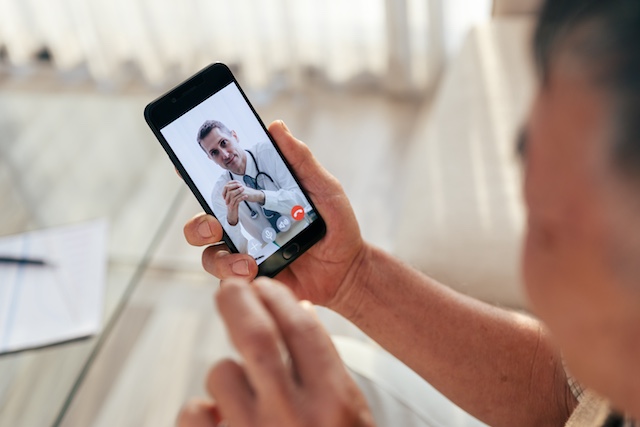
Study Finds Early Virtual Follow-Up Reduces Hospital Readmissions and Enhances Recovery
Key Takeaways:
- A UC San Diego Health telemedicine clinic reduced 30-day hospital readmissions from 20.1% to 14.9% among high-risk patients.
- The clinic provides rapid, virtual follow-up care after discharge, addressing medication access, care understanding, and specialist coordination.
- Findings suggest that virtual post-discharge care can improve health outcomes, cut costs, and enhance care equity.
Virtual care reduces readmissions in high-risk patients
A new study led by researchers at the University of California San Diego (UC San Diego) School of Medicine has found that a virtual transition of care clinic significantly reduces hospital readmissions among high-risk patients.
Published on 23 September 2025 in JMIR Medical Informatics, the study revealed that the 30-day readmission rate for patients seen in UC San Diego Health’s virtual transition of care clinic was 14.9%, compared with 20.1% in a benchmark group that received standard follow-up care.
“With our virtual transition of care clinic, we are providing patients with the right care, at the right place, at the right time,” said Dr Sarah Horman, lead author of the study and Professor of Medicine at UC San Diego School of Medicine. “With the convenience of meeting virtually, we’re able to reach patients much more efficiently.”
Tackling a national challenge
Hospital readmissions represent a major strain on healthcare systems across the United States, with an estimated annual cost of $17 billion. Recognising this challenge, UC San Diego Health clinicians and leadership launched the virtual clinic in 2021 to improve care coordination immediately following discharge.
The initiative supports clinical management and specialist referrals for people leaving hospital, aiming to reduce the likelihood of complications or unplanned readmissions.
How the virtual transition clinic works
The clinic operates with a team of 12 hospitalists, two medical assistants, one pharmacist, and an on-demand interpreter service. When necessary, visits were converted to telephone consultations to accommodate patients facing technical or connectivity barriers.
Each discharge triggers a standardised hand-off to the patient’s primary care provider and relevant specialists, summarising the reason for admission, ongoing care needs, and follow-up recommendations.
If a patient experienced issues post-discharge, the virtual care team expedited communication with the primary care provider to ensure timely in-person review.
Addressing barriers to follow-up care
“When telemedicine first began, there was concern it would further increase health disparities, especially in vulnerable patient groups,” said Dr Horman, who is also a hospitalist and affiliate faculty member at the Joan and Irwin Jacobs Center for Health Innovation at UC San Diego Health. “However, through our research, we have found the opposite as the virtual clinic reaches patients more effectively.”
Many individuals, she noted, struggle to attend in-person follow-up appointments due to transport issues or mobility limitations. “For example, many patients do not have access to transportation for in-person follow-up visits, so they will often skip them altogether, resulting in an increased risk of hospital readmission. For patients who did not have access to video visits, we coordinated telephone calls instead. In total, the no-show rate for these follow-up visits was less than 5%.”
Strengthening the post-hospital care chain
According to Dr Horman, the clinic targets three critical aspects of post-discharge care:
- Ensuring access to and availability of prescribed medications.
- Supporting patient and caregiver understanding of the care plan.
- Facilitating navigation between primary and specialist care.
“Our goal is to hardwire this linkage in the care chain between the hospital team and primary care in order to help expedite support during that very sensitive, post-hospital period of time,” she explained. “As a result, patient outcomes are improving while they recover at home and hospitals have capacity to take care of the next patient in need of critical care.”
Study scope and findings
The study evaluated more than 25,000 patients discharged from UC San Diego Health between 1 September 2021 and 17 September 2024. Of these, 2,314 were seen in the virtual clinic, while 23,129 received standard care.
Typically, patients see their primary care provider two to four weeks after discharge. However, under this programme, individuals at moderate or high risk were seen within one week.
“Our clinic is a one-time, virtual visit with a patient immediately after their hospital stay to ensure we’re doing all we can to mitigate risk,” added Dr Horman.
Data-driven patient targeting with the LACE+ index
The team used the LACE+ index to identify patients at high risk of readmission or complications. LACE stands for Length of stay, Acuity of admission, Comorbidity, and Emergency department visits. The “+” extends the model to include factors such as age, sex, and previous hospitalisations.
“The use of LACE+ underscores the importance of data-driven and patient-centric strategies in enhancing patient outcomes,” said Dr Horman. “By using this tool, we were able to target follow-up care to those most likely to benefit. This approach helped improve care transitions and reduce avoidable hospital visits.”
Future of the programme
UC San Diego Health’s virtual transition of care clinic continues to operate across Hillcrest and Jacobs Medical Centers, with expansion plans to include East Campus Medical Center.
Dr Horman noted that these findings demonstrate how telemedicine can contribute to broader goals of improving population health, enhancing patient experience, reducing healthcare costs, and advancing care equity.
The study’s co-authors include Milla Kviatkovsky, Edward Castillo, Patricia S. Maysent, Chad VanDenBerg, John Bell, and Christopher A. Longhurst, all from UC San Diego Health.
Read More
Implementing AI in the NHS Proves More Complex than Anticipated, Study Finds
Key Takeaways:
- A UCL-led study revealed that introducing AI diagnostic tools across NHS hospitals faced major challenges with governance, contracts, IT integration and staff training.
- By June 2025, 18 months after contracting was meant to be completed, over one-third of trusts (23 out of 66) had not yet implemented the AI systems in clinical practice.
- Researchers recommend stronger project management, more staff education on AI, and realistic timelines to ensure successful integration.
Background to the study
A major study led by researchers at University College London (UCL) has found that implementing artificial intelligence (AI) in NHS hospitals is considerably more difficult than policymakers and healthcare leaders initially expected. The study, published in The Lancet eClinicalMedicine on 10 September 2025, examined a £21 million NHS England programme launched in 2023. The programme aimed to introduce AI technology for diagnosing chest conditions, including lung cancer, across 66 NHS hospital trusts.
The research team conducted in-depth interviews with hospital staff and AI suppliers to understand how the tools were procured, set up, and used, while also identifying both the challenges encountered and the strategies that proved helpful in supporting implementation.
Delays and barriers to implementation
The study revealed that contracting and procurement processes took between four and ten months longer than expected. By June 2025, 18 months after contracting had been scheduled for completion, one-third of the hospital trusts (23 out of 66) were still not using the AI diagnostic systems in clinical practice.
Dr Angus Ramsey, principal research fellow at the UCL Department of Behavioural Sciences and Health and first author of the study, explained:
“Our study provides important lessons that should help strengthen future approaches to implementing AI in the NHS.
We found it took longer to introduce the new AI tools in this programme than those leading the programme had expected.
A key problem was that clinical staff were already very busy – finding time to go through the selection process was a challenge, as was supporting integration of AI with local IT systems and obtaining local governance approvals.
Services that used dedicated project managers found their support very helpful in implementing changes, but only some services were able to do this.
Also, a common issue was the novelty of AI, suggesting a need for more guidance and education on AI and its implementation.”
Key challenges identified
Researchers highlighted a range of challenges that slowed or complicated implementation, including:
- Staff workload pressures – Clinicians were already under heavy demand, making engagement with selection and integration processes difficult.
- Technological integration – Many NHS hospitals operate on ageing or varied IT systems, which created barriers for embedding the new AI tools.
- Governance processes – Local approvals and oversight requirements delayed progress.
- Lack of understanding and scepticism – Many staff expressed uncertainty or caution about the reliability and usefulness of AI in clinical care.
The study found that trusts that employed dedicated project managers were more successful at managing implementation, underscoring the importance of structured leadership in rolling out new technology.
Lessons for the future
The authors of the study cautioned that although AI tools hold promise for enhancing diagnostic services, they may not resolve workforce and system pressures as easily or quickly as policymakers might hope. As they wrote:
“AI tools may offer valuable support for diagnostic services, they may not address current healthcare service pressures as straightforwardly as policymakers may hope.”
The researchers recommended that:
- NHS staff should receive training on how AI can be used safely and effectively.
- Dedicated project management should be built into large-scale AI implementation programmes.
- Timelines for introducing AI should realistically reflect the complexity of NHS structures and systems.
Professor Naomi Fulop, senior author and professor of health care organisation and management at UCL, emphasised the complexity of the task:
“The NHS is made up of hundreds of organisations with different clinical requirements and different IT systems and introducing any diagnostic tools that suit multiple hospitals is highly complex.”
Funding and next steps
The research was funded by the National Institute for Health and Care Research and conducted collaboratively by teams from UCL, the Nuffield Trust and the University of Cambridge. The group is now conducting further studies on how AI tools perform once they are more firmly embedded in NHS practice.The findings are expected to offer valuable insights for the government’s 10-year health plan, published on 3 July 2025, which identified AI as a central element in modernising and improving NHS services.
Read More
New Study Finds Wearables May Reshape Obesity Care
Key Takeaways:
- A new study from Northwestern University demonstrates how wearable devices can identify five distinct overeating patterns in people living with obesity, paving the way for more personalised interventions.
- The HabitSense body camera and NeckSense necklace provide unprecedented yet privacy-conscious insights into real-world eating behaviour.
- Researchers emphasise that overeating is not simply a matter of willpower but is shaped by complex emotional, environmental and behavioural factors.
Rethinking obesity treatment through technology
What if a smartwatch, necklace or discreet camera could sense when someone is about to overeat, and instead gently encourage healthier decisions?
Northwestern University scientists are exploring this idea through a pioneering lifestyle medicine programme that combines wearable technology with behavioural analysis. The approach uses three different devices – a necklace, a wristband and a body-mounted camera – to capture eating habits in natural settings, with privacy firmly safeguarded.
“Overeating is a major contributor to obesity, yet most treatments overlook the unconscious habits that drive it,” explained corresponding author Nabil Alshurafa, Associate Professor of Behavioural Medicine at Northwestern University Feinberg School of Medicine and, by courtesy, of Computer Science and Electrical and Computer Engineering at Northwestern’s McCormick School of Engineering.
Five distinct overeating patterns identified
In the study, published in npj Digital Medicine (part of the Nature Portfolio), 60 adults living with obesity wore the three sensors and logged contextual information – such as mood, activity and social setting – using a smartphone app over a two-week period. The project generated thousands of hours of data, revealing that overeating typically followed one of five recurring patterns:
- Take-out feasting – heavy consumption of delivered or takeaway meals.
- Evening restaurant revelry – social dining leading to excessive intake.
- Evening craving – compulsive late-night snacking.
- Uncontrolled pleasure eating – spontaneous binges driven by enjoyment.
- Stress-driven evening nibbling – grazing triggered by anxiety.
“These patterns reflect the complex dance between environment, emotion and habit,” said Alshurafa. “What’s amazing is now we have a roadmap for personalised interventions.”
A step towards personalised interventions
The findings create a foundation for future clinical practice, in which individuals may be profiled according to their dominant overeating pattern and then matched with tailored interventions.
Lead author Farzad Shahabi, a PhD student in Computer Science and member of Alshurafa’s laboratory, highlighted the significance:
“What struck me most was how overeating isn’t just about willpower. Using passive sensing, we were able to uncover hidden consumption patterns in people’s real-world behaviour that are emotional, behavioural and contextual. Seeing the patterns emerge from the data felt like turning on a light in a room we’ve all been stumbling through for decades. Our long-term vision is to move beyond one-size-fits-all solutions and toward a world in which health technology feels less like a prescription and more like a partnership.”
HabitSense – A body camera with built-in privacy
The project’s roots date back to when Alshurafa borrowed a police body camera from Northwestern’s campus police. He modified it to record only food-related actions, creating what is now called HabitSense.
HabitSense is the first patented Activity-Oriented Camera (AOC), which uses thermal sensors to activate recording solely when food enters the field of view. Unlike conventional egocentric cameras that capture everything from the wearer’s perspective, AOCs record actions rather than scenes. This innovation preserves bystander privacy while still collecting critical behavioural data.
NeckSense – Recording eating behaviours in real time
Participants also wore NeckSense, a necklace designed by Alshurafa and his team. NeckSense is the first technology able to passively and precisely monitor multiple eating behaviours. It can detect when someone is eating, how many bites they take, their chewing rate and the frequency with which their hand moves to their mouth. This provides researchers with highly detailed insight into real-world eating events.
A wrist-worn activity tracker – similar to a Fitbit or Apple Watch – completed the three-sensor system.
From personal struggles to scientific mission
Alshurafa’s scientific interest in obesity stems from his own personal journey. Throughout his younger life, his weight fluctuated by 40 to 50 pounds, with repeated attempts at dieting often undermined by late-night binge eating in front of the television.
“I tried to turn my personal struggle into a scientific mission that promises to reshape obesity treatment,” he reflected. “By merging computer science, behavioural medicine and a dash of Jane Goodall–style curiosity, we’re working to lead the way toward truly personalised, habit-based health care. This study marks only the beginning of a journey toward smarter and more compassionate interventions for millions grappling with overeating.”
Study team and support
The research team behind this project brought together a wide range of expertise from Northwestern and beyond. Contributors included PhD student in computer science Boyang Wei, HABits Lab research study coordinator Chris Romano, and undergraduate student Rowan McCloskey. They were joined by adjunct faculty members Annie Lin of the University of Minnesota and Mahdi Pedram of the University of North Texas, as well as former Northwestern faculty member Tammy Stump, now at the University of Utah. Jacob Schauer, Assistant Professor of Preventive Medicine, also played a role, alongside computer science PhD student Glenn Fernandes and senior engineer Tanmeet Butani (MS ’23).
The study was funded by the US National Institutes of Health through the National Institute of Diabetes and Digestive and Kidney Diseases.
CCH insight:
This is a fascinating study, which shows how new technologies may be able to provide innovative digital solutions to health issues, in this case identifying behavioural patterns underpinning overeating. These results need to be verified in larger studies, and then interventions trialled to address the different eating patterns, so we are a long way from viable new interventions, but this is an intriguing addition to the development of precision treatments for obesity.
Read More
Mayo Clinic Launches AI-Powered Nurse Virtual Assistant to Support Frontline Care
Key Takeaways:
- Mayo Clinic nurses have led the design and development of an in-house, AI-powered Nurse Virtual Assistant to streamline access to clinical information.
- The tool consolidates patient summaries, evidence-based guidelines, and clinical policies into one tab within the electronic health record, reducing administrative burden.
- More than 9,600 nurses across Mayo Clinic’s inpatient and emergency departments are now using the system, with ongoing feedback ensuring it continues to evolve with nursing practice.
Streamlining access to critical information
High-quality care depends on timely access to electronic health records, clinical policies, and evidence-based practice guidelines. However, navigating multiple systems to retrieve this information can be time-consuming for nurses, detracting from direct patient care.
To solve this challenge, Mayo Clinic’s Department of Nursing led a multidisciplinary initiative to create Nurse Virtual Assistant – a generative artificial intelligence (AI) tool developed entirely in-house by nurses for nurses. Integrated into Mayo Clinic’s electronic health record (EHR) system, the tool presents essential information within a single tab, making it easier to retrieve and act upon.
Nurses can view a curated, nurse-specific patient summary and access direct links to key evidence-based resources, including Lippincott procedures, IV administration guidelines, and Mayo Clinic’s clinical policy library – all in one place.
This streamlined interface allows nurses to spend less time searching and more time focusing on what matters most: the person receiving care.
Augmenting – not replacing – human connection
Mayo Clinic emphasises that Nurse Virtual Assistant is designed to support, rather than replace, the expertise and human presence that nurses bring to clinical practice.
“It is an amazing tool,” says Nick Flynn, a registered nurse in the Emergency Department at Mayo Clinic Hospital in Arizona. Flynn highlights the value of consolidated patient data from inpatient stays, outpatient visits, and phone calls:
“You have easy access to a history of their illness, and that is available just moments after they arrive.”
Nurse-driven innovation from concept to rollout
The project began in 2024 as part of Mayo Clinic’s strategy to ease administrative pressures in a rapidly digitising healthcare environment. Crucially, nurses were involved at every stage – from conceptualisation to design and testing – ensuring the tool meets real-world clinical needs.
Early-access users played an active role in shaping the system’s features, providing feedback that directly informed improvements.
Brendon Bloomfield, a registered nurse in Psychiatric Acute Care at Mayo Clinic Hospital – Rochester, explains:
“To see a concept I was passionate about, AI-enhanced communication, actually get built – and to be invited to help shape it – reinforces that frontline nurses’ voices matter and that we have the power to influence the future of care.”
The solution underwent a research study approved by an Institutional Review Board before scaling to more than 9,600 nurses across inpatient and emergency department units.
Evolving with nursing practice
Nurse Virtual Assistant has been released as a Minimum Lovable Product – a version that not only solves an immediate problem but is designed to be engaging and impactful for end users. Nurses can submit feedback directly through the tool, allowing the solution to continuously evolve with frontline input.
Enhancements already implemented include improved search result accuracy, refined content layouts, and new functionality based on user suggestions.
Privacy, security, and compliance at the core
Built to the highest standards of data privacy, the Nurse Virtual Assistant is a patent-pending solution developed in full compliance with HIPAA regulations and other applicable requirements. This ensures that patient information remains secure while enabling timely and efficient access for clinical teams.
Shaping the future of nursing care
Mayo Clinic’s Chief Nursing Officer, Ryannon Frederick, sees the innovation as a milestone in supporting nursing practice:
“Nurse Virtual Assistant is an example of how Mayo Clinic nurses are driving innovation and shaping the future of care. By reducing administrative burden, we allow nurses to focus on the most important part of their work: caring for patients with skill, compassion and presence.”
Read More
Vanderbilt Researchers Use AI to Address Gaps in Long-Term Obesity Care
Key Takeaways:
- A $1 million Eli Lilly grant will fund a two-year Vanderbilt University Medical Center (VUMC) project using artificial intelligence (AI) to address gaps in obesity care.
- The initiative will analyse electronic health records (EHRs), survey patients and clinicians, and build a multi-agent AI system to develop evidence-based strategies for improving long-term engagement.
- A patient-facing mobile application will be designed and piloted in VUMC obesity clinics to support shared decision-making and sustained weight management.
Major investment in addressing gaps in care
Vanderbilt University Medical Center (VUMC) has secured a $1 million grant from Eli Lilly and Company to fund a two-year research project aimed at improving continuity of care for people living with obesity. The initiative seeks to understand why many individuals discontinue treatment and to create scalable solutions to help them stay engaged in long-term care.
“Obesity is a chronic, relapsing condition that requires ongoing management, yet too often it is treated episodically because of barriers like delayed medication access,” explained You Chen, PhD, Associate Professor of Biomedical Informatics and the project’s Principal Investigator for informatics and technology. “We’re combining data-driven insights, stakeholder input and multi-agent AI to understand where continuity breaks down and to design evidence-based interventions that keep patients engaged.”
Data-driven insights and stakeholder engagement
In its first year, the research team will analyse VUMC’s electronic health records to identify patterns distinguishing people who remain in continuous follow-up from those who disengage. Patient and clinician surveys will be conducted to capture real-world barriers to care, including logistical, financial and psychological challenges.
The findings will be integrated into a multi-agent AI system, featuring simulated physician, nurse and dietitian agents. This system will generate and prioritise strategies for maintaining engagement, which will then be reviewed by panels of clinicians, informaticians and patient representatives.
Patient-facing app to support engagement
The second year of the project will focus on designing and piloting a mobile application to be used in VUMC obesity clinics. This app is intended to help patients view and interpret their own health data, complete pre-visit tasks, and communicate more effectively with their care teams.
“By helping patients view and interpret their own data, complete previsit tasks, and communicate more effectively with care teams, the app will aim to strengthen shared decision-making and sustain engagement over time,” said Chen.
Clinical leadership and broader impact
The project’s clinical lead is Gitanjali Srivastava, MD, Professor of Medicine in the Division of Diabetes, Endocrinology and Metabolism.
“Medicine has evolved, and we need to adapt to new technological advances while catering to patient needs,” Srivastava stated. “It’s about designing practical tools and processes that fit naturally into patients’ lives and clinicians’ workflows, ultimately supporting healthier weight management over time.”
Chen emphasised that the project is intended to be scalable across health systems. The researchers believe that the human–AI collaborative approach developed through this project could serve as a reproducible framework for improving continuity of care for other chronic conditions that require long-term management.
Read More
Canadian Researchers Call for Overhaul of Digital Health Education
Key Takeaways:
- Canadian researchers urge a national, outcomes-based approach to training health professionals in digital health competencies.
- The Quintuple Aim framework is proposed to align education with five goals: patient experience, population health, cost reduction, provider well-being, and health equity.
- Practical, hands-on training such as simulations and project-based assessments are recommended to ensure professionals can confidently apply digital skills in practice.
A call for system-wide reform in digital health education
As Canada’s health system undergoes rapid digital transformation, a team of Canadian researchers is advocating for a fundamental redesign of health professional education. Their goal is to ensure that all health professionals receive consistent, outcomes-driven training in digital health and informatics, enabling them to use new tools effectively and equitably.
In a newly published article in JMIR Medical Education, researchers from the British Columbia Institute of Technology and the University of Calgary argue that existing digital health education is fragmented and inconsistent, leaving professionals underprepared. The paper, titled Shaping the Future of Digital Health Education in Canada: Prioritizing Competencies for Health Care Professionals Using the Quintuple Aim, proposes a national guiding framework built on the Quintuple Aim.
The Quintuple Aim as a guiding framework
The Quintuple Aim is designed to align digital health competencies with five interconnected objectives:
- Improving patient experience
- Enhancing population health
- Reducing health care costs
- Supporting provider experience
- Advancing health equity
According to the authors, using this model makes it possible to prioritise core digital health skills such as digital literacy, privacy and data security awareness, seamless integration of user-friendly technologies, data-informed decision-making, and ensuring inclusive access for all populations.
Preparing professionals for real-world application
The researchers highlight that education must go beyond theory to include practical, real-world training. They recommend simulation exercises, project-based evaluations, and other forms of applied learning to ensure that health professionals are ready to use digital tools in clinical and public health settings.
Dr Tracie Risling from the University of Calgary underscores this point, stating:
“Additional professional development opportunities in digital health are essential to support scaled and sustainable change in Canada’s health systems that can truly create opportunities for better outcomes for all.”
Balancing national standards with local flexibility
While the paper calls for a nationally coordinated approach, it also recognises the need for local adaptation. Educational programmes should be customised to reflect regional health priorities, available infrastructure, and population needs.
The authors further stress that collaboration is crucial. Partnerships between health care organisations, educational institutions, and technology developers will ensure that training programmes evolve in step with innovation, preparing the workforce for emerging technologies such as artificial intelligence, predictive analytics, and advanced telehealth solutions.
A timely call to action
The study issues a clear message: Canada’s health workforce must be equipped with the skills to navigate an increasingly digital health landscape. To achieve this, cohesive and forward-thinking education strategies are needed now more than ever. Without them, health professionals risk falling behind as technology continues to shape patient care and health system performance.
Read More
AI Model Forecasts Risk of More Than 1,000 Diseases Decades in Advance
Key Takeaways:
- Delphi-2M, a generative AI model, can predict susceptibility to over 1,000 diseases using anonymised medical records.
- The system has been tested successfully across large-scale UK and Danish datasets, showing remarkable accuracy and transferability.
- Experts say the model could transform population health forecasting within years and may eventually be adapted for personalised clinical use.
European scientists build AI model to predict long-term disease risk
European researchers have unveiled a powerful new artificial intelligence model that can predict a person’s susceptibility to more than 1,000 diseases decades before symptoms arise.
The system, known as Delphi-2M, was developed by scientists at the European Molecular Biology Laboratory (EMBL) in Cambridge. “Delphi uses a similar architecture to large language models but with key innovations to work with healthcare data,” explained Tom Fitzgerald of EMBL.
Delphi was trained on anonymised health records from 400,000 participants in the UK Biobank, a major long-term biomedical study. The researchers then validated its performance using records from 1.9 million patients in the Danish National Patient Registry.
Matching and exceeding existing prediction tools
The predictions made by Delphi-2M spanned more than 1,000 diseases and were generally comparable in accuracy to existing clinical tools that focus on specific conditions, such as the QRisk score used for cardiovascular disease risk. Results from the study were published in Nature on Wednesday.
“Our model is a proof of concept, showing that it’s possible for AI to learn many of our long-term health patterns and use this information to generate meaningful predictions,” said Ewan Birney, EMBL’s interim executive director. “We were surprised at how well the model transferred from the UK to Denmark though it had never seen a single bit of Danish data.”
Birney emphasised that turning Delphi into a clinically deployable forecasting tool could take five to ten years, but he noted that it could be used much sooner to inform public health strategies.
Population-level insights and healthcare planning
While Delphi generates predictions at the level of individual patients, its most immediate value may be in population health planning. “Although it makes predictions for each individual, it can be very useful at the population level to forecast collective healthcare needs, how many people will suffer from particular diseases such heart attacks, cancers or diabetes and what sort of treatment they need,” said Moritz Gerstung, head of AI at the German Cancer Research Center in Heidelberg and a member of the Delphi team.
The model performed best for diseases with well-understood and consistent progression patterns, such as cardiovascular disease, diabetes and sepsis (blood poisoning). It was less effective for conditions triggered by unpredictable environmental factors or for very rare congenital disorders.
Expanding to genomics and biological data
Researchers are now working to enhance Delphi by incorporating biological information, such as genomic and proteomic data. Despite this, Birney said they were “very pleasantly surprised” at how well the model performed using healthcare records alone, achieving results comparable to or better than some models that rely on genetic and protein-level data.
“I want to stress the power of the straightforward medical record,” Birney added.
The team has patented key aspects of Delphi’s approach to predicting disease risk and timing. “We are exploring whether there are commercialisation possibilities and how to do that with our respective institutions,” Birney confirmed.
Towards ethical and scalable predictive medicine
Independent experts have praised the work as an important step forward for responsible AI in medicine. “This research looks to be a significant step towards scalable, interpretable, and — most importantly — ethically responsible form of predictive modelling in medicine,” said Gustavo Sudre, professor of genomic neuroimaging and AI at King’s College London, who was not involved in the study.
He added that while the current model relies solely on anonymised health records, its architecture has been designed to handle richer data types in the future, including biomarkers, imaging and genomics.
Read More