 Behaviour Change Skills: Person-Centred Communication
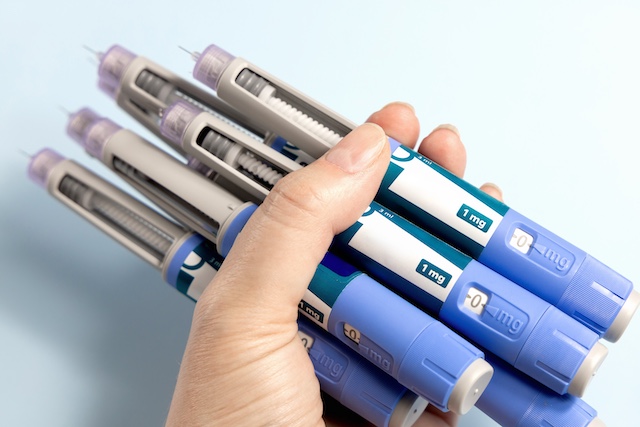
Nine in Ten Eligible Adolescents Receive Neither GLP-1 Medication nor Bariatric Surgery, Study Finds
Key Takeaways:
- Among more than 1.4 million adolescents in the United States who met guideline-based eligibility criteria for metabolic and bariatric surgery, 90.4 per cent had received neither surgery nor a GLP-1 medication by the fourth quarter of 2025.
- GLP-1 prescribing rose 35-fold between early 2017 and the end of 2025, while bariatric surgery rates fell by about 29 per cent after peaking in 2022 – a decline that coincided with FDA approval of semaglutide for adolescents with obesity.
- Adolescents with private insurance were prescribed GLP-1 medications at rates 2.4 times higher than those who were uninsured or self-paying, raising concerns that newer obesity medications could be widening existing inequities in care.
New treatments, limited reach
Powerful new anti-obesity medications have arrived, and evidence supporting metabolic and bariatric surgery for adolescents continues to grow. Yet the vast majority of teenagers who are eligible for these treatments are receiving neither, according to a new study from Ann & Robert H. Lurie Children’s Hospital of Chicago, published in JAMA Pediatrics.
The research set out to examine how two major advances in the care of adolescents living with obesity relate to one another.
“The motivation behind our paper was to look at the relationship between two exciting developments in the treatment of obesity in adolescence. The first is long-term evidence for the safety and efficacy of bariatric surgery in adolescents, and the other is FDA approval of GLP-1s in this age group,” said John B. Rode, MD, MS, first author of the study and a fourth-year resident physician at Lurie Children’s.
How the study was conducted
The investigators analysed electronic health records from more than 1.4 million adolescents in the United States who met guideline-based eligibility criteria for metabolic and bariatric surgery between 2017 and 2025.
Across that period, they tracked the use of bariatric surgery alongside prescribing of GLP-1 medications, including semaglutide and liraglutide. Use of GLP-1s increased dramatically during the study period, while rates of bariatric surgery began to decline following the approval of semaglutide for adolescents with obesity in late 2022.
Bariatric surgery rises, then declines
Use of bariatric surgery among eligible adolescents increased steadily from 2017 through 2022, reaching a peak of 189 procedures per 100,000 eligible teenagers. After that point, the trend reversed.
“Our study found that while bariatric surgery use increased between 2017 and 2022, it subsequently decreased about 29 percent through the end of 2025,” Dr. Rode said. “This decline coincided with the FDA approval of semaglutide for adolescents aged 12 or older with obesity.”
GLP-1 prescribing increases 35-fold
Over the same period, prescriptions for GLP-1 medications increased sharply. Overall prescribing rates rose from 301 prescriptions per 100,000 eligible adolescents in early 2017 to 10,676 per 100,000 by the end of 2025 – a 35-fold increase.
Prescribing rates were highest among adolescents with the most severe obesity.
Most eligible adolescents receive neither treatment
Despite the sharp rise in GLP-1 prescribing, both treatments reached only a small fraction of the adolescents who qualified for them. Among the 1.4 million adolescents eligible for bariatric surgery, less than 1 per cent underwent surgery during the study period, while 4.6 per cent received at least one GLP-1 prescription.
By the fourth quarter of 2025, more than 1.29 million eligible adolescents – 90.4 per cent of the study population – had received neither treatment.
“We found that nine out of 10 adolescents who qualified for bariatric surgery received neither treatment throughout the whole study period between 2017 and 2025,” Dr. Rode said. “Our findings suggest that even though we’ve developed safe and effective treatments for obesity in adolescents, the data indicate that those who qualify likely don’t have access to these treatments.”
Insurance status and unequal access
Dr. Rode and his collaborators also identified disparities in access to GLP-1 medications. By late 2025, adolescents with private insurance were prescribed GLP-1 medications at rates 2.4 times higher than those who were uninsured or self-paying, and at modestly higher rates than those with public insurance.
Bariatric surgery rates, by contrast, were similar across insurance groups.
According to Dr. Rode, the findings raise concerns that newer obesity medications could be widening existing inequities in care.
Supporting young people living with obesity
The study points to a gap between the treatments now available for adolescents living with obesity and the number of eligible young people who actually receive them. For healthcare professionals who work with children, young people and their families, keeping pace with a fast-moving evidence base is an important part of helping to close that gap.
With GLP-1 prescribing rising 35-fold over the study period, these medications are becoming an increasingly prominent part of obesity care. Supporting clinicians to prescribe them safely and confidently – from selecting the right treatment and initiation through to titration and managing side effects – is the focus of professional training such as the College of Contemporary Health’s GLP-1RAs in Practice: Prescribing, a CPD-accredited online short course.
Questions for future research
The authors say more work is needed to understand both how GLP-1 medications will reshape obesity care and why so few eligible adolescents are receiving evidence-based treatment.
“As rates of childhood obesity continue to rise, further research is needed to understand how GLP-1s might change the landscape of obesity care, including the potential complementary role with metabolic and bariatric surgery,” Dr. Rode said. “Most importantly, further research is necessary to understand the reasons behind this lack of access to evidence-based treatments, to make sure that patients receive the care that they need.”
Authorship and funding
Justin Ryder, PhD, Vice Chair of Research for the Department of Surgery at Lurie Children’s and Associate Professor of Surgery and Pediatrics at Northwestern University Feinberg School of Medicine, was the senior author on the study.
The study was supported by the National Cancer Institute under award T32CA247801.
CCH insight
GLP-1 prescribing among eligible adolescents rose 35-fold in this study, yet nine in ten received neither a GLP-1 medication nor bariatric surgery, and access to GLP-1s varied by insurance status. For healthcare professionals supporting people living with obesity, the findings are a reminder of how quickly treatment options are changing – and how much depends on those options reaching the people who qualify for them.
CCH’s GLP-1RAs in Practice: Prescribing CPD short course (2 CPD hours, fully online, CPD-accredited) equips prescribers to use these medications well – from selecting the right treatment and initiation through to titration and side-effect management.
Source: JAMA Pediatrics