

Abdominal Obesity and Vitamin D Deficiency Together More Than Double the Risk of Death After 50
Key Takeaways:
- In people aged 50 and over, having both abdominal obesity and vitamin D deficiency was linked to a 123% higher risk of death.
- Alone, abdominal obesity raised that risk by 47% and vitamin D deficiency by up to 91% – together, the two amplify one another.
- Abdominal fat sequesters circulating vitamin D, and the resulting deficiency worsens the chronic inflammation driven by excess fat.
A six-year study of ageing in England
New research has put a figure on something clinicians have long suspected: that two common and often overlooked problems in later life are considerably more dangerous when they occur together than either is alone.
The study, in the journal Diabetes, Obesity and Metabolism, followed 5,520 people aged 50 and older over a six-year period. It found that people with both abdominal obesity and vitamin D deficiency had a 123% higher risk of death than people without these conditions.
The work was coordinated by Tiago Silva Alexandre, a professor in the Department of Gerontology at the Federal University of São Carlos (UFSCar) in Brazil, and carried out in collaboration with University College London (UCL) in the United Kingdom. Participants were drawn from the English Longitudinal Study of Ageing (ELSA), one of the world’s largest studies on ageing.
The central message is not that either condition is newly dangerous, but that their combination multiplies risk.
“Abdominal obesity is a well-known risk factor because it’s associated with inflammation and metabolic problems. Vitamin D, on the other hand, is a hormone that acts on various organs, and its deficiency impairs several bodily functions. When these two conditions occur together, one amplifies the effects of the other, further increasing the risk of death,” explains Alexandre. “For that reason, monitoring vitamin D levels and treating excess abdominal fat are essential measures to prevent premature death, especially after age 50,” he adds.
How the two conditions were defined
The researchers used established thresholds for both measures, which makes the findings straightforward to translate into everyday practice.
Vitamin D deficiency was defined as a level below 30 nmol/L. Abdominal obesity was defined by waist circumference – greater than 102 centimetres (40 inches) for men and greater than 88 centimetres (35 inches) for women.
Both are measures that can be captured in a routine consultation, one through a standard blood test and the other with a tape measure, without recourse to specialist equipment or imaging.
Each condition carries risk on its own
When the two conditions were examined separately, the data produced a result that may surprise some practitioners: vitamin D deficiency alone posed a greater risk than abdominal obesity alone.
Abdominal obesity on its own was associated with a 47% increase in the risk of death. Vitamin D deficiency on its own raised that risk by up to 91%. When both were present, the risk of death more than doubled.
That pattern is what makes the combination clinically significant. The elevated risk seen in people with both conditions is greater than would be expected from simply adding the two individual risks together, which points towards a biological interaction rather than two independent problems sitting side by side in the same person.
Why the two conditions amplify one another
According to Alexandre, abdominal obesity and vitamin D deficiency feed into each other, creating what he describes as a vicious cycle.
The first mechanism is storage. Abdominal fat “sequesters” circulating vitamin D and holds it within adipocytes, or fat cells, preventing the vitamin from reaching the bloodstream in useful quantities.
“This means that although the body may have the vitamin stored in fat, it isn’t freely available in the blood to perform vital functions in other organs and systems,” he says.
In other words, a blood test may show deficiency even where the body’s total stores are not depleted, because the vitamin is effectively locked away where it cannot be used.
The second mechanism concerns metabolism. People with obesity have lower expression of the enzymes needed to metabolise vitamin D, which further reduces the amount available to the body.
The consequences then loop back on themselves. “Abdominal obesity reduces circulating vitamin D, and that deficiency impairs the immune system, exacerbating the chronic inflammation caused by excess fat and drastically increasing the risk of mortality,” Alexandre explains to Agência FAPESP.
Ageing, inflammation and a loss of regulation
The picture is complicated further by the biology of ageing itself. Later life is naturally marked by a process known as inflammaging – a state of low-grade chronic inflammation that develops with age.
Vitamin D ordinarily acts as a brake on that process. Where levels fall and abdominal fat is present, that brake is weakened at precisely the point where it is most needed.
“Under normal conditions, vitamin D acts as a regulator of the immune system, preventing inflammation from getting out of control. When vitamin D levels are low and there’s excess abdominal fat, an unfavorable systemic environment develops that accelerates cardiovascular and metabolic diseases, as well as muscle loss,” he stresses.
Part of a wider cascade
This study is the most recent in a series by the same group investigating the role of vitamin D in ageing, and its findings sit alongside earlier work linking deficiency to functional decline.
“In previous studies, we identified a cascade effect. Vitamin D deficiency leads to a loss of strength, which results in reduced walking speed, causing a loss of independence and greater dependence in daily activities,” Alexandre explains.
A further study by the group found that vitamin D deficiency increases the risk of cognitive decline.
Taken together, these strands describe a hormone with a reach that extends well beyond bone health.
“Vitamin D is a hormone with various functions. It plays a role in regulating blood pressure, heart rate, the central nervous system, the immune system and the endocrine system. Therefore, when its levels are low, several essential bodily functions are compromised,” he says.
What this means for practice
For healthcare professionals working with people over 50, the practical implication is a case for looking at these two markers together rather than in isolation. A raised waist circumference and a low vitamin D level each warrant attention on their own terms, but the study suggests that the presence of one should prompt closer interest in the other.
It also reinforces the value of waist circumference as an assessment measure in its own right, given that it is central adiposity – rather than body weight alone – that drives the inflammatory and metabolic processes described here.
Building that broader assessment skill set, and the confidence to act on it as part of whole-person care, is the focus of professional training such as the College of Contemporary Health’s Obesity Essentials, a CPD-accredited online short course covering the assessment and management of overweight and obesity.
As Alexandre puts it, monitoring vitamin D levels and treating excess abdominal fat are essential measures to prevent premature death after the age of 50 – two simple assessments that, on this evidence, carry considerable weight together.
CCH insight
This is an interesting study. At CCH we have held a longstanding interest in the wide- ranging functions of vitamin D, especially its role in immune function. These results suggest that vitamin D status should be checked routinely in patients with abdominal obesity, and any deficiency should be treated immediately. This would be a simple and inexpensive protocol and could significantly reduce premature death in this group.
Findings like these are a reminder that excess abdominal fat rarely acts alone – its metabolic and inflammatory effects reach into hormone regulation, immune function and, ultimately, life expectancy. CCH’s Obesity Essentials CPD short course (10 CPD hours, fully online, CPD-accredited) helps healthcare professionals assess and manage patients living with overweight and obesity using a rounded, evidence-based approach that looks beyond a single number on the scale to the wider systemic picture.
Read More
Sensing, Liking and Wanting: Why Food Feels Different on GLP-1RAs
Key Takeaways:
- A Frontiers in Nutrition review finds that altered eating experience on GLP-1 receptor agonists (GLP-1RAs) reflects changes in food reward rather than impaired taste function.
- The authors separate three processes: sensing food, liking it, and wanting it.
- The evidence is heterogeneous and largely observational, so the framework is a conceptual model, not proof of causality.
Why reports of “taste changes” may not be about taste at all
Some people taking GLP-1RAs report that their favourite foods become less enjoyable or tempting, without this necessarily reflecting impaired basic taste function. That distinction sits at the centre of a recent review published in the journal Frontiers in Nutrition, in which the authors conducted a structured narrative review of current evidence on how glucagon-like peptide-1 receptor agonists influence sensory perception, food enjoyment and food motivation, using a sensory-liking-wanting framework.
Obesity is a chronic, progressive metabolic disease with growing global prevalence, which increases the demand for effective long-term treatment options. GLP-1RAs are widely used in obesity treatment because they enhance satiety, delay gastric emptying, reduce energy intake and support meaningful weight loss. Alongside those effects, some people also report that food tastes different, feels less enjoyable, or no longer seems tempting. These experiences are often described as “taste changes”, but the review argues that they may reflect several biological processes rather than a single taste disorder. Further research is needed to understand these mechanisms and to improve nutritional care during treatment.
Looking beyond appetite suppression
GLP-1RAs have changed the way obesity is managed by reducing energy intake and supporting meaningful weight loss. Growing clinical experience, however, shows that their effects extend beyond a simple reduction in hunger.
Some people describe food tasting different, reduced pleasure in eating, or lower cravings for high-calorie foods. The review suggests that these experiences should not be treated as simple taste disturbances, but as a combination of three components related to eating behaviour: sensory perception, liking and wanting.
The three components of eating behaviour
Eating begins with sensory perception, which includes detecting taste, smell and food texture. This stage determines how food is initially recognised.
The second component is liking, defined as the subjective pleasure or hedonic value associated with eating. It is influenced by flavour, prior experience, context, cognitive factors and physiological state.
The third component, wanting, describes the motivation or craving to seek out and consume food. Separating these components helps explain why reports of “taste changes” may in fact reflect different biological processes.
How GLP-1RAs may influence food reward and the eating experience
The review sets out how GLP-1RAs may influence eating behaviour through interconnected biological pathways rather than by directly changing taste. Preclinical studies indicate that endogenous glucagon-like peptide-1 (GLP-1) is produced by some mammalian taste bud cells and may modulate taste signalling. Those findings do not establish that GLP-1RA treatment directly alters taste in humans, and the limited human studies available have produced inconsistent results.
Taste signals are integrated in the nucleus of the solitary tract (NTS) before reaching brain regions involved in appetite and reward. Human studies have associated GLP-1RA treatment with reduced craving and weaker neural responses to calorie-dense food cues in some participants. Those findings are more consistent with altered food valuation and motivation than with impaired basic taste.
Gastrointestinal effects, including nausea and early satiety, may also reduce the pleasure of eating, which makes it difficult to distinguish altered food reward from genuine changes in taste perception.
What the clinical evidence does and does not show
Randomised controlled trials usually focus on body weight and metabolic outcomes. Eating-related experiences are rarely included as prespecified measures and are more often captured sporadically as adverse events.
Patient-reported outcome questionnaires may provide a more sensitive window into changes in food enjoyment and preference, but assessment methods vary considerably between studies. Real-world evidence presents additional challenges, as reports of “taste alterations” may encompass several distinct sensations, including olfactory changes, dry mouth, gastrointestinal discomfort and other symptoms that are difficult to distinguish clinically.
Spontaneous reporting databases can identify safety signals but cannot establish incidence or risk. Cohort studies, by contrast, provide better-defined populations and follow-up, yet remain vulnerable to subjective reporting and confounding.
Because this was a narrative review rather than a systematic review or meta-analysis, the authors did not conduct a formal risk-of-bias assessment.
A framework for understanding what people report
According to the review, alterations in the eating experience during GLP-1RA treatment should not be regarded solely as a biological phenomenon, but understood as the interaction between different processes.
Peripheral taste pathways, brainstem integration, central reward networks, interoceptive state and learned behaviour may all contribute. Their relative importance may differ between individuals and across treatment stages. A person’s report of a “taste change” may therefore not correspond to a clinically defined gustatory disorder.
The authors also note that alternative explanations should be considered when interpreting eating-related changes, including nausea, delayed gastric emptying, altered satiety, behavioural adaptation and medication adherence.
The framework additionally accommodates limited treatment response, persistent appetite, weight regain after treatment withdrawal or interruption, and rare atypical or paradoxical responses.
Clinical relevance and a possible stage-dependent pattern
The review highlights that reported changes in eating experience should not automatically be classified as taste abnormalities. Healthcare professionals may find it useful to establish whether a person is describing altered taste perception, reduced satisfaction from eating, or diminished interest in food, as these experiences can reflect distinct processes. Distinguishing between them well depends on the quality of the conversation in the consultation, and supporting people through the eating-related changes that accompany GLP-1RA treatment is the focus of professional training such as the College of Contemporary Health’s GLP-1RAs in Practice: Supporting Patients During Treatment, a CPD-accredited online short course.
The authors present these points as translational implications rather than formal clinical recommendations. They also propose a stage-dependent pattern in which these experiences may change over time.
Early in treatment, gastrointestinal discomfort and enhanced satiety may reduce the appeal of food, whereas later stages may involve a more persistent reduction in motivation towards highly rewarding foods in some individuals.
Why this matters for nutrition and obesity management
The proposed sensory-liking-wanting framework has practical implications for obesity treatment and nutritional counselling. Understanding whether someone is experiencing altered sensory perception, reduced enjoyment of food, or lower motivation towards food may support more individualised dietary guidance and improve communication between people receiving treatment and the professionals caring for them.
The review also highlights that the existing body of evidence is heterogeneous, owing to differences in endpoint definitions, measurement methods, populations, drugs, doses and follow-up periods. Much of the human evidence is observational, secondary or exploratory, and many studies were not designed to separate sensory function from liking and wanting. Current findings are therefore better interpreted as a conceptual framework for organising available evidence than as proof of a single causal pathway.
Future studies using standardised, multimodal assessments and longer follow-up may help clarify how these eating-related changes influence food preferences, dietary behaviour, long-term weight management and treatment adherence.
Conclusion
The review concludes that altered eating experiences during GLP-1RA therapy are more consistent with changes in food reward, hedonic evaluation and motivational drive than with a uniform impairment of taste function, although modulation of peripheral taste pathways may contribute in some cases.
Current evidence supports interpreting reported “taste changes” within a sensory-liking-wanting framework that distinguishes sensory perception from food enjoyment and craving. Because responses vary between individuals and the available evidence remains heterogeneous, the proposed framework should be considered a conceptual model rather than definitive proof of causality.
Longitudinal, multimodal human studies measuring sensory function, hedonic response, motivational drive and state-related symptoms in parallel are needed to clarify these effects and their implications for nutrition, dietary behaviour, treatment adherence and long-term obesity management.
CCH insight:
When someone says food no longer tastes right on a GLP-1RA, the clinically useful question is which part of eating has changed: the sensing, the liking or the wanting. Each points towards different advice, and each can shift as treatment progresses. CCH’s GLP-1RAs in Practice: Supporting Patients During Treatment CPD short course (2 CPD hours, fully online, CPD-accredited) equips healthcare professionals to have exactly those conversations – recognising what people are really describing, adapting dietary and nutritional support through the course of treatment, and monitoring for the changes that matter.
Explore GLP-1RAs in Practice: Supporting Patients During Treatment →
Read More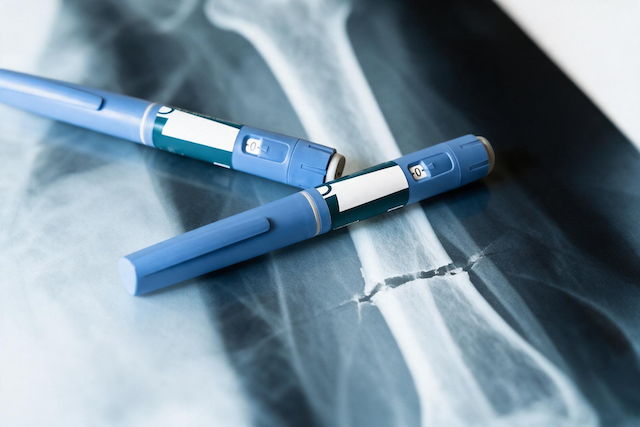
GLP-1 Therapies Linked to Lower Fragility Fracture Risk in Adults Living With Type 2 Diabetes
Key Takeaways:
- Adults aged 50 and over living with type 2 diabetes who started a GLP-1 receptor agonist had a 21% lower three-year risk of fragility fracture than those starting a DPP-4 inhibitor (HR 0.79).
- Reductions were strongest for vertebral (HR 0.68) and hip or femur fractures (HR 0.70), and appeared independent of changes in BMI and HbA1c – pointing to a possible direct skeletal effect.
- The findings do not extend to younger people using GLP-1 medications for weight management alone, or to those with osteoporosis; among adults without diabetes, fracture risk was higher (HR 1.13).
A large-scale look at bone health during GLP-1 treatment
Initiating a GLP-1 receptor agonist for type 2 diabetes was associated with a lower risk of fragility fractures in adults aged 50 and over, including fractures of the hip and spine, according to a large target trial emulation study published in JAMA Network Open.
Over three years of follow-up, adults who newly started a GLP-1 medication had a 21% lower risk of fragility fracture than those who newly started a DPP-4 inhibitor (HR 0.79, 95% CI 0.76–0.83), reported Christopher Hamad, MD, of the University of California Los Angeles, and colleagues.
The authors were careful to frame the size of the effect in context rather than overstate it.
“Although the absolute risk reduction at 3 years was modest (0.79%), this magnitude is clinically relevant given a baseline 3-year major osteoporotic fracture risk of approximately 3% to 4% in comparable populations and the substantial morbidity and mortality associated with hip and vertebral fractures,” the authors wrote.
Why a modest absolute reduction still matters
The clinical weight of these numbers rests on how serious the events being prevented are. Hip fractures, for example, are associated with one-year mortality rates of up to 25% in women and up to 36% in men.
Given the potential for such severe outcomes, Hamad’s group emphasised that even modest absolute reductions in fragility fractures – which stem from low-energy trauma, such as a fall from standing height – can prevent a meaningful number of events at population level.
The findings build on several smaller observational studies in people living with diabetes that have similarly linked the use of GLP-1 medications such as semaglutide (Ozempic, Wegovy) to a reduced fracture risk. Hamad’s team noted that their analysis drew on the largest dataset assembled on this question to date.
Which fractures showed the strongest signal
The protective association was most pronounced at precisely the sites that carry the highest morbidity and mortality:
- Vertebral fractures: HR 0.68, 95% CI 0.63–0.73
- Hip or femur fractures: HR 0.70, 95% CI 0.63–0.79
- Rib fractures: HR 0.83, 95% CI 0.77–0.91
No significant associations were identified for fractures of the distal radius or ulna, or of the proximal humerus.
Weight loss, glycaemic control and the question of a direct skeletal effect
One of the more striking elements of the analysis concerns the mechanism. Mediation analyses indicated that the associations were independent of changes in BMI and HbA1c, a pattern consistent with a potential direct skeletal effect of GLP-1 medications.
That matters because weight loss itself is associated with reduced bone mineral density and a higher fracture risk – a relationship reflected in the study’s own data, which found that cumulative BMI loss was tied to a 2% increase in fracture risk. In other words, the expected consequence of the weight reduction these medications produce would be a rise in fracture risk, not a fall.
“Yet, GLP-1 RA [receptor agonist] use was associated with lower fracture risk despite these changes, suggesting that potential direct skeletal effects may outweigh the adverse consequences of weight loss,” the authors wrote.
Reassessing the assumption of neutral skeletal effects
Current American Diabetes Association Standards of Care classify GLP-1 medications as having neutral effects on the skeleton. The researchers argued that their results suggest this assumption warrants reevaluation.
They also acknowledged the limits of what an observational design can establish, noting that the findings could still reflect unmeasured factors such as improved balance or greater physical activity among people taking these medications. Making sense of evidence like this – and of the mechanistic arguments used to interpret it – is the focus of professional training such as the College of Contemporary Health’s GLP-1RAs in Focus, a CPD-accredited online short course that grounds healthcare professionals in how these medications act on the body.
How the study was conducted
For this comparative effectiveness study, the researchers drew data from the TriNetX Research Network, analysing 66,803 matched pairs, or 133,606 people in total, aged between 50 and 90 years.
Mean age was approximately 63 years, roughly 53% of participants were male, 58% were White, and average baseline BMI was around 33.
All participants were living with type 2 diabetes and had newly initiated either a GLP-1 receptor agonist or a DPP-4 inhibitor between 2015 and 2022. Dulaglutide (Trulicity), semaglutide and liraglutide (Victoza) together accounted for 91% of index prescriptions in the GLP-1 group. Exclusion criteria included fractures resulting from high-energy trauma, as well as osteoporosis and osteopenia.
Where the protective association held – and where it did not
In subgroup analyses, the lower fracture risk was consistent across age groups, across sexes and across levels of frailty.
A separate matched cohort, however, evaluated participants according to diabetes status and produced a notably different picture. Among adults living with type 2 diabetes, GLP-1 use retained a protective association (three-year HR 0.91, 95% CI 0.88–0.95). Among adults without diabetes, it was associated with an increased fracture risk (HR 1.13, 95% CI 1.04–1.23, P<0.001 for interaction).
Consequently, the authors emphasised that the findings cannot be generalised to younger people using GLP-1 medications solely for weight management, nor to those with known osteoporosis or a previous fragility fracture, who were excluded from the study altogether.
What this means for practice
Overall, “the findings do not argue against GLP-1 RA use on the basis of fracture risk, though bone health monitoring remains prudent,” according to the researchers.
They called for prospective randomised trials to evaluate the associations observed, including among people with osteopenia or early osteoporosis, alongside preclinical work to understand the potential mechanisms involved.
CCH insight
For healthcare professionals, this study is a useful reminder that the skeletal consequences of GLP-1 treatment are not yet settled science – and that the answer appears to differ depending on who is being treated and why. Interpreting findings of this kind with confidence depends on a firm grasp of how these medications act in the first place, from gut hormones and appetite regulation through to their wider effects beyond glycaemic control. That is exactly what CCH’s GLP-1RAs in Focus – Why Drugs Like Ozempic Work CPD short course (2 CPD hours, fully online, CPD-accredited) is built to provide, giving clinicians a clear grounding in the mechanisms behind these therapies and the ability to appraise emerging evidence critically, whether or not they prescribe.
Read More
One Avocado a Day May Lower a Hidden Heart Disease Risk in Adults Living With Obesity
Key Takeaways:
- Adults living with obesity who ate one avocado a day for six months showed a fall of 49 nanomoles per litre in LDL particle concentration – equivalent to roughly a 4% reduction in heart disease risk.
- LDL particle number is a risk factor distinct from LDL cholesterol itself, and it tends to be higher in people with abdominal obesity, meaning two people with identical cholesterol readings can carry very different levels of risk.
- The benefit appeared consistently across sex, race, ethnicity, age and body mass index, suggesting that a single, sustainable dietary addition can shift a meaningful cardiometabolic marker without any wider change to diet or activity.
A single dietary change, made in the real world
Adding one avocado to the daily diet may reduce heart disease risk in adults living with obesity, according to research led by the Penn State Department of Nutritional Sciences and published in the Journal of Clinical Lipidology.
The team found that regular avocado consumption was associated with a lower concentration of low-density lipoprotein (LDL) particles – the protein particles that transport cholesterol around the body – in the blood. That reduction corresponded to an approximate 4% decrease in heart disease risk.
What distinguishes the finding is its modesty. Rather than testing a wholesale dietary overhaul, the researchers examined what happens when people make one addition and otherwise carry on as normal.
“If people want to improve the quality of their diet, making one small change might be a more feasible strategy than attempting to change their entire diet,” said Janhavi Damani, postdoctoral scholar at Penn State and first author of the study. “For people with obesity, including avocados in their daily diet might be a good starting place.”
Why particle number matters, not just cholesterol
LDL particles represent a risk factor for heart disease that is separate from LDL cholesterol – the so-called “bad cholesterol” that is itself a significant contributor to risk. The risk posed by LDL particles is typically higher in people with abdominal obesity, the researchers noted.
The distinction rests on a point of basic physiology that standard lipid panels do not capture. LDL cholesterol cannot travel through the body unaided; it must be carried by a protein particle. When a greater number of protein particles are involved in transporting the same quantity of cholesterol, heart disease risk rises – even though the measured cholesterol figure is unchanged.
Damani illustrated the point directly.
“Imagine two people with the same high levels of LDL cholesterol,” Damani said. “Person A carries their cholesterol in fewer, larger LDL particles, and Person B carries their cholesterol in more, smaller LDL particles. Person B’s heart disease risk would be higher because their overall particle count is higher even though a test of their LDL cholesterol would look identical.”
How smaller particles do more damage
Those smaller particles penetrate artery walls more easily and contribute to the accumulation known as plaque, Damani explained.
Plaque raises heart disease risk through two mechanisms working together. It narrows the space available for blood to pass through a vessel, and it reduces the vessel’s flexibility. The consequence becomes clearest under load: when a person’s heart is working hardest – through exertion, heat, stress or any other cause – their blood pressure rises more sharply than it otherwise would, because the vessel can no longer expand to accommodate the increased demand. That failure to compensate can be enough to trigger a cardiac event such as a heart attack.
This mechanistic detail matters clinically, because it explains why particle count can carry prognostic weight even when a patient’s cholesterol result looks reassuring. Practitioners working in weight management and cardiometabolic care increasingly need to interpret markers of this kind alongside anthropometric measures, and this is territory that CCH’s CPD short course provision in obesity care covers in some depth.
Inside the Habitual Diet and Avocado Trial
For this analysis, the researchers drew on data originally collected from 786 participants in the Habitual Diet and Avocado Trial, a six-month study of adults aged 25 years and older.
Eligibility was defined by waist circumference. Men qualified if their waist circumference exceeded 102 centimetres (40 inches); women qualified if theirs exceeded 89 centimetres (35 inches).
Participants were divided into two groups. Half were instructed to maintain their usual diet and activity levels. The other half were provided with one avocado to consume each day and were also instructed to maintain their usual diet and activity levels. No other dietary guidance or restriction was applied.
The original Habitual Diet and Avocado Trial had already established that adding avocado to the diets of people living with obesity did not alter weight or waist circumference, but could reduce levels of LDL cholesterol.
What the blood samples showed
In the current study, the researchers compared blood samples collected at the start and at the end of the six-month period.
Across the study, LDL particle levels in the avocado-per-day group fell by 49 nanomoles per litre. That change corresponded to an approximate 4% reduction in heart disease risk, according to the researchers.
The team was careful to set this figure in proportion.
“Four percent is a modest reduction compared with the 14% to 29% lower heart disease risk associated with improving the overall diet,” Damani said. “However, it is a step in the right direction.”
A consistent effect across the study population
One of the more notable findings concerned who benefited. Regardless of participants’ sex, race, ethnicity, age or body mass index, they were equally likely to experience improvements in LDL particle levels.
The researchers took this to indicate that anyone living with obesity could benefit from avocado consumption. They added a clear caveat, however: people should speak to a registered dietitian nutritionist or their physician for personalised, expert guidance on improving their diets.
From controlled conditions to unpredictable lives
The study’s most significant contribution may lie less in the size of the effect than in the setting in which it was demonstrated.
“Penn State researchers demonstrated several years ago that avocado consumption could reduce LDL cholesterol and levels of LDL particles,” said Kristina Petersen, associate professor of nutritional sciences and senior author of this study. “But in that study, the researchers controlled participants’ entire diets throughout the experiment. This study demonstrated benefits in the real world, where people’s diets are much less predictable. In the course of people’s normal lives, avocado consumption still contributes to a healthier diet.”
That shift – from a tightly controlled feeding study to free-living participants managing their own meals – is what makes the result relevant to everyday practice. A 4% reduction achieved under laboratory conditions tells clinicians relatively little about what patients will actually sustain. A comparable reduction achieved by people eating as they normally do, with one addition, is a different kind of evidence.
What this means for practice
For healthcare professionals supporting people living with obesity, the findings reinforce a familiar principle with fresh quantitative backing: incremental, achievable changes can move clinically meaningful markers. They also underline the value of looking beyond standard lipid measurements when assessing cardiovascular risk in patients with abdominal obesity, where LDL particle number may reveal risk that a conventional cholesterol result conceals.
None of this positions a single food as a substitute for comprehensive care. The researchers’ own framing is deliberately measured – a step in the right direction, not a solution. But in a field where adherence often determines outcomes more than the theoretical strength of an intervention, feasibility is itself a clinical variable worth taking seriously.
CCH insight
It is always re-assuring to hear about studies which show clear benefits of foods we associate with good health, so this is great news for people who eat avocados regularly and a nice reminder for others to maybe eat them more often. However, high cholesterol and other risk factors for cardiometabolic diseases are most common in populations of high deprivation, who are unable to buy avocados regularly due partly to access but mainly due to cost.
This study’s practical value lies in feasibility – one addition, sustained over six months, moving a real marker of cardiovascular risk. Translating that kind of evidence into advice patients will actually follow is the core skill of nutritional care in obesity management. CCH’s Nutrition & Weight Management Essentials (6 hours, fully online, CPD-accredited) gives healthcare professionals a solid grounding in fundamental nutrition concepts, the factors driving weight gain, and evidence-based approaches to both weight loss and long-term maintenance, with real-life case studies throughout.
Explore Nutrition & Weight Management Essentials →
Read More
Ozempic and Mounjaro Linked to Modest Rise in Hair Loss Risk, BMJ Study Finds
Key Takeaways:
- Adults living with type 2 diabetes taking GLP-1 receptor agonists developed alopecia more often than those taking SGLT-2 inhibitors (37% higher risk) or DPP-4 inhibitors (68% higher risk), a BMJ study reports.
- Absolute risk stayed low, at 6.91 cases per 1,000 person years for GLP-1 receptor agonists against 5.04 for SGLT-2 inhibitors and 3.89 for DPP-4 inhibitors.
- The association was confined to non-scarring alopecia, where the follicle stays intact and regrowth remains possible.
A modest signal, but one worth discussing in the consultation
Medications from the GLP-1 receptor agonist class, now widely used in the management of type 2 diabetes and obesity, may be associated with a modest increase in hair loss. The finding comes from a study published by The BMJ on 22 July 2026.
The class includes semaglutide, marketed under brand names such as Ozempic and Wegovy, and tirzepatide, marketed as Mounjaro and Zepbound. Researchers found that adults living with type 2 diabetes who were treated with GLP-1 receptor agonists went on to develop alopecia more frequently than people prescribed two other commonly used classes of diabetes medication.
Although the relative increase was significant, the researchers emphasised that the absolute risk of hair loss remained low. Even so, awareness of the possible adverse effect could help people and their clinicians reach better informed treatment decisions together.
Reports of hair loss with semaglutide and tirzepatide
Hair loss has been reported before as a possible adverse effect of GLP-1 receptor agonists, particularly with medications containing semaglutide or tirzepatide. What has been missing is research that directly compares the risk among people taking these medicines with the risk among people taking alternative diabetes treatments.
To address that gap, the research team analysed electronic health records from the University of Pennsylvania Health System (Penn Medicine). They compared rates of alopecia among adults living with type 2 diabetes who began treatment with GLP-1 receptor agonists, SGLT-2 inhibitors or DPP-4 inhibitors.
The analysis covered people treated between January 2019 and September 2024. One comparison included 12,004 people taking GLP-1 receptor agonists and 15,221 taking SGLT-2 inhibitors. A second, separate comparison included 11,964 people taking GLP-1 receptor agonists and 11,233 taking DPP-4 inhibitors.
Accounting for differences between the treatment groups
The groups differed in several important respects before the researchers adjusted their results.
Compared with people taking SGLT-2 inhibitors, those taking GLP-1 receptor agonists were younger (mean age 58 v 65), had a higher body mass index (36.2 v 32.3), and had lower rates of cardiovascular disease and chronic kidney disease.
A similar pattern was seen in the comparison with DPP-4 inhibitors. People taking GLP-1 receptor agonists were again younger (mean age 58 v 67) and had a higher body mass index (36.2 v 31.3).
To limit the influence of these imbalances, the researchers adjusted for factors that might otherwise have shaped the findings, including age, sex, ethnicity, pre-existing conditions, use of other medications, and body mass index.
Higher rates of alopecia after adjustment
Once those adjustments were made, use of a GLP-1 receptor agonist was associated with a 37% higher risk of alopecia than use of an SGLT-2 inhibitor (6.91 v 5.04 per 1,000 person years).
The difference was larger in the second comparison. Risk was 68% higher among people taking GLP-1 receptor agonists than among those taking DPP-4 inhibitors (6.53 v 3.89 per 1,000 person years).
Further analysis indicated that the association was limited to non-scarring alopecia, the form in which hair follicles remain intact and the potential for regrowth is preserved. For this type of hair loss, risk was 53% higher among people taking GLP-1 receptor agonists than among those taking SGLT-2 inhibitors, and 72% higher than among those taking DPP-4 inhibitors.
Why rapid weight loss might disturb the hair cycle
The study did not establish why GLP-1 medications might be connected to hair loss, but the authors set out several plausible explanations.
Rapid weight loss is a well established cause of increased hair shedding. It may also contribute to iron or zinc deficiency, either of which can interfere with the normal hair growth cycle. Hormonal changes related to weight loss or to treatment itself could play a part as well, although further research will be needed to identify the mechanisms at work.
Important questions that remain open
The researchers acknowledged a number of limitations. The available clinical records did not contain enough detail to determine the severity, extent or duration of the alopecia. Nor could the team assess whether hair grew back after people stopped taking the medication.
Because the study was observational, it cannot demonstrate that GLP-1 medications directly caused the hair loss. Other factors that were not measured may have influenced the results.
Set against that, the authors described their work as rigorous, drawing on high quality data from a large and representative group of patients. The findings also held up across additional analyses, which supports their reliability.
What the findings mean for practice
For clinicians, the practical value of a study like this lies less in the headline percentages than in what it adds to the conversation before and during treatment. Anticipating adverse effects, recognising them early and folding them into shared decision-making are core parts of the GLP-1 consultation – the ground covered by CPD courses such as the College of Contemporary Health’s GLP-1RAs in Practice: How to Safely Prescribe Ozempic, Wegovy & Mounjaro, which works through initiation, titration and the avoidance of adverse reactions.
The researchers concluded: “Our findings extend previous anecdotal safety signals and provide more systematic evidence to inform clinical awareness of this potential adverse effect.”
CCH insight
This may seem like an odd perspective, but this could be a good thing if it means that people considering taking GLP-1 medications for vanity reasons (to slim down to their perfect weight when they do not have obesity or type 2 diabetes) are put off, leaving better availability for those who genuinely need it. I am sure that for most people living with obesity or diabetes, a small increased risk of alopecia is worth taking when balanced against the huge health benefits that these drugs usually bring.
Hair loss is unlikely to change prescribing decisions on its own, but it is exactly the kind of adverse effect that patients notice, worry about and sometimes stop treatment over. Knowing how to raise it, put the absolute risk in context and respond if it appears is part of delivering GLP-1 therapy well. CCH’s GLP-1RAs in Practice: How to Safely Prescribe Ozempic, Wegovy & Mounjaro (Or Any Other Weight Loss Drug) is a two-hour, CPD-accredited online course covering every stage of the consultation, from patient selection and titration through to managing adverse reactions, grounded in current NICE guidance and the ADA 2026 Standards of Care.
Find out more about GLP-1RAs in Practice →
Read More
Belly Weight Predicts Heart Health Better Than BMI, Study Indicates
Key Takeaways:
- Fat stored around the waist is a stronger predictor of heart disease than body mass index alone.
- People with preclinical obesity face a raised cardiovascular risk despite appearing healthy.
- Researchers estimate early intervention could prevent 45% of new cardiovascular disease cases.
Why waist size matters more than the scales
People living with overweight or obesity can carry a higher risk of heart disease even when they appear to be perfectly healthy, according to new research presented at the International Congress on Obesity in Mexico City (15–17 July). Combining waist-based measurements with body mass index (BMI) to detect this hidden risk and act early could, over the years ahead, prevent hundreds of thousands of people from dying from heart attacks, strokes and other cardiac problems, researchers from the University of Glasgow, Glasgow, UK, said.
“We know that excess weight, particularly around the waist, increases the risk of heart disease,” said lead researcher Estefania Fuentes Avalos. “In 2021, an estimated 1.9 million cardiovascular disease deaths – almost one in 10 heart-related deaths worldwide – were attributed to high body mass index.
“The link between central, or abdominal, obesity and heart disease is especially strong because fat stored around the waist, known as visceral fat, is metabolically active and releases inflammatory substances into the bloodstream. Over time, this chronic inflammatory state can damage blood vessels and accelerate the buildup of arterial plaque, significantly increasing the risk of heart attacks.”
The limits of BMI
BMI, a measure of weight compared with height, is routinely used to assess a person’s weight status, defining whether they have a normal weight, overweight or obesity. However, it does not take into account where fat is stored in the body.
To address this and other shortcomings of BMI, The Lancet Diabetes & Endocrinology Commission recently proposed a different way of assessing obesity status. The Lancet Commission framework uses BMI together with central adiposity markers – waist measurements – to determine whether a person has excess body fat. People with excess body fat are then categorised as having either preclinical obesity or clinical obesity, depending on whether they also have long-term obesity-related conditions such as high blood pressure, joint pain and sleep apnoea.
The new study set out to establish whether this method is better at identifying people at high risk of cardiovascular disease than BMI alone.
“Detecting cardiovascular risk at an early stage is essential, particularly at the preclinical stage of obesity, as it provides a window of opportunity to implement timely, targeted interventions before obesity-related complications such as high blood pressure arise,” Fuentes Avalos said.
“This underpins our focus on risk stratification in this group, with the aim of detecting high-risk individuals who may otherwise be overlooked.”
What the study looked at
Fuentes Avalos examined data on 382,769 adults of white ethnicity in the UK Biobank study (age range 40–69 years, average age 56 years, 53% women).
Under The Lancet Commission framework, 285,190 (74%) of the participants had excess body fat, based on BMI and central adiposity markers. Within this group, 102,237 (26.7%) were classified as having preclinical obesity – excess body fat without long-term obesity-related conditions – and 182,953 (47.8%) as having clinical obesity, meaning excess body fat alongside long-term obesity-related conditions. The remainder had neither excess body fat nor long-term obesity-related conditions; they were classified as not having obesity and served as the reference group.
None of the participants had cardiovascular disease at the start of the study. Hospital and death records provided information about diagnoses of, and deaths from, heart attacks, strokes and other forms of cardiovascular disease over the following 12 years. During this time, there were 41,742 new cases of, and 8,832 deaths from, cardiovascular disease. Studies of this scale underline how much practical assessment skill clinicians need when supporting patients with excess weight – a competency CCH’s Obesity Essentials short course is designed to build.
Clinical obesity carried the sharpest risk
Analysis of the data showed that people with clinical obesity were far more likely to develop, or die from, cardiovascular disease than those without obesity.
Women with clinical obesity developed cardiovascular disease at a rate 2.5-fold higher than women without obesity, and died from it at an almost threefold (2.8-fold) higher rate. Men with clinical obesity developed cardiovascular disease at an almost twofold higher rate (1.9-fold) and had a 2.6-fold higher rate of cardiovascular death than men without obesity.
The hidden risk in preclinical obesity
People with preclinical obesity were also at greater risk, despite having no obesity-related conditions and appearing to be in good health.
Women with preclinical obesity developed cardiovascular disease at a 38% higher rate and died from it at a 46% higher rate than women without obesity. For men, preclinical obesity was associated with an 18% higher rate of developing cardiovascular disease and a 52% higher rate of cardiovascular death.
All of the results were adjusted for socioeconomic status and lifestyle factors, including smoking and alcohol consumption.
More waist markers, more risk
Further analysis showed that the more high-risk central adiposity markers a person had, the more likely they were to develop heart disease. For example, a woman with one high-risk marker – waist circumference, waist-to-hip ratio or waist-to-height ratio – was 17% more likely to develop cardiovascular disease than a woman with no high-risk waist measurements. Having all three high-risk measurements increased the risk by 64%. The study also found that waist measurements were more accurate at predicting cardiovascular disease than BMI.
A window of opportunity
The researchers concluded that people with preclinical obesity are at higher risk of developing, and dying from, cardiovascular disease despite appearing to be healthy.
“Preclinical obesity is a critical window of opportunity to improve heart health. Routinely measuring waist circumference, waist-to-hip ratio and waist-to-height ratio along with BMI would identify high-risk individuals who might be overlooked by assessing BMI alone,” Fuentes Avalos said.
“They could then be offered intensive diet and exercise programs to improve their cardiac and overall health.
“We have calculated that early intervention could prevent 45% of new cases of cardiovascular disease and 41% of cardiovascular disease deaths in similar populations.
“Given that cardiovascular disease remains a leading cause of ill health and death globally, routinely taking waist measurements along with BMI could prevent hundreds of thousands of deaths over a decade alone.”
CCH insight
This is very important work on two levels. Firstly, it not only re-enforces the importance of waist circumference measures as superior indicators of disease risk compared to the traditional BMI measure, but also suggests that calculating three waist circumference markers gives a more accurate indication of CV risk than just one. And secondly, it feeds into the current debate around the terms ‘clinical’ and ‘pre-clinical’ obesity coined by The Lancet Diabetes & Endocrinology Commission. The results indicate that, while people with clinical obesity have a far higher risk of cardiovascular disease or death, those with pre-clinical obesity are still at risk and still therefore warrant intervention. Depending on your perspective, you could argue this supports the Commission’s findings or contradicts them!
Findings like these are only useful in practice if clinicians feel confident assessing excess weight and having sensitive, evidence-based conversations with patients about it. CCH’s Obesity Essentials – an online CPD short course offering 10 CPD hours – equips healthcare professionals with the practical skills to assess and manage patients living with overweight and obesity, from measurement through to compassionate communication.
Explore Obesity Essentials and strengthen your day-to-day weight-management practice.
Read More
Study Identifies Which Patients With Obesity Respond Best to GLP-1-Based Treatment
Key Takeaways:
- A Mayo Clinic study has identified a distinct biological subtype of obesity – a form of the “hungry gut” phenotype – that responds especially well to tirzepatide.
- People in this subgroup lost an average of 21.5% of their body weight after six months on tirzepatide, roughly double the 11.7% seen in other subtypes.
- The lower appetite-hormone levels traced back to reduced hormone production in the intestine rather than differences in the gut microbiome.
A step towards precision medicine for obesity
Why do some people lose a substantial amount of weight on GLP-1-based medications while others see far more modest results? A new Mayo Clinic study offers a potential answer, identifying a distinct biological subtype of obesity that responds especially well to tirzepatide – a medication that mimics two naturally occurring hormones involved in appetite and blood sugar regulation. The finding moves the field a step closer to precision medicine for obesity, where treatment is matched to an individual’s underlying biology rather than applied uniformly.
The research, published in the journal Gastroenterology, points to a future in which clinicians could predict, rather than simply hope, that a given therapy will work for a given person.
What the researchers found
The team studied 483 adults living with obesity and identified three distinct biological types of the disease. About one in four participants produced lower levels of GLP-1 and other hormones that help people feel full after eating.
This subgroup saw markedly better results on treatment. Patients in this group lost an average of 21.5% of their body weight after six months of tirzepatide, compared with 11.7% for patients in the other groups – losing nearly twice as much weight over the same period.
“Obesity is a complex disease driven by different biological mechanisms,” says senior author Andres Acosta, M.D., Ph.D., a gastroenterologist and the Delaney Family Director of the Nutrition Obesity Research Program at Mayo Clinic in Minnesota. “Our findings suggest we can begin identifying which patients are most likely to respond to specific therapies rather than treating obesity as a single disease.”
Understanding the “hungry gut” subtype
The subgroup that responded so strongly to tirzepatide shares a recognisable biological signature: people in this group produce lower levels of natural appetite-regulating hormones, experience faster stomach emptying and report greater hunger after meals.
Researchers describe this as a form of the “hungry gut” obesity phenotype, which is characterised by an abnormal duration of fullness. Rather than eating unusually large amounts at any one sitting, people with hungry-gut obesity may eat normal portion sizes but find themselves snacking more frequently, because the sense of fullness does not last as long as it should.
Because tirzepatide acts on the same appetite pathways that are underactive in this group, it appears especially well suited to addressing the biology that drives their eating patterns.
Why the underlying biology matters
The study also sheds light on why hormone levels differ in this subgroup. The researchers found that the reduced hormone levels were associated with decreased hormone production in the intestine itself, rather than with differences in the gut microbiome. That distinction offers new insight into the biology underlying this subtype and helps explain where the difference in treatment response originates.
Identifying the right therapy sooner could carry significant long-term benefits. Because obesity increases the risk of diabetes, heart disease, certain cancers and many other serious chronic conditions, matching people to the treatment most likely to help them – rather than relying on a one-size-fits-all approach – could improve long-term health outcomes.
What this means for clinical practice
The findings support growing efforts to personalise obesity treatment based on an individual’s biology. For clinicians, interpreting studies like this one increasingly depends on a firm grasp of how GLP-1-based medications act on appetite hormones and gastric emptying in the first place – the kind of grounding offered by CPD courses such as the College of Contemporary Health’s GLP-1RAs in Focus, which examines why some people respond more strongly to these treatments than others. Still, the authors are careful to note the limits of the current work. They caution that prospective studies are needed before this approach can be incorporated into routine clinical practice.
Even so, the results represent an important step towards more precise, individualised treatment for obesity – and towards a future in which people are guided to the therapy most likely to work for them from the outset.
Studies like this one land almost weekly, and making sense of them starts with understanding how GLP-1 receptor agonists actually work – from gut hormones and appetite regulation to why some people respond far more strongly than others. CCH’s GLP-1RAs in Focus – Why Drugs Like Ozempic Work is a two-hour, CPD-accredited online course created by Prof. Mike Bewick and Nigel Hinchliffe that builds exactly this foundation, whether or not you prescribe. Explore the course and interpret the next headline with confidence.
Source: Mayo Clinic
Read More
How Losing Around 80 Minutes of Sleep a Night Could Drive Weight Gain and Inactivity
Key Takeaways:
- Adults who cut their nightly sleep by about 80 minutes over six weeks gained roughly one pound (around 0.45 kg) on average and became more sedentary, Columbia University researchers found.
- Modest over six weeks, but the team estimates that sustaining this mild sleep loss for a year could cause clinically meaningful weight gain – a pattern affecting around 30% of adults.
- Related work in the same participants linked mild sleep restriction to greater insulin resistance and heart inflammation, pointing to a wider risk of type 2 diabetes and heart disease.
Why modest sleep loss deserves attention
Trimming a little sleep each night may carry more weight for your health than you might realise. Researchers at Columbia University Vagelos College of Physicians and Surgeons found that adults who shortened their nightly sleep by about 80 minutes over a six-week period gained an average of one pound and spent more of their waking hours being inactive.
The findings add to a growing body of evidence suggesting that consistently getting enough sleep may play an important role in preventing weight gain and in lowering the risk of obesity-related disease. Rather than pointing solely to diet and exercise, the results place sleep alongside them as a factor worth taking seriously.
“Our study shows that getting adequate sleep may help reduce the risk of weight gain and obesity-related conditions like heart disease and diabetes,” says Marie-Pierre St-Onge, a professor of nutritional medicine in Columbia’s Department of Medicine and Institute for Human Nutrition and the study leader. “People tend to gain weight over the course of their adulthood, and obesity is a major risk factor for heart disease. But focusing on eating a healthier diet and getting more physical activity to offset weight gain is simplistic and can be difficult to maintain.”
Looking beyond extreme sleep deprivation
Much of the earlier research connecting poor sleep with obesity has centred on severe sleep deprivation, frequently restricting people to as little as four hours of sleep a night. Those studies indicated that extreme sleep loss can heighten appetite and encourage overeating – behaviours that in turn contribute to weight gain.
The difficulty is that such severe restriction is hard for most people to sustain for more than a few days, which limits how far the results can be applied to everyday life. Very few people live with four hours of sleep for weeks at a time, so the relevance of those findings to the wider population has remained uncertain.
“These studies only show us what happens under the most extreme conditions and don’t tell us if mildly sleep-deprived people, like a lot of Americans who get 5 or 6 hours of sleep a night, will gain weight,” St-Onge says.
To reflect real-world habits more closely, the researchers set out to examine the effects of chronic, mild sleep loss – a pattern estimated to affect around 30% of adults.
Six weeks of less sleep led to measurable changes
The study involved 95 adults who typically slept between seven and eight hours each night. During one six-week phase, participants delayed their usual bedtime by 90 minutes, which shortened their nightly sleep. During a separate six-week phase, they kept to their normal sleep schedule, allowing each participant to serve as their own comparison.
Across both phases, participants wore wrist monitors that tracked sleep and physical activity. The researchers also measured body weight, waist circumference, body composition, and fasting levels of several hormones involved in regulating appetite, building a detailed picture of how the body responded to the change.
“While the one-pound weight gain observed with modest sleep curtailment is not overwhelming, it is important to remember this is occurring over just six weeks,” says Faris Zuraikat, assistant professor of nutritional medicine in Columbia’s Department of Medicine and Institute for Human Nutrition and first author of the study. “Our study was designed to mimic sleep patterns that most adults experience chronically. When extrapolated to a full year, we would expect that losing less than an hour and a half of sleep per night could result in clinically meaningful weight gain.”
Less sleep also meant more sitting
Alongside the change in weight, the researchers found that participants became less active during the sleep-restriction phase. On average, sedentary time rose by 17 minutes per day. Among men and postmenopausal women, inactivity climbed by nearly 30 minutes each day.
Notably, this increase in sitting held up even after accounting for the extra waking hours that come with shorter sleep – so the added inactivity was not simply a matter of being awake for longer.
“Even when we accounted for the fact that they were awake longer when sleep was shortened, participants spent more time being inactive than when they got adequate sleep,” Zuraikat says. “This is notable, as people who are more sedentary have elevated risk for chronic diseases.”
Earlier research suggests broader health effects
The same group of participants has featured in several related studies, which together suggest that the consequences of mild sleep loss may extend well beyond weight. In one earlier investigation, women with increased cardiometabolic risk who reduced their sleep by about 80 minutes each night for six weeks developed greater insulin resistance – an important risk factor for type 2 diabetes. The effect was particularly pronounced in postmenopausal women.
A separate study found that men and women with an elevated risk of heart disease developed an influx of inflammatory cells in the heart after undergoing mild sleep restriction, hinting at a possible mechanism linking short sleep to cardiovascular harm.
“Though more research is needed to further understand how sleep restriction leads to weight gain, all of our findings suggest that insufficient sleep increases the risk of obesity-related conditions like type 2 diabetes and heart disease,” St-Onge says.
“Now we need to understand the health effects of improving sleep in those who fail to get adequate sleep on a regular basis.”
About the study
The study, titled “Skimping on Sleep and Its Impact on Body Weight and Composition: A Pooled Analysis of Randomized Trials,” was published on 6 July in Annals of Internal Medicine.
The authors are Faris Zuraikat, Samantha Scaccia, Justin Cochran, Bin Cheng, Keith Diaz, Seth Creasy (University of Colorado), Brooke Aggarwal, Sanja Jelic, and Marie-Pierre St-Onge. The authors report no conflicts of interest.
Read More
Obesity Medications Work Best for Young People When Combined With Lifestyle Support
Key Takeaways:
- Among young people with obesity, pairing medication with structured behavioural and lifestyle support produced the largest short-term reductions in BMI.
- Metformin combined with behaviour and lifestyle treatment lowered BMI by 4.95, whereas metformin used on its own showed no significant change.
- Semaglutide plus counselling was linked to the biggest BMI reduction of any approach, although this estimate rested on a single trial.
Support matters as much as the medicine
Children and adolescents with obesity who received a combination of medication and structured lifestyle treatments achieved the greatest short-term reductions in BMI, according to a new evidence synthesis. The findings point away from prescribing in isolation and towards a model in which medication is layered on top of behavioural and family support rather than used as a stand-alone fix.
How the study was conducted
Researchers carried out a systematic review and network meta-analysis, searching the literature databases through June 2025, to work out which obesity treatments perform best for young people. A network meta-analysis allows multiple interventions to be compared against one another even where they have not all been tested head-to-head in the same trial.
The final analysis brought together 42 randomised clinical trials involving 3835 participants aged 10–19 years with obesity. The median age was 14.5 years, and 59.2% of participants were female individuals. Most of the included studies followed up participants over 6–12 months, placing the emphasis firmly on short-term outcomes.
The interventions assessed fell into several categories: structured behavioural and lifestyle treatments, in both standard and intensive forms; counselling; medications, including GLP-1 receptor agonists, metformin, orlistat, and phentermine–topiramate; and combinations of medication with lifestyle treatment.
The primary outcomes were changes in BMI and BMI z-score, while the secondary outcomes were changes in waist circumference, fat mass, and lean mass. The interventions were then ranked in order of effectiveness.
On study quality, the risk for bias was judged low in 21.4% of trials and high in 26.2%, with the remaining 52.4% raising some concerns. The overall certainty of the evidence ranged from very low to high, so the strength of the findings varies considerably from one comparison to another.
What the analysis found
Across the 35 trials that reported BMI and the 19 that reported BMI z-score, medications produced larger reductions when paired with lifestyle treatments than when used alone. Metformin illustrates the pattern clearly: combined with behaviour and lifestyle treatment it was associated with a reduction of 4.95 in BMI, whereas metformin used on its own showed no significant change in BMI.
Semaglutide plus counselling was associated with the largest reduction in BMI (mean difference [MD], −8.31) and in BMI z-score (MD, −1.80). This estimate, however, came from a single trial, so it should be read with caution.
Behavioural and lifestyle treatment on its own was associated with reductions in BMI (MD, −3.85; five studies) and in BMI z-score (MD, −0.89; one study) – results that matched or exceeded the effect of certain medications used alone. Combination treatments were linked to the largest reductions in fat mass, drawing on 21 studies.
What it means in practice
The authors framed the combined approach as consistently outperforming medication given without support. “[The] finding suggests that even combining medication with basic counselling was still superior to giving medication without any lifestyle support,” the researchers wrote. “Medications should never be prescribed in isolation; a person-centered, family-centered approach matching treatment intensity to medical need is essential,” they added.
Where the research came from
The study was led by Ke-wen Wan, MSc, of Hong Kong Baptist University in Hong Kong SAR, China. It was published online on 22 June in JAMA Pediatrics.
Limitations to consider
Several caveats temper the results. The findings for newer medications were based on only a few small trials, which limits confidence in those specific estimates. The wide age range may have obscured differences by age or stage of puberty, since a 10-year-old and a 19-year-old can respond very differently to the same intervention. Most of the trials also did not report data on race, ethnicity, or income, leaving open questions about how the findings apply across different populations.
Funding and disclosures
The study received funding from grants from Hong Kong Baptist University. One author reported serving on professional boards related to childhood obesity and receiving travel grants or reimbursements, and another author reported receiving consulting fees from pharmaceutical companies. Detailed disclosures are available in the original article.
Read More
Air Pollution May Raise Obesity Risk in Children by Affecting Impulse Control
Key Takeaways:
- New peer reviewed research suggests early exposure to PM2.5 air pollution may contribute to childhood obesity by affecting children’s impulse control.
- Babies exposed to higher PM2.5 levels during their first year of life were more likely to show later difficulties with inhibitory control, which were linked to higher body fat and BMI between ages four and eight.
- Researchers say individual steps such as HEPA filtration may help reduce exposure, but wider policy action is needed to limit PM2.5 pollution.
Study links PM2.5 exposure with later weight gain
Exposure to common air pollution may contribute to childhood obesity by disrupting children’s ability to control impulses, according to new first of its kind peer reviewed research.
The study, led by researchers at Mount Sinai’s Icahn School of Medicine, focused on particulate matter 2.5, known as PM2.5. This pollutant is made up of microscopic solid or liquid particles suspended in the air. Common manmade sources include traffic emissions and the burning of fossil fuels.
PM2.5 is considered a probable carcinogen and has been linked to a range of health problems, including dementia and strokes. Previous research has also shown that PM2.5 has obesogenic properties, meaning it may disrupt metabolism and is associated with weight gain.
Impulse control identified as a possible pathway
Researchers said the new study is the first to identify impulse control as a potential pathway linking early PM2.5 exposure with childhood obesity.
The study found that babies exposed to higher levels of PM2.5 during their first year of life were more likely to develop difficulties with impulse control later in childhood. Those behavioural changes were then associated with higher body fat and higher BMI among children aged between four and eight.
“A lot of the obesity research primarily focuses on – and is being shaped by – diet and physical activity, and a lot may not include environmental exposures, including air pollution,” said Jamil Lane, a co-author with Mt Sinai’s Icahn School of Medicine.
“Our study is novel in that we are showing that high levels of air pollution early in life may cause more difficulty with self-regulation, which contributes to weight gain.”
Why early life exposure matters
The researchers examined data from 434 children born largely between 2007 and 2008 in Mexico City. The children are part of a longitudinal health study.
The authors modelled ambient PM2.5 exposure during pregnancy and during the children’s first year of life. Lane described this early period as a “very sensitive window” for brain development.
The children were later assessed for impulsivity and measures linked to obesity. According to the study, the group with the highest PM2.5 exposure showed a pattern of high impulsivity, reflecting significant deficits in inhibitory control.
How brain development and eating behaviour may be connected
Poor inhibitory control is already well established as being linked to obesity. Bob Wright, a study co-author and environmental epidemiologist at Mount Sinai, said the authors questioned whether PM2.5’s neurotoxic effects and obesity were “part of the same processes”.
“Our study shows that greater early exposure to PM2.5 in the first year of life is associated with alterations in inhibitory control function in childhood,” the study’s authors wrote. “The effect is likely due to altered eating behaviors related to inhibitory control that are programmed early in life.”
The findings suggest that air pollution exposure early in life may affect brain pathways involved in self-regulation, which could then influence eating behaviours and weight gain later in childhood.
Study limitations and wider context
The study acknowledges several limitations, including its small population size and limited covariates.
However, Cecilia Moura, a clean transportation scientist with the Union of Concerned Scientists, who was not involved in the research, said the study was sound and that the novel findings “indicate there is sufficient evidence supporting the correlation to motivate policies and regulations that mitigate exposure to PM2.5”.
The research comes against the backdrop of high levels of obesity in the United States. In 2018, about 42% of American adults were estimated to have obesity.
Steps families can take to reduce exposure
The researchers said people can take some steps to help protect themselves and their children from PM2.5 exposure.
Home HEPA air filtration systems are effective at removing PM2.5. Furnace filters rated MERV 13 or higher can also capture much of the pollutant. DIY filtration systems made with a box fan, cardboard, tape, and pleated air filters have also been shown to reduce particulate matter.
The authors advised parents to avoid high congestion areas as much as possible and to stay indoors when wildfire smoke is heavy.
Researchers call for policy action
Despite these individual measures, researchers stressed that people cannot fully protect themselves from air pollution exposure on their own. They said the findings underline the need for wider policy solutions and greater public awareness.
“There is not going to be change if people are not aware and lobbying for it, but policy change takes a long time and there are things we can do to protect ourselves,” Wright said.
CCH insights:
This study provides more evidence of the complex array of factors that can contribute to obesity, and may be one reason (of many) that people from lower socioeconomic backgrounds have a higher risk of developing obesity. When we use the term ‘obesogenic environment’ most of us think of the plethora of fast-food outlets, the abundance of UPFs in food shops and our reliance on motorised transport – but we need to think even more widely than that, to include the quality of air we are breathing.
Building that wider, evidence-based picture of what actually drives obesity – across the biological, behavioural, social and environmental – is the foundation of good obesity care, and it’s what our CPD short course Obesity Essentials is designed to give any healthcare professional. Those wanting to go further can explore our PGCert in Obesity Care, which examines the full range of contributing factors in depth.
Read More
GLP-1 Medicines for Weight Loss Reach Record Use Among US Adults
Key Takeaways:
- Eleven per cent of US adults report currently taking GLP-1 medicines for weight loss in 2026, a substantial rise from three per cent in 2024.
- Awareness of GLP-1 medicines intended for weight loss has increased to 91 per cent, while the US adult obesity rate has declined from its 2022 peak of 39.9 per cent to 36.4 per cent so far in 2026.
- Brand-name GLP-1 medicines remain the most commonly used option, but cost and insurance coverage appear to be driving some people towards compounded or custom-mixed versions.
GLP-1 use for weight loss continues to rise
The proportion of US adults who say they are currently taking GLP-1 medicines for weight loss has reached a new high in 2026, according to data from the Gallup National Health and Well-Being Index.
Eleven per cent of US adults now report current use of these medicines for weight loss purposes. This represents a significant increase from 2024, when three per cent reported current use. Lifetime use has also risen, with 15 per cent of US adults saying they have taken a GLP-1 medicine for weight loss at some point. This is an increase of nine percentage points.
The findings are based on a web survey of 5,065 US adults conducted between 28 May and 5 June 2026. The survey used the probability-based Gallup Panel, which includes respondents from all 50 US states and the District of Columbia.
How Gallup measured GLP-1 use
To assess whether people had ever used GLP-1 medicines for weight loss, Gallup asked respondents:
“Have you ever taken weight loss medications such as semaglutide (brand names Ozempic and Wegovy), liraglutide (brand name Saxenda) or tirzepatide (brand names Mounjaro and Zepbound)?”
People who answered “yes” were then asked a follow-up question to determine whether they were currently taking one of these medicines:
“Are you currently taking weight loss medications such as semaglutide (brand names Ozempic and Wegovy), liraglutide (brand name Saxenda) or tirzepatide (brand names Mounjaro and Zepbound)?”
These questions allowed Gallup to distinguish between lifetime use and current use among US adults.
FDA approvals have expanded the market
The rise in GLP-1 use follows the approval of several medicines for weight loss in the US. The Food and Drug Administration approved Novo Nordisk’s Wegovy, which contains semaglutide, for weight loss in 2021.
Since then, additional options have become available. Eli Lilly’s Zepbound, which contains tirzepatide, received FDA approval in November 2023.
As more treatment options have entered the market, public awareness has also increased. Gallup reports that 91 per cent of Americans are now aware of GLP-1 medicines intended for weight loss, up from 80 per cent in 2024.
Adult obesity has declined from its 2022 peak
Gallup’s latest findings show that the US adult obesity rate has continued to fall after reaching a record high of 39.9 per cent in 2022. So far in 2026, the adult obesity rate stands at 36.4 per cent.
Gallup describes this as a statistically meaningful decline. The trend has continued to move in the opposite direction to national GLP-1 use, which has increased over the same period.
Gallup calculates obesity using the federal standard of a body mass index of 30 or higher. BMI is calculated using respondents’ self-reported height and weight.
The organisation notes that self-reported data may produce somewhat lower estimates than studies based on randomised clinical measurements of height and weight. Gallup suggests that a “vanity effect” in how people report their own height and weight may help explain this difference. However, because Gallup has used a consistent method over time, the data still provides useful information about changes in the adult obesity rate.
Diabetes diagnoses have levelled off
While obesity levels have declined, the proportion of US adults who report having been diagnosed with diabetes has remained steady since 2023. This follows 15 years of gradual increases that occurred alongside rising obesity rates.
Gallup notes that a falling obesity rate would be expected to stabilise, but not necessarily reduce, the proportion of adults who have ever been diagnosed with diabetes. Diabetes is described in the original analysis as a lifelong disease that can be managed but not cured.
To measure diabetes prevalence, Gallup asked US adults:
“Has a doctor or nurse ever told you that you have diabetes?”
The diabetes rate includes people with Type 1 diabetes and people with Type 2 diabetes. The 2026 figures for obesity and diabetes are based on 10,091 respondents from surveys conducted from 18 February to 3 March and from 28 May to 5 June 2026.
Brand-name GLP-1 medicines remain the most common option
Among adults currently taking GLP-1 medicines for weight loss, brand-name options remain the most common.
Gallup found that 68 per cent of current use involves brand-name GLP-1 medicines such as Ozempic or Wegovy. By comparison, 19 per cent of current use involves compounded or custom-mixed versions of the medicine.
A further 12 per cent of people currently taking a GLP-1 medicine for weight loss are unsure whether they are using a brand-name medicine.
People using compounded versions report slightly higher effectiveness
Gallup also compared perceived effectiveness between people taking brand-name GLP-1 medicines and those taking compounded or custom-mixed versions.
People using compounded or custom-mixed GLP-1 medicines were slightly more likely to describe the medicine as “extremely effective”. Thirty-nine per cent of people in this group gave that response, compared with 32 per cent of people using brand-name GLP-1 medicines.
However, both groups generally regarded the medicines as effective. Seventy-seven per cent of people using compounded or custom-mixed versions said the medicine was either “effective” or “extremely effective”. Among people using brand-name GLP-1 medicines, the figure was 74 per cent.
Some people are switching from brand-name to compounded GLP-1 medicines
Although brand-name medicines continue to account for most current GLP-1 use, Gallup’s findings suggest that compounded or custom-mixed versions are gaining ground.
Among people currently using compounded or custom-mixed GLP-1 medicines, 35 per cent report having switched from a brand-name medicine. By contrast, 10 per cent of people currently using brand-name GLP-1 medicines say they switched from a compounded or custom-mixed version.
This suggests that movement towards compounded or custom-mixed GLP-1 medicines is greater than movement in the opposite direction.
Cost and insurance coverage appear to be major factors in this shift. Among people who switched from a brand-name GLP-1 medicine to a compounded version, 66 per cent cited cost or insurance coverage as their main reason for switching. Among those who switched from a compounded version to a brand-name medicine, 34 per cent cited cost or insurance coverage as the primary reason.
Wider implications for obesity and diabetes trends
The growing use of GLP-1 medicines for weight loss may point to broader health implications for adults in the US. Gallup’s analysis indicates that increased use of these medicines has coincided with a decline in the adult obesity rate and a levelling off in diabetes diagnoses after years of increases.
Previous research cited in the original analysis has shown a general alignment between GLP-1 use and declining obesity rates across age groups. One exception is adults aged 65 and older, among whom the reported effectiveness of GLP-1 medicines is lower.
Brand-name GLP-1 medicines still lead the market by a wide margin. However, the lower cost of compounded or custom-mixed versions appears to be contributing to a shift away from brand-name options for some people. This may be expanding access to GLP-1 medicines across broader sections of the population, although access remains limited.
Gallup suggests that this broader availability may be one factor helping to drive overall GLP-1 use higher in the US.
Source: Gallup
Read More
Intermittent Fasting Maintains Long-Term Weight Loss Irrespective of Meal Timing, Study Shows
Key Takeaways:
- Adults living with overweight or obesity who followed a 16:8 fasting pattern for 12 weeks kept off significantly more weight a full year after the intervention ended.
- The benefit held whether the eight-hour eating window fell early or late in the day, giving people the freedom to fit fasting around their own routines.
- One in three participants chose to carry on fasting unprompted during the follow-up year, pointing to a habit that is relatively easy to sustain.
A twelve-week habit with lasting results
New research has shown that confining daily food intake to an eight-hour window helps people living with overweight or obesity maintain their weight loss 12 months after a structured intervention comes to an end. The work was carried out by scientists from the University of Granada (UGR), the Granada Institute for Biomedical Research (ibs.GRANADA), the Public University of Navarra and the Biomedical Research Networking Center (CIBER), and was recently published in the journal Clinical Nutrition.
The trial followed 99 adults, half of them women, all of whom were living with overweight or obesity. It focused on intermittent fasting, and specifically the approach widely known as 16:8, in which people fast for 16 hours and eat only during the remaining eight. The findings indicate that this pattern is an effective way to hold on to weight loss over the medium term.
Crucially, the researchers found that the benefits endured a year later regardless of when the eating window fell. Whether participants ate early in the day, between 9 a.m. and 5 p.m. (early fasting), or later on, between 1 p.m. and 9 p.m. (late fasting), they fared better than people who kept to their usual routine of eating across a window of 12 hours or more. Both the early- and late-fasting groups sustained significantly greater weight loss at 12 months, and the early-fasting group also held on to a greater reduction in fat mass. According to the team, this suggests that the approach is not only feasible and effective in the short term but also produces effects that last.
Body composition assessed one year later
For the first 12 weeks, participants were split into four groups, each of which took part in a Mediterranean diet education programme. A control group kept its usual eating window of 12 hours or longer. An early-fasting group used an eight-hour window that began before 10 a.m., while a late-fasting group used an eight-hour window that started after 1 p.m. A fourth, self-selected group chose its own eight-hour window.
Weight, fat mass and fat-free mass were measured before and after the 12-week intervention, and again a year after the study finished. The work forms part of a larger project whose principal results appeared in the journal Nature Medicine. That analysis found that people who practised time-restricted eating (TRE), whatever their eating schedule, lost an average of 3–4 kilograms (6.6–8.8 pounds) more than those given nutritional advice alone.
Dr Alba Camacho Cardeñosa, a researcher at the University Joint Institute for Sport and Health (iMUDS) at the University of Granada and a postdoctoral fellow at ibs.GRANADA in the Endocrinology and Nutrition Department at San Cecilio University Clinical Hospital, is the study’s first author. She explains that “to date, although we knew that intermittent fasting promotes modest weight loss in the short term, it was unclear whether its effects were sustained over time. By evaluating the participants 12 months after the intervention ended, we demonstrated that the changes in body weight persist.”
The researchers also point to the strength of ongoing adherence, noting that “a very positive finding is that one in three people decided to continue practicing intermittent fasting on their own during that year of follow-up, suggesting that it is a relatively easy habit to integrate into daily life.”
A flexible strategy against obesity
The study was led by researchers from ibs.GRANADA belonging to the PROFITH CTS-977 research group at the University of Granada, headed by Professor Jonatan Ruiz Ruiz. It was conducted in collaboration with the San Cecilio University Clinical Hospital and the Virgen de las Nieves University Hospital in Granada, the Public University of Navarra, the CIBER on Obesity (CIBEROBN) and the CIBER on Frailty and Healthy Aging (CIBERFES).
The team emphasises that as little as 12 weeks of intermittent fasting may serve as an effective medium-term strategy for weight management in adults living with overweight or obesity. Because both early- and late-day regimens proved effective, the findings give people the flexibility to choose the schedule that best fits their lifestyle, which may in turn improve adherence and support more successful obesity treatment.
CCH insights:
These are very encouraging results for the use of time-restricted eating (TRE) as a strategy for weight loss maintenance. It would be good to now see research into the use of TRE as a tool to prevent weight regain after cessation of GLP-1 therapy. If TRE is adopted during GLP-1RA treatment, and continued after stopping the medication, could it help maintain weight loss and cardiometabolic gains?
Helping patients hold on to their gains — during treatment and in the months after it ends — is exactly the terrain of our two-hour CPD course GLP-1RAs in Practice: Supporting Patients During Treatment, which covers nutrition, monitoring and preparing patients for life after treatment for any clinician managing the full arc of GLP-1RA care.
Read More