
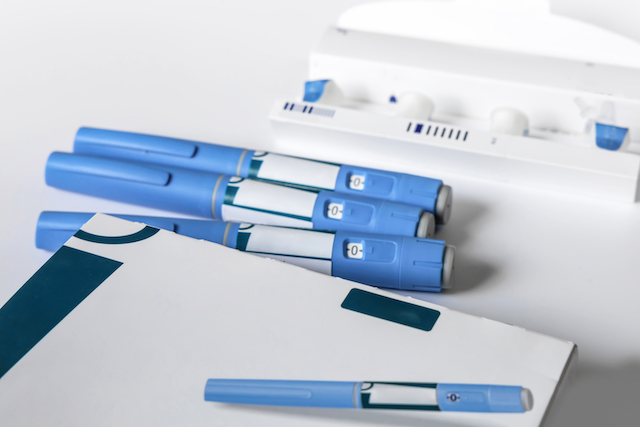
Innovative obesity drug pemvidutide maintains muscle mass in Altimmune trials
Altimmune, a biotechnology company, recently shared encouraging results from their Phase II MOMENTUM study concerning their investigational obesity treatment, pemvidutide. The study data, which was presented at the 84th Scientific Sessions of the American Diabetes Association, revealed that pemvidutide not only facilitates significant weight loss in adults diagnosed with obesity but also uniquely preserves lean muscle mass.
Participants in the study who were administered a 1.2-mg dose of pemvidutide experienced an average weight reduction of 10.3% over a period of 48 weeks. This average increased to 11.2% for those on the 1.8-mg dosage and reached 15.6% for subjects receiving the 2.4-mg dose. In stark contrast, the placebo group saw a minimal weight loss of just 2.2% under the same conditions.
A detailed assessment involving full-body MRI scans of fifty individuals treated with pemvidutide showcased the drug’s capability to significantly maintain lean body mass. The body composition analysis indicated that 78.1% of the weight loss was due to fat reduction, whereas the loss of lean muscle mass constituted only 21.9%.
Additionally, improvements were noted in serum lipid levels and blood pressure among the pemvidutide recipients, with no clinically significant increases in heart rate or any notable imbalances in arrhythmias and other cardiac events being observed.
Vipin Garg, CEO of Altimmune, expressed satisfaction with the results, stating, “We are pleased with the data from MOMENTUM, which highlight the impressive lean mass preservation achieved with pemvidutide.” He further commented on the significance of maintaining muscle mass, which he deemed essential for healthy weight loss and optimal physical function. Garg also remarked that the outcomes with pemvidutide surpass those typically observed with conventional diet and exercise regimes, as well as other incretin-based weight loss treatments which reportedly lose about 40% of weight as lean mass.
Garg believes that the notable muscle preservation seen in the MOMENTUM study could distinctly position pemvidutide in the obesity treatment landscape.
Pemvidutide functions as a peptide-based agonist targeting both GLP-1 and glucagon receptors, which play roles in suppressing appetite and boosting energy expenditure, respectively. The dual mechanism of pemvidutide not only promotes weight loss but also mimics the physiological effects of exercise and diet on the body.
Looking forward, Altimmune has planned an end-of-Phase II meeting with the FDA, set for the third quarter of 2024. Approval of pemvidutide could position it as a significant treatment option for adults struggling with obesity. Moreover, the company is investigating pemvidutide’s potential in treating metabolic dysfunction-associated steatohepatitis in the ongoing Phase II IMPACT study, with a topline readout expected in the first quarter of 2025.
Read More
India and China to introduce cheaper alternatives to popular obesity medications
As global demand for effective weight-loss medications surges, pharmaceutical companies in India and China are poised to disrupt the market by introducing cheaper versions of established obesity drugs, such as Wegovy. These firms are in the process of developing biosimilars, which are highly similar to original biologic drugs but are typically more affordable. This development is expected to make these crucial treatments accessible to a broader audience, especially in regions burdened with high rates of obesity.
Abhijit Zutshi, the Chief Commercial Officer at Biocon, headquartered in Bengaluru, India, highlighted the significant potential for Indian and Chinese companies to enhance global access to these medications. “There is huge potential for companies from India, China that can help create access to these drugs,” Zutshi explained, underlining the goal of providing affordable healthcare solutions to those in need.
The urgency is underscored by the alarming prevalence of obesity and overweight conditions globally, affecting approximately one billion individuals, many of whom reside in India and China. “Demand for anti-obesity drugs is very strong,” affirmed Lei Qian, Vice-President of Clinical Development at Innovent Biologics in Shanghai, illustrating the critical need for effective and accessible treatment options in these populous nations.
The drive to develop biosimilars is fueled by the success of a new class of weight-loss drugs that mimic the glucagon-like peptide 1 (GLP-1), a hormone that plays a crucial role in regulating blood sugar and appetite. The U.S. Food and Drug Administration (FDA) first approved GLP-1 drugs for weight loss in 2014, starting with Liraglutide (Saxenda). Subsequent developments led to more advanced formulations such as semaglutide (Wegovy) and tirzepatide (Zepbound), which offer significant weight loss benefits through weekly injections.
Despite their effectiveness, the cost of these treatments remains a barrier for many, with monthly expenses exceeding US$1,000. In response, companies like Biocon are innovating in drug synthesis and delivery to reduce these costs significantly. Zutshi remains optimistic about the potential for price reductions, suggesting that “it could be cut in half, or be one-tenth the current price.”
The patent landscape in China and India is rapidly evolving, with the patent for liraglutide already expired in China and semaglutide’s patent set to expire in 2026 in both countries. This change will allow more companies to produce and sell biosimilar versions, intensifying competition and potentially leading to further price reductions.
In addition to biosimilars, there are efforts underway to innovate beyond the existing drug formulas. For instance, Sun Pharmaceuticals in Mumbai is developing a new molecule, GL0034, which shows promise in early-stage trials to reduce body weight by up to 10% in just two months. Furthermore, a partnership between Innovent and Eli Lilly is focusing on Mazdutide, a dual-target drug that mimics both GLP-1 and glucagon, enhancing metabolism and fat burning. Lei anticipates that Mazdutide could receive approval from China’s drug regulator by the first half of 2025, marking a significant advancement in the treatment of obesity.
The introduction of these biosimilars and new drug formulations represents a transformative shift in the treatment of obesity, with the potential to make these life-changing medications accessible to millions more around the globe. As these developments unfold, the landscape of obesity treatment is set to change significantly, offering new hope and expanded options for those seeking to manage their weight effectively.
Read More
Bariatric surgery tops GLP-1 drugs and lifestyle changes in sustained weight loss efficacy
An extensive review of medical research from 2020 to 2024 has conclusively demonstrated that bariatric surgery, also referred to as metabolic or weight-loss surgery, yields the most substantial and longest-lasting weight loss results when compared to other interventions such as GLP-1 receptor agonists and lifestyle modifications. This significant finding was unveiled at the American Society for Metabolic and Bariatric Surgery (ASMBS) 2024 Annual Scientific Meeting.
According to the research, lifestyle modifications, encompassing diet and physical exercise, typically lead to an average weight reduction of 7.4%. However, the study notes that this weight is often regained within approximately 4.1 years. In contrast, more intensive interventions like GLP-1 receptor agonists and surgical procedures have shown greater efficacy. The studies analysed involved thousands of participants across various clinical and randomised trials.
The research highlighted the effectiveness of GLP-1 semaglutide, which, with five months of weekly injections, resulted in a 10.6% reduction in body weight. A more pronounced effect was observed with tirzepatide, where nine months of treatment led to a 21.1% weight loss. Nevertheless, approximately half of this weight was regained within a year after cessation of treatment with either drug. If treatment was sustained, patients receiving tirzepatide stabilised at a 22.5% weight loss after 17-18 months, while those on semaglutide reached a plateau at 14.9% during the same timeframe.
More profound outcomes were observed with metabolic and bariatric surgeries such as gastric bypass and sleeve gastrectomy. These procedures showed a total weight loss of 31.9% and 29.5% respectively, one year post-operation. Remarkably, a weight loss of around 25% was maintained for up to a decade following the surgery.
“Metabolic and bariatric surgery remains the most effective and durable treatment for severe obesity,” explained Marina Kurian MD, a co-author of the study and bariatric surgeon at NYU Langone Health. She further emphasised the underutilisation of such surgeries, advocating for their consideration earlier in the treatment process rather than as a last resort.
In 2022, approximately 280,000 metabolic and bariatric procedures were conducted in the U.S., representing just about 1% of the eligible population based on Body Mass Index (BMI) criteria. This is in the context of a prevailing obesity rate of 42.4% among Americans, as reported by the U.S. Centers for Disease Control and Prevention (CDC). Obesity is known to compromise the immune system, enhance chronic inflammation, and escalate the risk of numerous health issues including cardiovascular diseases, stroke, type 2 diabetes, and certain types of cancer.
Dr. Ann Rogers, ASMBS President-elect and Professor of Surgery at Penn State College of Medicine, who was not involved in the study, highlighted the importance of surgical interventions in combating obesity. “While new drug treatments show great promise and could lead to more successful outcomes, particularly with better affordability and insurance coverage, we are still not fully utilising the most effective tool we have—metabolic and bariatric surgery, which is safer and more effective than ever,” she stated.
The study comprised a systematic review of various research studies that explored weight loss through lifestyle changes, GLP-1s (Semaglutide or tirzepatide), or metabolic and bariatric surgery. The review of GLP-1s was based on four randomised clinical trials conducted between 2021 and 2024. Lifestyle interventions were examined across eight studies, while surgical approaches were evaluated through a review of 35 studies, including two randomised trials, covering approximately 20,000 patients in total.
Read More
Experts outline nutrition recommendations for patients treated with obesity medications
As individuals embark on treatment with anti-obesity medications, they frequently experience a diminished appetite which naturally leads to a reduction in food consumption. Given this reduced intake, ensuring a high quality of diet becomes crucial to meet the nutritional demands within the constraints of lower food consumption. To address these challenges, a team of medical experts has articulated a series of evidence-based nutritional guidelines designed to aid healthcare providers in managing patients on anti-obesity medications. These guidelines are detailed in a comprehensive review published in the journal “Obesity,” titled “Nutritional Considerations with Anti-Obesity Medications.”
Lisa M. Neff, the Executive Director of Global Medical Affairs for Obesity at Eli Lilly and Company, who is also the corresponding author of the review, emphasised the purpose of their findings: “Our evidence-based review aims to equip clinicians with knowledge and tools to help support optimal nutritional and medical outcomes for their patients treated with anti-obesity medications.”
The review advocates for the implementation of the “5A’s Model” (Ask, Assess, Advise, Agree, Assist) in clinical practice. This involves clinicians asking for permission to discuss weight management, conducting thorough assessments—including medical, psychosocial, dietary histories, and physical examinations—and identifying root causes of obesity along with any related complications.
After the assessment, healthcare providers should advise patients on treatment options and set realistic expectations. An agreement should be reached on health and lifestyle goals, with continuous assistance provided to overcome any barriers to effective weight management. Acknowledging the chronic nature of obesity, the review suggests regular follow-ups and referrals to dietitians as necessary.
The nutritional advice detailed in the review includes:
- Energy Intake: Tailor calorie intake based on individual factors such as age, sex, body weight, and activity level, with general recommendations of 1,200 to 1,500 kcal/day for women and 1,500 to 1,800 kcal/day for men during weight loss phases.
- Protein: Intake suggestions range from 60 to 75 g/day, with an upper limit of 1.5 g/kg body weight per day, emphasising sources like beans, nuts, seafood, and lean meats. Meal replacements can also be beneficial.
- Carbohydrates: Should constitute 45% to 65% of total energy, with a focus on whole grains, fruits, and vegetables, limiting added sugars to under 10%.
- Fats: Recommended to make up 20% to 35% of daily intake, with saturated fats kept below 10%, prioritising sources like avocados, fatty fish, and vegetable oils while avoiding high-fat and fried foods.
- Fibre: A daily intake of 21–25 g for women and 30–38 g for men is advised, using sources such as fruits, vegetables, and whole grains.
- Micronutrients: Emphasis on potassium, calcium, vitamin D, iron (for women of childbearing age), and vitamin B12 (in older adults), with a recommendation for increased fruit and vegetable consumption and possible supplementation.
- Fluids: A daily fluid intake of over 2 to 3 litres is encouraged, focusing on water and other low-calorie beverages, while limiting caffeine to avoid its diuretic effects.
Jessica Alvarez, Ph.D., RD, an associate professor of medicine at Emory University School of Medicine, not involved in the research, highlighted the broader implications of the study: “Simply focusing on weight loss is insufficient for optimal health,” she noted. “People with obesity are already at risk for some nutrient deficiencies. This is an important guide acknowledging the need for thorough nutritional assessment before and during treatment with anti-obesity medications.”
Alvarez also pointed out the necessity for detailed dietary guidance to prevent nutrient deficiencies and excessive muscle loss, calling for more rigorous clinical research to establish tailored dietary recommendations for this group.
The review’s methodology included a PubMed search using keywords related to diet, nutrition, and obesity, supplemented by expert consensus and observations from various related studies, including those on bariatric surgery and low-calorie diets. This narrative review underscores the importance of continued monitoring and adaptation of dietary guidelines to suit the evolving landscape of obesity treatment.
Read More
Oral semaglutide proven effective in managing type 2 diabetes and enhancing cardiovascular health
A meticulous study recently published in the Journal of Clinical Medicine has delved into the impact of oral semaglutide on patients with type 2 diabetes (T2D), highlighting its dual benefits on glycaemic control and cardiovascular wellness.
Semaglutide, distinguished as the inaugural oral anti-diabetic treatment specifically for T2D, functions as a glucagon-like peptide-1 receptor agonist (GLP-1RA). It has been proven to regulate glycaemic levels and reduce body weight (BW). Its safety and effectiveness have been corroborated through numerous clinical trials.
The extensive PIONEER programme assessed the efficacy of oral semaglutide across various stages of diabetes, involving treatment modalities that ranged from monotherapy to combination therapies with other oral glucose-lowering agents. Following the promising outcomes of this programme, the United States Food and Drug Administration (FDA) endorsed the drug in 2019, with subsequent approval by the European Medicines Agency (EMA) in 2020.
Guidelines in both America and Europe recommend oral semaglutide for T2D patients, especially those at high or very high risk of cardiovascular diseases (CVD), irrespective of their glycated haemoglobin (HbA1c) levels. This recommendation underscores the drug’s cardiovascular benefits.
However, the findings from the PIONEER study, though promising, call for further large-scale studies to conclusively determine the drug’s capability in reducing CVD risks. Additionally, the readiness of healthcare providers to incorporate this medication into everyday clinical practice warrants further evaluation.
The current retrospective study took place at two university-based diabetes centres in Italy, utilising data from an electronic chart system software designed for managing medical records in Italian diabetes outpatient clinics. This system recorded comprehensive patient data, including BW, HbA1c levels, waist circumference, serum creatinine, blood glucose levels, blood pressure, lipid profiles, aspartate aminotransferase (AST), estimated glomerular filtration rate (eGFR), among other laboratory results, as well as concurrent medications.
Patients received oral semaglutide during clinic visits, starting with a three mg dose, subsequently increased to seven mg, and in some cases, elevated to 14 mg to further enhance glycaemic control. These adjustments occurred over a monitoring period of up to six months.
The clinical improvements were notable in patients with recently diagnosed diabetes who showed significant enhancements in HbA1c levels and reductions in BW within six months of treatment initiation.
The study involved 192 Caucasian participants, predominantly around 67 years of age, with 44% being female and an average diabetes duration of nine years. Median fasting glucose and HbA1c levels stood at 146 mg/dL and 7.9%, respectively.
Prior to their oral semaglutide regimen, participants were treated with various medications, including sodium-glucose cotransporter-2 inhibitors (SGLT2i), basal or fast-acting insulin, other GLP-1RAs, pioglitazone, metformin, DPP4 inhibitors, or sulfonylureas. During the six-month treatment phase with oral semaglutide, most patients were administered a seven mg dose, with only 2% receiving the 14 mg dose.
The study revealed no significant differences in HbA1c reduction between genders, but all participants experienced comparable weight loss. Significant improvements were also recorded in lipid profiles, waist circumference, blood pressure, and microalbuminuria levels after six months of treatment, underscoring oral semaglutide’s comprehensive benefits in metabolic health and CVD risk reduction.
In summary, oral semaglutide not only maintained optimal glycaemic control and facilitated weight reduction but also enhanced cardiovascular risk factors, including lipid profiles and blood pressure levels. The clinical relevance of oral semaglutide was evident even at a minimal dosage of seven mg, particularly among newly diagnosed patients, and the drug was well-tolerated even at the higher 14 mg dosage.
Read More
Adults using semaglutide as first obesity medication achieve greater weight loss, study finds
A recent study has indicated that adults commencing semaglutide as their initial treatment for obesity experience more substantial weight reduction compared to those who had previously used other obesity medications. This research, published in the journal Diabetes, Obesity and Metabolism, was conducted by Andres J. Acosta, MD, PhD, and his team at the Mayo Clinic in Rochester, Minnesota. It marks the first investigation into how prior use of anti-obesity drugs influences weight loss outcomes with semaglutide.
The retrospective cohort study analysed data from 305 adults treated at a Mayo Clinic centre from 2021 to January 15, 2023. Participants, who had an average age of 49 and were predominantly female (73%), received once-weekly subcutaneous injections of semaglutide (Wegovy, Novo Nordisk). The research team monitored body weight changes from baseline at 3, 6, 9, and 12 months after initiating treatment. Additionally, blood pressure and laboratory values were assessed at baseline and after one year.
Of those studied, 76% had not previously used any obesity medication before starting semaglutide, while 24% had used another obesity drug. Among the latter group, 28% had been treated with the GLP-1 receptor agonist liraglutide (Saxenda, Novo Nordisk), and 72% had used a non-GLP-1 obesity medication.
The findings revealed that those who were new to obesity medications and started with semaglutide saw a 14.3% reduction in body weight by 12 months, compared to a 10.6% decrease in those who had used other obesity treatments prior (P = .01). Despite similar proportions of both groups achieving at least 5% and 10% body weight loss, those new to obesity medication were significantly more likely to lose at least 15% (48% vs. 21%; P = .02) and at least 20% (27% vs. 4%; P < .01) of their body weight.
The analysis also showed a distinct pattern in weight loss during the first six months, where those without prior obesity medication use consistently lost more weight than those who had previously used liraglutide or other non-GLP-1 obesity drugs. By nine and twelve months, while weight loss among previous liraglutide users remained lower, those who had used other non-GLP-1 medications achieved similar weight loss to the semaglutide-naive group.
An interesting finding was that adults not previously on obesity medications exhibited a significant reduction in HbA1c levels at 12 months compared to their counterparts who had used such medications before (P < .001), although no other significant differences in metabolic outcomes were noted.
The study highlights a potential issue where prior usage of specific obesity treatments like liraglutide might lessen responsiveness to new medications such as semaglutide. The researchers suggested that these findings underscore the necessity for precision medicine in obesity management, advocating for treatment plans tailored to individual genetic backgrounds, environmental factors, and prior medication history to optimise effectiveness, reduce unnecessary drug exposure, and consider financial impacts on patients.
This study opens the door for further prospective research to explore and confirm the differential impacts of switching obesity medications and to enhance the understanding of optimal treatment strategies in obesity management.
Read More
Eli Lilly’s Tirzepatide shows up to 66% reduction in sleep apnea severity in adults with obesity
In a recent development, Eli Lilly & Co. announced that its weight-loss medication, Tirzepatide, has shown promising results in alleviating symptoms of obstructive sleep apnea, a disorder primarily associated with obesity. This revelation emerged from two advanced clinical trials, wherein Tirzepatide significantly reduced the incidences of diminished or halted breathing during sleep by up to 63%, surpassing the anticipations of Jefferies analysts who had projected a reduction range of 50% to 55%.
During these year-long studies, participants experienced a substantial decrease in body weight, with losses nearing 20%, as reported by Lilly. The pharmaceutical giant intends to present the comprehensive findings from these studies at the upcoming American Diabetes Association conference in June. Subsequently, plans are underway to submit these results to the U.S. Food and Drug Administration and other international regulatory bodies starting mid-year.
The potential approval of Tirzepatide for treating sleep apnea could significantly broaden patient access to the drug through insurance coverage. Currently, weight loss medications like Tirzepatide do not receive coverage under Medicare, the U.S. federal health programme for the elderly and certain individuals on long-term disability. Such approval would not only facilitate greater competition with Novo Nordisk A/S—whose leading weight-loss drug, Wegovy, has recently gained insurance coverage for some Medicare beneficiaries with cardiac conditions—but also position Lilly at the forefront of addressing the underlying causes of sleep apnea.
Jeff Emmick, Lilly’s senior vice president of product development, emphasised the transformative potential of Tirzepatide, highlighting its capacity as the inaugural pharmaceutical intervention targeting the fundamental aspects of the disease. Given the correlation between weight loss and improvements in sleep apnea symptoms, widespread insurance coverage for Tirzepatide could potentially prevent up to 5.6 million cases of this sleep disorder by 2030, as estimated by analytics firm Airfinity.
Nevertheless, despite these advances, analysts from Airfinity caution that while GLP-1 drugs like Tirzepatide will significantly reduce sleep apnea incidences, they are unlikely to eradicate the disorder entirely.
The study enrolled 469 participants suffering from obesity and sleep apnea, with some receiving Tirzepatide alone and others receiving both the drug and using breathing devices. Results indicated a more pronounced average reduction in the apnea-hypopnea index (AHI)—a diagnostic measure quantifying the severity of sleep apnea based on the number of breathing disruptions per hour of sleep—for those utilising both the medication and breathing devices compared to those solely on medication.
The approval of Tirzepatide for sleep apnea treatment could also influence the market for respiratory support devices. Companies like ResMed Inc. and Inspire Medical Systems Inc., which manufacture such equipment, may see a reduction in demand, with Airfinity projecting a potential market contraction of over 11% in the coming years due to the increased use of weight loss drugs as a therapeutic alternative.
Read More
European regulators find no evidence of link between new obesity medication and suicidal thoughts
Following an extensive nine-month investigation, European medical regulators have concluded that there is no evidence to suggest that GLP-1 receptor agonists, such as Ozempic and Wegovy, contribute to suicidal ideation or behaviours. This conclusion by the European Medicines Agency (EMA) aligns with a similar assessment conducted by the U.S. Food and Drug Administration (FDA) earlier in January, which also found no causal connection between these widely used medications for weight loss and diabetes and the risk of suicidal thoughts.
The investigation by the EMA began in July, 2023, after anecdotal instances were reported where patients exhibited self-harm thoughts while being treated with GLP-1 receptor agonists, specifically liraglutide (marketed as Saxenda by Novo Nordisk) and semaglutide (known commercially as Ozempic and Wegovy, also by Novo Nordisk). The concern prompted the EMA’s Pharmacovigilance Risk Assessment Committee to demand further information from the manufacturers of these medications in November.
Throughout the investigation, the committee meticulously analysed various sources including medical records, clinical trial data, post-marketing surveillance reports, and other academic studies. Notably, a study published in Nature Medicine indicated that the risk of suicidal ideation was actually lower in patients using GLP-1 drugs compared to those treated with other medications for obesity and diabetes. Ultimately, the EMA committee concluded that the evidence does not support a causal link between the use of GLP-1 receptor agonists and increased suicidal risk.
Despite these findings, the EMA has mandated continuous monitoring by manufacturers of GLP-1 based medications for any future incidents of suicidal thoughts or actions. This ongoing vigilance reflects a cautious approach, particularly given the historical context where earlier obesity treatments, such as rimonabant, were withdrawn from the European market in 2008 due to their association with increased suicidal ideation risks.
GLP-1 based treatments, including Ozempic, Wegovy, Eli Lilly’s Mounjaro, and Zepbound, have seen a surge in popularity recently. However, this increase in usage has coincided with sporadic anecdotal reports linking the drugs to suicidal thoughts, thus prompting these detailed investigations.
The FDA, in its preliminary review statement in January, mentioned that while a definitive exclusion of any risk is challenging, it is committed to further investigation to clarify this potential link. It is important to note that while the FDA’s approvals for Wegovy and Zepbound for obesity management include advisories for physicians to monitor for signs of suicidal thoughts, similar advisories are not included on the labels of Ozempic and Mounjaro, which are approved for managing type 2 diabetes.
This comprehensive review by regulatory bodies underscores a significant step in ensuring the safety and efficacy of GLP-1 medications, reaffirming their use in clinical practice amidst growing concerns over possible psychiatric side effects.
Read More
Weight-loss pharmaceuticals could spur 1% increase in US GDP, Goldman Sachs suggests
In a recent analysis, Goldman Sachs posits that the extensive deployment of innovative weight-loss medications across the United States has the potential to catalyse a significant uplift in the country’s Gross Domestic Product (GDP) by as much as 1% in the forthcoming years. This optimistic forecast is grounded in the anticipation that a reduction in obesity-related health issues could substantially enhance productivity within the workforce.
The market for these weight-loss medications is anticipated to burgeon, potentially reaching a staggering $100 billion annually by the decade’s end. Leading this burgeoning sector are pharmaceutical giants such as Novo Nordisk, the manufacturer of Ozempic, and Eli Lilly, the producer of Mounjaro. Both companies are at the forefront of developing a category of drugs known as GLP-1 agonists, which have garnered significant interest from various pharmaceutical firms. The projections by Goldman Sachs suggest that consumer uptake of GLP-1 agonists could surge, varying from 10 million to an ambitious 70 million by the year 2028.
The economists at Goldman Sachs elaborate on the potential economic ramifications of this increase in GLP-1 usage, linking it directly to anticipated declines in obesity rates. Citing academic research, they highlight the dual challenge posed by obesity: affected individuals are less likely to be employed and exhibit lower productivity levels when they are in the workforce. According to their analysis, an increase to 30 million users of weight-loss drugs could potentially boost the US GDP by 0.4%, with the potential for a 1% increase if user numbers reach 60 million.
However, the report has not been without its critics, especially from advocates of the body-positivity movement, who may view the report’s implications with scepticism or concern.
Moreover, the report underscores a broader wave of healthcare innovation, particularly highlighting the role of artificial intelligence (AI) in drug discovery processes, combined with the impact of GLP-1 agonists. Together, these advancements could elevate the US GDP by an additional 1.3%, translating to an economic boost of approximately $360 billion per annum at current exchange rates. The potential increase could range from 0.6% to 3.2%, with the effects expected to be more pronounced in the US compared to other developed nations, which generally exhibit better health outcomes.
In parallel, research into weight-loss drugs is expanding to explore their efficacy in treating a range of conditions, from alcohol dependency to dementia. Medications such as Ozempic and Wegovy, which contain the drug semaglutide, and another medication, liraglutide, used under various brand names for both diabetes and weight loss, have seen a surge in popularity. This is partly due to their proven capability to assist individuals in shedding more than 10% of their body weight. The potential for these drugs to confer additional health benefits is being actively investigated in new clinical trials, signalling a promising horizon for medical research and public health.
Read More
The delicate balance of preserving muscle mass in the age of weight loss pharmaceuticals
As the global population turns increasingly towards medications like Ozempic for weight loss solutions, a growing concern has emerged regarding the side effect of muscle loss associated with these treatments. This phenomenon has sparked a multifaceted response from various sectors aiming to mitigate this undesired outcome, thereby enhancing the overall health benefits of weight management efforts.
Luxury fitness centres are now tailoring strength-training regimes specifically for individuals utilising these medications, with the promise of maximising health results. These programmes are designed not just to counteract muscle degradation but to optimise the physical wellness journey of their clients. Concurrently, nutritional experts and bespoke meal delivery services are stepping up to formulate high-protein diet plans that support muscle maintenance amidst weight loss.
Pharmaceutical giants, including Eli Lilly, are at the forefront of innovation, developing drugs that offer a dual approach to weight loss by facilitating fat reduction while safeguarding or even augmenting muscle mass. Eli Lilly’s collaboration with BioAge Labs on the experimental compound azelaprag exemplifies this cutting-edge research. Azelaprag seeks to mimic the effects of exercise-induced hormones that play a critical role in muscle metabolism, offering hope for a more balanced fat-to-muscle loss ratio in patients taking drugs like Mounjaro and Zepbound.
Further expanding its arsenal, Eli Lilly’s acquisition of Versanis Bio introduces a novel approach to muscle preservation through bimagrumab, a drug that targets receptors involved in muscle and fat regulation. This promising development is backed by research suggesting enhanced muscle growth upon receptor blockade.
Clinical trials are also exploring combinations of existing weight loss drugs with new treatments to address the muscle loss conundrum. One such study involves the pairing of bimagrumab with semaglutide, the active ingredient in Ozempic, to investigate its potential in mitigating frailty in adults with obesity. Additionally, the FDA’s recent approval of a trial for a compound aimed at older adults signifies a proactive approach to preventing muscle deterioration alongside fat loss in this vulnerable demographic.
Despite the promise of these emerging treatments, their availability to the general public is anticipated to be several years away. This delay underscores the importance of immediate, accessible strategies for muscle preservation. Experts highlight the critical nature of maintaining muscle integrity, especially for older adults and postmenopausal women, who face a higher risk of frailty and osteoporosis with muscle loss. The consensus among healthcare providers is that a combination of protein-rich diets and strength training exercises remains a fundamental remedy against muscle depletion.
Capitalising on this need, companies are introducing products and services tailored to individuals on weight loss medications. From protein shakes designed to complement these drugs to specialised fitness programmes and nutritional counselling aimed at enhancing protein intake and mitigating malnutrition risks, the market is rapidly adapting.
Innovative telehealth solutions like Noom’s Muscle Defense programme, which integrates fitness guidance with dietary tracking, and fitness platforms such as Obé Fitness’s MuscleGuard, exemplify the digital response to this challenge. Additionally, initiatives like LifeTime Fitness’s clinic pilot in Minnesota, which combines personalised training with access to compounded weight loss medications, signal a growing trend towards holistic health solutions that encompass both pharmaceutical and lifestyle interventions.
While specialised programmes offer valuable support for muscle preservation, the essence of combating muscle loss lies in fundamental lifestyle adjustments. Incorporating moderate strength training and a balanced, protein-rich diet into one’s routine can be a pragmatic and effective strategy for those navigating the complexities of weight loss medications.
Read More
FDA issues alert on counterfeit semaglutide products in the U.S.
The U.S. Food and Drug Administration (FDA) has recently issued a crucial warning to adults with diabetes in the United States about the presence of counterfeit semaglutide in the country’s drug supply chain. This alert comes following an ongoing FDA investigation into the distribution of fake versions of the 1 mg subcutaneous semaglutide, known commercially as Ozempic and manufactured by Novo Nordisk.
The FDA’s investigation has led to the seizure of thousands of units of these counterfeit products. Key identifiers of the fake medication include lot number NAR0074 and serial number 430834149057. These specific batches have been confirmed as counterfeit and are advised not to be used.
A further cause for concern highlighted by the FDA is the discovery of counterfeit needles accompanying the medication. The sterility of these needles cannot be assured, posing a heightened risk of infection for users. Additional counterfeit components identified by the FDA include the pen label, health care professional and patient information leaflets, and the packaging box.
The FDA is urging wholesalers, retail pharmacies, healthcare providers, and patients to diligently check their semaglutide products’ lot and serial numbers. While the FDA, in partnership with Novo Nordisk, is currently conducting tests on the seized counterfeit products, there is yet no comprehensive information about the content, quality, or safety of these fakes.
To date, the FDA has received reports of five adverse events associated with the use of these counterfeit semaglutide products. These incidents align with the typical side effects of authentic semaglutide, and thankfully, none of the reported cases have been serious. The FDA encourages reporting of any adverse events through its MedWatch Safety Information and Adverse Event Reporting Program, either via online submission or fax at (1-800) FDA-0178.
The FDA advises pharmacies to source genuine semaglutide only through Novo Nordisk’s approved distributors. Patients should obtain the drug strictly with a valid prescription from state-licensed pharmacies and are advised to inspect the product thoroughly for any signs of counterfeiting before use. Any suspicions or discoveries of counterfeit products should be promptly reported to the FDA. This can be done by calling the local FDA consumer complaint coordinator or by reporting directly via the FDA’s official website.
Read More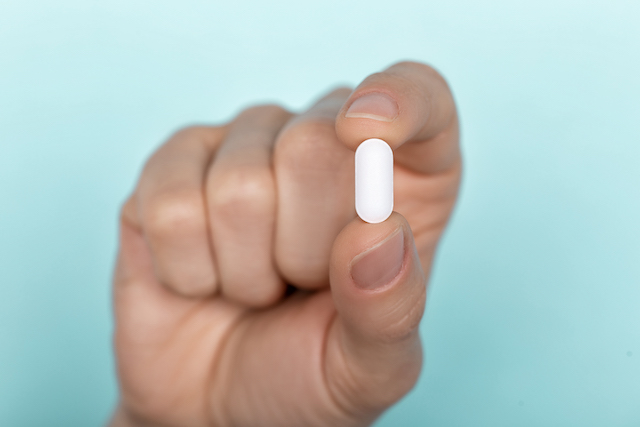
Innovative vibrating pill may combat obesity by inducing satiety
Researchers at the Massachusetts Institute of Technology, led by Giovanni Traverso, have developed an innovative approach to tackling obesity using a vibrating pill. This method promises a less invasive alternative to gastric bypass surgery and aims to be more cost-effective and less prone to side effects than current pharmacological treatments like Wegovy and Ozempic.
The pill, approximately the size of a standard multivitamin tablet, contains a vibrating motor powered by a small, ingestible silver oxide battery. Upon reaching the stomach, the pill’s outer layer is dissolved by gastric acid, triggering an electronic circuit that activates the vibration.
In a pivotal experiment involving pigs, it was observed that those administered the pill 20 minutes before mealtime consumed roughly 40% less food than their counterparts who did not receive the pill. Additionally, these pigs exhibited elevated levels of blood hormones typically associated with satiety.
Traverso and his team are optimistic about commencing human trials soon, given the prevalent issue of obesity, which affects over 40% of the population in the United States alone. The pill works by stimulating receptors that sense stomach expansion post a substantial meal, thereby sending fullness signals to the brain.
The current prototype of the pill is designed to vibrate for a duration of 30 minutes before the battery depletes, after which it is naturally excreted from the body. Traverso envisions future iterations of the pill that could remain semi-permanently in the stomach, with the ability to be wirelessly activated or deactivated as needed. This individualised response could lead to daily automatic activation to reduce overall appetite or even manual control via a smartphone app to address specific hunger cues.
This research builds upon previous findings by the same team, which discovered that electrical stimulation of the stomach lining can induce hunger. Such findings open the door to potential treatments for appetite loss in individuals with conditions like cancer. Traverso expresses excitement about the possibilities of manipulating different parts of the gastrointestinal tract to replicate the sensation of fullness, posing the question of whether it is possible to create an illusion of satiety through such stimulation.
Read More