

Swiss pharmaceutical giant Roche enters obesity drug race with $2.7 billion Carmot deal
Swiss pharmaceutical giant, Roche, has announced a significant strategic move in the obesity treatment market with its $2.7 billion acquisition of Carmot Therapeutics, a U.S.-based obesity drug developer. This places Roche among leading contenders like Novo Nordisk and Eli Lilly in the weight-loss drug sector. Carmot’s flagship product, CT-388, a once-a-week dual GLP-1/GIP receptor agonist injection similar to Lilly’s Mounjaro, has shown promise in Phase I trials and is poised for Phase II testing. Its market introduction is anticipated in the 2030s.
The move has generated optimism, reflected in a 2.4% rise in Roche shares, as the weight-loss drug market, potentially worth $100 billion, appears to have room for multiple players. Roche’s Teresa Graham, head of the pharmaceuticals division, expressed ambitions beyond merely competing on price, envisioning CT-388 as a leading obesity drug in its class.
This acquisition marks Roche’s re-entry into the GLP-1 field, following a previous exit in 2018 when subsidiary Chugai sold experimental drug rights to Lilly. The Carmot deal, expected to conclude in early 2024, includes additional payments of up to $400 million subject to achievement of certain milestones.
The deal is part of Roche’s broader strategy, under new CEO Thomas Schinecker, to diversify its therapeutic fields and rejuvenate its development pipeline, especially after setbacks in Alzheimer’s and cancer immunotherapy. Besides the Carmot acquisition, Roche recently committed $7.1 billion for rights to a new drug for inflammatory bowel disease.
Carmot, founded in 2008, has a portfolio of various gut-hormone drug candidates, in both pill and injectable forms, designed to treat obesity in patients with and without diabetes. This acquisition underlines Roche’s commitment to expanding its presence in the evolving field of obesity treatment.
Read More
Novo Nordisk’s $2.3 billion French investment to enhance obesity drug output
Novo Nordisk has declared a substantial $2.3 billion investment aimed at amplifying the output of its highly sought-after obesity and diabetes medications at its Chartres facility in France, in a move to satiate the escalating demand. This financial injection will notably enhance the manufacturing capabilities for existing products such as Ozempic and Wegovy, alongside other burgeoning obesity treatments, according to the Danish pharmaceutical giant.
Europe is currently grappling with a supply crisis of the diabetes medication Ozempic, which shares the active ingredient semaglutide with the widely acclaimed weight management drug Wegovy—yet to be broadly distributed across Europe.
In response to the off-label consumption of Ozempic, Novo Nordisk has imposed restrictions within the European Union. Concurrently, Germany is considering export prohibitions, while Belgium has already enacted a ban on prescribing the weekly injection for non-diabetes purposes.
Despite efforts by the UK government to restrict the use of Ozempic to non-weight loss purposes in July, a Reuters investigation discovered the drug is still being acquired by individuals without diabetes for weight management.
This announcement follows Novo Nordisk’s recent proclamation of a $6 billion expenditure in Denmark to augment production capabilities. Additionally, this venture represents a significant endorsement for French President Emmanuel Macron’s economic strategies amidst a looming global downturn, aiming to sustain the momentum in reducing French unemployment figures.
President Macron had advocated for this investment during his “Choose France” summit, which reportedly persuaded Novo Nordisk’s CEO Lars Fruergaard Jorgensen to commit to the expansion. The investment also echoes Eli Lilly’s recent decision to construct a $2.5 billion manufacturing plant in Germany, similarly motivated by heightened demand for diabetes and obesity treatments.
Analysts predict the obesity drug market could reach a staggering $100 billion by 2030. Novo Nordisk’s French investment will notably expand its capacity for intricate manufacturing processes, specifically the intricate filling of injection pens with semaglutide, and the subsequent assembly and packaging of these pens.
Though details were scant earlier this month regarding the augmentation of in-house production for Ozempic and Wegovy’s European variant, Novo Nordisk has confirmed that the Chartres expansion has commenced, with completion slated between 2026 and 2028, promising the creation of 500 new job opportunities, adding to the near 2,000-strong workforce currently employed at the factory.
Read More
Eli Lilly announces multibillion-euro German plant to scale up obesity drug production
Eli Lilly and Company, the American pharmaceutical giant, has announced plans to establish its first production facility in Germany, situated in the western town of Alzey, with an investment of 2.3 billion euros ($2.5 billion). This move, initially reported by Reuters, comes in response to the rapidly escalating demand for innovative diabetes and obesity treatments. The strategic investment will expand the production capabilities for key diabetes and obesity medications, including Mounjaro and Trulicity, as well as the injection devices required for their administration.
On Friday, Eli Lilly highlighted the significant role Germany’s skilled workforce will play in enhancing the company’s supply of incretin-based treatments, with the site expected to become operational in 2027. Incretins, a class of peptide-based medications like Mounjaro, are designed to mimic intestinal hormones that curb appetite and promote insulin release.
The expansion of Eli Lilly’s manufacturing footprint into Germany aligns with broader industry trends, where pharmaceutical companies are facing mounting political pressure to localise the production of critical healthcare products. The COVID-19 pandemic brought to light the fragility of global supply chains, prompting a reevaluation of manufacturing strategies to better serve market demands.
The German Health Minister, Karl Lauterbach, expressed his support for the investment at a press briefing in Berlin. He underscored the importance of this development for Germany’s stature as a pharmaceutical hub, emphasising the potential for more rapid access to novel treatments and reduced reliance on precarious supply chains.
The selection of Alzey as the site for this new production complex was influenced by several factors, including the availability of a skilled workforce, the existing infrastructure, and the prospect of creating a manufacturing nexus in conjunction with Eli Lilly’s existing site in Fegersheim, France. Edgardo Hernandez, the head of manufacturing at Eli Lilly, pointed out Germany’s rich heritage in engineering and science, as well as the proximity to numerous equipment manufacturers, as pivotal in the site selection process.
Mounjaro is on the cusp of gaining approval for weight loss treatment in the European Union, following the EU drugs regulator’s recommendation for its approval. However, Germany’s public health insurance currently does not cover weight-loss medications, meaning that patients seeking Mounjaro for non-diabetic weight loss will likely have to bear the costs independently. Minister Lauterbach indicated that there are no immediate plans to reassess these regulations.
Over the past three years, Eli Lilly has made public commitments exceeding $11 billion towards global manufacturing. In their third-quarter financial disclosure, the company earmarked over $8 billion for expansion projects in Indiana, North Carolina, and Limerick, Ireland, over the coming years. Despite this, Eli Lilly anticipates continued supply constraints while it ramps up manufacturing capacity. Concurrently, the firm has appealed to medical professionals outside the United States to halt new patient prescriptions of Trulicity due to heightened demand.
This investment announcement occurs amidst vigorous debate over the European Union’s proposal to reduce the standard period for market exclusivity, prompting Eli Lilly to invest strategically in the region and partake in shaping industry dialogue.
Eli Lilly, with a longstanding presence in Germany since 1960 and a current workforce of 1,000 employees in various domains, anticipates the new Alzey facility will create up to 1,000 high-calibre jobs for engineers, technicians, and scientists, further reinforcing the company’s commitment to innovation and healthcare advancement.
Read More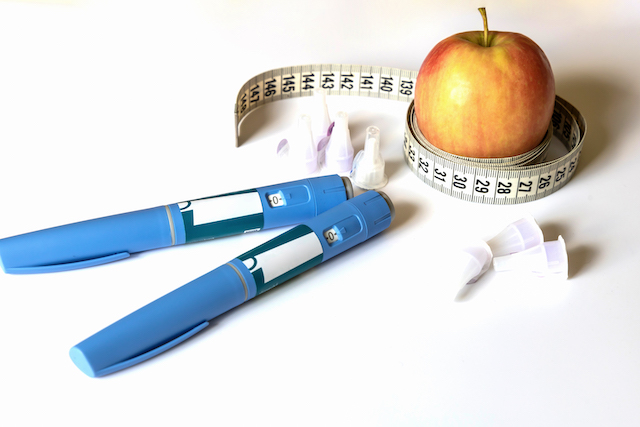
The limited impact of Ozempic on the U.S. obesity epidemic
The term ‘obesity’ elicits a range of interpretations. Some view it as merely another way to describe excess weight, while others perceive it as a derogatory label for larger body sizes. Still, some consider it a reflection of personal failings, such as a lack of discipline or willpower. However, for over a decade, the medical field has acknowledged obesity as a chronic health condition, akin to diseases like cancer, diabetes, and hypertension. This disease significantly elevates the risk of severe COVID-19 outcomes, is connected to numerous health complications, and is responsible for approximately 4 million preventable deaths annually. Moreover, obesity manifests in various forms, with diverse origins, clinical signs, and treatment responses.
The surge in popularity of GLP-1 medications such as Ozempic, Wegovy, and Mounjaro has somewhat simplified this complex issue. These drugs are often hailed as the ultimate solution to obesity, a perspective that overlooks the multifaceted nature of the condition. Unfortunately, Ozempic alone cannot address America’s obesity crisis. Obesity extends beyond mere physical inactivity or excessive eating. It’s influenced by a range of factors including genetic predispositions, mental health, socio-economic conditions, and environmental factors.
In clinical settings, the variation in obesity cases is significant. For instance, a mutation in the MC4R gene is associated with an 18% increased likelihood of obesity, while certain antipsychotic medications can lead to substantial weight gain. Although GLP-1 medications can be beneficial, they primarily address hormonal imbalances and do not tackle other contributing factors. This reductionist approach is also evident in the use of Body Mass Index (BMI) to diagnose obesity. BMI, initially designed for white European males, often inaccurately represents obesity levels in different ethnic groups, leading the American Medical Association to advise against its sole use. Currently, a global commission of experts is redefining obesity, moving away from height and weight measurements to focus on specific symptoms and signs.
The response to treatment among patients with obesity also varies greatly. For example, the GLP-1 drug Wegovy showed an average body weight reduction of 16% in a study, yet individual results ranged widely. This underscores the need for personalised treatment plans rather than a singular drug-based approach. However, the U.S. healthcare system faces significant challenges in this regard. With only a small number of physicians specialised in obesity treatment and federal restrictions on covering obesity medications, only a fraction of those who could benefit from such treatments receive them. Instead, many are advised to simply eat less and exercise more, a strategy that overlooks the complexity of obesity.
Effective obesity treatment involves a multidisciplinary approach, combining diet, exercise, behavioural therapy, medication, and sometimes surgery. Unfortunately, the scarcity of specialised physicians and the prevalence of misleading diet products and scams exacerbate the issue. The U.S. weight loss market, valued at $160 billion in 2023, is a testament to this. Moreover, misconceptions about GLP-1 medications, such as the idea that they are a cure-all for obesity, lead to unrealistic expectations and criticisms. Like insulin or hypertension treatments, discontinuing GLP-1 drugs can result in a reversal of their effects, a fact that should be recognised rather than criticised.
Addressing obesity, which costs the U.S. around $1.7 trillion annually, requires acknowledging the progress made with GLP-1 drugs while also understanding their limitations. A holistic, patient-centred, and empathetic approach to obesity treatment is essential. This approach should not only address the unique needs and circumstances of each individual but also aim to improve overall health and well-being. While medications like Ozempic, Wegovy, and Mounjaro offer significant potential, they are not the all-encompassing solution often portrayed in the media. A broader, more nuanced understanding and response to obesity is crucial for effective management and treatment.
Read More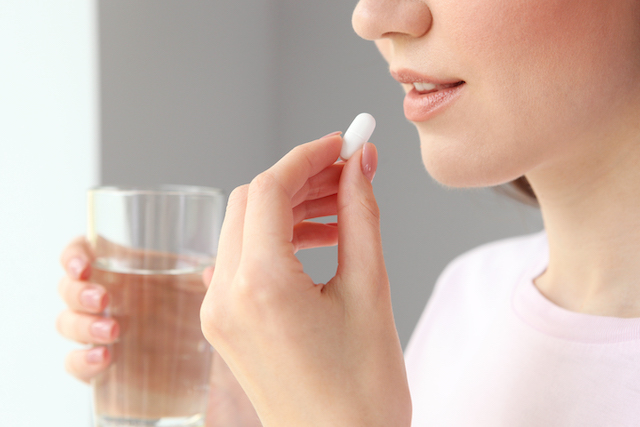
AstraZeneca makes big push into obesity treatment with new pill partnership
AstraZeneca, the United Kingdom’s pharmaceutical giant, has entered a strategic partnership with Eccogene, a Shanghai-based biotech firm, to co-develop a groundbreaking pill designed to combat obesity and type 2 diabetes.
This alliance marks AstraZeneca’s significant foray into the burgeoning sector of weight management medications, underpinned by an exclusive licensing contract focusing on an investigational drug, ECC5004. The said compound is touted to address not only obesity but also a spectrum of cardiometabolic disorders, including heart disease and stroke, ailments afflicting over a billion people worldwide.
Eccogene is poised to receive payments that could sum up to a substantial $2 billion, which is approximately £1.6 billion, as per the agreed terms.
ECC5004 is currently undergoing phase 1 trials, with AstraZeneca setting its sights on advancing to phase 2 clinical evaluations by the subsequent year’s end. Additionally, the pharma titan is nurturing two other nascent-stage injectable obesity therapies.
The innovative ECC5004, if it passes clinical muster, is envisioned to be administered orally once daily, a standalone treatment or potentially in conjunction with other drugs targeting various cardiometabolic diseases. This positions it distinctively against the prevailing injectables that are typically administered weekly.
Operating as a GLP-1 agonist, ECC5004 is designed to replicate the function of the GLP-1 hormone, which is naturally secreted post-food intake.
Pascal Soriot, AstraZeneca’s CEO, highlighted the critical demand for effective obesity interventions across Western nations, Latin America, and South Asia, where abdominal obesity is rampant, precipitating heightened risks of hypertension and diabetes.
Soriot indicated that while the journey to market might span several years, ECC5004 could potentially be more economically accessible than existing options. Due to its simplified chemical structure that permits cheaper production costs, the drug could cater to a wider demographic, including those in lower-income nations where AstraZeneca maintains a robust footprint.
As the competition intensifies in the international market for obesity drugs, demand has surged for Novo Nordisk’s Wegovy and Ozempic, prompting supply challenges. With Wegovy’s pricing set at £73.25 per pack monthly on the NHS and reaching £199 at retail pharmacies, its sales and profits have climbed sharply, elevating Novo Nordisk to be Europe’s highest-valued company by market capitalisation.
Notably, Eli Lilly’s Mounjaro has demonstrated superior weight loss outcomes compared to Wegovy and recently secured approvals for weight management in the UK and US. Market analysts from UBS have predicted that Mounjaro could emerge as one of the most successful pharmaceuticals ever, with projected peak sales around £20 billion.
Pharmaceutical titans Novo Nordisk, Eli Lilly, and Pfizer are all in the race to create oral anti-obesity medications, which promise cost-effectiveness and ease of administration over injections.
Bolstered by its oncology drugs and the diabetes treatment Forxiga, AstraZeneca has reported a 5% revenue increase, totaling $33.8 billion in the year’s first three quarters. The firm also lifted its revenue and profit forecasts for the full year, announcing approvals for additional cancer treatments.
AstraZeneca’s COVID-19 vaccine, crafted in collaboration with Oxford University, was pivotal during the pandemic, credited with saving over 6 million lives globally within its inaugural year as per independent assessments.
However, AstraZeneca currently faces two high court cases in London related to the vaccine’s side effects. The company is expected to contest these allegations.
The World Health Organization last year affirmed the vaccine’s safety and efficacy for individuals 18 years and older, labelling TTS occurrences as exceptionally rare and characteristically presenting severe blood clots.
Read More
Pfizer aims to enter the obesity treatment arena with danuglipron, a novel GLP-1 targeting pill
In the competitive landscape of obesity pharmacotherapy, Pfizer is on the cusp of revealing pivotal trial data for its investigational drug danuglipron. This oral medication, administered twice daily, is poised to challenge the market dominance of prominent weight-loss therapies Wegovy and Mounjaro.
Danuglipron operates by influencing the glucagon-like peptide-1 (GLP-1) receptor, which has recently revolutionised the pharmaceutical industry, resulting in substantial economic shifts within the stock market. Through its strategic targeting of this receptor, the drug aims to become a cornerstone in the management of obesity.
Pfizer’s commitment to this endeavour is evident through the initiation of a rigorous Phase 2 trial, designed to thoroughly evaluate danuglipron’s ability to achieve significant weight reduction in individuals with obesity. The financial community, particularly Leerink Partners’ analyst David Risinger, anticipates a full disclosure of the study outcomes potentially by October 31.
For Pfizer, the urgency to diversify its product portfolio has never been greater. The pharmaceutical giant has faced a downturn in its COVID-19 vaccine and therapeutic product demand, compelling a downward revision of its revenue projections. This decline has led to a notable 40% dip in Pfizer’s stock value since the beginning of the year.
The strategic importance of danuglipron has been amplified following Pfizer’s decision in June to discontinue another candidate within its GLP-1 based weight-loss pipeline. The discontinuation was a setback, sharpening the focus on danuglipron as a critical asset in the company’s quest to secure a competitive position in the burgeoning GLP-1 market segment.
As Pfizer prepares to release its findings, the pharmaceutical, obesity care, and weight management industries are watching closely. Danuglipron not only carries the potential to alter the obesity treatment paradigm but also represents a vital opportunity for Pfizer to demonstrate resilience and innovation in the face of shifting healthcare needs. The success of this drug is particularly crucial as Pfizer measures itself against Eli Lilly’s promising GLP-1 oral therapy, which is also vying for a share of this lucrative market.
Read More
Weight-loss medication Wegovy to be prescribed by NHS amid limited availability
In the UK, the NHS (National Health Service) in England is gearing up to administer the weight-loss drug Wegovy, also known by its scientific name semaglutide, under a “controlled and limited launch.” This initiative, starting from September 4, 2023, will operate via specialist NHS weight management services, where the drug will be prescribed in conjunction with a regimen involving a reduced-calorie diet and physical exercise. The patients targeted in this program must have a Body Mass Index (BMI) exceeding 30 and at least one weight-related health issue to qualify.
The drug, produced by Danish pharmaceutical company Novo Nordisk, received approval for NHS usage earlier in 2023, a sanction granted by the National Institute for Care and Excellence (NICE), which has recommended its usage be capped at a two-year period.
Addressing the prospects of this new treatment, UK Prime Minister Rishi Sunak heralded the introduction of Wegovy as a potential “game-changer” in the battle against obesity, a condition known to predispose individuals to serious health complications such as hypertension, diabetes, and various forms of cancer. The prime minister expressed optimism that this strategy would alleviate the strain on NHS resources, contribute to the reduction of waiting lists, and foster improved health and longevity among the populace.
Echoing these sentiments, Novo Nordisk anticipates that the drug will enhance the range of options available for individuals grappling with obesity, thus facilitating their journey towards achieving healthier body weights.
Earlier in June, the government had set aside £40 million for a pilot project intended to widen the accessibility of weight-loss injections as part of a robust strategy to curb obesity.
However, the initiative encountered a significant hurdle as Novo Nordisk reported an impending shortage in the supply of semaglutide, a situation anticipated to persist for an unspecified period. Despite this, the company reassured that a “proportion of available supply” would be designated for NHS services, with a firm commitment to prioritising patients demonstrating the “highest unmet medical need.”
An official communication from the NHS noted that in line with the guidance from NICE, measures are underway to inaugurate weight management undertakings, while also making efforts to restore the drug supply, particularly for individuals diagnosed with type 2 diabetes.
According to NHS projections, approximately 50,000 qualified patients in England stand to benefit from Wegovy, provided through NHS specialist weight management facilities capable of offering the necessary multi-disciplinary care.
Backing the efficacy of Wegovy, Novo Nordisk presented findings from a comprehensive five-year research project titled the Select trial. The study, which incorporated 17,604 adults aged 45 and above from 41 different countries, revealed that the drug could diminish the likelihood of heart attacks or strokes in individuals with obesity harbouring cardiovascular diseases by a considerable twenty percent. Participants in this trial were characterised by a BMI exceeding 27, established cardiovascular ailments, and devoid of any diabetes history.
Read More
Novo Nordisk’s weight-loss drug Wegovy demonstrates heart benefits in latest trial
Novo Nordisk’s groundbreaking obesity drug, Wegovy, has been shown to offer significant cardiovascular advantages, according to the results of a major late-stage trial announced on Tuesday (8th of August, 2023). This revelation not only highlights the efficacy of the medication but also helps in reshaping its perception beyond merely being a lifestyle drug.
The clinical study, named SELECT, revealed that individuals treated with Wegovy experienced a 20% reduction in the occurrence of heart attack, stroke, or death from heart-related diseases, in comparison to those who were administered a placebo. These findings far exceed the 15-17% reduction that had been anticipated by investors and analysts, although it’s worth noting that the results have not yet been subject to peer review.
Involving a substantial cohort of 17,500 participants, the SELECT trial specifically targeted individuals with overweight or obesity aged 45 or older, with a history of heart disease, but without prior diagnosis of diabetes. The trial, which spanned nearly five years, aimed to determine whether Wegovy’s weekly injection could confer tangible medical advantages.
The announcement of these positive results led to a surge in Novo Nordisk’s shares, propelling them by more than 13% to record highs. Over the past two years, the company’s shares have skyrocketed by almost 150%.
These encouraging outcomes could potentially influence insurers in the U.S. and health authorities in Europe to extend coverage of Wegovy to a broader segment of patients. Currently, some healthcare plans, including the U.S. Medicare health plan, categorise weight-loss treatments as lifestyle drugs. Experts opine that the new data might lead to a reassessment of this stance, particularly in the U.S., where the cost of Wegovy stands at $1,300 per month.
The findings from the trial have also prompted discussions regarding the long-term health benefits of the drug, particularly in terms of potentially lowering the overall healthcare burden and the expenses associated with treating heart disease in populations with overweight or obesity. Some experts, like Dr. Jeff Levin-Scherz, a consultant at Willis Towers Watson, remain cautious, suggesting that medical cost savings might be years away. He postulates that the drugs may prove to be cost-effective in improving patients’ lives but may not necessarily reduce their overall healthcare costs.
Large American corporations, which previously covered weight-loss treatments for their employees, have reduced their support due to escalating costs. However, the landmark data from the SELECT trial illustrates Wegovy’s potential to redefine how obesity is perceived and treated, according to Martin Holst Lange, Novo Nordisk’s executive vice president for development.
Novo Nordisk has expressed plans to submit applications for regulatory approvals of a label indication expansion for Wegovy in the U.S. and the European Union within the year.
Wegovy has already had a transformative impact on the weight-loss market since its U.S. introduction in June 2021. It has not only garnered attention from patients, investors, and celebrities around the globe but also significantly contributed to Novo’s shares’ growth. The injection helps patients feel fuller for more extended periods, resulting in an average weight loss of around 15% when coupled with dietary and exercise changes. The drug is part of the GLP-1 agonists class, initially developed to treat type 2 diabetes.
With obesity affecting over 650 million adults globally, a figure that has tripled since 1975, and approximately another 1.3 billion classified as having overweight, the World Health Organization links these conditions to heightened risks of heart disease and diabetes.
Industry analysts, like Sydbank’s Soren Lontoft Hansen, are optimistic that these better-than-expected results will cause a stir among physicians who prescribe anti-obesity drugs. Furthermore, Barclays analysts project that a positive outcome from the study could boost Wegovy’s uptake by 25% by 2030, provided it receives approval for expanded use.
Novo Nordisk is currently facing challenges to meet the soaring U.S. demand for Wegovy. In May, the company announced it was cutting the supply of starter doses to the U.S. market by half to secure supplies for existing patients. Although larger doses were reported to be in short supply by Reuters, Novo has denied such claims.
The detailed data from the trial is scheduled to be presented at a scientific conference later in 2023, and additional details may be revealed when Novo releases its second-quarter results on Thursday.
Read More
Boehringer Ingelheim joins the obesity drug race, unveiling promising results
Boehringer Ingelheim has joined the race for the next generation of obesity drugs, as a recent trial revealed that its treatment helped participants on the highest dose shed an impressive 19% of their body weight.
With its sights set on launching a late-stage trial, Boehringer Ingelheim aims to compete against Eli Lilly’s Mounjaro and Novo Nordisk’s Wegovy in the obesity drug market. Other players, including Pfizer and Regeneron, are also vying to enter the fray.
While direct comparisons are challenging, previous results demonstrated that participants on Mounjaro achieved an average weight loss of 22.5%, while Wegovy study patients experienced around 15% weight reduction.
Boehringer Ingelheim believes that extended use of its drug, as indicated by the continuous weight loss observed in its 48-week trial, could yield even greater results in terms of weight loss during the phase 3 trial, which is currently being discussed with regulatory authorities.
Paola Casarosa, Head of Therapeutic Areas at Boehringer Ingelheim, expressed confidence in observing “an even stronger effect” in the larger and longer phase 3 trial, highlighting the absence of any plateauing of effects as an encouraging finding.
The introduction of the first two obesity drugs has dramatically transformed the fortunes of the pharmaceutical companies involved. Novo Nordisk’s shares have skyrocketed by 247% in the past five years, while Eli Lilly has become the world’s largest pharmaceutical company by market capitalization on the back of hopes for its obesity and Alzheimer’s drugs.
Meeting the surge in demand driven by celebrity endorsements and the use of similar drugs for weight loss in diabetics has posed challenges for these companies. According to the World Health Organization, global obesity rates have tripled since 1975, and a Harvard study predicts that nearly half of Americans will have obesity by 2030.
Boehringer Ingelheim’s survodutide, developed in collaboration with Danish biotech Zealand Pharma, functions by mimicking a hormone called GLP-1 to reduce appetite, similar to existing drugs. However, survodutide also mimics glucagon, a hormone known to accelerate the rate at which the body burns energy.
Casarosa emphasised the importance of finding the right balance, stating that meaningful and impactful weight loss relies on the interplay between food intake and metabolism adjustment.
Moreover, the drug shows potential in addressing fat accumulation in the liver, a condition affecting 70% of patients with obesity and associated with diabetes and cardiovascular problems.
However, approximately a quarter of trial participants dropped out due to side effects, primarily gastrointestinal in nature, akin to the nausea experienced by users of approved obesity drugs. Boehringer Ingelheim believes that such issues can be mitigated by gradually increasing the dosage in future applications.
Read More
Wales takes strong action against junk food meal deals to combat obesity crisis
In a determined effort to address the growing obesity problem, Wales is set to implement strict measures aimed at curbing the promotion and accessibility of unhealthy meal deals and temporary price reductions on foods high in fat, sugar, or salt. With almost two-thirds of adults in Wales classified as having either overweight or obesity, the Labour-led government intends to go beyond the initiatives taken in England by enacting legislation to tackle the promotion of ultra-processed foods.
The Welsh government plans to mirror the UK government’s approach in England to restrict volume promotions, such as buy one get one free deals. Additionally, Wales will introduce proposals targeting meal deals and temporary price reductions, acknowledging the urgency of the crisis and the need for more comprehensive actions.
Lynne Neagle, the Welsh Deputy Minister for Mental Health and Wellbeing, emphasised the pressing nature of the situation, stating, “Rising levels of obesity are causing a significant burden of preventable illness in Wales. We must act immediately.” Neagle clarified that the government does not intend to ban meal deals altogether but aims to shift the focus towards healthier, more nutritionally balanced options. Many meal deals currently include large bags of crisps and snacks that are high in fat and sugar. The objective is to ensure that affordable meal deals are available, which are lower in calories, fat, and sugar.
Research conducted by Public Health Wales revealed that three-quarters of lunchtime meal deals exceed recommended calorie and salt levels for a meal. The unhealthiest lunch options provide two-thirds of the daily calorie intake, over 122% of the daily fat intake, 149% of the recommended sugar intake, and 112% of the daily salt intake. The majority of dinnertime meal combinations exceed average energy requirements.
The researchers concluded that if an individual purchased an average meal deal for lunch five days a week, they could gain more than 6 pounds (2.8 kg) in a year. If they opted for a high-calorie meal deal five days a week, the weight gain could reach 47 pounds (21 kg) within a year.
Neagle clarified that temporary price reductions would not be banned either, stating, “Our aim is to rebalance our food environments so that the healthy choice becomes the easy choice.”
The UK government recently delayed the planned ban on buy one get one free deals for junk food by two years, citing concerns over the cost of living crisis. However, the Welsh government is committed to implementing its restrictions by 2025 and intends to proceed even if the UK government does not follow suit.
Neagle expressed hope for alignment across the UK, stating, “It would be great if England moved forward with these plans. We believe that consistency throughout the UK is beneficial, but we have a responsibility to address the crisis we are currently facing in Wales.”
Neagle dismissed the notion that these measures amount to a “nanny state” intervention, highlighting that tackling obesity extends beyond individual responsibility and encompasses the unhealthy food environment people are exposed to on a daily basis.
The regulations will apply to major food retailers, and the government will also explore measures to curb the purchase of unhealthy food online and offers associated with loyalty cards.
According to the Welsh government, 62% of individuals aged 16 and over in Wales either have overweight or obesity.
James Evans, the Welsh Conservatives’ Shadow Minister for Mental Health and Wellbeing, stressed the need for clear assurances from the Welsh Labour government that meal deals will not be banned and that any new regulations will not increase the average weekly cost for shoppers.
Read More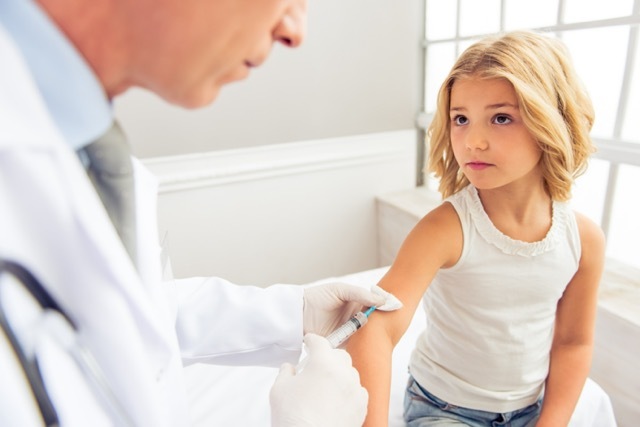
Weight loss injections could be prescribed to children with obesity
UK government officials are contemplating offering weight-loss injections to children with obesity as young as 12 in an effort to combat the escalating childhood obesity problem in the country.
Specialists are currently evaluating if semaglutide injections, a weight-loss medication recently sanctioned for adult use by the NHS, could be beneficial for children with obesity aged between 12 and 17. Health authorities are now encouraging the National Institute for Health and Care Excellence (NICE) to consider providing these injections to teenagers struggling with obesity.
The final decision, expected to be announced in early 2024, is being supported by experts who argue that the medication could prevent more children from needing invasive weight-loss procedures. However, this suggestion has sparked controversy, with some arguing it could lead to an over-medicalisation of children.
Those opposed to the idea of weight loss injections for children raise several concerns. They fear the potential interference of these drugs with the physical and mental growth and development of children. They also highlight the lack of evidence regarding the long-term effects of such treatments on children’s health.
Critics further argue that such injections might encourage an unhealthy emphasis on weight and physical appearance, potentially leading to body image issues and disordered eating. The potential for serious side effects from weight loss injections is another concern. Additionally, they worry about the psychological message these injections could send, implying that a child’s body is unacceptable as it is.
Professor Keith Godfrey, from the National Institute for Health and Care Research’s Southampton Biomedical Research Centre, warns that providing weight-loss injections to children might lead to the unnecessary medicalisation of an entire generation.
Charlotte Summers from Gro Health, a company offering health and wellbeing programs for adults, children, and young people, advocates for a more holistic approach: “By promoting healthy eating habits, regular physical activity, and a positive relationship with food, we can enable our children to attain and maintain a healthy weight throughout their lives. This comprehensive strategy not only contributes to physical wellbeing, but also lays a solid foundation for emotional and mental health. We must collaborate to support our children in adopting a balanced and wholesome lifestyle for a healthier, brighter future.”
Read More
Europe set to miss global heart health targets as obesity skyrockets
According to a paper published in European Heart Journal, the flagship journal of the European Society of Cardiology, the prevalence of obesity in Europe has more than doubled over the past 35 years, with over one in five adults affected.
The third report from the ESC Atlas Project updates and expands upon the previous edition with cardiovascular disease (CVD) statistics to 2019, or the latest available year, for the 57 ESC member countries.
CVD is the most common cause of death in the region, accounting for 45% and 39% of fatalities in women and men, respectively. Unfortunately, the report paints a picture of ageing populations and low birth rates. Between 1970 and 2019 the proportion of individuals aged over 65 years increased from a median 9.2% to 17.2%, and the median age increased from 29.6 to 41.1 years. Alongside this, between 1970 and 2018 fertility rates fell from 2.6 to 1.6, below the average of 2.1 live births per woman needed for population replacement.
Each year, an estimated 48,000 new cases of coronary heart disease occur across Europe due to environmental noise pollution.
Professor Adam Timmis, chair of the report writing team, said, “Sociodemographic and environmental risk factors receive relatively little attention from cardiologists but make a substantial contribution to the risk of CVD. Europe now has top-heavy populations and this will exacerbate the growing burden of CVD. The situation is compounded by increasing urbanisation which threatens heart health due to dirty air, noise, social deprivation and stress. It is estimated that up to 40% of people living in the EU are exposed to noise levels beyond the region’s residential limits.”
According to the World Health Organisation (WHO), noncommunicable diseases kill 41 million people each year, equivalent to 71% of all deaths globally. CVD accounts for most of these deaths (17.9 million annually), followed by cancer (9.3 million). The WHO has set targets for noncommunicable diseases to be met by 2025 but the evidence in today’s report suggests that, across ESC member countries, most goals relating to heart health are unlikely to be achieved. For example, the WHO has called for a halt (with reference to 2010) to the rise in obesity. But between 2010 and 2016, the prevalence of obesity rose from 20.4% to 22.7% in women and from 19.2% to 22.2% in men.
Healthcare professionals will need to be properly trained to deal with the ever-increasing strain of this problem.
Read More