
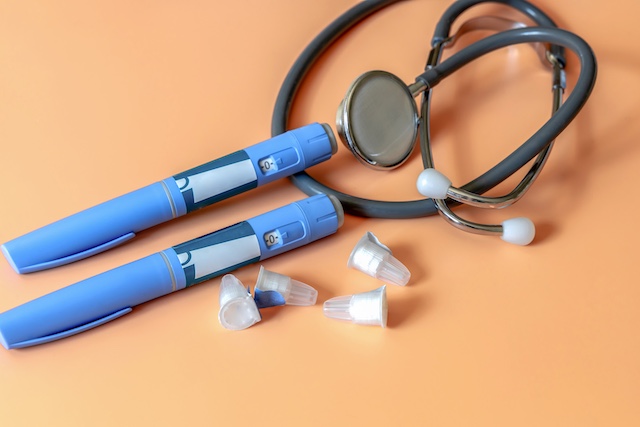
NHS plans free weight-loss injections at community pharmacies
Key Takeaways:
- The NHS is preparing a trial to offer the weight-loss medication Mounjaro at community pharmacies, aiming to improve access and reduce waiting times.
- Pharmacies like Boots and Superdrug, which already sell these medications privately, may soon provide them free of charge under NHS schemes, particularly in deprived areas with high obesity rates.
- Experts stress the need for comprehensive support, including psychological and nutritional counselling, alongside the rollout of these powerful medications to ensure safe and effective use.
Weight-loss medications such as Mounjaro and Wegovy may soon be available free of charge at high street pharmacies as part of the NHS’s expanding efforts to address obesity in the United Kingdom.
At present, these medications are accessible only through specialist NHS weight-management clinics, which are hospital-run and face waiting lists extending up to two years. Consequently, although approximately 15 million people in Britain are classified as living with obesity and meet the eligibility criteria, only around 50,000 have been able to access these treatments through the NHS.
Currently, numerous pharmacy chains — including Boots and Superdrug — offer these medications privately at a cost of roughly £150 per month, but they are not available to NHS patients via this route.
In a move designed to speed up access, the government is preparing to launch a trial in which Mounjaro, the brand name for tirzepatide (manufactured by the US pharmaceutical company Eli Lilly), will be made available through NHS community pharmacies. The programme is expected to focus on deprived areas, where high unemployment and elevated rates of obesity intersect, with the broader goal of boosting economic growth by improving public health.
Due to the high workload already faced by general practitioners (GPs), community pharmacies are increasingly involved in prescribing medications — such as antibiotics — following brief consultations. A similar model is likely to be applied for dispensing weight-loss injections.
Clinical trials have shown that Mounjaro can help people lose, on average, 20 per cent of their body weight. In December of last year, the National Institute for Health and Care Excellence (Nice), the UK’s health watchdog, approved the medication for NHS use, explicitly stating that it could be administered not only in hospital clinics but also within GP surgeries or pharmacies.
The NHS is expected to release details in the coming weeks about how Mounjaro will be incorporated into community care pathways.
Dr Kath McCullough, NHS England’s national speciality adviser for obesity, described the move as an “exciting opportunity” and emphasised that the initiative is likely to concentrate on regions with the “greatest clinical need”. Speaking after the publication of the Nice guidelines, Dr McCullough stated:
“Community pharmacies already provide a range of care — some pharmacists who will go through, for example, your blood pressure medication with you and manage that. But it’s still early days and pharmacists prescribing weight-loss injections is one of several potential models that NHS England is exploring, and ultimately it will be down to each local ICB [integrated care board] to consider. The exciting thing here is that it’s pretty much uncharted territory.”
The Tony Blair Institute for Global Change, a think tank that holds significant influence with the Labour government, released a report last year arguing that the government’s prevention agenda would be “doomed to fail” unless weight-loss medications were delivered at scale. The report advocated for NHS partnerships with online pharmacies, rather than relying solely on specialist clinics, to expand access.
In addition, the UK government has partnered with Eli Lilly to conduct a five-year trial in Manchester, aiming to evaluate whether Mounjaro can support individuals in returning to work and in preventing obesity-related diseases, thereby alleviating strain on NHS resources.
Analysis conducted by Nice suggests that widespread use of the drug can result in substantial cost savings for the NHS, particularly by preventing conditions such as type 2 diabetes, which currently costs the health service £11.4 billion annually.
Prime Minister Sir Keir Starmer has previously remarked that weight-loss medications “could be very important for our economy and for health”. Health Secretary Wes Streeting has similarly commented that the new class of drugs could have a “monumental” impact on Britain’s productivity by reducing levels of worklessness.
While access to these medications on the NHS has been limited, more than half a million individuals in the United Kingdom are currently purchasing Mounjaro and Wegovy privately from online pharmacies.
Professor Jason Halford, representing the European Association for the Study of Obesity, expressed cautious optimism about the plans, stating:
“I welcome efforts to increase availability of these drugs, and pharmacies could certainly play a part in that.
The concern is getting enough support. People need close monitoring, psychological support and advice on nutrition.
Potentially this is certainly work that pharmacies could expand into, but these are powerful drugs and they do have side-effects. I would definitely welcome efforts to trial new ways to roll out the drugs.”
As this trial advances, experts, policymakers, and healthcare providers alike will need to ensure that access to these medications is paired with comprehensive support structures, helping individuals achieve sustainable, long-term health improvements.
CCH Insights:
This sounds like a great idea, to improve access to GLP-1RAs, particularly in areas of high deprivation. However, it needs to also provide the right kind of support for patients, and the necessary funding and training to deliver it. If you are spending taxpayers’ money on GLP-1 therapy, you need to make sure it is part of an integrated approach which optimises the safety of the patient and the likelihood the treatment will be successful. This means providing an integrated approach with things like nutrition advice, psychological support and monitoring of side effects. Pharmacists would require appropriate training and referral options to be able to deliver this kind of service.
This sounds like a great idea, to improve access to GLP-1RAs, particularlyin areas of high deprivation. However, it needs to also provide the right kind of support for patients, and the necessary funding and training to deliver it. If you are spending taxpayers’ money on GLP-1 therapy, you need to make sure it is part of an integrated approach which optimises the safety of the patient and the likelihood the treatment will be successful. This means providing an integrated approach with things like nutrition advice, psychological support and monitoring of side effects. Pharmacists would require appropriate training and referral options to beable to deliver this kind of service.
Read More
Antibiotic exposure before age two linked to increased risk of overweight and obesity in children
Key Takeaways:
- Antibiotic use within the first two years of life is associated with higher body mass index (BMI) and a significantly increased risk of overweight and obesity by age twelve.
- Antibiotic exposure before pregnancy, during pregnancy, or around the time of birth shows no statistically significant association with later childhood weight outcomes.
- Findings underscore the importance of careful antibiotic prescribing in early childhood, particularly avoiding unnecessary prescriptions for self-limiting conditions.
Children exposed to antibiotics during their first two years of life may face a heightened risk of developing overweight or obesity later in childhood, according to new research presented at the 2025 Paediatric Academic Societies (PAS) Meeting in Honolulu, Hawai‘i.
The study, led by investigators from the University of Oulu in Finland, specifically examined whether the timing of antibiotic exposure — ranging from before conception to early childhood — influenced weight outcomes in children. Researchers analysed data from 33,095 vaginally born children, drawing upon national health registers, medical records, and electronic growth charts to track weight development over time.
Early-Life Antibiotic Use Tied to Higher BMI and Obesity Risk
The research revealed that antibiotic use within the first 24 months of life was associated with significantly higher body mass index-for-age z-scores (zBMI) at two years of age. Children who received antibiotics during this window exhibited an average zBMI increase of 0.067 (95% confidence interval [CI]: 0.041 to 0.094) compared to children who were not exposed.
Long-term follow-up of these children up to the age of twelve showed that those who had received antibiotics in early life faced a 20% increased risk of developing obesity (adjusted hazard ratio [HR] 1.20; 95% CI, 1.10 to 1.31). Additionally, early antibiotic exposure was linked to a 9% increased risk of becoming overweight by age twelve. These associations persisted even after the researchers adjusted for several potential confounding variables, underscoring the robustness of the findings.
“Antibiotic exposure in the first two years of life has a stronger association with childhood weight gain than exposure during pregnancy stages or other early ages,” stated Sofia Ainonen, MD, PhD, a medical doctor at the University of Oulu and the study’s presenting author.
No Association Found from Maternal or Perinatal Exposure
The investigators also explored whether antibiotic exposure before conception, during pregnancy, or in the perinatal period influenced the likelihood of overweight or obesity in children. Their analysis indicated no statistically significant associations in these cases.
Within the study population, 39% of mothers had used antibiotics during the year preceding pregnancy, 27% during pregnancy itself, and 21% of children had been exposed during the perinatal period. However, none of these exposures were linked to higher BMI or weight-related outcomes later in childhood. This finding suggests that the critical window of influence may be limited to the early postnatal period.
Antibiotic Prescribing in Young Children Remains Widespread
Notably, the study found that 68% of the participating children had been prescribed antibiotics within their first two years of life, reflecting how common such early exposure remains. While antibiotics are essential for treating certain bacterial infections, they are frequently prescribed for conditions such as upper respiratory tract infections, where their clinical benefit may be minimal.
“Providers need to be cautious about prescribing antibiotics for young toddlers, especially unnecessary antibiotics for upper respiratory tract infections,” Ainonen emphasised.
Clinical and Research Implications
The findings contribute to a growing body of evidence indicating that the early postnatal period may represent a sensitive window during which antibiotic exposure can shape long-term health outcomes, including body weight regulation.
The study authors highlighted that future research aiming to uncover the biological mechanisms linking early antibiotic use to later obesity risk should concentrate specifically on the first two years of life, given the lack of associations found for exposures occurring before or during pregnancy.
Childhood obesity remains a critical global health challenge. As of 2022, more than 159 million school-aged children worldwide were diagnosed with obesity. The present study underscores the importance of antibiotic stewardship in early childhood as a potentially modifiable factor that could help reduce the long-term risk of overweight and obesity.
By focusing on appropriate prescribing practices and minimising unnecessary antibiotic use, especially during the crucial early years, healthcare providers may help support healthier long-term outcomes for children.
CCH Insight:
The results of this study are consistent with the increasing body of evidence that the gut microbiota plays a major role in metabolic health and conditions like obesity. A baby’s gut is sterile at birth, and then becomes populated with micro-organisms from its food and environment. This study supports the theory that oral ingestion of antibiotics during the first two years of life disrupts the establishment of a healthy gut microbiota and increases the risk of metabolic dysfunction and obesity.
Read More
Novo Nordisk introduces Wegovy to Thailand, marking first launch in Southeast Asia
Novo Nordisk has announced the launch of its highly popular weight management medication, Wegovy, in Thailand, according to an executive from the Danish pharmaceutical company’s local subsidiary. This development marks Wegovy’s first introduction into the Southeast Asian market.
Initially launched in 2021, Wegovy has significantly contributed to Novo Nordisk’s growth, propelling the company to become Europe’s most valuable publicly listed firm, reaching a peak valuation of $615 billion.
The medication, which is administered via injection, is now available in over a dozen countries, including the United States, Japan, and China. Thailand is the latest addition to this expanding list of markets.
“We actually received the Thai FDA approval already in 2023,” stated Enrico Canal Bruland, Vice President and General Manager of Novo Nordisk’s Thai subsidiary. He emphasised that Novo Nordisk had introduced Wegovy in Thailand ahead of the anticipated arrival of rival Eli Lilly’s weight management medication, Zepbound.
Bruland declined to disclose the pricing strategy for Wegovy within Thailand, a nation with an estimated population of approximately 66 million people. He also did not provide details regarding the company’s broader plans for expansion into additional Southeast Asian countries.
Currently, Wegovy is available for prescription at private hospitals across Thailand. Bruland confirmed that access would soon be extended to public hospitals, enhancing availability for a broader segment of the population.
“Over the last four years, we have invested approximately 500 million Thai baht in clinical trials in Thailand,” he noted, underscoring Novo Nordisk’s long-term commitment to the Thai healthcare landscape.
In addition to Wegovy, Novo Nordisk’s diabetes medication Ozempic, which contains the same active ingredient as Wegovy (semaglutide), is already accessible within Thailand’s healthcare system.
According to data from Thailand’s Ministry of Public Health, approximately 42% of adults in the country are living with obesity. The prevalence of obesity among school-aged children has also risen dramatically, increasing from 5.8% to 15% over the past two decades.
Reflecting on the economic burden of obesity, Bruland commented, “If we then look at the economic impact that this has, approximately 1 percent of GDP is used for health-related costs that come with obesity and productivity loss.”
He expressed optimism about Wegovy’s potential impact in Thailand, stating, “We believe with this innovation, we can make a big difference and hopefully bend this curve.”
Read More
Diabetes drug metformin reduces knee pain in people with overweight or obesity clinical trial shows
A widely prescribed diabetes medication may offer relief for people living with knee osteoarthritis (OA) and overweight or obesity, potentially delaying the need for knee replacement surgery, according to new research led by Monash University.
The clinical trial, published in the Journal of the American Medical Association (JAMA), found that metformin, a drug commonly used in the treatment of type 2 diabetes, significantly reduced knee arthritis pain over a six-month period.
The randomised, placebo-controlled study investigated whether metformin, compared to a placebo, could alleviate knee pain in individuals experiencing symptomatic knee osteoarthritis and who were living with overweight or obesity. Importantly, none of the participants had diabetes.
The research was conducted entirely within the community through telehealth consultations, making it accessible to participants across a range of locations. A total of 107 individuals (73 women and 34 men), with an average age of 60, were enrolled. Participants were randomised to receive either up to 2,000 mg of metformin daily or a placebo for six months.
Pain was assessed using a 0–100 scale, where 100 represents the worst imaginable pain. After six months, those in the metformin group reported an average reduction of 31.3 points, compared with an 18.9-point reduction in the placebo group—a difference considered to represent a moderate effect on pain.
“These results support use of metformin for treatment of symptomatic knee osteoarthritis in people with overweight or obesity,” the researchers concluded. “Because of the modest sample size, confirmation in a larger clinical trial is warranted.”
A New, Affordable Treatment Option
Professor Flavia Cicuttini, lead researcher and Head of Monash University’s Musculoskeletal Unit as well as Head of Rheumatology at The Alfred Hospital, described the findings as highly promising. She highlighted that metformin could represent an affordable, novel approach to improving knee pain in people living with knee osteoarthritis and overweight or obesity.
Current treatments for knee OA primarily focus on lifestyle modifications such as exercise and weight management, interventions that many patients find challenging to maintain. Medications such as paracetamol, topical anti-inflammatory creams, and oral anti-inflammatory drugs are also used; however, they often provide limited benefit and may not be suitable for everyone due to safety concerns.
Notably, no new drugs for osteoarthritis have been approved in Australia since the late 1990s, with the approvals of Celebrex (celecoxib) and Vioxx (rofecoxib).
Professor Cicuttini emphasised that treatment options for managing knee pain in osteoarthritis remain scarce. She noted that this scarcity often drives both patients and their doctors to consider surgical options prematurely.
This has led to a growing issue both within Australia and internationally, with rising rates of knee replacements being performed for earlier stages of osteoarthritis. This trend is underpinned by the belief that effective non-surgical treatments are lacking and that prosthetic knees have long lifespans.
“At first glance this may seem reasonable, but it is a major problem because patient dissatisfaction with knee replacements is already high at between 20–30%, even when the operation is technically perfect,” Professor Cicuttini explained. “Dissatisfaction rates are highest when the operation is done for early knee OA.
“To go through the effort and cost of a big operation like a knee replacement, only to be unhappy with the results because of ongoing pain and symptoms, is definitely low-quality care. Doing a knee replacement earlier also increases the potential need for the procedure to be redone.
“This costs about 3.5 times as much, so about $70,000 compared to $20,000, and the results tend not to be as good as the first time. The best outcome for patients is to delay the knee replacements until it is absolutely needed.”
How Metformin Could Change Knee OA Care
Professor Cicuttini noted that metformin could now offer general practitioners (GPs) an alternative strategy to recommend alongside lifestyle measures such as weight management and increasing physical activity.
“Metformin works in a number of ways on the knee, including affecting low-grade inflammation and other metabolic pathways that are important in knee OA,” she said. “It is a different way to treat knee OA pain.
“GPs are very familiar with metformin, which is a low-cost, safe medication. It could be provided to patients in addition to other treatments they use and has the potential to delay people having knee replacements before they are absolutely needed. If people on metformin have less knee pain and are able to do more physical activity, then knee replacements can wait.”
The fact that metformin is already well known to GPs, affordable, and has a strong safety profile strengthens its potential as an adjunct therapy. Furthermore, if individuals experience reduced pain and can be more active, this may lead to additional benefits in joint health, functional capacity, and overall wellbeing.
Next Steps: Integrating Metformin into Knee OA Management
Professor Cicuttini and her team are now collaborating with patients, GPs, orthopaedic surgeons, and other healthcare professionals to explore how metformin can be incorporated into clinical care pathways for knee OA. The aim is to enhance patient outcomes and more effectively target surgical interventions when they are truly necessary.
Metformin could be prescribed ‘off label’ for this purpose, following thorough discussions between patients and their healthcare providers. This approach would allow for careful consideration of individual circumstances and potential benefits.
“Metformin is safe and well tolerated,” Professor Cicuttini stated. “It is used safely in other non-diabetes conditions such as polycystic ovarian syndrome. Metformin could be provided simply and safely using a telehealth approach, as we did in our study, meaning that it could be provided across the community, including in regional and remote areas.”
The study represents an important step forward in addressing the unmet needs of people living with knee osteoarthritis and overweight or obesity, offering a promising, accessible solution that may improve quality of life and reduce the reliance on invasive surgeries.
Read More
Eli Lilly’s oral weight-loss drug matches Ozempic in trial results, signalling a shift in diabetes and obesity treatment
Eli Lilly’s experimental oral medication, orforglipron, has demonstrated weight-loss and blood sugar-lowering effects comparable to those of the blockbuster injectable drug Ozempic in a pivotal clinical trial involving individuals living with type 2 diabetes. The pharmaceutical company has announced its intention to seek regulatory approvals for orforglipron by the end of the year, aiming to introduce a new, more convenient option in a market currently dominated by injectable therapies.
News of the promising trial results sent Eli Lilly’s shares soaring by 16%, reflecting investor optimism around the drug’s commercial potential. Orforglipron is the first in a series of ongoing trials testing the oral treatment, and its success raises the prospect of a highly effective, user-friendly alternative to existing injectable weight-loss medications.
By contrast, shares of Novo Nordisk — the manufacturer of Ozempic — continued a downward trend, dropping by 7% on Thursday. Over the past year, Novo Nordisk’s U.S.-listed shares have fallen by more than 50%. In a research note, BMO Capital Markets analyst Evan Seigerman commented, “While Novo had the headstart… this first mover advantage has waned.”
The results from Lilly’s phase 3 clinical trial revealed that participants with type 2 diabetes taking orforglipron lost an average of 16 pounds — approximately 8% of their body weight — over a 40-week period. This surpasses outcomes observed with Ozempic, in which individuals on the highest dose typically lost around 6% of their body weight. Furthermore, Lilly indicated that weight loss had not plateaued by the end of the study period, suggesting that extended use could result in further weight reduction.
In terms of blood glucose control, orforglipron reduced haemoglobin A1c (HbA1c) levels — a key marker of long-term blood sugar — by an average of 1.3%. Although this falls short of Ozempic’s 2.1% reduction, the oral formulation’s overall benefits, including ease of use, are seen as significant.
Multiple pharmaceutical companies are currently in pursuit of effective oral weight-loss treatments, as global demand for such therapies accelerates. Forecasts estimate that the market for obesity drugs could exceed $150 billion in the coming years. With the publication of these results, Eli Lilly is now considered the frontrunner in the race to develop an oral alternative to injectable therapies.
Ozempic, which was first approved in 2017 for the treatment of type 2 diabetes, functions by mimicking the GLP-1 hormone — a naturally occurring hormone in the gut that helps regulate appetite and blood sugar. Eli Lilly’s existing injectable medication, tirzepatide, is marketed under the brand names Mounjaro (for diabetes) and Zepbound (for weight management). Tirzepatide mimics both GLP-1 and a second hormone, GIP, and has achieved weight reductions of up to 22% over 72 weeks in clinical studies.
Unlike tirzepatide, orforglipron targets only the GLP-1 pathway. However, its distinction lies in its composition: it is a synthetic small molecule, not a peptide-based drug. This molecular structure allows for simpler and more scalable manufacturing, which could enable broader access to effective weight-loss treatment.
“Readily manufactured” oral agents like orforglipron may dramatically expand access to treatment, particularly among individuals who face barriers to injectable therapies. Lilly also reported that orforglipron’s safety profile was consistent with other GLP-1 receptor agonists, easing concerns that side effects could hinder its commercial viability.
“The data is fantastic from an efficacy standpoint,” said Kevin Gade, Chief Operating Officer at investment firm Bahl & Gaynor, which holds shares in Lilly.
The company has also confirmed that it will publish results from another trial focused specifically on weight management later this year. Regulatory submissions for approval to treat obesity are expected before the year’s end, with an application for diabetes to follow in 2026.
“While this trial alone is very good, this just bodes extremely well for their trial in obesity patients,” Gade added.
Regarding side effects, the trial found that 13% to 18% of participants experienced nausea at varying doses, compared to 2% of those given a placebo. Diarrhoea occurred in 19% to 26% of individuals on orforglipron, and vomiting affected between 5% and 14%, depending on the dose.
“These results firmly validate the tolerable profile of orforglipron,” Seigerman noted in his analysis.
Importantly, Lilly reported no signs of liver-related safety issues in its trial. This stands in contrast to Pfizer’s recent announcement that it would halt development of its experimental weight-loss pill, danuglipron, after a participant in one of its trials experienced potential drug-induced liver injury — a side effect which resolved after discontinuing the medication.
Lilly did state that 8% of patients on the highest orforglipron dose discontinued treatment due to adverse events. However, reductions in HbA1c across all tested doses ranged between 1.3% and 1.6%, reinforcing the drug’s effectiveness in managing blood glucose levels.
The trial’s multi-dose data revealed that individuals taking orforglipron daily achieved the following average reductions in body weight over 40 weeks:
- 4.7% reduction with a 3 mg dose
- 6.1% reduction with a 12 mg dose
- 7.9% reduction with a 36 mg dose
By comparison, individuals given a placebo experienced a 1.6% reduction in body weight.
Lilly has expressed confidence in its ability to meet global demand for orforglipron, should regulatory approvals be granted. The company noted that it recorded $550 million in drug-related inventory in its February financial statements, underscoring its readiness to launch the medication on a global scale.
If successful, orforglipron could become a landmark treatment option for people living with type 2 diabetes and obesity — offering meaningful weight loss in a daily oral format, with manufacturing and access advantages that may redefine the future of obesity care.
Read More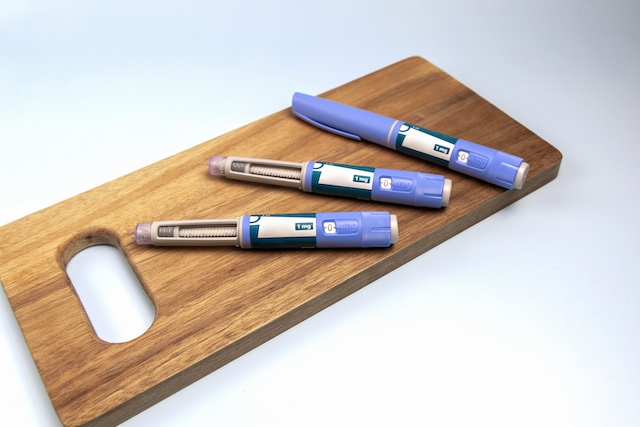
Three-pronged approach helps preserve muscle mass during weight loss with GLP-1 medications, study finds
New findings to be presented at the European Congress on Obesity (ECO 2025) offer encouraging news for individuals living with overweight or obesity who are prescribed GLP-1 or dual GLP-1/GIP receptor agonists as part of their weight management plan. The six-month study involving 200 adults indicates that with the right support—specifically medical supervision, resistance training, and adequate protein intake—substantial fat loss can be achieved with only minimal reductions in lean muscle mass.
The research, conducted by a team of obesity specialists based in New York, reinforces a growing body of evidence supporting the efficacy of GLP-1-based therapies for treating obesity and highlights key strategies for protecting muscle mass during weight loss.
Understanding GLP-1 Receptor Agonists
GLP-1 (glucagon-like peptide-1) receptor agonists—such as semaglutide and liraglutide—were initially developed to treat type 2 diabetes but have also demonstrated significant benefits in supporting weight loss and managing obesity.
GLP-1 is a type of incretin hormone, produced in the gut, that helps regulate blood glucose levels. Medications in this class work by mimicking or enhancing the effects of the body’s own GLP-1, thereby:
- Stimulating insulin secretion in response to food,
- Inhibiting glucagon release (a hormone that raises blood sugar),
- Slowing gastric emptying,
- Suppressing appetite by promoting satiety.
More recently, medications such as tirzepatide, which activate both GLP-1 and GIP (glucose-dependent insulinotropic polypeptide) receptors, have received approval for the treatment of type 2 diabetes and/or obesity. These dual agonists may offer even greater benefits by acting on multiple hormonal pathways involved in appetite and metabolism.
Why Body Composition Matters in Weight Management
While many treatments focus on reducing total body weight, experts stress the importance of maintaining lean muscle mass during weight loss. Muscle plays a vital role in metabolism, mobility, and long-term health. Excessive muscle loss during weight reduction can result in weakness, reduced physical function, and negative metabolic consequences.
To address this, the New York-based research team conducted a six-month prospective cohort study designed to monitor body composition changes in individuals prescribed GLP-1 or dual GLP-1/GIP receptor agonists.
Study Design and Methods
The study enrolled 200 adults aged 18 to 65 years, all of whom had a BMI of 25 kg/m² or higher—placing them in the overweight or obesity category. Participants were prescribed either semaglutide (a GLP-1 receptor agonist) or tirzepatide (a dual GLP-1/GIP receptor agonist). Sixty percent (n = 120) received tirzepatide, while the remaining 40% (n = 80) were given semaglutide.
All participants received care from a board-certified obesity medicine physician, who provided structured guidance on medication adherence, resistance training, and dietary protein intake. Body composition was assessed using the InBody 570—a medical-grade device employing multi-frequency bioelectrical impedance analysis (BIA)—at baseline, three months, and six months.
The InBody 570 measures a range of indicators including total body water, fat mass, skeletal muscle mass, visceral fat, and segmental muscle distribution. Researchers also collected data on medication adherence, physical activity, and dietary patterns throughout the study period.
Importantly, all 200 participants (99 men and 101 women) completed the full study duration.
Key Results: Fat Loss Outpaces Muscle Loss
The average participant age was 47 years, with a mean baseline BMI of 31.4 kg/m².
After six months:
- Women reduced their average body weight from 71 kg (156 pounds) to 62 kg (137 pounds)—a 12% decrease. On average, they lost 10.8 kg of fat mass while losing just 0.63 kg (1.4 pounds) of muscle.
- Men decreased their weight from 101 kg (223 pounds) to 88 kg (193 pounds)—a 13% reduction. Fat mass decreased by 12 kg (25 pounds), while muscle loss averaged just 1 kg (2.4 pounds).
Participants reported high adherence to medication protocols—95% at three months and 89% at six months. Qualitative feedback revealed that those who consistently followed resistance training and protein intake recommendations were more successful in retaining muscle mass and strength.
Comparing Semaglutide and Tirzepatide
While analysis is still underway to examine the comparative effects of semaglutide and tirzepatide on fat and muscle loss, early findings suggest both medications are highly effective in supporting body fat reduction in people living with obesity.
The researchers noted that although some muscle loss is expected during weight loss, targeted interventions—especially when supervised by a qualified obesity medicine specialist—can significantly reduce this loss.
Crucially, the combination of medication adherence, adequate dietary protein, and strength-based exercise emerged as a powerful trio for preserving muscle.
Expert Commentary: Insights and Cautions
Dr Dinabel Peralta-Reich and Dr Alexandra Filingeri, co-authors of the study, shared key insights with Medical News Today.
“This study measured body composition—specifically body fat mass (in pounds), muscle mass (in pounds), and total body weight (in pounds)—in patients at baseline, 3 months, and 6 months while taking GLP/GIP weight loss medications,” they explained.
“The results suggest that, with proper supervision, a protein-rich diet, regular resistance training, and guidance from a trained medical provider, patients can decrease fat mass while minimising muscle loss.”
Dr Peralta-Reich further emphasised:
“We found that, under close supervision and regular follow-up from an obesity medicine specialist, patients were able to lose fat mass with only a minimal decline in muscle mass.”
Commenting on the broader implications, Dr Mir Ali, a board-certified general and bariatric surgeon not involved in the study, added:
“This study was helpful to show that some muscle [loss] can occur with significant weight loss.”
“We see this in our surgical weight loss patients as well, and try to emphasise methods to minimise muscle loss.”
He continued:
“When patients are taking these weight loss medications, they should also implement measures to reduce muscle loss. Muscle loss can lead to weakness and other problems.”
“The main things patients can do is ensure adequate protein intake and exercise. Resistance-type exercises are helpful in maintaining and possibly even building muscle.”
Dr Filingeri noted that the research aimed to provide a clearer understanding of how incretin medications influence fat and muscle mass:
“We found that, under close supervision and regular follow-up from an obesity medicine specialist, patients were able to lose fat mass with only a minimal decline in muscle mass.”
However, she stressed the importance of context when interpreting the findings:
“These results cannot be generalised to patients receiving medication via telemedicine without routine body composition analysis, nor can they be generalised to in-person visits without utilising body composition analysis.”
She concluded by highlighting the need for further studies:
“Further research should explore the roles that diet and exercise play in the success of these medications.”
Conclusion: A Pathway to Safer, Healthier Weight Loss
This six-month investigation provides meaningful insights for clinicians and individuals living with obesity who are using GLP-1 or dual GLP-1/GIP receptor agonists as part of their weight loss journey. By incorporating medical supervision, resistance training, and adequate protein intake, it is possible to minimise the loss of lean muscle and support long-term health outcomes.
As the obesity epidemic continues and these medications become more widely used, tailored, evidence-based strategies like those outlined in this study will be essential to ensuring that weight loss is both effective and sustainable.
CCH Insight:
One of the concerns about AOMs is that large amounts of muscle mass may be lost when people shed weight rapidly, so the results of this study are re-assuring, demonstrating that with the right diet and exercise, lean muscle loss can be minimised. The study is also an excellent reminder that these medications should be taken as an adjunct to lifestyle changes, including a healthy diet and physical activity. With appetite being significantly restricted, it is important to eat a nutrient-dense diet to ensure adequate intake of all essential nutrients, including protein.
Read More
Pfizer halts development of promising oral obesity medication following safety concerns
Pfizer has announced the discontinuation of its once-daily oral obesity treatment, danuglipron, ahead of its transition to the most advanced and costly phase of clinical trials. The decision marks a significant shift in the pharmaceutical giant’s approach to tackling obesity, a therapeutic area that has rapidly gained prominence and commercial value.
The company revealed on Tuesday that it would cease development of the once-daily formulation of danuglipron after a participant in a clinical study experienced a potential drug-induced liver injury. The adverse effect resolved once the individual stopped taking the medication.
A Pfizer spokesperson explained that the once-daily pill was undergoing early-stage testing focused on determining the optimal dosage for people living with obesity. The original plan had been to progress into late-stage clinical trials, which typically serve as the final step before regulatory approval is sought.
Although this version of danuglipron will no longer be pursued, a company representative confirmed: “Pfizer still plans to develop other potential obesity treatments in earlier stages of testing.”
Obesity therapeutics have become one of the most dynamic and financially rewarding segments of pharmaceutical development. In 2024, Eli Lilly’s Zepbound, an injectable medication for obesity, generated close to $5 billion in its first full year on the market. Similarly, Novo Nordisk’s Wegovy has seen substantial commercial success. However, both of these leading therapies require injection, a delivery method that can be a barrier for some individuals.
As a result, there is growing industry interest in developing oral alternatives that offer greater convenience and are likely to be more acceptable to people reluctant to self-inject or attend frequent medical appointments. Eli Lilly is expected to release results later this year from clinical trials investigating several oral obesity treatments currently in development.
Despite the success of these medications, accessibility remains a major challenge. Many people face barriers to treatment due to recent supply shortages or inconsistent insurance coverage. Although both Lilly and Novo Nordisk have recently announced price reductions, the monthly cost of these treatments still runs into the hundreds of dollars, making them unaffordable for many individuals without adequate coverage.
Pfizer’s decision to halt development of the once-daily danuglipron follows an earlier move in late 2023, when the company discontinued its twice-daily formulation of the same drug. That version had advanced to mid-stage testing but was abandoned after more than half the participants in a clinical trial discontinued use.
As part of its latest announcement, a Pfizer spokesperson also confirmed that the company will no longer pursue trials of danuglipron in combination with other medications for obesity treatment.
While the company recalibrates its strategy in the obesity space, the market response remained muted. On Monday morning, shares of New York-based Pfizer Inc. rose by 12 cents to $22.03.
Pfizer’s withdrawal from the danuglipron programme underscores the complexity of developing safe and effective oral medications for obesity. The company’s ongoing commitment to researching new treatments may yet yield novel therapeutic options in a field of growing urgency and unmet need.
Read More
Building minds in code: AI-based ‘digital twins’ of mouse brains open new frontiers in neuroscience
Much like a pilot might practise flight manoeuvres in a simulator, researchers may soon be able to conduct complex neuroscience experiments within a hyper-realistic digital model of a mouse brain. In a groundbreaking study, a team led by Stanford Medicine has developed an artificial intelligence (AI) system that acts as a “digital twin” of the mouse brain’s visual cortex – the region responsible for processing visual information.
This innovation brings us closer to a future in which scientists can explore brain function more safely, efficiently, and in far greater detail than ever before. By simulating how the brain reacts to real-world visual stimuli, these digital replicas allow researchers to investigate cognition and perception without invasive procedures.
A Digital Mirror of the Brain
To create the digital twin, the AI model was trained using vast datasets capturing the activity of real neurons in the visual cortex of mice as they watched clips from feature films. The model, informed by these data, was then able to accurately predict how tens of thousands of neurons would respond to entirely new images and videos.
“If you build a model of the brain and it’s very accurate, that means you can do a lot more experiments,” said Professor Andreas Tolias, PhD, from Stanford Medicine’s Department of Ophthalmology and senior author of the study, published in Nature on 9 April. “The ones that are the most promising you can then test in the real brain.”
Eric Wang, PhD, a medical student at Baylor College of Medicine, served as the lead author of the study.
Generalising Beyond the Known
This new model stands apart from earlier AI simulations of the brain, which were limited to predicting responses to stimuli similar to those in their training datasets. In contrast, the new model has demonstrated an ability to extrapolate and respond accurately to a much wider range of novel inputs. It can even infer physical characteristics of individual neurons, such as their anatomical locations and types.
The model belongs to a new class of AI systems known as foundation models — algorithms trained on extensive datasets that can then apply what they’ve learned to novel scenarios. ChatGPT, for example, is a language-based foundation model. In this case, the model applied foundational principles of neuroscience to visual processing.
“In many ways, the seed of intelligence is the ability to generalise robustly,” said Tolias. “The ultimate goal — the holy grail — is to generalise to scenarios outside your training distribution.”
Lights, Camera, Neural Action
Training the digital twin began with an ambitious experiment: recording over 900 minutes of neural activity from eight mice watching high-energy human films such as Mad Max. These action-packed movies were chosen deliberately. Mice have low-resolution vision — similar to the human peripheral visual field — and are primarily sensitive to movement rather than detail or colour.
“It’s very hard to sample a realistic movie for mice, because nobody makes Hollywood movies for mice,” Tolias quipped. “Mice like movement, which strongly activates their visual system, so we showed them movies that have a lot of action.”
As the mice watched, high-resolution recordings tracked the responses of their visual cortex, while cameras simultaneously monitored their eye movements and behaviours. This data was then used to build a foundational model, which, with a small amount of additional data, could be tailored to create a unique digital twin for any individual mouse.
Simulating the Brain in Silico
Once built, these digital brains responded to fresh images and videos with a high degree of accuracy, closely mirroring the behaviour of their real-world counterparts. This level of precision, according to Tolias, was due to the model being “trained on such large datasets.”
What is particularly remarkable is that the model, trained solely on functional data (neural activity), was also able to generalise to structural data. For one mouse, the AI model accurately predicted the anatomical locations, cell types, and synaptic connections between thousands of neurons in its visual cortex.
To validate these predictions, researchers compared the digital model against high-resolution electron microscopy images from the same mouse’s brain. These data were part of the MICrONS project — an ambitious effort to map the structure and function of the mouse visual cortex in unparalleled detail. The MICrONS findings were published simultaneously in Nature.
An Infinite Laboratory
The implications of this technology are profound. Because a digital twin can outlive the biological organism it models, researchers could theoretically run millions of experiments on a single virtual mouse. This approach could drastically reduce the time, cost, and ethical concerns associated with traditional animal research.
“We’re trying to open the black box, so to speak, to understand the brain at the level of individual neurons or populations of neurons and how they work together to encode information,” Tolias explained.
Already, these AI models are providing new insights. In another related study published simultaneously in Nature, researchers used a digital twin to uncover the mechanisms by which neurons in the visual cortex form connections. While it was previously known that neurons with similar properties tend to form connections, the digital model revealed a more nuanced rule.
The digital twin showed that neurons preferentially connect with others that respond to the same visual stimulus — such as the colour blue — over those located in the same spatial region of the visual field.
“It’s like someone selecting friends based on what they like and not where they are,” Tolias said. “We learned this more precise rule of how the brain is organised.”
What Comes Next?
Looking ahead, the team plans to expand this modelling approach to other areas of the brain and to other species, including non-human primates with more complex cognitive functions.
“Eventually, I believe it will be possible to build digital twins of at least parts of the human brain,” said Tolias. “This is just the tip of the iceberg.”
The project represents a collaborative effort involving researchers from Stanford Medicine, the University of Göttingen, and the Allen Institute for Brain Science.
Funding was provided by multiple institutions, including the Intelligence Advanced Research Projects Activity (IARPA), the National Science Foundation (NeuroNex grant), the National Institute of Mental Health, the National Institute of Neurological Disorders and Stroke (grant U19MH114830), the National Eye Institute (grant R01 EY026927 and Core Grant for Vision Research T32-EY-002520-37), the European Research Council, and the Deutsche Forschungsgemeinschaft.
As digital replicas of brains become more advanced, researchers hope that this technology will not only shed light on the mysteries of perception and learning but also pave the way for new therapeutic approaches to brain-related conditions — all while reducing reliance on live animal testing.
Read More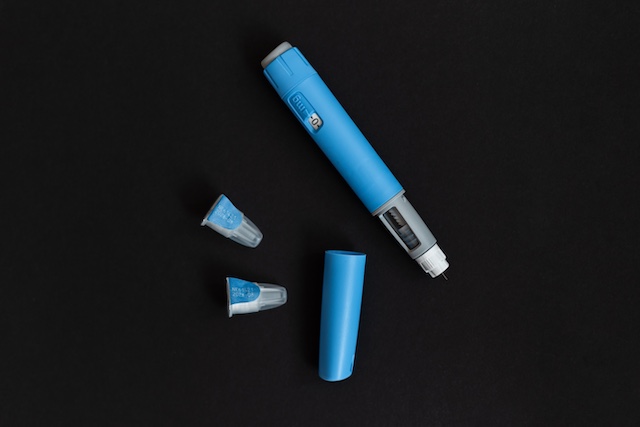
Expanded access to anti-obesity medications could extend life and save society billions
A new white paper from the USC Schaeffer Center has found that broadening access to anti-obesity medications could significantly increase life expectancy and extend disease-free years for people living with obesity, all while delivering a substantial return on investment to society—even after accounting for treatment costs.
More than four in ten adults in the United States are living with obesity, a chronic health condition linked to over 200 diseases including cardiovascular disease, type 2 diabetes, cancer, and dementia. The financial toll of treating these associated conditions is immense, with annual societal costs reaching $260 billion. Despite the arrival of highly effective anti-obesity medications, fewer than one-third of health insurance plans cover them, largely due to concerns over initial expenditure.
According to the Schaeffer Center researchers, expanding access to these medications for all adults without diabetes who meet clinical eligibility criteria could generate as much as $10 trillion in social value. This value stems from improved longevity and health outcomes. Moreover, the societal return on this investment could exceed 13% annually—a figure on par with returns seen from high-impact policies such as early childhood education for disadvantaged populations, and nearly double the average return of the U.S. stock market over the 21st century.
“While the costs of anti-obesity medications have grabbed headlines, our analysis shows why it’s important to consider the lifetime value of treatment. Expanding access will prevent or delay obesity-related comorbidities, resulting in improved quality and quantity of life for many Americans,”
said Alison Sexton Ward, research scientist at the Schaeffer Center and co-author of the study.
The findings come at a pivotal time, as federal policymakers deliberate whether to expand Medicare and Medicaid coverage for anti-obesity medications—a decision that could also set the precedent for broader uptake among private insurers. The latest white paper builds upon a widely cited 2023 report from the Schaeffer Center, which projected that Medicare coverage alone could save the programme as much as $175 billion over the next decade through reduced demand for medical services.
Benefits Go Beyond the Sickest Individuals
To arrive at these conclusions, researchers employed the Future Adult Model, an economic-demographic microsimulation tool, to simulate the lifelong health trajectories, healthcare costs, and other economic outcomes for adults aged 25 and older who qualify for anti-obesity medication under current clinical guidelines, excluding those already diagnosed with diabetes. The analysis examined subgroups across age bands, body mass index (BMI) categories, and varying levels of diabetes risk.
Even though pharmaceutical competition often drives down net prices of high-cost drugs ahead of generic availability, researchers took a conservative stance, assuming stable net pricing until generic entrants are expected in 2032. The estimated net price, reflecting rebates and negotiated discounts, is approximately 55–65% below the list price, aligning with figures used by the U.S. Congressional Budget Office.
The study found that younger, healthier adults stand to gain the most from early treatment. For instance, people aged 25 to 34 who begin taking anti-obesity medications could gain up to 1.8 additional years of life and experience as many as 5.9 more years free from type 2 diabetes.
The researchers calculated the “social value” of expanded access by comparing the monetary worth of prolonged, healthier lives and lower healthcare costs to the price of medication.
Because early treatment yields more years of healthy life, its value is particularly high in younger age groups. For example, initiating treatment in a 25-year-old with low immediate diabetes risk could deliver nearly 30% more lifetime social value compared to beginning treatment in a 35-year-old with similar risk.
“Insurers often limit coverage of anti-obesity medications to sicker patients, such as those with prediabetes or diabetes, but our analysis shows they are likely missing out on a chance to prevent worse and more costly outcomes through early treatment,”
said co-author Darius Lakdawalla, chief scientific officer at the Schaeffer Center and professor at the USC Mann School of Pharmacy and Pharmaceutical Sciences and the USC Price School of Public Policy.
Importantly, the net lifetime social value of treatment was found to be positive for almost every group assessed in the study, not just the youngest or healthiest.
High Return on Investment Across Populations
The study also evaluated the long-term return on investment to society for each dollar spent on expanding access to anti-obesity medications, focusing on the internal rate of return (IRR). This metric reflects the projected annual benefit relative to the cost.
The IRR exceeded 13% across all subgroups with a BMI of 30 or higher, sustained over a 30-year horizon. This suggests that, across the board, investment in broader access to anti-obesity medication could deliver robust and consistent returns for society.
“Expanding access to anti-obesity medication is probably the single most effective policy to improve Americans’ public health,”
said Dana Goldman, co-director of the Schaeffer Center and founding director of the USC Schaeffer Institute for Public Policy & Government Service.
“The challenge will be to do it in a way that rewards innovators but keeps the public costs low.”
The report underscores that, despite the headline-grabbing costs of anti-obesity medications, their long-term benefits—in both health and economic terms—are substantial. As policymakers debate the future of healthcare coverage, the findings offer compelling evidence for the early and equitable use of these medications as a powerful tool in tackling one of today’s most widespread and consequential chronic health conditions.
CCH Insight:
This study makes a very strong case for access to anti-obesity medications for everyone who is eligible – there would be considerable financial and societal benefits. However, as long as these medications are delivered by self-injection ‘pens’, there are likely to be supply issues. Oral versions of these medications are under development, and the sooner they are available, the sooner we are likely to see a leap in accessibility and the possibility of the public health benefits suggested by this study. Our next news item about trials of oral AOM orforglipron provides hope that these oral medications may be available fairly soon.
Read More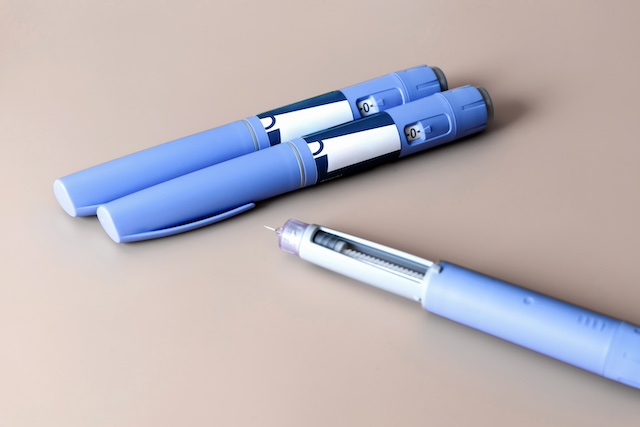
Early use of anti-obesity medication more than doubles weight loss
Incorporating an anti-obesity medication just one month after beginning behavioural therapy—rather than the current guideline of waiting six months—can more than double weight loss for individuals who initially struggle with lifestyle changes alone. This is the key finding of a new study from researchers at the Perelman School of Medicine at the University of Pennsylvania, published in Nature Medicine.
Obesity and Its Health Implications
Obesity affects over 40 percent of adults in the United States and is associated with a heightened risk of heart disease, stroke, type 2 diabetes, and certain cancers. Behavioural therapy—also referred to as lifestyle intervention—along with anti-obesity medication, are recognised as effective strategies to support individuals in achieving their weight and health-related goals. However, the effectiveness of these approaches can vary widely among individuals. This study addresses a significant gap in obesity management by demonstrating that those who struggle with one form of treatment may benefit substantially from the timely addition of another.
Most obesity management guidelines recommend an initial six-month period of lifestyle intervention before considering medication. These lifestyle modifications typically involve reducing calorie intake, increasing physical activity, and employing behavioural strategies such as tracking food consumption and exercise. These interventions are often delivered through structured counselling sessions, where trained professionals help participants set realistic goals and provide accountability. However, research indicates that up to 50 percent of individuals undertaking lifestyle interventions alone do not achieve a clinically meaningful weight loss of at least five percent of their starting weight.
Dr Jena Shaw Tronieri, Senior Research Investigator at the Center for Weight and Eating Disorders in the Department of Psychiatry at the University of Pennsylvania, noted the critical lack of research into next steps for individuals who do not respond adequately to behavioural therapy alone:
“Surprisingly little is known about how to help patients who struggle to lose weight when they are already receiving frequent lifestyle counselling sessions. Some experts have suggested that adding an anti-obesity medication should be the next step, but no studies have tested whether this approach actually improves weight loss.”
Early Intervention Leads to Greater Weight Loss
The research team, led by Tronieri, assessed an early intervention approach by identifying individuals who had lost less than two percent of their initial body weight after four weeks of weekly behavioural sessions (equating to less than one pound per week for most participants). These individuals were then randomly assigned to receive either the anti-obesity medication phentermine hydrochloride (15.0 mg per day) or a placebo while continuing with 24 additional weeks of behavioural intervention.
Phentermine, an appetite suppressant, is the longest-approved weight-loss medication currently available, having received U.S. Food and Drug Administration (FDA) approval in 1959.
The results demonstrated a significant disparity in weight loss outcomes:
- Participants who received only the placebo alongside behavioural counselling lost an average of 2.8 percent of their initial weight over the 24-week period.
- In contrast, those who received phentermine experienced a weight loss of 5.9 percent—more than double the amount lost by the placebo group.
For context, an individual weighing 250 pounds (approximately 113 kg) at the study’s outset would have lost around 15 pounds (6.8 kg) with the medication, compared to roughly 7 pounds (3.2 kg) with behavioural therapy alone.
Meanwhile, individuals who were “early strong responders”—those who had already achieved notable weight loss in the first month—continued with lifestyle interventions alone and achieved an additional 5.1 percent reduction in their initial weight over the same six-month period.
Implications for Obesity Treatment
Dr Tronieri emphasised the importance of adapting obesity treatment strategies to prevent disengagement and improve patient outcomes:
“Our results strongly support the addition of anti-obesity medications for patients who do not achieve meaningful weight loss with behavioural methods alone. They also suggest that the medication can be introduced early in treatment, rather than waiting until a patient completes a full six-month programme. Early intervention is crucial because patients who don’t see initial results are more likely to become discouraged and discontinue treatment altogether.”
The study’s findings offer a potential framework for healthcare professionals supporting individuals who find it challenging to lose weight through lifestyle changes alone. While this study focused on phentermine, researchers caution that additional trials are necessary to determine whether newer FDA-approved medications, such as semaglutide or tirzepatide, could yield even greater improvements.
Study co-author Dr Thomas A. Wadden, Professor of Psychology in Psychiatry, noted:
“If the people who were early non-responders took one of the newer approved medications, like semaglutide or tirzepatide, it’s likely they could easily double or triple their weight loss compared to phentermine. Additional research is needed to confirm this hypothesis.”
Future Research Directions
The study was funded by the National Institutes of Health (NIH) and the National Institute of Diabetes and Digestive and Kidney Diseases (K23DK116935). Researchers aim to build upon these findings by exploring the effectiveness of alternative medications and refining treatment protocols to maximise weight loss outcomes for those who do not respond to behavioural interventions alone.
This study represents a significant step towards more personalised obesity management, with early introduction of medication offering a promising approach for individuals who find it difficult to achieve weight loss through lifestyle modifications alone.
Read More
GLP-1 agonists improve kidney transplant outcomes in people with type 2 diabetes
A recent study has demonstrated that people with type 2 diabetes who have received kidney transplants experience significantly improved survival rates and a lower likelihood of organ failure when prescribed glucagon-like peptide-1 (GLP-1) receptor agonists, a class of medications originally developed to manage diabetes and now widely used for weight management.
Obesity is a well-documented risk factor for type 2 diabetes and is associated with an increased risk of postoperative complications, including inflammation, organ rejection, and premature mortality. Previous research had indicated that people who had undergone kidney transplantation and subsequently took GLP-1 agonists exhibited a slower decline in kidney function compared to those who had not received the medications. However, there had been uncertainty regarding their routine use in this population due to concerns about potential adverse effects, including pancreatic inflammation, liver complications, and a theoretical increased risk of a rare form of thyroid cancer, particularly in individuals taking immunosuppressive medications to prevent transplant rejection.
Significant Reduction in Organ Failure and Mortality
The new study, conducted by researchers at NYU Langone Health and published in The Lancet Diabetes & Endocrinology, aimed to clarify the benefits and risks of these medications in kidney transplant recipients. The findings revealed that people prescribed GLP-1 agonists—most of whom began treatment within three years of transplantation—were 49% less likely to experience transplant failure, defined as the cessation of kidney function necessitating a return to dialysis, compared to those not taking the medication. Additionally, those prescribed GLP-1s had a 31% lower risk of mortality within five years of starting the treatment.
Dr Babak J. Orandi, MD, PhD, lead investigator of the study, transplant surgeon, and obesity medicine specialist, emphasised the significance of these findings:
“Our study results are the strongest evidence to date that GLP-1 agonist drugs are largely safe and effective tools for addressing type 2 diabetes in kidney transplant recipients.”
Dr Orandi, an associate professor in the Departments of Surgery and Medicine at NYU Grossman School of Medicine, further noted:
“Our research offers a large amount of real-world clinical data to guide the management of benefits and risks of GLP-1 use in kidney transplant recipients.”
Risk of Diabetic Retinopathy
While the study found no increased risk of pancreatic inflammation, liver complications, or thyroid cancer in those prescribed GLP-1s, it did identify a 49% higher likelihood of developing diabetic retinopathy, a leading cause of blindness. This eye condition occurs when elevated blood sugar levels damage the retina’s blood vessels, particularly in cases where blood glucose control is adjusted too rapidly.
Study senior investigator and epidemiologist Dr Mara McAdams-DeMarco, PhD, an associate professor in the Departments of Surgery and Population Health, highlighted the need for close monitoring:
“Our findings also show that while the benefits of GLP-1 drugs are significant, their use does come with some added risk of diabetic retinopathy, suggesting that physicians need to carefully monitor the eye health of kidney transplant recipients with diabetes who are started on these drugs.”
Dr Orandi further elaborated on this point, stating that individuals with poorly controlled diabetes should be screened for diabetic retinopathy prior to starting GLP-1 therapy. He also recommended a gradual titration of the medication dosage in people with severe diabetes or pre-existing eye conditions.
Study Overview and Future Research
The study analysed medical records from the U.S. Renal Data System, which integrates data from the Organ Procurement and Transplantation Network, the U.S. Centers for Medicare and Medicaid Services, and Medicare claims related to prescription drug use. Researchers reviewed data from 18,016 kidney transplant recipients with pretransplant diabetes in the United States between 2013 and 2020. Of these, 1,916 individuals were prescribed GLP-1 receptor agonists, including semaglutide, liraglutide, and dulaglutide, marketed under brand names such as Ozempic, Wegovy, Saxenda, Victoza, and Trulicity.
The study also found that those prescribed GLP-1s were more likely to be younger, female, Black, and from lower-income backgrounds than those who were not prescribed the medication. The researchers emphasised the need for further studies to investigate the biological mechanisms by which GLP-1 agonists enhance kidney health post-transplantation.
Type 2 diabetes remains one of the primary causes of end-stage kidney disease, and with a quarter of a million individuals in the United States currently awaiting a kidney transplant, identifying treatments that improve post-transplant outcomes is of critical importance.
Funding and Disclosures
The study was supported by National Institutes of Health grants R01AG077888, K02AG076883, R01DK114074, R01DK120518, K01DK132490, and K24AI144954.
Besides Dr Orandi and Dr McAdams-DeMarco, researchers involved in the study included Yui Chen, MHS; Yiting Li, MPH; Garyn Metoyer, MD; Michael Weintraub, MD; Sunjae Bae, MD, PhD; Nicole Ali, MD; Bonnie Lonzo, MD; Christine Ren-Fielding, MD; Holly Lofton, MD; Akash Gujral, MS; and Dorry L. Segev, MD, PhD. Additionally, Krista Lentine, MD, from Saint Louis University in Missouri, contributed as a co-investigator.
Dr Orandi has served on an advisory board for Boehringer Ingelheim. Dr Lofton has received advisory board fees, research funding, and speaking fees from Novo Nordisk, Eli Lilly, and Currax. Dr McAdams-DeMarco has received speaking fees from Chiesi. Dr Segev has served as a consultant or received speaking fees from AstraZeneca, Behring, CareDx, CSL, Jazz Pharmaceuticals, Mallinckrodt, Novavax, Novartis, Optum Health Education, Sanofi, Thermo-Fisher Scientific, Transmedics, and Veloxis. None of these companies were involved in the current study. The terms of these relationships are being managed in accordance with NYU Langone Health’s policies and procedures.
Read More
GLP-1 drugs may reduce risk of leukaemia and lymphoma in people with type 2 diabetes
A recent study published in JAMA Network Open suggests that individuals with type 2 diabetes (T2D) who are treated with glucagon-like peptide-1 receptor agonists (GLP-1RAs) may have a lower risk of developing haematologic cancers, including leukaemia and lymphoma, compared to those using insulin or metformin.
Background
Both obesity and type 2 diabetes are recognised as independent risk factors for various types of cancer, including haematologic malignancies. GLP-1RAs have emerged as a promising therapeutic option due to their benefits in weight management, immune modulation, and glycaemic control. Previous research has linked GLP-1RAs to a lower incidence of solid tumours, yet their relationship with haematologic cancers remains largely unexplored. This study sought to fill this knowledge gap by comparing cancer risks in individuals receiving GLP-1RAs versus those using metformin or insulin.
Study Overview
Researchers conducted a retrospective cohort analysis using the TriNetX database, a large repository containing health records for approximately one-quarter of the United States population. The study included individuals with a T2D diagnosis who were prescribed either GLP-1RAs (such as exenatide, lixisenatide, tirzepatide, liraglutide, albiglutide, semaglutide, or dulaglutide), insulin, or metformin between 30 April 2005 and 31 October 2023.
To ensure robust comparisons, individuals with a prior diagnosis of haematologic cancer or those who had been prescribed antidiabetic medication before their T2D diagnosis were excluded. The study’s primary objective was to assess the incidence of first-time haematologic cancer diagnoses across different treatment groups. Two separate analyses were conducted: one comparing GLP-1RA users to metformin users and another comparing them to insulin users.
To account for potential confounding factors, the study employed propensity score matching based on multiple variables, including weight status, demographic characteristics, diabetic complications, body mass index (BMI), glycated haemoglobin (HbA1c), cancer screening history, genetic predisposition, exposure to radiation, intensive care unit (ICU) admissions, concomitant antidiabetic therapies, adverse social determinants of health, and exposure to cytotoxic agents. The researchers then utilised Kaplan-Meier survival analysis and Cox proportional hazard models to estimate cumulative cancer incidences and hazard ratios with 95% confidence intervals.
Key Findings
The study identified over 1.6 million individuals with type 2 diabetes. Among them, 51,617 were prescribed GLP-1RAs, 938,602 received insulin, and 611,115 were treated with metformin. The average duration of GLP-1RA prescriptions was 485 days. Following propensity matching, 50,590 participants were included in the GLP-1RA–metformin comparison, and 47,716 were included in the GLP-1RA–insulin comparison.
Comparison with Metformin
GLP-1RA use was associated with a significantly lower risk of myelodysplastic syndromes (MDS) and myeloproliferative neoplasms (MPN) when compared to metformin. However, the researchers noted that metformin itself has been linked to cancer-protective effects, which may explain why the overall reduction in haematologic cancer risk associated with GLP-1RAs was limited in this comparison. Ultimately, no statistically significant difference was observed in the combined risk of all haematologic cancers between GLP-1RA and metformin users.
Comparison with Insulin
In contrast, when compared to insulin users, those prescribed GLP-1RAs exhibited a markedly lower risk of developing a range of haematologic cancers. Specifically, GLP-1RA users had a significantly reduced risk of lymphoid leukaemia, myeloid leukaemia, MPN, MDS, amyloidosis, non-Hodgkin lymphoma, monoclonal gammopathy, and multiple myeloma. Overall, GLP-1RA use was linked to a 54% lower risk of developing any haematologic malignancy compared to insulin use.
Implications and Conclusion
The findings suggest that GLP-1RAs may offer protective effects against haematologic cancers, particularly in comparison to insulin. This effect is likely influenced by the immunomodulatory properties of GLP-1RAs and their role in promoting weight loss. Notably, these protective associations appeared to be independent of glycaemic control, potentially due to a reduction in pro-inflammatory cytokines that are involved in the dysregulation of haematopoiesis and the development of conditions such as MPN and MDS.
Despite these promising results, the study has several limitations. Residual confounding factors cannot be entirely ruled out, and the analysis did not explore dose-response relationships or account for potential age-related variations in cancer risk. Additionally, as this was a retrospective study relying on diagnostic codes from electronic health records, inaccuracies in coding and unmeasured confounders could have influenced the results.
The authors emphasised that metformin, a comparator in the study, is already known to have cancer-protective properties, which may explain why the benefits of GLP-1RAs appeared more pronounced when compared to insulin rather than metformin. Given these findings, GLP-1RAs could represent a promising avenue for reducing cancer risk in individuals with type 2 diabetes. However, further research is required to elucidate the underlying biological mechanisms and confirm these observational findings in prospective clinical trials.
Read More