
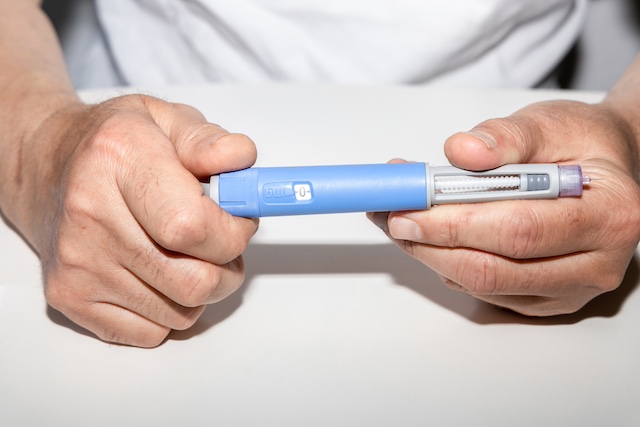
Rising prescriptions for obesity management medications reflect growing public interest
The number of prescriptions for obesity management medications (OMDs) has increased significantly in recent years, with a corresponding rise in online search activity, according to a study published on 29 January in JAMA Network Open.
Dr Philipp Berning, from Johns Hopkins University School of Medicine in Baltimore, and colleagues conducted a repeated cross-sectional study examining prescription patterns and online search trends for OMDs. Their research explored the correlation between the growing use of these medications and public engagement, analysing trends visually and performing quantitative correlation calculations.
The study revealed that a total of 69,213,936 prescriptions for OMDs were dispensed in the United States during the research period. The data showed a steady increase in prescription rates, rising from 0.76 to 0.80 million between July 2017 and June 2018, and from 1.29 to 1.51 million between March 2023 and February 2024. This represents a mean annual growth rate of 5.3 per cent. By February 2024, the total number of OMD prescriptions reached 1.5 million in a single month, accounting for 0.41 per cent of all prescriptions issued during that time.
Among the most commonly prescribed OMDs were phentermine, semaglutide (marketed as Wegovy), liraglutide (Saxenda), and tirzepatide (Zepbound). By February 2024, phentermine had approximately 0.74 million monthly prescriptions, while Wegovy and Zepbound had 0.42 million and 0.25 million monthly prescriptions, respectively.
Online search trends closely mirrored these prescribing patterns. Search volumes for Wegovy, Zepbound, and phentermine in February 2024 were recorded at 636.3, 468.9, and 301.8 searches per 10 million, respectively. The strongest correlation between prescription rates and online search volumes was observed with Wegovy and Zepbound, indicating heightened public interest in these newer treatments.
“These findings may provide insight for health care professionals and policy makers, as they highlight the rapid adoption by clinicians (including nonphysician professions) of state-of-the-art obesity treatments and their growing public interest,” the authors wrote.
One author of the study disclosed financial ties to the biopharmaceutical industry, a factor that should be considered when interpreting the findings.
Read More
Researchers aim to minimise side effects of obesity medications through groundbreaking study
A pioneering £1.2 million research initiative is now underway at University College London (UCL) and the Rowett Institute at the University of Aberdeen, seeking to refine the effectiveness of weight-loss medications while reducing their associated side effects. The study, funded by the Medical Research Council, will investigate the precise mechanisms through which these drugs act in the brain, with the goal of developing improved treatments that minimise discomfort while maximising therapeutic benefits.
The Promise and Challenges of Semaglutide
Semaglutide, an anti-diabetic medication marketed under brand names such as Wegovy and Ozempic, has gained widespread recognition for its ability to support weight management. The drug works by acting on the brain to reduce food intake, helping people with obesity or overweight to achieve significant weight loss.
However, despite its effectiveness, semaglutide can produce unpleasant side effects, including nausea and vomiting. These adverse reactions can make it difficult for individuals to adhere to long-term treatment, ultimately reducing the drug’s overall effectiveness in managing weight.
Investigating the Brain’s Role in Drug Response
Leading the study are Professor Lora Heisler of the Rowett Institute and Professor Stefan Trapp of UCL Biosciences, who will spend the next three years mapping out how semaglutide interacts with the brain. Their research will focus on identifying specific neural pathways that influence different aspects of eating behaviour, such as reducing meal size, encouraging healthier food choices, slowing digestion, and diminishing the brain’s reward response to highly palatable foods.
Crucially, the study will also examine the pathways responsible for triggering nausea and other unwanted side effects. By distinguishing between these different mechanisms, the researchers aim to uncover ways to modify how the drug acts in the brain, potentially paving the way for future medications that retain semaglutide’s benefits without the drawbacks.
Aiming for More Effective and Tolerable Treatments
Professor Trapp highlighted the importance of this research in advancing obesity treatment, “While semaglutide and similar drugs have been very effective in helping people with diabetes and show much promise in helping people to lose weight, we still do not know that much about how exactly they work in the brain.”
He noted that his laboratory has conducted extensive studies on the glucagon-like peptide-1 receptor (GLP-1R), the brain target of semaglutide. By mapping out the drug’s mechanism in greater detail, Trapp and his team hope to contribute to the development of more refined medications with fewer adverse effects.
Professor Heisler further emphasised the potential impact of their findings, “There is huge interest in how the brain targets of semaglutide and similar drugs could be switched on in a slightly different or more targeted way. Drugs that can do this could work better, have effects that last longer, and produce specific therapeutic obesity treatment benefits without the nausea side effect.”
She also pointed out that such research is only possible due to recent technological advancements, stating, “We can only now do these types of studies because of the latest technological advances, and we expect our results will provide the blueprint to develop even better obesity medications in the future.”
Implications for Future Obesity Treatments
This study could play a crucial role in shaping the next generation of obesity medications, offering new treatment options that are not only effective but also better tolerated. As more people turn to pharmacological treatments for weight management, research like this is essential to ensuring that these interventions remain both accessible and sustainable for long-term use.
By deepening the scientific understanding of how semaglutide works in the brain, researchers at UCL and the Rowett Institute aim to refine and improve the treatment landscape, ultimately providing more effective and tolerable solutions for individuals seeking to manage their weight through medical therapy.
Read More
GLP-1 drugs linked to fewer surgery complications in people with diabetes
Individuals living with diabetes who were prescribed GLP-1 receptor agonist medications, such as tirzepatide and semaglutide, experienced significantly lower rates of hospital readmission, wound reopening, and haematoma following surgery, according to a large-scale study. The research was conducted by experts from Weill Cornell Medicine, Columbia University Vagelos College of Physicians and Surgeons, and NewYork-Presbyterian.
Published on 20 December in the Annals of Surgery, the study analysed anonymised hospital data from 74,425 surgical procedures performed on 21,772 individuals with diabetes over a three-and-a-half-year period, concluding in July 2023.
The findings revealed that individuals prescribed GLP-1 receptor agonists—commonly referred to as GLP-1 drugs—demonstrated a:
- 12% reduction in the likelihood of hospital readmission within 30 days post-surgery,
- 29% decrease in the risk of wound reopening within six months, and
- 56% reduction in the risk of haematoma (a localised collection of blood caused by bleeding) at the surgical site compared to those not on these medications.
“These findings from such a large number of patients and procedures suggest that taking these drugs shouldn’t worsen overall post-surgical complications and may even reduce the likelihood of some of them,” said Dr Jason Spector, senior author of the study, chief of the division of plastic and reconstructive surgery at Weill Cornell Medicine and NewYork-Presbyterian/Weill Cornell Medical Center, and a professor of surgery at Weill Cornell Medicine.
Background on GLP-1 Medications
GLP-1 receptor agonists were originally developed in the early 1990s to manage diabetes, with the first medications reaching clinical use in 2005. In 2014, regulatory authorities, including the US Food and Drug Administration (FDA), approved their use for treating obesity. These drugs function by activating the GLP-1 receptor on cells within the pancreas and other organs, thereby stimulating insulin release, which subsequently lowers blood sugar levels and suppresses appetite.
The recent widespread adoption of GLP-1 drugs prompted Dr Spector and first author Dr Seth Aschen, then a plastic surgery resident at NewYork-Presbyterian/Weill Cornell Medical Center, to investigate whether individuals with diabetes undergoing surgery face a greater or reduced likelihood of complications while on these medications.
Study Methods and Analysis
The research team analysed anonymised electronic health records from NewYork-Presbyterian/Weill Cornell Medical Center and NewYork-Presbyterian/Columbia University Irving Medical Center. They reviewed all surgical procedures involving individuals with diabetes from February 2020 to July 2023, ensuring at least six months of follow-up data for each case.
The investigators focused on hospital readmission rates within 30 days and four other post-surgical complications over the follow-up period. These included wound reopening, haematoma, bleeding, and infection. To ensure robust comparisons, a “propensity matching” system was employed to pair individuals prescribed GLP-1 drugs with similar individuals not taking these medications. This approach minimised the influence of external factors unrelated to the drugs themselves.
Key Findings
Surprisingly, the results indicated that individuals with diabetes taking GLP-1 medications were slightly less likely to require hospital readmission within 30 days of surgery, suggesting a reduction in overall complications.
Among specific complications studied:
- Bleeding and infection rates were consistent between both groups.
- The risk of wound reopening and haematoma was significantly lower in individuals taking GLP-1 drugs. Specifically, those prescribed these medications had 71.1% of the risk of wound reopening and 44.0% of the risk of haematoma compared with those not on GLP-1 drugs.
Understanding the Underlying Mechanisms
While the exact reasons for these beneficial outcomes remain unclear, diabetes is known to impair wound healing, potentially increasing post-surgical risks. Interestingly, the study found that better blood sugar control was unlikely to explain the positive effects, as individuals on GLP-1 drugs had slightly higher average blood sugar levels than their counterparts.
Other research suggests that GLP-1 medications may enhance wound healing through mechanisms such as reducing clotting, promoting the formation of new blood vessels to nourish tissues, and lowering inflammation. “These mechanisms may help explain the observed benefits,” Dr Spector commented.
Future Directions
Dr Spector and his team are now expanding their research to examine whether GLP-1 drugs influence post-surgical complications in individuals without diabetes.
By shedding light on these potential benefits, this study underscores the importance of further research into GLP-1 medications and their broader implications for improving surgical outcomes.
Read More
Mounjaro Gains Momentum in the UK’s Private Obesity Treatment Market, Outpacing Wegovy
In the UK’s private obesity treatment market, Eli Lilly’s Mounjaro is becoming the preferred choice over Novo Nordisk’s Wegovy, according to insights from online pharmacies and patients. The shift suggests that the U.S.-based pharmaceutical company is challenging its European competitor’s early dominance in the sector.
The popularity of Mounjaro stems from its greater efficacy in supporting weight loss, as confirmed by six online pharmacies and two individuals using the drug. Despite some pharmacies charging up to 40% more for Mounjaro’s introductory doses compared to Wegovy, its effectiveness appears to outweigh the higher cost for many users.
“Mounjaro is now vastly outstripping Wegovy,” stated James O’Loan, CEO of Chemist4U. According to O’Loan, over the past three to four months, approximately 70% of his pharmacy’s sales have been attributed to Mounjaro.
Private market growth
Chemist4U and Simple Online Pharmacy estimate that as many as 500,000 people in the UK are using either Mounjaro or Wegovy via prescriptions obtained through private online pharmacies. Unlike Wegovy, which is accessible through the National Health Service (NHS) but only in specialist obesity clinics under limited conditions, Mounjaro is currently unavailable through the NHS. However, it is expected to become available next year.
The government revealed last year that NHS services had the capacity to treat around 35,000 patients with Wegovy, but no public data exists on the number of prescriptions issued.
Mounjaro entered the UK market in February 2024, marking one of the first launches outside the U.S. and one of a few countries where it directly competes with Wegovy. Novo Nordisk introduced Wegovy in the UK in September 2023. Government statistics indicate that approximately two-thirds of adults in the UK are living with overweight or obesity, making the country a significant market for obesity treatments.
Rising demand for obesity medications
The global obesity drug market is projected to reach a value of $150 billion annually within the next decade. The UK, as one of Europe’s more populous markets, is witnessing significant growth in demand for obesity treatments.
O’Loan reported that Chemist4U is selling approximately 40,000 pens of Mounjaro and Wegovy combined each month, with each pen representing about one month’s supply. The pharmacies interviewed noted that availability of both medications has stabilised since the summer following an earlier period of shortages.
Online listings indicate that one-month starter doses of Wegovy cost between £109 and £138. Similarly, Mounjaro starter doses are priced at approximately £115.
Novo Nordisk’s leadership in the obesity drug market made it Europe’s largest company by market capitalisation last year. However, increasing competition from Eli Lilly has led to a 16% decline in Novo’s market value since its peak in June. Lilly’s rapid growth has boosted its shares by 37% this year, outperforming Novo’s 12% gain.
Comparative efficacy
Clinical trial data have played a pivotal role in shaping preferences for Mounjaro. Before regulatory approval, trials demonstrated that individuals using Wegovy achieved an average weight reduction of 15%, while Mounjaro users saw nearly 23% weight loss when combined with a balanced diet and exercise.
Recent study results, published last week, provided the first direct comparison between the two medications under identical trial conditions. These findings reinforced Mounjaro’s superior effectiveness in facilitating weight loss.
Novo Nordisk declined to comment on UK sales but emphasised that prescribing decisions should prioritise individual patient needs. Eli Lilly also declined to comment.
With patients increasingly weighing up different GLP-1 medications, supporting clinicians to match the right treatment to the right person is the focus of professional training such as the College of Contemporary Health’s GLP-1RAs in Practice: Prescribing, a CPD-accredited online short course.
Individual experiences and pharmacy trends
Alan, a 54-year-old financial services professional from London, switched to Mounjaro in March 2024 after using Wegovy since October 2023. Concerned about hitting a weight loss plateau, he opted for Mounjaro despite needing to start at the lowest dose and gradually increase. Within the first month, Alan lost one kilogram—more than he had achieved on the highest dose of Wegovy before switching.
“Efficacy drove my switch,” Alan explained. “It was a no-brainer; it seemed the obvious thing to try.”
Pharmacy data align with such individual accounts. Matt Vickers, clinical director at Juniper Pharmacy, reported that 70% to 80% of their new clients are opting for Mounjaro. Similarly, UK pharmacy chain Superdrug dispensed three times as many prescriptions for Mounjaro as Wegovy in October. Online pharmacy MedExpress noted a growing preference among new customers for Mounjaro.
Another individual, John, who preferred to use his middle name, began his weight loss journey with Novo Nordisk’s diabetes medication Ozempic, which contains the same active ingredient as Wegovy. John lost 18 kilograms using Ozempic and exceeded his goal by shedding an additional 20 kilograms. Despite this success, he plans to transition to Mounjaro in January to further enhance his outcomes.
Future outlook
The competition between Mounjaro and Wegovy highlights a rapidly evolving landscape in obesity care, with patients prioritising efficacy and accessibility. As demand continues to grow, both manufacturers will likely play a critical role in shaping the future of obesity management in the UK and beyond.
CCH insight
Behind the headline market race sits a real clinical question: how to choose the most appropriate GLP-1 medication for each individual, and how to manage patients moving between them. CCH’s GLP-1RAs in Practice: Prescribing CPD short course (2 CPD hours, fully online, CPD-accredited) equips prescribers to make exactly those judgements – from selecting the right treatment and initiation through to titration and side-effect management – so decisions are driven by clinical need rather than headlines.
Explore GLP-1RAs in Practice: Prescribing →

Anti-obesity medications linked to reduced alcohol consumption in weight loss study
A recent study published in JAMA Network Open has revealed intriguing insights into the behavioural effects of anti-obesity medications (AOMs), particularly their impact on alcohol consumption. Conducted within the WeightWatchers (WW) Clinic telehealth weight management programme, the research examined alcohol use patterns among participants who initiated AOMs, with nearly half reporting a decrease in alcohol consumption.
How Do Anti-Obesity Medications Impact Alcohol Use?
AOMs, particularly glucagon-like peptide-1 receptor agonists (GLP-1 RAs), are well-established for promoting significant weight loss. However, emerging evidence highlights their potential benefits beyond weight management. GLP-1 RAs have been associated with reduced incidence and recurrence of alcohol use disorder, hinting at their broader therapeutic scope.
Understanding the mechanisms underpinning these effects is vital. Comparative studies examining how different AOMs influence alcohol use could pave the way for enhanced approaches to weight management and addiction treatment. This research underscores the need for further exploration of the behavioural impacts of these medications.
Study Overview
This study included participants from the WW telehealth weight management programme who had initiated an AOM between January 2022 and August 2023 and refilled their prescription between October and November 2023. Participants using AOMs prior to enrolment or with a history of bariatric surgery were excluded, as these factors may alter alcohol use disorder risk.
The study adhered to rigorous ethical and reporting standards, receiving approval from the Henry Ford Health institutional review board and following the Strengthening the Reporting of Observational Studies in Epidemiology (STROBE) guidelines. Data were deidentified, negating the need for informed consent.
Participants completed baseline surveys capturing demographic details, including age, sex assigned at birth, race, ethnicity, height, weight, and weekly alcohol consumption. Their body mass index (BMI) was calculated from self-reported height and weight. Follow-up surveys assessed changes in alcohol use at the time of AOM refill. Statistical analyses, including multivariate logistic regression, evaluated alcohol use trends, with R software used for computations.
Findings
The study included 14,053 participants, 86% of whom were women, with an average age of 43.2 years and a mean BMI of 36. Most participants (86%) were prescribed second-generation GLP-1 RAs, such as tirzepatide or semaglutide, while others received first-generation GLP-1 RAs, bupropion/naltrexone, or metformin. Participants represented a spectrum of obesity classes: 41.3% were classified as obesity class I, 26% as class II, and 21% as class III.
At baseline, 53.3% of participants reported alcohol use. Among this group:
- 45.3% reduced alcohol consumption after starting an AOM.
- 52.4% reported no change in their drinking habits.
- 2.3% experienced an increase in alcohol use.
Across all participants, 24.2% experienced a reduction in alcohol use. Individuals with higher obesity classes and greater baseline alcohol consumption were more likely to report reduced alcohol use. Participants prescribed bupropion/naltrexone showed a higher likelihood of reducing alcohol consumption compared to those on metformin. However, after adjusting for weight loss, this association lost statistical significance, suggesting that reductions in alcohol use may be partly mediated by weight loss rather than medication-specific effects.
On average, participants experienced a 12.7% reduction in initial body weight over approximately 224.6 days between AOM initiation and follow-up.
Interpreting the Results
The findings point to several potential mechanisms driving reduced alcohol use. Pharmacologically, naltrexone, a component of some AOMs, is known to suppress alcohol cravings. GLP-1 RAs may also diminish the rewarding effects of alcohol consumption. Additionally, behavioural factors associated with weight management programmes, such as encouragement to limit alcohol for calorie control and cognitive restraint, likely contributed to these outcomes.
Conclusion
This study highlights a notable secondary benefit of AOMs: their potential to support reduced alcohol consumption among individuals managing obesity. Nearly half of participants who consumed alcohol at baseline reported a decrease in their intake after starting AOM therapy. These findings offer promising implications for the dual role of AOMs in addressing obesity and its associated behavioural challenges. Further research is essential to deepen our understanding of these interactions and optimise therapeutic approaches in weight management and addiction care.
Biden proposes expanding Medicare and Medicaid to cover anti-obesity drugs
On Tuesday 26th of November, 2024, United States President Joe Biden announced a groundbreaking proposal to expand coverage of anti-obesity medications, such as Novo Nordisk’s Wegovy, to millions of individuals enrolled in Medicare and Medicaid. This initiative aims to significantly reduce out-of-pocket costs for eligible participants, with potential savings of up to 95%.
The proposal could make advanced weight management medications, particularly GLP-1 receptor agonists, accessible to a larger segment of the population. These drugs have demonstrated an average weight reduction of up to 20% and have been proven to lower risks of type 2 diabetes, heart attacks, and cardiovascular-related deaths. Without insurance coverage, these medications can cost as much as $1,000 monthly, placing them out of reach for many.
Current Coverage Gaps
At present, Medicare—a government health insurance programme—covers GLP-1 drugs like Eli Lilly’s Mounjaro and Novo Nordisk’s Ozempic for managing diabetes but does not extend coverage to versions such as Wegovy, which is approved specifically for treating obesity. Medicaid, a state-run programme, has the option to cover these drugs, but many states choose not to include them.
The new regulation proposed by the Department of Health and Human Services (HHS), published in the Federal Register, would mandate Medicare coverage of anti-obesity drugs. This could expand access for an estimated 3.4 million individuals with Medicare and an additional 4 million adults enrolled in Medicaid. If enacted, the policy would take effect in 2026.
Potential Political Hurdles
The timeline for implementation coincides with the start of the incoming administration, potentially complicating the policy’s future. President-elect Donald Trump’s nominee for Health Secretary, Robert F. Kennedy Jr., has expressed reservations about tackling obesity with medication, favouring lifestyle interventions such as healthy eating. This stance has led some analysts to view the proposal as a potential political flashpoint.
Ge Bai, a professor of health policy and management at Johns Hopkins University, commented, “This is setting up a political landmine for the Trump administration.” She noted that the incoming government’s anticipated focus on cost-cutting could fuel criticism if coverage of these drugs is scaled back. Democratic Senator Ron Wyden echoed this sentiment, vowing to hold the Trump administration accountable to ensure no regression in expanding access to these medications.
Larry Levitt, Executive Vice President for health policy at the non-profit KFF, highlighted the uncertainty surrounding the policy’s implementation. “RFK Jr. has expressed scepticism of these drugs, but Dr. Oz has praised them,” he said, referencing Trump’s selection of Dr Mehmet Oz, a television personality and surgeon, to lead the Centres for Medicare and Medicaid Services (CMS). Levitt suggested that the White House would ultimately decide, adding, “It may hesitate to block coverage that would likely be popular among many seniors.”
Financial Implications
The CMS estimates that expanding Medicare coverage for these medications would cost the federal government approximately $25 billion over the next decade, with Medicaid incurring an additional $11 billion in costs. States would bear around $4 billion of the Medicaid expenses. The total projected Medicare drug spending during this period is $2.1 trillion.
The Congressional Budget Office (CBO) has provided a broader perspective, estimating that Medicare coverage of anti-obesity drugs would increase federal spending by about $35 billion over eight years. Direct federal costs are expected to rise from $1.6 billion in 2026 to $7.1 billion by 2034.
Pushback on Pricing
The high cost of anti-obesity medications has been a point of contention. Senator Bernie Sanders has called on pharmaceutical companies like Novo Nordisk and Eli Lilly to lower their prices. “We cannot allow Medicare and Medicaid to simply be a cash cow for Novo Nordisk and Eli Lilly,” Sanders said.
Intense demand for these drugs has already caused supply shortages, with many individuals turning to less expensive compounded alternatives sold online, according to recent reports from Reuters.
Biden’s Broader Healthcare Agenda
This proposal is part of Biden’s wider push to make healthcare and prescription medications more affordable. Previous measures include capping insulin costs for Medicare recipients at $35 and limiting annual out-of-pocket prescription drug expenses for seniors to $2,000. The Inflation Reduction Act also mandated price negotiations between pharmaceutical companies and Medicare, resulting in significant price cuts for 10 drugs, ranging from 38% to 79%, set to begin in 2026. Ozempic and Wegovy are expected to be included in the next round of negotiations, with new prices introduced in 2027.
While former President Trump also sought to reduce drug costs during his first term, his measures were blocked by a federal judge, highlighting the contentious nature of pharmaceutical pricing reforms.
Looking Ahead
As the rule’s comment period remains open until 27 January—just after the next presidential inauguration—the future of this policy is uncertain. The proposal represents a significant shift towards recognising obesity as a complex medical condition requiring comprehensive treatment options. However, its success will depend on political will, public support, and the continued balancing of costs with public health outcomes.
Read More
AstraZeneca reports early success for experimental obesity pill in Phase I trial
AstraZeneca announced on Monday (4th of November) that its experimental oral treatment for weight loss, developed in collaboration with China’s Eccogene, has shown promising safety and tolerability outcomes in an early-stage Phase I trial. According to AstraZeneca, side effects were consistent with those expected in the GLP-1 drug class, which includes some of the most effective weight-loss medications currently on the market.
The Phase I trial, involving 72 participants, was focused on assessing the safety and tolerability of the treatment, a critical objective for early-stage clinical trials. Participants included both volunteers of a healthy weight without obesity, and individuals living with type 2 diabetes. This diverse enrolment provided AstraZeneca with an initial understanding of how different individuals might tolerate the treatment.
Sharon Barr, AstraZeneca’s Executive Vice President of Biopharmaceuticals R&D, expressed confidence in advancing the treatment to Phase II clinical trials based on the encouraging results. “These initial findings have given us the confidence to move forward,” Barr stated during a media briefing ahead of the ObesityWeek conference in San Antonio, Texas, where the data would be presented. She confirmed that one of the upcoming trials would focus on the average reduction in body weight among participants living with obesity or who have overweight. AstraZeneca aims to complete this study by the end of 2025.
When AstraZeneca first announced its partnership with Eccogene in 2023, the company committed up to $2 billion to licence this once-daily oral treatment, hoping it might offer a more convenient alternative with fewer side effects than existing injectable treatments. Currently, injectable GLP-1 receptor agonists such as Eli Lilly’s Zepbound and Novo Nordisk’s Wegovy lead the market. Barr highlighted AstraZeneca’s optimism for the treatment’s future, remarking on its potential to offer a safer alternative to injectables, which often present a high barrier for long-term adherence among people seeking weight loss.
Barr noted a “dose-dependent increase in nausea and vomiting,” typical of the GLP-1 receptor agonist class. GLP-1 receptor agonists function by slowing down digestion and promoting a feeling of fullness, which can lead to reduced food intake. Both Zepbound and Wegovy belong to this drug class. Importantly, AstraZeneca’s trial results did not reveal any serious adverse events, which Barr believes will support the treatment’s safety profile moving forward.
When AstraZeneca’s Chief Executive, Pascal Soriot, announced the Eccogene deal, he acknowledged that AstraZeneca had joined the obesity treatment market later than competitors Novo Nordisk and Eli Lilly, both of whom had already achieved notable success with their injectable GLP-1 agonists. However, AstraZeneca remains optimistic about its potential within this market segment. Unlike many other treatments currently in development, AstraZeneca’s obesity pill is a small molecule, which may enable it to be used in combination with other small molecule drugs. Barr emphasised this as a crucial factor, noting that “more than 60% of people with obesity or who have overweight also live with at least one other medical condition.”
In the competitive landscape, AstraZeneca is not the only company advancing oral treatments for obesity. On the same day, U.S. biotech company Viking Therapeutics released results from its early-stage trial for an oral obesity treatment that, according to analysts, compared favourably to some competitors. Viking’s positive results led to a 9% increase in its share price. Similarly, Pfizer and Eli Lilly are also working on oral weight-loss drugs within the GLP-1 drug class, with their products currently in later-stage clinical trials.
AstraZeneca’s continued progress in the obesity treatment field highlights its commitment to addressing a growing health challenge affecting millions worldwide.
Read More
New research reveals anti-obesity drug offers life-changing relief for arthritis
A new clinical trial across 11 countries has shown that a groundbreaking anti-obesity drug offers substantial relief from the pain associated with obesity-related knee arthritis, significantly enhancing the ability of individuals to engage in daily activities like walking. This research, the first of its kind, has proven that one of the latest generation of anti-obesity medications can indeed help manage arthritis. The medication in focus, semaglutide, was found to provide pain relief comparable to that of opioid-based treatments.
At the close of the trial, many participants reported such a reduction in pain that they no longer qualified to continue in the study, says Dr Henning Bliddal, a rheumatologist at Copenhagen University Hospital, Bispebjerg and Frederiksberg, who was involved in the trial. “They received a treatment so effective that they were essentially ‘treated out of the study,’” he explains.
These results represent a promising development for those with knee osteoarthritis, notes Dr Leigh Callahan, an epidemiologist at the University of North Carolina, Chapel Hill, who commented on the study findings. “The results are important and could be helpful” for those managing knee osteoarthritis, she says.
The study results, published today in the New England Journal of Medicine, were backed and designed by Novo Nordisk, a pharmaceutical company headquartered in Bagsværd, Denmark, and the manufacturer of semaglutide. Sold under the brand names Ozempic for diabetes management and Wegovy for obesity treatment, semaglutide has gained attention for its multifaceted effects. Dr Bliddal served briefly as a paid consultant for Novo Nordisk during the planning phase of the trial.
Osteoarthritis, a common age-related condition that leads to joint stiffness and pain, often affects the knee joint most frequently. Individuals living with obesity are at higher risk of developing knee osteoarthritis, as the added weight places increased strain on their joints. Furthermore, obesity tends to exacerbate the symptoms of osteoarthritis, notes Dr Callahan. The pain from osteoarthritis often prevents people from engaging in physical activities, making it challenging to achieve weight loss solely through lifestyle adjustments, adds Dr Bliddal.
The clinical trial enrolled around 400 participants across five continents, randomly assigning them to receive either weekly injections of semaglutide or a placebo, combined with guidance on healthy eating and physical activity. At the start of the trial, all participants had obesity, and their average pain score was 71 on a 100-point scale — a level where everyday activities, such as walking, were significantly painful.
After 68 weeks of receiving injections, those who were administered semaglutide had lost considerably more weight than those in the placebo group. Additionally, participants who received the drug reported a notably larger reduction in pain, with their scores on the pain scale dropping by an average of 42 points compared to 28 points for those given a placebo. Participants also experienced marked improvements in day-to-day mobility, such as being able to climb stairs more easily.
According to the study authors, the pain relief may stem partly from the reduced weight load on the knee due to weight loss. However, semaglutide also possesses anti-inflammatory properties, which could contribute to its effectiveness in alleviating pain.
Despite these promising benefits, Dr Bliddal expresses concern about the long-term implications of using semaglutide for managing knee arthritis pain. “Do these individuals continue using semaglutide indefinitely to manage their pain?” he asks. Evidence shows that most people who stop taking anti-obesity medications tend to regain the weight they had lost. Additionally, these drugs come at a high cost, with monthly expenses potentially reaching several hundred US dollars.
Dr Callahan underscores that while the trial results are “very exciting,” it is essential for individuals to combine anti-obesity medications with lifestyle modifications to maintain weight loss in the long run.
Read More
Weight loss surgery declines by 25 percent as anti-obesity drug use climbs
A recent study reveals a significant shift in obesity treatment approaches among privately insured patients, with a marked increase in the use of anti-obesity medications, such as Ozempic and Wegovy, paralleled by a substantial decline in weight-loss surgery. This research, conducted by Brigham and Women’s Hospital in collaboration with Harvard T.H. Chan School of Public Health and the Brown School of Public Health, has been published in JAMA Network Open.
The study tracked a large cohort of over 17 million adults with private health insurance who had been diagnosed with obesity, excluding those with diabetes, between 2022 and 2023. Findings indicate a 132.6 per cent rise in patients prescribed glucagon-like peptide-1 receptor agonists (GLP-1 RAs), with rates climbing from 1.89 to 4.41 per 1,000 patients. During this same period, however, the proportion of patients undergoing metabolic bariatric surgery dropped by 25.6 per cent, from 0.22 to 0.16 per 1,000 patients.
Senior study author Thomas C. Tsai, a metabolic bariatric surgeon at Brigham and Women’s Hospital, highlights that this is “one of the first national estimates of the decline in utilisation of bariatric metabolic surgery among privately insured patients corresponding to the rising use of blockbuster GLP-1 RA drugs.”
In the study’s analysis, the researchers observed that only a minority of patients pursued either pharmacologic or surgical treatment, with 94.7 per cent of patients with obesity receiving neither intervention. Of those who sought treatment, 5 per cent opted for GLP-1 RAs, while just 0.3 percent underwent bariatric surgery. Among the individuals who opted for surgery, a higher medical complexity was noted compared to those choosing GLP-1 RAs.
“Metabolic bariatric surgery remains the most effective and durable treatment for obesity. National efforts should focus on improving access to obesity treatment — whether pharmacologic or surgical — to ensure patients can receive optimal care,” said Tsai, who also serves as an assistant professor of surgery at Harvard Medical School and in health policy and management at Harvard T.H. Chan School of Public Health.
Despite the promising efficacy of GLP-1 RAs in managing obesity and its associated health concerns, such as diabetes, Tsai cautioned that these medications come with limitations, including high costs, restricted supply, and gastrointestinal side effects that may lead to discontinuation and potential weight regain.
The surge in GLP-1 RA use raises important questions about the long-term impact of this shift away from surgical intervention. “As patients with obesity increasingly rely on GLP-1s instead of surgical intervention, further research is needed to assess the impact of this shift from surgical to pharmacologic treatment of obesity on long-term patient outcomes,” Tsai said. “With the national decline in utilisation of metabolic bariatric surgery and potential closure of bariatric surgery programmes, there is a concern that access to comprehensive multidisciplinary treatment of obesity involving pharmacologic, endoscopic, or surgical interventions may become more limited.”
This change in treatment patterns also presents an opportunity to expand accessibility to both surgical and pharmacologic interventions, according to co-author Ateev Mehrotra, chair of the Department of Health Services, Policy and Practice at the Brown University School of Public Health. “Metabolic bariatric surgery and GLP-1 RAs are both effective interventions for patients with obesity, yet less than 6 percent of patients in our study received either form of treatment,” he noted.
The authors call on clinicians and policymakers to monitor this evolving treatment landscape carefully, ensuring that patients have access to effective obesity management options. The findings emphasise a need for further research to understand the benefits and drawbacks of surgical versus pharmacologic treatments, especially as the latter gains popularity in clinical practice.
Funding and Disclosures:
Tsai disclosed receiving grants from the National Center for Advancing Translational Sciences, National Institutes of Health to Harvard Catalyst, the Harvard Clinical and Translational Science Center, as well as financial support from Harvard University and its associated academic health care institutions.

Weight loss drug semaglutide linked to lower Alzheimer’s risk in people with diabetes
Researchers at Case Western Reserve School of Medicine have uncovered that semaglutide, a commonly used medication for managing type 2 diabetes (T2D) and weight loss, may reduce the likelihood of Alzheimer’s disease in individuals with T2D. This study, which compared semaglutide to seven other widely used anti-diabetic drugs, suggests a potential link between the medication and a decreased risk of Alzheimer’s in those living with T2D.
Alzheimer’s disease is a progressive brain disorder that gradually impairs memory, cognitive function, and, ultimately, the ability to carry out daily tasks. As reported by the Alzheimer’s Association, nearly 7 million Americans aged 65 and older currently live with Alzheimer’s, which claims more lives annually than breast and prostate cancers combined.
The study, recently published in Alzheimer’s & Dementia: The Journal of the Alzheimer’s Association, analysed data from nearly one million electronic health records of individuals with T2D. Findings indicated that people with T2D who were prescribed semaglutide had a significantly reduced risk of developing Alzheimer’s disease compared to those on alternative diabetes medications. This risk reduction was consistent across subgroups, irrespective of factors such as age, gender, or obesity status.
Semaglutide is a glucagon-like peptide-1 receptor (GLP-1R) agonist, which reduces appetite and aids in blood sugar control. It is also the active component in the well-known diabetes and weight management medications, Wegovy and Ozempic.
The research team, led by Professor Rong Xu, a biomedical informatics expert at Case Western Reserve, adopted a statistical model designed to closely mirror the dynamics of a randomised clinical trial, enabling them to gain real-world insights. Xu’s team combed through three years of electronic records for nearly one million individuals in the United States living with T2D, comparing the Alzheimer’s risk among those prescribed semaglutide to those using other anti-diabetic drugs, including alternative GLP-1R-targeting medications.
According to the Centers for Disease Control and Prevention, approximately 120,000 Americans die from Alzheimer’s each year, making it the seventh leading cause of death nationally. The findings from this study provide real-world evidence supporting semaglutide’s potential impact on Alzheimer’s disease. “This new study provides real-world evidence for its impact on Alzheimer’s disease, even though preclinical research has suggested that semaglutide may protect against neurodegeneration and neuroinflammation,” said Professor Xu, who directs the university’s Center for AI in Drug Discovery and is affiliated with the Cancer Genomics Epigenomics Program at Case Comprehensive Cancer Center.
Professor Xu emphasised, however, that while the study’s findings are promising, they do not allow the researchers to draw firm causal conclusions due to certain limitations. She explained, “Our results indicate that further research into semaglutide’s use will need to be further investigated through randomised clinical trials so alternative drugs can be tested as potential treatment for this debilitating illness.”
The study received funding from the National Institute on Aging and the National Center for Advancing Translational Sciences, both divisions of the National Institutes of Health (NIH), under award numbers AG057557, AG061388, AG062272, AG076649, and TR004528. The authors emphasised that the study’s content is solely their responsibility and does not necessarily represent the official views of the NIH.
By underscoring the potential neuroprotective properties of semaglutide, this research opens new avenues for investigating GLP-1R agonists in the context of Alzheimer’s disease. Further investigation is essential to establish the full extent of semaglutide’s potential to mitigate Alzheimer’s risk in individuals with T2D and, potentially, in broader populations.
Read More
Experts urge NHS to rethink weight loss injection plans
Top experts are urging an immediate review to ensure that individuals in England can access weight loss injections, such as Wegovy and Mounjaro, through the NHS. This follows a statement from the prime minister, who highlighted the potential economic benefits of these treatments by helping individuals living with obesity re-enter the workforce.
Over 200 medical professionals and specialists have written to the health secretary, outlining the unprecedented demand on NHS obesity treatment services. These services are struggling to cope with the surge of patients seeking these new treatments, despite chronic underfunding and a workforce already under immense pressure.
The experts stress that weight loss injections should be part of a broader, non-stigmatising care package. The current system, they argue, fails to address key issues such as underfunding, workforce shortages, and unequal access to care across the country.
The letter, addressed to Health Secretary Wes Streeting, was organised by the Obesity Health Alliance (OHA), a coalition representing health charities and medical royal colleges. It highlights significant delays in accessing care, with some patients waiting up to five years for specialist support. In some cases, services have become so overwhelmed that waiting lists have been closed entirely.
The OHA calls for equitable access to obesity treatments, including weight loss injections. However, concerns persist about global stock shortages, and in the UK, these treatments are currently only available through specialist weight-management services within the NHS. Many individuals are left with no choice but to seek private treatment, leading to inequities in care.
According to OHA estimates, around four million individuals in England could be eligible for Wegovy. However, NHS projections suggest that by 2028, fewer than 50,000 people per year will receive the treatment through the health service.
Katharine Jenner, director of the OHA, emphasised that while weight loss injections are effective, they are not a standalone solution.
“Even if you are taking the jabs, you still need to have extra care and support around it. You still need to be doing exercise and have dietary advice as well, and that’s not currently there,” she said.
Jenner also raised concerns about unequal access to these medications.
“We need to make sure that we are prioritising access based on greatest clinical need and not based on any other factors,” she added.
The OHA has also received reports of individuals who are eligible for treatment being denied access to NHS services due to their excess weight.
“They’re having to seek private treatment and they’re not getting the care and support package that they’d be expecting to get if you had any other sort of condition,” Jenner explained.
She stressed the need for a thorough review of existing NHS services to identify best practices and address the challenges faced by obesity treatment services across the country.
The anticipated approval of another weight loss injection, Mounjaro—referred to by some as the “King Kong” of weight loss drugs due to its impressive trial results—raises further concerns about the pressure the NHS will face in delivering care. The OHA warns that the introduction of Mounjaro will add strain to an already overwhelmed system.
Alfie Slade, government affairs lead at the OHA, pointed to the transformative potential of these new drugs while acknowledging the weaknesses they expose in the current NHS framework for obesity care.
“The new weight loss drugs represent a breakthrough in treatment, giving hope to the millions of people struggling to manage their weight, but they also expose the weaknesses in our current obesity services,” Slade said.
“Without urgent government intervention, we will fail to meet the needs of millions of patients, leading to greater health inequalities.”
Although these drugs—Wegovy and Mounjaro—mimic a hormone that reduces hunger, health experts caution that they are not a quick fix. Patients are still required to engage in regular physical activity and adopt a healthy diet to see sustainable results. Once individuals stop using the medication, there is a risk of regaining the lost weight. Additionally, as with any pharmaceutical treatment, there are potential side effects.
Healthcare professionals are increasingly concerned about patients who have suffered complications after purchasing weight loss medications online without proper medical supervision. In some instances, individuals may not even be receiving the medications they believe they are purchasing, posing significant safety risks.
The OHA also underscores the importance of public health initiatives aimed at preventing obesity, such as improving national dietary habits and encouraging children to get sufficient exercise. These measures, they argue, are essential in addressing the root causes of obesity and reducing future healthcare burdens.
NHS England has stated that it is collaborating with the government and the pharmaceutical industry to create new services that will ensure approved treatments are made available safely, effectively, and at a reasonable cost. A spokesperson for the organisation highlighted the potential of these drugs to transform obesity care.
“Weight loss drugs would be ‘transformative’ and, alongside NHS early prevention initiatives, help more people to lose weight and reduce their risk of killer conditions like diabetes, heart attack and stroke,” the spokesperson said.
The Department of Health and Social Care echoed these sentiments, emphasising the significant financial and societal burden that obesity places on the NHS and the broader economy.
“Obesity costs the NHS more than £11bn a year, and it also places a significant burden on our economy,” a department spokesperson said.
“With obesity-related illness causing people to take more days off sick, obesity drugs can be part of the solution.”
In addition to weight loss drugs, the department spokesperson pointed to junk-food advertising restrictions and the ban on selling high-caffeine energy drinks to children as part of the government’s broader strategy to address the obesity crisis.
Read More
GLP-1 drugs like Ozempic show promise for protecting brain health
The popularity of GLP-1 receptor agonist medications, including Wegovy, Ozempic, and Zepbound, has surged in recent years as many individuals turn to these treatments for managing type 2 diabetes and obesity. While these medications are well-known for their ability to enhance insulin sensitivity and promote weight loss, growing evidence indicates that their benefits may extend beyond these primary effects. Researchers are now exploring the potential of GLP-1 receptor agonists to support brain health, with recent studies suggesting they may play a role in protecting against neurodegenerative conditions and cognitive decline.
Beyond Weight Loss: Uncovering New Benefits of GLP-1 Drugs
In addition to their established effects on glucose metabolism and weight management, GLP-1 receptor agonists are being investigated for their potential impact on various other health conditions. Emerging research has explored their influence on addiction, cancer risk reduction, and more recently, brain health. A recent review published in the journal Cell Metabolism examines the mechanisms by which these medications may exert neuroprotective effects, particularly through their interactions with the neurovascular unit—the brain’s system responsible for regulating cerebral blood flow.
The review highlights the possibility that GLP-1 receptor agonists could improve cognitive function by supporting the health of the neurovascular unit, as well as by modulating inflammation and enhancing cellular communication within the brain.
The Link Between Obesity and Cognitive Function
Obesity, defined as a body mass index (BMI) of 30 or higher, is a prevalent condition, affecting more than 40% of adults in the United States, according to the Centers for Disease Control and Prevention (CDC). Obesity is a well-established risk factor for various health complications, including cardiovascular disease, obstructive sleep apnoea, and type 2 diabetes. It is also associated with a state of chronic low-grade inflammation, which can have wide-reaching effects on the body, including the brain.
Chronic low-grade inflammation contributes to insulin resistance, fatigue, and generalised discomfort. When it comes to the brain, such inflammation is linked to impaired cognitive function. There is a growing body of evidence indicating that obesity-associated inflammation is a pathway towards developing neurodegenerative diseases such as Alzheimer’s disease. As scientists continue their efforts to find effective strategies to prevent and slow the progression of such conditions, GLP-1 receptor agonists have emerged as a promising area of research.
Understanding GLP-1 and Its Role in the Body
GLP-1, or glucagon-like peptide-1, is a hormone produced naturally in the gut and the brain, with roles in regulating appetite, blood sugar levels, and metabolic processes. For individuals living with type 2 diabetes or obesity, healthcare providers often prescribe GLP-1 receptor agonists to aid in weight loss and improve blood glucose control. These medications function by slowing gastric emptying, lowering blood sugar, and enhancing feelings of satiety, leading to a “clinically significant” reduction in weight for many users. The resulting weight loss can also help lower the risk of heart disease, decrease cancer risk, and improve overall energy levels.
The Impact of GLP-1 Drugs on Brain Health
While weight loss and improved cardiovascular health are among the most commonly recognised benefits of GLP-1 receptor agonists, increasing evidence suggests that these medications may also have a positive impact on brain health. The recent review sheds light on how GLP-1 receptor agonists may help alleviate chronic low-grade inflammation and promote the functioning of glial cells in the brain.
Glial cells play essential roles in maintaining neural health and supporting the blood-brain barrier, which serves as a protective barrier to prevent harmful substances from entering the brain. The two primary types of glial cells implicated in this process are:
- Astrocytes: Cells that perform neuroprotective functions, such as maintaining the blood-brain barrier and supporting neuronal growth.
- Microglia: Immune cells that help to maintain the integrity of the blood-brain barrier and clear damaged cells from the brain. When microglia become overactive or dysfunctional, they can contribute to neurodegenerative processes.
The review explores how GLP-1 receptor signalling can potentially enhance the functioning of these cells, leading to benefits such as reduced neuroinflammation and improved neuronal survival.
Evidence from Animal Studies: Potential Mechanisms Uncovered
The review’s authors highlight several studies conducted on animal models that support the potential brain health benefits of GLP-1 receptor agonists. For instance, a study using mice demonstrated that the GLP-1 receptor agonist liraglutide (marketed as Victoza) led to an increased number of astrocytes. According to the review, “[GLP-1 receptor] signalling in astrocytes regulates both central and peripheral metabolism, extending from energy balance to neuroplasticity.” This signalling was also associated with enhanced neuronal growth, which may contribute to increased neuron survival rates.
Additionally, a separate study investigating the effects of GLP-1 receptor agonists on mice with glaucoma—a neurodegenerative eye disease—found that treatment with the medication reduced “astrocyte transformation and retinal ganglion cell death,” suggesting potential protective effects against neurodegeneration.
In terms of microglial activity, the review notes that GLP-1 receptor signalling has been shown to counteract inflammation by preventing microglia from adopting a proinflammatory state. The authors explain that “GLP-1R signalling on microglia attenuates neuroinflammation by suppressing the polarisation of microglia to a proinflammatory state.” If this anti-inflammatory effect could be harnessed in humans, it may represent a significant advancement in the treatment of neurodegenerative diseases, including Alzheimer’s.
The Future of GLP-1 Drugs in Treating Neurodegenerative Diseases
While the findings are promising, the authors of the review emphasise that more research is needed to fully understand the potential neuroprotective benefits of GLP-1 receptor agonists. Ongoing studies are already investigating the efficacy of these medications in treating conditions such as Alzheimer’s disease, with several clinical trials underway.
Dr David Hunter, an associate professor of neurology at UTHealth Houston who was not involved in the review, discussed the implications of these findings with Medical News Today. He highlighted the importance of inflammation in Alzheimer’s disease pathology, explaining, “Decades of research into Alzheimer’s disease [have] shown that inflammation is a key step in disease pathology.” Dr Hunter further noted that the disease often begins with the accumulation of amyloid plaques in the brain, and microglia “play a role in the steps that lead to brain cells dying.”
Several trials are currently assessing the efficacy of GLP-1 receptor agonists in managing Alzheimer’s disease, with semaglutide being one of the drugs closest to approval by the U.S. Food and Drug Administration (FDA). Dr Hunter indicated that results from UTHealth’s EVOKE trial, which focuses on semaglutide for treating Alzheimer’s, are expected to be announced in late 2025.
Exploring New Avenues for Dementia Prevention
Dr José Morales, a vascular neurologist and neurointerventional surgeon at Providence Saint John’s Health Center in Santa Monica, California, who was also not involved in the review, shared his perspective on the potential role of GLP-1 receptor agonists in dementia prevention. He noted, “Microglia’s effect on the neurovascular unit has been associated with dementia.” Dr Morales suggested that GLP-1 receptor agonists could potentially modulate inflammation, thus reducing the likelihood of developing dementias, such as Alzheimer’s disease, particularly in individuals with metabolic syndrome.
Dr Morales further explained that in people with conditions like hyperglycaemia or type 2 diabetes, inflammation can compromise the blood-brain barrier, leading to progressive brain damage over time. He advocated for future trials that incorporate neuroimaging techniques to evaluate the blood-brain barrier alongside GLP-1 receptor agonist treatments, as this approach could provide more definitive evidence of the drugs’ neuroprotective effects.
Conclusion
GLP-1 receptor agonists, commonly used for diabetes and obesity management, are emerging as a potential avenue for brain health protection. While their role in treating neurodegenerative diseases is not yet fully established, ongoing research is paving the way for a deeper understanding of how these medications might help reduce inflammation, support glial cell function, and promote neuronal survival. With several promising clinical trials in progress, the future may hold new treatment options for those affected by conditions such as Alzheimer’s disease and other forms of dementia.
Read More