
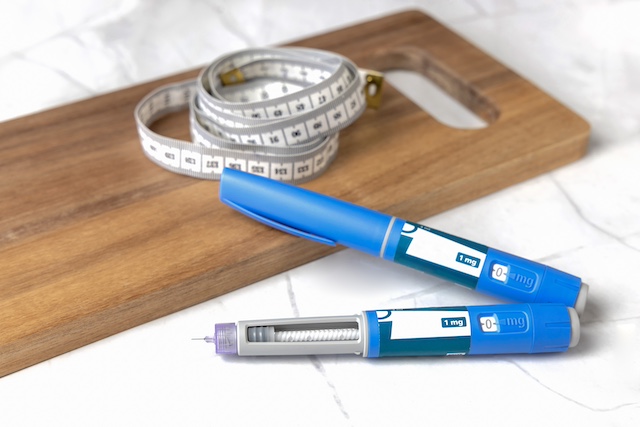
Eli Lilly considers expanding weight-loss drug testing to individuals at risk of weight gain, regardless of BMI
Eli Lilly, the pharmaceutical giant known for its breakthrough weight-loss drugs, is exploring the potential for expanding the use of its medications beyond individuals living with obesity. The company is considering testing its popular drugs on individuals who are not currently overweight but are at risk of future weight gain. This move signals a possible broadening of the use of these medications to include those who fall within the healthy weight range but may face increased risks of certain health conditions related to weight gain.
Dave Ricks, the CEO of Eli Lilly, revealed in an interview with the Financial Times that the company is drafting plans to study the effects of its anti-obesity drugs, Mounjaro and Zepbound, on individuals with a body mass index (BMI) below the overweight category. Traditionally, clinical trials for weight-loss treatments focus on individuals with a BMI of 30 or higher (indicative of obesity), or those with a BMI of 27 and above who also experience weight-related health complications. However, Ricks suggested that this threshold may not be suitable for everyone.
“Maybe the cut-off point of [a BMI of] 27 we use in northern Europe and the US for entry into the studies isn’t appropriate. Maybe we should use [a BMI of] 25. Long term, should we look at health maintenance? Maybe we will,” Ricks stated.
Historically, trials of Eli Lilly’s injectable Zepbound and their experimental weight-loss pill orforglipron have centred around individuals classified as having overweight or obesity. Ricks, however, believes there may be merit in lowering the threshold, particularly in the case of orforglipron, which has demonstrated more moderate weight-loss results compared to injectable options.
Ricks further speculated that the drugs, part of the GLP-1 class of medications, could potentially be offered to individuals with a BMI below 25, which is classified as a healthy weight, but who are concerned about future health risks. He commented: “It’s possible that someone with a BMI of 24.9, who’s saying, ‘I’d like to not get diabetes in my life . . . or vascular dementia,’ or who is at an increased risk of stroke, could benefit from these treatments.”
The company’s interest in expanding the use of its drugs to include those with lower BMIs aligns with its broader strategy to develop the potential market for what is expected to be one of the most lucrative drug classes in history. According to projections by Goldman Sachs, GLP-1 drugs could generate as much as $130 billion annually at their peak. The global need for obesity treatment is significant, with an estimated 890 million adults living with obesity, while an additional 1.6 billion people are classified as overweight.
In addition to lowering the BMI cut-off for broader populations, Ricks highlighted the importance of tailoring these thresholds for specific ethnic groups. He noted, for example, that Pacific Islanders tend to develop type 2 diabetes at lower BMIs than other populations. “We should probably do work, and we are looking at work in those populations where the cut-off we use . . . is probably not appropriate for disease prevention,” he explained.
The extraordinary demand for Zepbound, alongside Novo Nordisk’s Wegovy, has led to both drugs being listed as in shortage by the US Food and Drug Administration (FDA). In response, both companies have invested heavily in expanding their production capabilities to meet the growing need.
Despite the high demand, Eli Lilly has been adamant in its stance against using Zepbound for cosmetic purposes. The company has publicly discouraged wealthy individuals and celebrities who are not overweight from using the drug off-label, arguing that scarce supplies should be prioritised for individuals living with diabetes and obesity who need the medication the most. In a notable move, Eli Lilly aired a primetime commercial during this year’s Academy Awards to emphasise that Zepbound is not intended “for the smaller dress or tux, for a big night, for vanity.”
“We’re not that comfortable with that right now,” Ricks said, referring to the off-label use of the drugs for cosmetic reasons. “Over time, we may develop a better understanding of that from a scientific sense . . . and certainly from a practical sense . . . but right now, I think what we can say is that’s inappropriate, and we have a very clear point of view on that.”
Eli Lilly’s exploration of expanding its trials to include individuals with a lower BMI may indicate a broader future application of weight-loss drugs, as the company continues to examine how best to utilise its treatments to prevent weight-related health conditions in people of all body types.
Read More
Semaglutide shows potential in managing chronic skin condition in people with obesity
A groundbreaking study presented at the European Academy of Dermatology and Venereology (EADV) Congress 2024 has highlighted the promising role of semaglutide in treating hidradenitis suppurativa (HS), a chronic skin condition that frequently affects individuals living with obesity. This research represents the first formal investigation into the use of semaglutide, a glucagon-like peptide-1 receptor agonist (GLP-1RA), for managing HS, marking a significant step forward in the quest for more effective therapies for this debilitating condition.
HS, which is characterised by painful abscesses, inflammation, and scarring, can severely impair quality of life. The condition affects roughly 1 in 100 people, with obesity being a well-established risk factor. While treatments for HS have evolved, many of the available options are associated with significant side effects and do not offer long-term relief, creating an urgent need for better-tolerated alternatives.
Study Overview
The study spanned from June 2020 to March 2023 and examined 30 individuals with obesity (27 women, 3 men, with an average age of 42) who had varying stages of HS. Participants received semaglutide at a mean dose of 0.8mg once weekly over an average period of 8.2 months. Researchers tracked several key health metrics, including body mass index (BMI), weight, HS flare frequency, Dermatology Life Quality Index (DLQI) scores, and pain levels. Additionally, biochemical markers such as C-reactive protein (CRP), glucose, and haemoglobin A1c (HbA1c) were monitored to assess inflammation and glycaemic control.
The results from this study revealed significant improvements across multiple measures.
Significant Reductions in HS Flares and Improvements in Quality of Life
The frequency of HS flare-ups was notably reduced, with the average time between flare episodes increasing from 8.5 weeks to 12 weeks. This reduction in flare-ups contributed to a significant improvement in patients’ overall quality of life. DLQI scores, which measure the impact of dermatological conditions on daily activities, improved from an average of 13/30 to 9/30. One-third of the participants experienced a reduction of four points or more in their DLQI score—an improvement that meets or exceeds the minimally important difference for this index.
Weight Loss and Biochemical Markers
Weight loss was another significant outcome of the study. The average BMI decreased from 43.1 to 41.5, while the average weight dropped from 117.7 kg to 111.6 kg, with one-third of participants losing 10 kg or more during the treatment period. This weight reduction is particularly important given the established link between obesity and the exacerbation of HS symptoms.
In terms of biochemical markers, improvements were also observed. HbA1c levels, which indicate long-term blood sugar control, decreased from 39.3 to 36.6, suggesting better glycaemic regulation. Additionally, CRP levels, a marker of inflammation, fell from an average of 7.8 to 6.9, highlighting a reduction in the inflammatory response associated with HS.
Expert Commentary
Dr Daniel Lyons, the lead researcher from St Vincent’s University Hospital in Dublin, Ireland, remarked on the significance of the findings:
“Our findings suggest that semaglutide, even at modest doses, can offer substantial benefits in managing HS. While the drug’s role in promoting weight loss is well-established, what’s particularly exciting is its potential to also reduce the frequency of HS flare-ups, contributing to the notable improvements observed in patients’ quality of life.”
Dr Lyons further elaborated on the importance of these results, stating:
“The results are highly encouraging and could represent a major breakthrough in HS treatment. To build on this progress, larger randomised controlled trials are necessary to validate these findings. Additionally, future research should explore the impact of higher doses of semaglutide and its effects independently of concomitant medications to fully understand its potential.”
He concluded with a hopeful outlook on future treatment pathways for HS:
“Ultimately, we hope our preliminary data will encourage dermatologists to consider weight loss medication as an adjunct to existing HS treatments and inspire further research in this area aimed at improving outcomes for people living with this challenging condition.”
Conclusion
This pioneering study brings renewed hope to people living with HS, a condition that has long been difficult to manage effectively. Semaglutide’s demonstrated ability to improve both skin-related and metabolic outcomes offers a promising new avenue for treatment, especially for those with obesity who are disproportionately affected by this condition. Further research will be vital to confirm these findings and to optimise dosing strategies, but this initial data suggests that semaglutide may have a transformative role in the future of HS care.
Read More
Economic and health burdens of obesity far surpass costs of weight-loss medications, report finds
The rising healthcare expenditures and productivity losses attributed to the global obesity crisis significantly outweigh the cost of newly developed weight-loss medications, according to a recent report. The report also urges governments to prioritise obesity prevention by promoting healthier dietary choices and increased physical activity.
In several countries, including the UK, Germany, and the Netherlands, there is a clear economic argument for the use of these medications. The report reveals that the annual cost of the diabetes medication Ozempic, which is also prescribed for weight management, is considerably lower than the cost of additional healthcare required by individuals living with obesity. Though the cost of Wegovy, another weight-loss medication, is higher, it remains insignificant when compared to the overall societal and economic impact of obesity, as per research conducted by ING Bank and shared with The Guardian.
Both Ozempic and Wegovy are produced by Danish pharmaceutical company Novo Nordisk and have seen remarkable success. They are joined by other weight-loss drugs such as Zepbound and Mounjaro, developed by US-based pharmaceutical company Eli Lilly. These medications are administered via weekly injections and mimic the effects of a gut hormone known as GLP-1, which increases feelings of satiety, thereby promoting weight loss. Additionally, recent studies have demonstrated other health benefits beyond weight reduction.
Obesity rates have soared globally over recent decades, and today, there are more individuals classified as overweight than undernourished worldwide. The new class of GLP-1 medications may help counteract this trend. However, concerns persist regarding the long-term efficacy of these treatments, as well as their considerable cost, particularly in the case of Wegovy.
Obesity is associated with numerous serious health conditions, including cardiovascular disease, joint problems, and diabetes, all of which require costly medical interventions.
According to ING healthcare analyst Diederik Stadig, the overall cost of obesity in the UK amounts to £100 billion annually, with £19 billion of that sum being absorbed by the NHS. On an individual level, healthcare costs related to obesity amount to roughly €1,700 (£1,400) per person each year in the UK, compared with €2,400 in Germany, €2,300 in the Netherlands, and €2,500 in the United States.
In contrast, the annual cost of Ozempic for weight management in the UK is £830, while Wegovy costs £2,760. This compares with €1,100 for Ozempic in both Germany and the Netherlands, and a significantly higher €10,100 in the US. The cost of a year’s supply of Wegovy is €3,500 in Germany, €3,200 in the Netherlands, and a striking €14,500 in the US. The United States generally pays higher prices for pharmaceuticals.
The report’s analysis is based on the list prices of these drugs, which are often higher than the actual amounts paid.
Healthcare expenses represent approximately a quarter of the total economic cost of obesity, which also includes losses in productivity and personal expenses incurred by individuals living with obesity. These personal costs can involve additional transportation needs, specialised clothing, and home adaptations, Stadig explained.
“If the drugs are effective long term and help people lead healthier lives, there will be less productivity loss, fewer personal costs, and an improved quality of life. If you can address obesity for a significant number of individuals, it could not only alleviate much of their discomfort but also result in considerable savings for society,” Stadig stated.
Recent research conducted by the Institute for Advanced Studies in Vienna, which examined 26 European countries, found that people living with obesity are up to twice as likely to require time off work.
“Obesity can lead to more than 80 different illnesses, ranging from depression to heart attacks,” said Thomas Czypionka, head of the health economics and health policy research group at the institute. “Individuals affected by obesity tend to take more sick days. With labour shortages across Europe, this presents a serious problem for economies.”
Czypionka anticipates that the cost of obesity medications will decrease in the coming years as more products enter the market. However, in the meantime, he believes that governments will need to focus on providing these treatments to those individuals most at risk.
Stadig warned, however, that the long-term effects of the drugs remain uncertain. A study found that when individuals stopped taking semaglutide—the active ingredient in both Ozempic and Wegovy—they regained two-thirds of the weight they had lost within a year. Additionally, the drugs are associated with side effects, including nausea and stomach pain, which often lead individuals to discontinue their use.
Although medical professionals typically prescribe these weight-loss drugs alongside a programme of diet and exercise, Stadig emphasises that more needs to be done at a governmental level to tackle the obesity crisis. He suggested that taxation could be used as a tool to promote healthier eating habits, such as by eliminating or significantly reducing VAT on vegetables while imposing higher taxes on fast food.
Public figures have increasingly opened up about their experiences with semaglutide. Australian actor Rebel Wilson, who shed six stone through diet and exercise, disclosed that she briefly used Ozempic to help maintain her weight. Similarly, British broadcaster and actor Stephen Fry shared that the drug caused him to vomit up to five times a day. In contrast, TV personality Sharon Osbourne revealed in February that she had lost three stone over four months by self-administering Ozempic, but now finds it challenging to regain weight.
As obesity continues to impose significant costs on both individuals and society, the use of GLP-1 medications offers a promising, though expensive, tool to mitigate the burden. Governments must weigh the long-term implications of these treatments against the urgent need to address obesity and its associated economic and health challenges.
Read More
Obesity medication liraglutide proven safe and effective in children under 12, research claims
A ground-breaking study has confirmed that liraglutide, a medication used to treat obesity, is both safe and effective in children aged 6 to under 12 years. The research, presented at the annual meeting of the European Association for the Study of Diabetes (EASD) in Madrid, Spain (9-13 September), and simultaneously published in the New England Journal of Medicine (NEJM), provides a promising new option for the treatment of paediatric obesity.
The findings demonstrate that children within this age group who were administered liraglutide for just over a year experienced a 7.4% reduction in Body Mass Index (BMI) compared to those given a placebo. Furthermore, these children showed improvements in blood pressure and blood glucose regulation.
The SCALE Kids trial, which is the first clinical study to investigate the safety and efficacy of liraglutide in a paediatric population, offers a glimmer of hope for children living with obesity. According to the researchers, this new development may enable these young individuals to lead healthier, more productive lives.
Professor Claudia Fox, the lead author of the study and an expert in Paediatric Obesity Medicine at the University of Minnesota Medical School in Minneapolis, USA, remarked: “Obesity is the most common chronic disease in childhood. Left untreated, it almost universally persists into adulthood, leading to significant health problems such as diabetes, cardiovascular disease, and in some cases, premature death. Early intervention is therefore critical.”
She continued by highlighting the limited treatment options currently available: “At present, effective treatments are scarce. The primary approach to addressing obesity remains lifestyle therapy, focusing on diet and physical activity changes. However, when used alone, the effects are often modest, and no medication is currently approved for treating general obesity in children younger than 12.”
Liraglutide, already approved as an adjunct to lifestyle therapy in adults and adolescents with obesity, was the focus of this study to assess its safety and efficacy for younger children. Liraglutide is a glucagon-like peptide-1 (GLP-1) receptor agonist that mimics a naturally occurring hormone. By stimulating the GLP-1 receptor, liraglutide reduces appetite, slows the emptying of the stomach, and promotes feelings of fullness after eating. This medication is administered via daily injections.
The phase 3 study, funded by Novo Nordisk, the pharmaceutical company that manufactures liraglutide, involved 82 children (53.7% of whom were male) aged 6 to under 12 years. At the start of the trial, the average age of the participants was 10 years, their average BMI was 31.0 kg/m², and their average body weight was 70.2 kg (11 stone 1 pound). Over half (54.9%) of the participants were living with at least one obesity-related complication, such as insulin resistance or early onset puberty.
The study divided participants into two groups: 56 children received daily injections of liraglutide (up to 3 mg or the maximum tolerated dose), while 26 children were given weekly placebo injections over a period of 56 weeks. Importantly, all participants received individualised counselling at every visit to encourage adherence to a healthy diet and regular physical activity, with the goal of achieving 60 minutes of moderate to high-intensity exercise each day.
At the conclusion of the treatment period, the average BMI reduction was 5.8% for the liraglutide group, compared to a 1.6% increase in BMI in the placebo group, amounting to a 7.4% difference between the two groups. Similarly, the mean change in body weight was a 1.6% increase for those taking liraglutide and a 10% increase for those on the placebo, revealing an 8.4% difference in body weight change between the two groups.
Furthermore, nearly half (46.2%) of the children receiving liraglutide experienced at least a 5% reduction in BMI, compared to only 8.7% of those in the placebo group. Professor Fox and her team emphasised that since children of this age are continually growing, an increase in body weight over the course of a year would be expected. Therefore, BMI, which accounts for height as well as weight, provides a more informative measure of change.
Professor Fox stated: “Although there is no universally agreed-upon definition of a clinically meaningful reduction in BMI for children, a 5% reduction has been linked with improvements in certain obesity-related health conditions. In our study, we observed that diastolic blood pressure and haemoglobin A1c (HbA1c), which is a measure of blood sugar control, improved more significantly in children who were treated with liraglutide compared to those receiving the placebo.”
Both groups experienced side effects, with 89.3% of the liraglutide group and 88.5% of the placebo group reporting at least one side effect. Gastrointestinal side effects, such as nausea, vomiting, and diarrhoea, were the most common and affected 80.4% of children receiving liraglutide, compared to 53.8% of those receiving the placebo.
Serious side effects were reported by 12.5% of children in the liraglutide group and 7.7% in the placebo group. Four of the seven serious adverse events in the liraglutide group were gastrointestinal in nature. A small proportion (10.7%) of children in the liraglutide group discontinued the treatment due to side effects, whereas no participants in the placebo group withdrew for this reason. The side effects observed align with those previously documented in adolescents and adults using liraglutide.
It was noted that BMI and body weight increased in both groups after the treatment was discontinued, highlighting the need for sustained intervention.
In conclusion, the study found that liraglutide at a 3.0 mg dose resulted in a significantly greater reduction in BMI compared to placebo in children aged 6 to under 12 years living with obesity. The medication was generally well-tolerated, and no new safety concerns were identified.
Professor Fox highlighted the significance of the findings: “The results of this study offer substantial promise for children living with obesity. Up until now, children have had virtually no options to treat obesity and were often simply told to ‘try harder’ with diet and exercise. Now, with the possibility of a medication that targets the underlying physiology of obesity, there is renewed hope that children can lead healthier, more productive lives.”
This study marks a critical step forward in the treatment of paediatric obesity and provides a potential new path for children who previously had limited options.
Read More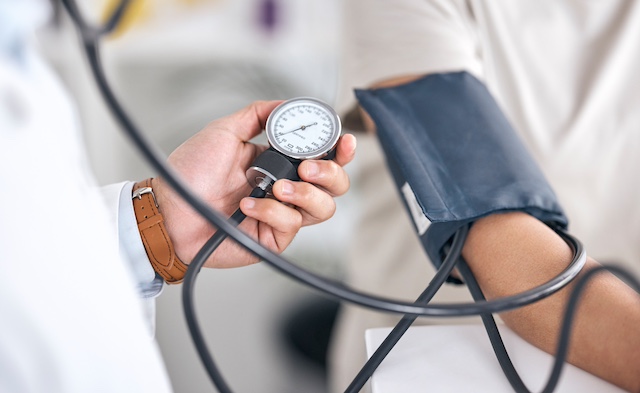
Weight-loss surgery proves superior to medication in managing hypertension among individuals with obesity
Individuals living with obesity who underwent weight-loss surgery demonstrated better control over their high blood pressure over a one- to five-year follow-up period when compared to those managing their hypertension through medications and lifestyle changes, according to preliminary research. This data is set to be presented at the American Heart Association’s Hypertension Scientific Sessions 2024, held in Chicago from September 5-8, 2024. This premier scientific conference focuses on the latest advances in research surrounding high blood pressure, as well as its connections to heart and kidney disease, stroke, obesity, and genetics.
The study, which conducted a combined analysis of data from 18 randomised controlled trials, involving over 1,300 participants, confirms earlier findings that weight-loss surgery can be a more effective solution than medications for managing hypertension in individuals with obesity.
“Our findings indicate that bariatric surgery is a durable solution for obesity-related hypertension as it not only leads to blood pressure remission or long-term control but also reduces dependence on antihypertensive medications. Additionally, by improving blood pressure control, bariatric surgery reduces the risk of cardiovascular disease and enhances overall heart health,” stated Dr. Sneha Annie Sebastian, lead author of the study, a researcher, and a graduate of Azeezia Medical College in Kerala, India. Dr. Sebastian is currently pursuing her residency in Alberta, Canada.
How Bariatric Surgery Works
Bariatric surgery helps individuals reduce excess weight by decreasing the size of the stomach, resulting in a sense of fullness after eating less food. Some procedures also alter the structure of the digestive system, leading to fewer nutrients and calories being absorbed by the body. According to the 2022 guidelines from the American Society for Metabolic and Bariatric Surgery and the International Federation for the Surgery of Obesity and Metabolic Disorders, bariatric surgery is recommended for individuals with a body mass index (BMI) of 35 kg/m² or higher, regardless of the presence or severity of other medical conditions.
Study Findings: Bariatric Surgery and Blood Pressure Control
This new analysis involved data from 18 randomised controlled trials conducted in various countries. Over 1,300 individuals with obesity and high blood pressure were randomly assigned to either undergo bariatric surgery or follow non-surgical interventions such as medication and lifestyle adjustments. Following an average follow-up of one to five years, the researchers discovered that, in comparison to the control group, those who had weight-loss surgery:
- Were 2.77 times more likely to lower their blood pressure to below 140/90 mm Hg—referred to as blood pressure remission—without the need for antihypertensive medication.
- Were 7.1 times more likely to achieve blood pressure control of less than 130/80 mm Hg, while significantly reducing their dependence on antihypertensive medication.
- On average, they lowered their systolic blood pressure (the top number) by 3.67 mm Hg compared to those in the medication and lifestyle management group.
“Bariatric surgery is an effective solution for managing obesity-related hypertension. However, future research should concentrate on conducting large-scale randomised controlled trials with long-term follow-up, particularly focused on hypertension outcomes, as many current studies primarily examine diabetes outcomes. Furthermore, it is vital to assess the effectiveness and cost-efficiency of different bariatric procedures to identify the best candidates for each type of surgery,” added Dr. Sebastian.
Study Design and Limitations
The analysis included 18 studies with a total of 1,386 participants, all over the age of 18, who were living with obesity (average BMI of 38 kg/m²). Among them, 62.7% identified as women, and 37.3% identified as men. These studies were conducted between December 2002 and May 2024.
The participants in the bariatric surgery group underwent various types of weight-loss surgeries, with the most common being Roux-en-Y gastric bypass and sleeve gastrectomy. The control group consisted of individuals with similar obesity and high blood pressure profiles who were treated with medication and lifestyle interventions.
Data from a subgroup of five studies were specifically analysed to evaluate hypertension remission and medication usage. Four of these studies listed hypertension as the primary outcome. At the start of these studies, participants were on maximal doses of at least two blood pressure-lowering medications.
Despite the promising results, the analysis had several limitations. Differences in participant characteristics, surgical techniques, how obesity was diagnosed, and follow-up lengths among the trials may affect the generalisability of the findings. Additionally, many studies included small participant groups, and only four out of the 18 studies focused primarily on hypertension as the outcome.
“These findings highlight the profound impact that weight loss can have on blood pressure management. Bariatric surgery consistently resulted in better blood pressure control in individuals with obesity. However, there is a significant lack of data focused on surgical weight loss and hypertension remission as a primary outcome,” said Dr. Michael E. Hall, chair of the writing group for the American Heart Association’s 2021 scientific statement on weight-loss strategies for the prevention and treatment of hypertension. Dr. Hall is also the chair of the department of medicine at the University of Mississippi Medical Center in Jackson, Mississippi.
Dr. Hall further commented on the necessity of more research comparing bariatric surgery with newer weight-loss medications. “Given the effectiveness of newer weight-loss medications and their beneficial effects on cardiometabolic conditions, such as hypertension, randomised clinical studies comparing bariatric surgery to these medications are needed. This will help determine which individuals are better suited for a specific weight-loss strategy. Overall, bariatric surgery remains a highly effective and long-lasting treatment option for managing hypertension related to obesity,” he concluded.
Conclusion
This research reinforces the role of bariatric surgery as a superior method for managing hypertension in individuals living with obesity, especially compared to medication-based approaches. The study highlights the surgery’s ability to lead to blood pressure remission, reduce reliance on antihypertensive drugs, and ultimately improve heart health outcomes. However, further research is necessary to fine-tune these findings, particularly by evaluating different surgical procedures and comparing them with emerging non-surgical interventions.
Read More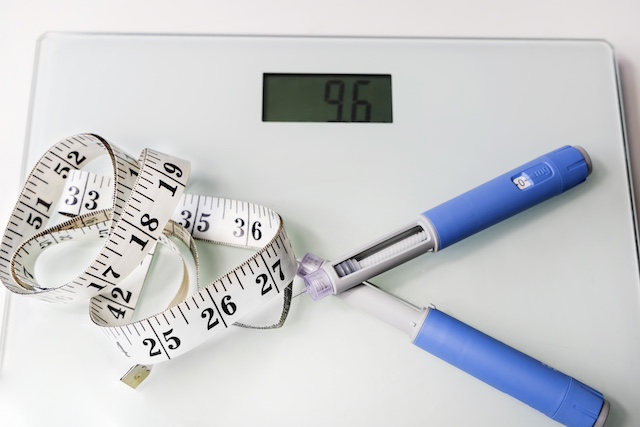
Tirzepatide proves more effective than insulin in diabetes and weight management in clinical trails
A recent meta-analysis involving over 4,300 participants has revealed that the once-weekly administration of tirzepatide, a novel treatment for type 2 diabetes (T2D), significantly reduces blood sugar levels, body weight, and cardiovascular risks more effectively than daily insulin. This breakthrough could mark a paradigm shift in the management of T2D, offering a more potent and efficient therapeutic option.
Research Overview
Published in the International Journal of Obesity, the meta-analysis assessed the efficacy and safety of tirzepatide, a new anti-diabetic and anti-obesity drug, in comparison to traditional long-acting and ultra-long-acting insulin therapies. This comprehensive evaluation was based on data extracted from the SURPASS-3, SURPASS-4, and SURPASS-AP-Combo randomised clinical trials, encompassing a total of 4,339 individuals and ten biochemical assessments.
The study’s findings suggest that tirzepatide not only meets but surpasses the efficacy and safety profile of conventional insulin treatments. This positions the drug as a potentially revolutionary alternative to current non-surgical interventions for managing type 2 diabetes.
Background on Type 2 Diabetes
Type 2 diabetes is a prevalent chronic condition characterised by elevated blood glucose levels, primarily due to insulin resistance. According to the International Diabetes Federation (IDF), approximately 10.5% of adults aged 20 to 79 are affected by diabetes, with type 2 diabetes being the most common form. This condition is closely linked to a range of serious comorbidities, including cardiovascular diseases (CVDs), certain cancers, and obesity.
The global burden of type 2 diabetes is increasing at an alarming rate. From 1990 to 2019, the prevalence of T2D surged by 27.4%, with mortality rates climbing by 47%. These trends underscore the urgent need for effective therapeutic interventions that can mitigate the risk factors associated with this disease. Research indicates that elevated body mass indices (BMIs) are the most significant contributors to T2D risk, making weight management a crucial focus in T2D treatment strategies.
However, many non-surgical interventions provide only short-term relief for individuals living with T2D, and the risk of adverse side effects remains high with current pharmacological treatments. This highlights the necessity for developing and validating new treatments that offer high efficacy with minimal risk. Tirzepatide is one such promising drug, with its dual agonist properties—targeting both glucagon-like peptides (GLP1s) and gastric inhibitory polypeptides (GIPs)—showing potential for unprecedented efficacy and sustained weight loss in preliminary trials.
Despite its promising profile, the long-term safety of tirzepatide in vivo remains to be fully validated. Establishing its effectiveness compared to conventional insulin therapies could facilitate its broader adoption, potentially revolutionising T2D treatment on a global scale.
Study Methodology
The present study employed a rigorous meta-analytic approach to compare the safety and efficacy of tirzepatide against conventional once-weekly insulin therapies in managing type 2 diabetes. Data for the meta-analysis were sourced from four major scientific repositories: PubMed, Scopus, Web of Science, and Google Scholar. The included studies specifically evaluated tirzepatide’s performance against insulin across various outcomes, including body weight, fasting glucose, haemoglobin A1c (HbA1c), blood sugar (BS), blood pressure (BP), triglycerides, and cholesterol (both total and lipoprotein fractions).
The study incorporated a detailed data extraction process, covering study characteristics, population demographics, intervention specifics, and outcome measures (both safety and performance). All extracted data were standardised before being subjected to meta-analysis.
To statistically compare the performance of insulin and tirzepatide, the researchers calculated the mean change, standard deviation (SD) change, odds ratios (ORs), and relative risks (RRs) for each outcome. Between-study heterogeneity was assessed using I2 statistics, and the risk of bias was evaluated with the Cochrane risk of bias tool.
Key Findings
Out of 705 publications initially identified, only three studies—SURPASS-3, SURPASS-4, and SURPASS-AP-Combo—met the stringent inclusion and exclusion criteria. These studies involved 4,339 participants, with 1,580 in the insulin cohort and 2,759 in the tirzepatide cohort.
“All included studies were multi-centre, randomised, open-label, parallel-group phase 3 clinical trials conducted in several countries. Three doses of tirzepatide (5 mg, 10 mg, and 15 mg) were used in all studies. Patients with type 2 diabetes aged 18 years or older were included in all studies.”
The analysis revealed that while selection, reporting, and attrition biases were low across the included studies, detection and performance biases were high due to the open-label design of the SURPASS trials. Despite these limitations, the meta-analysis demonstrated that tirzepatide (at doses of 5 mg, 10 mg, and 15 mg) significantly outperformed both long-acting and ultra-long-acting insulin therapies. Specifically, tirzepatide was associated with an average weight reduction of 10.61 kg, a decrease in systolic blood pressure by 6.47 mmHg, and a reduction in diastolic blood pressure by 2.3 mmHg. Additionally, there was a slight increase in pulse rate by 1.93 beats per minute (bpm).
Furthermore, tirzepatide significantly improved lipid profiles, including a reduction in triglycerides by 14.49% and decreases in total cholesterol (4.78%), LDL cholesterol (5.98%), and very low-density lipoprotein (VLDL) cholesterol (14.18%). These efficacy improvements were dose-dependent, with higher doses (10 mg and 15 mg) yielding greater benefits. The side effects associated with tirzepatide were found to be comparable to or lower than those observed with equivalent insulin doses.
“All in all, these findings suggest that, unlike long-acting insulin, tirzepatide maintains BS levels in a narrow and near-normal range and prevents fluctuations in BS levels. For example, analysis of data from the SURPASS-3 trial by Viljoen et al. revealed that the median time to first achieve the HbA1c of 7.0% was 8.1 weeks for each dose of tirzepatide compared with 12.1 weeks for insulin degludec, suggesting an accelerated treatment response to Tirzepatide.”
Conclusions
This meta-analysis underscores the superior safety and efficacy profile of tirzepatide compared to conventional long-acting and ultra-long-acting insulin therapies. The results indicate that tirzepatide achieves near-normal HbA1c levels in a significantly shorter time frame than insulin (8.1 weeks versus 12.1 weeks). Additionally, tirzepatide outperformed traditional pharmacological interventions across all ten evaluated metrics. While higher doses of tirzepatide were associated with a slightly increased risk of hypoglycaemia and nausea, these side effects were still comparable to or lower than those associated with insulin treatments.
Collectively, these findings suggest that tirzepatide could serve as a superior alternative to insulin, offering a more effective and potentially safer option for managing type 2 diabetes. As this drug becomes more widely adopted, it could transform the global landscape of diabetes treatment, offering new hope to millions of individuals living with this chronic condition.
Read More
US patients typically stop using Wegovy after six months, Novo Nordisk reveals
Patients in the United States are typically discontinuing their use of Novo Nordisk’s weight-loss medication Wegovy after approximately six months, according to an executive’s statement on Wednesday, 7th of July, 2024. Doug Langa, who oversees Novo’s operations in North America, disclosed this during a discussion with analysts following the pharmaceutical company’s decision to lower its annual profit forecasts, driven by Wegovy’s sales falling below expectations.
This revelation about the duration of Wegovy use contrasts sharply with statements from March at Novo’s capital markets day, where it was noted that 32% of users in the US continued the treatment for over a year. Langa highlighted the significant discrepancy in the anticipated versus actual usage times of this in-demand weight-loss therapy amidst ongoing discussions about its affordability for individuals, employers, and public health services.
Last month, a report by Reuters using data from US pharmacy claims indicated a decline in patient adherence over the long term: only one in four patients prescribed Wegovy or Ozempic for weight management were still on the medication two years later.
When queried about these figures in a post-earnings release interview with Reuters, Novo Nordisk’s Chief Financial Officer, Karsten Munk Knudsen, acknowledged the variability in patient commitment to the treatment. “Yes, there are some patients who are on and off, but there are also a lot of patients that stay on therapy for a long period of time,” he explained. Knudsen expressed optimism regarding the adherence data from the US and other countries, including Denmark, suggesting a nuanced picture of patient engagement with the therapy.
Novo Nordisk has introduced Wegovy in 12 markets globally, with the United States emerging as the most significant and profitable among them. The brief duration of treatment in the US, however, raises questions about the long-term viability and impact of this medication on Novo Nordisk’s financial performance and on the broader public health agenda.
Read More
Challenges in accessing NHS prescribed Wegovy highlight gaps in the UK’s weight management services
In the UK, the rollout of the weight-loss drug Wegovy by the National Health Service (NHS) has been significantly less widespread than anticipated. Since its introduction, Wegovy has been prescribed approximately 3,300 times, a figure starkly lower than the 13,500 prescriptions projected by the National Institute of Health and Care Excellence (Nice) for the drug’s first year. This shortfall is attributed to a combination of factors, including an international shortage of the drug and a domestic scarcity of specialised weight management clinics required for its distribution.
The Financial Times, analysing NHS England data, notes that this slow uptake occurs amidst escalating demand, especially after recent endorsements from the Medicines and Healthcare products Regulatory Agency (MHRA). The MHRA has expanded Wegovy’s use not only for weight reduction but also as a preventative treatment against severe heart conditions and strokes in adults with overweight and obesity.
Compounding the issue, the NHS faces a shortage of the drug due to global supply constraints, which has led to a prioritisation of Ozempic—another drug by the same manufacturer, Novo Nordisk, intended for type-2 diabetes but containing the same active ingredient, semaglutide. This decision reflects the broader challenges in managing pharmaceutical supplies amidst varying clinical demands.
The limited availability of “tier 3” specialist weight management services, which provide comprehensive support including counselling, physiotherapy, and dietary advice, further hinders access. These services are crucial as they replicate the conditions of the clinical trials conducted by Novo Nordisk, yet there are barely over 20 such clinics across the UK, some with extensive waiting lists.
Nerys Astbury, a professor at Oxford University specialising in diet and obesity, highlighted the inconsistency in the availability of these services. “The provision of tier 3 weight management services is very patchy across the country. Some areas are well-serviced, whilst others lack these services entirely, or face significant delays,” she explained. This disparity has led some individuals to pursue private treatment, which is not a viable option for everyone due to the high costs—up to £299 for a month’s supply at commercial pharmacies like Boots.
Despite these obstacles, NHS prescriptions of Wegovy have been on a gradual rise, reaching about 770 by April from its UK approval in September of the previous year. Looking forward, projections indicate that by 2027, nearly 4 million Britons could qualify for semaglutide treatment under NHS guidelines, with expectations that almost 50,000 will receive it annually.
However, the Department of Health and Social Care has warned that drugs in the GLP-1 category, which includes Wegovy, may continue to face shortages until at least the end of 2024. In response, Novo Nordisk has prioritised maintaining a stable supply of Ozempic for diabetes patients over Wegovy, reflecting a strategic decision to meet critical healthcare needs first.
Despite these prioritisation efforts, the future of weight management drugs like Wegovy and the newly mentioned Mounjaro from Eli Lilly, which might soon be prescribed without the need for tier 3 services, points towards a potential shift in how obesity treatments are administered in the UK. Professor Astbury remains cautiously optimistic about these developments, yet she underscores the necessity for readiness in service provision: “It’s promising that access might improve, but we must ensure that the healthcare settings are prepared to support patients effectively.”
In summary, while Wegovy offers significant potential in combating obesity and related health issues, its effective deployment within the NHS is hampered by systemic issues in drug supply and specialised service availability. These challenges highlight the need for strategic improvements in healthcare logistics and infrastructure to better serve the population’s needs.
Read More
Britain’s drug regulator approves Novo Nordisk’s weight loss drug Wegovy to cut heart disease risk in patients with obesity
On Tuesday, the 23rd of July, 2024, the United Kingdom’s Medicines and Healthcare products Regulatory Agency (MHRA) granted approval for an additional use of Novo Nordisk drug, semaglutide (marketed as Wegovy), targeting the reduction of cardiovascular risks in adults with overweight and obesity.
Originally sanctioned for obesity treatment and weight management in conjunction with dietary, physical, and behavioural interventions, semaglutide, a GLP-1 receptor agonist, has now emerged as the pioneering prescription weight loss medication to thwart cardiovascular incidents. This includes the prevention of cardiovascular death, non-fatal myocardial infarction, and non-fatal stroke in individuals possessing a Body Mass Index (BMI) of at least 27 kg/m2 who already suffer from established cardiovascular disorders.
The endorsement by MHRA is supported by recent data derived from a post-approval clinical trial, indicating that a weekly subcutaneous injection of semaglutide (2.4 mg) over a span of up to five years considerably diminishes the occurrence of major adverse cardiovascular events (MACE) when compared to a placebo.
In a significant international study, which randomly allocated more than 17,600 participants to either receive Wegovy or a placebo, the treatment with Wegovy was observed to reduce the risk of major adverse cardiovascular events by 20%. These events transpired in only 6.5% of the Wegovy group, as opposed to 8% among those who received the placebo.
Recent research underscores the efficacy of semaglutide in augmenting the life quality of individuals with cardiovascular diseases by substantially lowering the risk of severe cardiac episodes.
Furthermore, in a strategic expansion move, Novo Nordisk procured a 200-acre plot earlier this month in Odense, Denmark’s third-largest city. The company has initiated preliminary excavation activities at this site, potentially setting the stage for a new manufacturing facility.
The surge in demand has propelled the pharmaceutical giant to invest billions in amplifying its production capacities in both Denmark and the United States. While the specific purpose of the new site in Odense remains to be officially confirmed, a report by Reuters in January highlighted that the site might accommodate facilities crucial for the fill-finish process involved in injection pen manufacturing.
A company statement released to Reuters mentioned, “With the political processes and approvals in place, we are pleased to announce that Novo Nordisk is now the owner of the site in Tietgenbyen in Odense.”
The company further indicated that the decision-making process regarding the precise use of the new site would conclude by the end of the year, post-internal approvals. The environmental report sheds light on future plans, which include establishing a packaging facility by 2026 and a factory for moulding plastic components necessary for pen and possibly tablet production by 2030.
Read More
Roche highlights promising results from early obesity drug trial
Swiss pharmaceutical giant Roche has announced encouraging outcomes from an early-stage trial for its new obesity drug candidate, CT-996. This development emerges from its acquisition of Carmot Therapeutics. On Wednesday, 17th of July, 2024, Roche revealed that CT-996, a once-daily oral medication, demonstrated a significant placebo-adjusted average weight loss of 6.1% over a span of four weeks among patients with obesity who do not have diabetes.
The positive trial results, reported during a Phase I study, have notably propelled Roche’s stock up by 6.1% to a one-year peak at 1025 GMT. This surge mirrors the market’s response to earlier favourable results from another Carmot drug, underlining Roche’s burgeoning presence in the competitive obesity treatment landscape.
Currently, Roche is positioning itself against established players like Novo Nordisk and Eli Lilly, whose injectable weight-loss therapies are witnessing soaring demand. Forecasts for the market of such obesity treatments are expected to potentially reach $150 billion by the early 2030s.
Roche’s CT-996, appealing particularly to those who prefer pills over injections, has been well-received with primarily mild or moderate gastrointestinal side effects, comparable to those associated with other drugs in the weight-loss category.
Despite the promising data, Roche is navigating a rapidly evolving and crowded sector, aiming to develop oral formulations that effectively match the efficacy of the more prevalent weekly injections. Other companies, including Structure Therapeutics and Pfizer, are also making significant headway in this space. Structure Therapeutics reported a 6.2% weight loss after 12 weeks in a Phase II trial, while Pfizer recently outlined plans for trials of its revamped daily pill. Additionally, Viking Therapeutics showed a 3.3% weight loss at the four-week mark with its pill.
Manu Chakravarthy, Head of Metabolic Drug Development at Roche, commented on the challenges and potentials within the industry, noting the inherent unpredictability of side effects with small-molecule chemical compounds compared to the established peptide-based obesity drugs. “Having worked with many small molecules for most of my life, I can say it’s never over until it’s over. It’s a very different beast from an injectable formulation,” Chakravarthy stated.
Looking forward, Roche plans to advance CT-996 into Phase II clinical trials next year. Meanwhile, another Carmot-derived drug, CT-388, which is a self-administered once-weekly injection similar to the leading products from Novo and Lilly, also showed success in its Phase I trial in May.
In a strategic move to strengthen its position in the market, Roche acquired Carmot Therapeutics in December for $2.7 billion, signalling its commitment to expanding its portfolio in the obesity drug arena and challenging the dominance of Novo and Lilly in this field.
Read More
Concerns arise over rare eye condition linked to popular weight loss injections
Recent research indicates that individuals utilising semaglutide injections, commonly used for weight management and type 2 diabetes, have a quadrupled risk of developing a severe eye disorder compared to non-users. The medications in question, Ozempic and Wegovy, have been associated with an elevated risk of non-arteritic anterior ischemic optic neuropathy (NAION), a rare but potentially harmful eye condition.
Despite the concerning findings, the researchers involved have clarified that the overall incidence of the condition among users remains low, and definitive evidence that semaglutide is the direct cause of NAION is still lacking.
Produced by pharmaceutical giant Novo Nordisk, Wegovy is designed to promote significant weight loss. Clinical trials have shown that some individuals experience a reduction in body weight exceeding 10% after using the medication.
The popularity of these weight loss injections has surged recently, fueled in part by celebrity endorsements and public testimonials about their effectiveness in achieving rapid weight loss.
However, a rise in the unregulated online purchase of semaglutide injections has alarmed health professionals. The absence of proper checks on these internet-sourced medications raises serious concerns about their safety.
Further worries have been voiced over the misuse of semaglutide, with indications that the drug is increasingly being used for cosmetic weight loss, particularly to achieve a ‘beach-body’.
The common side effects associated with semaglutide include stomach pain, nausea, constipation, diarrhoea, and vomiting. Additionally, both Ozempic and Wegovy have been linked to potentially serious changes in vision, according to the latest studies.
NAION, which affects up to 10 in every 100,000 people, leads to vision loss due to diminished blood flow to the optic nerve and currently lacks an effective treatment.
Dr Joseph Rizzo, a leading researcher in the study, stated, “Our findings should be viewed as being significant but tentative, as future studies are needed to examine these questions in a much larger and more diverse population.”
A Novo Nordisk spokesperson responded to the findings by noting that NAION is not recognised as a known adverse drug reaction in the marketed formulations of semaglutide, which include Ozempic, Rybelsus, and Wegovy. They highlighted that semaglutide has been thoroughly examined in extensive real-world evidence studies and robust clinical development programmes.
Professor Graham McGeown from Queen’s University Belfast commented on the issue, emphasising the need for additional research given the sharp rise in semaglutide usage and its potential approval for uses beyond obesity and type 2 diabetes. “This issue deserves further study – but possible drug side-effects always need to be balanced against likely benefits,” he said.
Read More
Ozempic and other GLP-1 drugs show promise in reducing obesity-related cancer risks
In a significant medical discovery, a class of diabetes medications, including the widely-used drug Ozempic, has been linked to a decreased risk of numerous obesity-associated cancers. This revelation was detailed in a study published in the Journal of the American Medical Association (JAMA) on Friday, 5th of July, 2024.
The research meticulously analysed the health outcomes of Type 2 diabetes patients from 2005 to 2018, focusing on those treated with insulin compared to those administered GLP-1 agonists, such as Ozempic. The findings indicated a notable reduction in the risk of developing 10 out of 13 types of cancer examined in the study. The cancers showing decreased risk include those of the kidney, pancreas, oesophagus, ovaries, liver, and colorectum.
However, the study observed no substantial reduction in the risk of thyroid cancer and breast cancer among postmenopausal women. These findings underscore the complex relationship between metabolic disorders and cancer risks.
“Obesity is well known to be associated with at least 13 cancer types,” stated Rong Xu, the study’s lead author, in an email correspondence with AFP. Xu further commented, “Our study provides evidence that GLP-1RAs hold promise in breaking the link between obesity and cancer.”
The research not only highlights the efficacy of GLP-1 receptor agonists (GLP-1RAs) in managing diabetes but also their potential role in cancer prevention. The study encompassed several drugs within this category, including semaglutide, marketed as Ozempic, and liraglutide, among others, with Ozempic receiving approval in the United States in 2017.
GLP-1 agonists have been utilised for approximately two decades; however, a new generation of these drugs, including Ozempic, has gained popularity for their enhanced effects on weight loss.
The protective benefits observed might influence healthcare providers to favour GLP-1 treatments over other therapeutic options such as insulin for diabetes patients, as suggested by Xu. This shift could represent a pivotal evolution in the management of diabetes and its associated cancer risks, marking a significant stride forward in integrative disease prevention strategies.
Read More