

Novo Nordisk’s Oral Semaglutide Shows Cardiovascular Benefits Comparable to Wegovy Injection
Key Takeaways:
- Novo Nordisk’s new oral semaglutide 25 mg pill improved blood glucose control and reduced cardiovascular risk factors, matching the effects of its injectable counterpart, Wegovy.
- Data from the OASIS 4 trial showed significant weight loss and normalisation of blood glucose in people with prediabetes.
- The company expects U.S. regulatory approval for the first oral GLP-1 treatment for weight management by the end of 2025.
Oral GLP-1 pill shows comparable benefits to injection
Novo Nordisk has presented new findings suggesting that its experimental oral obesity medication delivers cardiovascular and metabolic benefits similar to those achieved with its blockbuster injectable, Wegovy. The results were shared at the ObesityWeek 2025 conference in Atlanta and strengthen the Danish company’s case for approval of the pill in the United States later this year.
The oral semaglutide 25 mg tablet, part of the company’s glucagon-like peptide-1 receptor agonist (GLP-1RA) portfolio, was shown to improve blood sugar regulation and reduce cardiovascular risk factors. These results could mark a milestone in obesity care, as the pill would become the first oral GLP-1 therapy approved for weight management.
OASIS 4 trial results
The data come from the OASIS 4 clinical trial, which compared oral semaglutide 25 mg with placebo in adults with overweight or obesity. After 64 weeks, 71.1% of participants with prediabetes who received the treatment achieved normal blood glucose levels, compared with 33.3% in the placebo group.
Participants who lost at least 15% of their body weight experienced additional health benefits, including reductions in blood pressure, inflammatory markers, and triglycerides. Overall, the trial demonstrated both significant weight loss and improvements in cardiometabolic health outcomes.
The primary OASIS 4 results, published in September in the New England Journal of Medicine, reported an average weight loss of 16.6% among participants taking the oral semaglutide.
Comparable outcomes with Wegovy injection
An indirect comparison between OASIS 4 and Novo Nordisk’s earlier STEP 1 trial, which evaluated injectable semaglutide (Wegovy), found the two formulations delivered comparable outcomes in weight reduction and improvements across key cardiometabolic markers.
These findings suggest that people who prefer not to use injectables could soon have an equally effective oral alternative. As demand for obesity pharmacotherapy continues to rise, an oral formulation may further expand access and adherence to GLP-1 treatments.
Regulatory outlook and market plans
The U.S. Food and Drug Administration (FDA) accepted Novo Nordisk’s application for oral Wegovy in May and is expected to deliver a decision by the end of the fourth quarter of 2025. The company has stated that, if approved, it intends to launch the product shortly thereafter.
Despite a recent dip in share price and slower sales growth, Novo Nordisk’s prospects have been buoyed by positive trial outcomes and an improved pricing arrangement under Medicare. The company is also undergoing leadership changes, including a new Chief Executive Officer and a restructured board, amid efforts to stabilise growth.
Novo Nordisk has indicated that, once approved, the pill will be made available through telehealth platforms such as Ro and WeightWatchers, with a potential subscription model offering discounted pricing. Additionally, Hims & Hers Health recently confirmed it is in discussions with Novo to provide both injectable and oral forms of Wegovy through its digital platform.
A step forward in accessible obesity care
If approved, Novo Nordisk’s oral semaglutide could redefine accessibility and adherence in obesity care. The convenience of a pill that matches the efficacy of an injectable treatment offers a compelling new option for people managing obesity and related cardiometabolic risks.
By broadening the range of treatment modalities within the GLP-1 class, Novo Nordisk continues to shape the evolving landscape of obesity pharmacotherapy — a field that is rapidly transforming the management of metabolic health worldwide.
CCH insights
This news about oral semaglutide is very welcome, but shouldn’t come as a surprise. Oral semaglutide is the exact same compound as injectable semaglutide, and as long as the dose administered orally is sufficient to deliver a similar blood concentration as the injectable form, then the effects should be very similar. It’s the same drug, just a cheaper and easier, but less efficient, route of administration.
Read More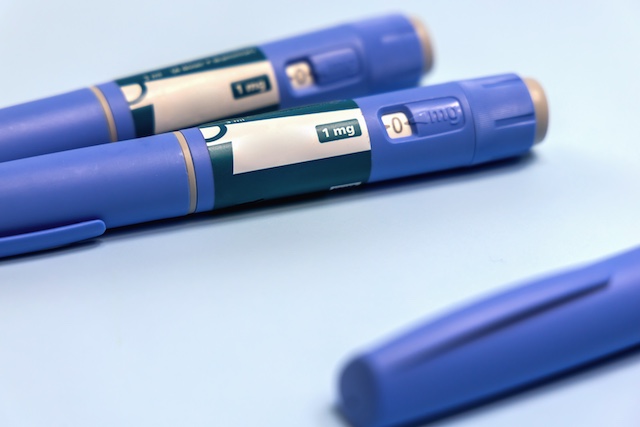
Thousands in Scotland’s Poorest Areas to Receive Free Weight-Loss Jabs in Landmark Obesity Study
Key Takeaways:
- Up to 5,000 adults living with obesity in Scotland’s most deprived areas will receive free weight-loss injections through the new Scotland CardioMetabolic Impact Study (SCoMIS).
- The multi-million-pound research, led by the University of Glasgow, aims to test the real-world delivery and impact of incretin-based therapies in NHS care.
- The study seeks to reduce health inequalities, improve quality of life, and lessen the long-term burden of obesity on individuals and the NHS.
Landmark initiative targets obesity in Scotland’s most deprived communities
Thousands of people from some of Scotland’s most economically deprived areas will soon be offered free weight-loss injections as part of a major UK government-funded study. The initiative, known as the Scotland CardioMetabolic Impact Study (SCoMIS), will recruit between 3,000 and 5,000 participants living with obesity to test how new weight-loss medicines can be delivered effectively and fairly in everyday NHS care.
The research is being led by the University of Glasgow and is backed by an initial £650,000 in funding from the UK government. If successful, it could pave the way for a wider rollout of the medicines across the country, offering a model for addressing both obesity and health inequality.
How the jabs work
The injections mimic or enhance the effects of naturally occurring hormones called incretins, which help control blood sugar levels. These hormones act on areas of the brain that regulate hunger and appetite and can also slow down how quickly the stomach empties. Together, these effects may support people living with obesity to better manage their eating habits and achieve sustained weight loss.
A national effort to reduce health inequality
Dr Zubir Ahmed, UK Health Innovation Minister, said:
“As a practising NHS surgeon and Glasgow MP, I know firsthand the impact of the obesity crisis that plagues Scotland – and the litany of health problems it leads to. More than 1 in 3 adults in Scotland’s most deprived areas are living with obesity. The UK government is committed to tackling inequality wherever it finds it in our country. It’s why this landmark UK government investment is targeting help where it’s needed most in Scotland and meeting people where they are and backing helping the NHS services they trust to treat them.”
Obesity is one of the leading contributors to long-term illness, including heart disease, type 2 diabetes, and several cancers. By addressing obesity through targeted intervention, the UK government hopes to help millions live longer, healthier lives while reducing the strain on the NHS and saving billions in healthcare costs each year.
Study objectives
The SCoMIS trial will evaluate several key areas of impact:
- Delivery: How weight-loss medicines can be integrated into everyday NHS care, especially within community and primary care settings.
- Outcomes: The degree of weight loss achieved and improvements in quality of life, particularly among people from disadvantaged areas.
- Health impact: The effects on obesity-related conditions, NHS service use, and healthcare expenditure.
- Social benefits: Whether improved health through weight loss can help individuals remain in work, reduce sick leave, and participate more fully in society.
Leading experts and national collaboration
Professor Jason Gill, Professor of Cardiometabolic Health at the University of Glasgow and the lead investigator, said:
“While tackling obesity requires multifactorial public health action, incretin therapies add a powerful new tool to the national obesity strategy. The burden of obesity is greatest in the most deprived segments of society and the status quo risks widening health inequalities. SCoMIS aims to be a landmark real-world study evaluating a new model of obesity care, providing incretin treatment via primary and community care to Scottish adults living with obesity, with a focus on those in the most economically deprived communities.”
Equipping the primary and community care teams who will deliver these treatments is where professional training comes in, such as the College of Contemporary Health’s GLP-1RAs in Practice: Prescribing, a CPD-accredited online short course covering the safe, confident prescribing of incretin-based medicines.
The project is being developed in collaboration with the Universities of Dundee and Edinburgh, industry partners Novo Nordisk and IQVIA, and clinical leaders across Scotland. The consortium will also explore how AI-driven digital technologies can improve patient access, engagement, and data collection throughout the study.
Supporting innovation and evidence-based care
Jenni Minto, Scottish Minister for Public Health, highlighted Scotland’s leadership in advancing obesity research:
“This study places patients and communities at the heart of cutting-edge research into weight-loss medicines, ensuring we build the evidence needed to deliver the greatest benefit to those who need it most.”
UK Science Minister Lord Vallance also praised Scotland’s role in global medical innovation:
“Scotland has always been at the forefront of medical innovation and public health, and this initiative is further proof of the world-class expertise that can be found here. By learning how these weight-loss medicines work, and how we can support them to reach our most deprived areas, we can slash health inequalities in Scotland and the rest of the UK so that our obesity strategy delivers a real, lasting change.”
Looking ahead
Set to launch next year, the SCoMIS study represents one of the most ambitious real-world obesity trials in the UK to date. Its outcomes are expected to shape future national strategies on obesity care, providing a template for equitable access to advanced weight-loss treatments and supporting a healthier, more inclusive society.
CCH insights
This study is very much welcomed, although arguably long overdue. Obesity and associated diseases, most notably type 2 diabetes and cardiovascular disease, are most prevalent in communities with high levels of deprivation, and are a huge cost to the NHS. People in these communities living with obesity should be prioritised in terms for GLP-1 therapy, as this should help to drive down health inequalities and provide massive future financial savings for the health service and provide massive future financial savings for the health service. Realising that potential depends on the primary and community care teams delivering these medicines being properly equipped: CCH’s GLP-1RAs in Practice: Prescribing CPD short course (2 CPD hours, fully online, CPD-accredited) gives prescribers everything they need to use incretin-based medications safely and confidently, from patient selection and initiation through to titration and side-effect management.
Explore GLP-1RAs in Practice: Prescribing →

GLP-1 Weight Loss Drugs Linked to First National Decline in Obesity Rates, Survey Finds
Key Takeaways:
- The U.S. adult obesity rate has dropped from 39.9% to 37% over three years, coinciding with a rapid rise in GLP-1 medication use.
- Over 12% of adults now report taking injectable obesity drugs such as semaglutide or tirzepatide, more than double the proportion from early 2024.
- Experts warn that limited insurance coverage may soon hinder access, potentially reversing progress.
New survey suggests decline in U.S. obesity rates
The proportion of adults living with obesity in the United States has declined for the first time in years, according to a new Gallup National Health and Well-Being Index survey. The findings suggest that the surge in the use of injectable obesity drugs may be driving this shift.
The survey reported that 37% of U.S. adults are currently living with obesity, compared with a peak of 39.9% three years ago. Researchers attribute much of this reduction to the growing uptake of GLP-1 receptor agonists, a class of highly effective weight loss drugs that include semaglutide and tirzepatide.
Use of GLP-1 medications has more than doubled
The number of people using GLP-1-based treatments such as Ozempic and Wegovy (semaglutide), or Zepbound and Mounjaro (tirzepatide), has more than doubled over the past 18 months. According to Gallup, 12.4% of respondents reported using these drugs, up from 5.8% in February 2024, when the organisation first began tracking their use.
GLP-1 receptor agonists, which mimic a naturally occurring hormone that regulates appetite and blood sugar, were first approved for obesity treatment in 2021. Their mechanism of action involves acting on the brain and gut hormones to suppress hunger and slow digestion, helping individuals sustain weight loss.
A watershed in obesity treatment
Experts consider the introduction of GLP-1 receptor agonists to be a landmark in obesity treatment, following decades of limited progress through diet, exercise, and public health campaigns.
Gallup described the new generation of GLP-1 drugs as a “watershed in Americans’ long struggle to address obesity and related diseases.” Despite these advances, the survey also found that diabetes rates have reached a record high: 13.8% of adults reported having been diagnosed by a doctor or nurse. This highlights the scale of ongoing metabolic health challenges even as weight loss interventions improve.
Impact seen most among middle-aged adults and women
The data indicate that the reduction in obesity rates has been most notable among adults aged 40 to 64, a demographic more likely to use GLP-1 medications. Among those aged 50 to 64, obesity prevalence fell by 5.0 percentage points, reaching 42.8%.
The survey also noted differences by sex: women were more likely than men to use these medications and tended to report greater weight loss benefits. This aligns with previous clinical research showing that women are often more proactive in seeking medical support for weight management.
Access and affordability remain key challenges
Despite their effectiveness, access to GLP-1 drugs remains uneven and may worsen in the coming year. Dr Fatima Cody Stanford, an obesity specialist at Harvard University, cautioned that while the correlation between increased access and reduced obesity rates is promising, it may not be sustainable if coverage declines.
“I would say this correlation happened for those that had great coverage, but it’s going to be pulled back,” she said.
Dr Stanford explained that several private insurers – including those covering most of her patients – are planning to stop covering GLP-1 medications as of next year. Without insurance, the cost of injections typically reaches around $500 per month out of pocket, she noted.
Although pharmaceutical companies are developing oral versions that may eventually reduce costs, Dr Stanford warned that these treatments will likely remain unaffordable for many in the short term.
“While drugmakers are working to bring potentially less-expensive pill versions to market, it likely still will put the treatments out of reach for many,” she said.
Slow but significant progress
While the findings do not confirm causation, they offer one of the first indications that the widespread use of GLP-1 receptor agonists could be contributing to measurable declines in obesity prevalence. Public health experts stress, however, that long-term trends will depend heavily on sustained access, equitable prescribing, and broader changes in lifestyle and preventive care.
For now, the data mark a tentative but meaningful turning point in the decades-long fight against obesity in the United States – a shift that could influence obesity strategies worldwide if sustained.
Read More
Semaglutide’s Cardioprotective Effects Extend Beyond Weight Loss, SELECT Trial Confirms
Key Takeaways:
- Semaglutide significantly reduced major adverse cardiovascular events (MACE) in adults with overweight or obesity and established cardiovascular disease, regardless of baseline body weight.
- Reductions in waist circumference contributed partly – but not fully – to the observed cardioprotective benefits, suggesting mechanisms beyond weight loss.
- Early divergence in cardiovascular outcomes between the semaglutide and placebo groups indicates that benefits emerge rapidly after treatment initiation.
Semaglutide’s impact on heart health goes beyond weight loss
A landmark study published in The Lancet has revealed that semaglutide, a Glucagon-Like Peptide 1 Receptor Agonist (GLP-1RA), offers cardiovascular protection in people with overweight and obesity that cannot be explained by weight loss alone. The findings come from the large-scale SELECT trial, which explored the drug’s effect on major adverse cardiovascular events (MACE) in individuals without diabetes but with established cardiovascular disease.
GLP-1 receptor agonists were originally developed for glycaemic control in type 2 diabetes but have since demonstrated additional benefits, including weight reduction and decreased cardiovascular risk. Obesity itself increases cardiovascular mortality and morbidity through metabolic, inflammatory, and haemodynamic pathways. However, simple measures such as body weight fail to differentiate between fat and lean mass or between subcutaneous and visceral fat – the latter being more strongly associated with cardiovascular disease.
Until now, the relationship between changes in adiposity induced by GLP-1RAs and subsequent cardiovascular outcomes has remained unclear.
About the SELECT trial
The SELECT trial was a randomised, double-blind, placebo-controlled, phase 3 study evaluating whether semaglutide, used alongside standard care, could reduce cardiovascular events in adults with overweight or obesity. The trial enrolled 17,604 participants aged 45 years or older with a body mass index (BMI) of at least 27 kg/m² and established cardiovascular disease (defined as a history of myocardial infarction, stroke, or symptomatic peripheral artery disease).
Participants were randomly assigned to receive either once-weekly semaglutide injections or a placebo, with a gradual 16-week dose escalation to a target of 2.4 mg from week 17 onwards. The primary endpoint was MACE – a composite measure including non-fatal myocardial infarction, non-fatal stroke, and cardiovascular death.
Researchers analysed both baseline measures of adiposity (including waist circumference and body weight) and treatment-induced changes over time. Associations between these factors and MACE were assessed using a Cox proportional hazards model, with additional analyses distinguishing early (week 20) and long-term (week 104) effects.
Key findings
The mean follow-up period was nearly 40 months, with participants exposed to semaglutide for an average of 33.3 months and placebo for 35.1 months. Across all baseline body habitus measures, semaglutide reduced MACE incidence compared with placebo.
Higher baseline BMI was associated with female sex, younger age, non-Asian nationality, higher blood pressure, prediabetes, and greater inflammatory burden. Within both study arms, individuals with lower baseline adiposity had a lower MACE risk. In the semaglutide group, MACE risk fell by approximately 4% for every 5 kg reduction in baseline weight, although this trend was not significant in the placebo group. For waist circumference, both groups showed a 4% lower risk per 5 cm smaller baseline measurement.
By week 20, the rate of first MACE events had already diverged between the groups (hazard ratio [HR] 0.58), demonstrating an early cardioprotective effect.
At this point, mean changes in body weight and waist circumference were −6.4% and −5.0 cm in the semaglutide group, compared with −0.8% and −1.1 cm in the placebo group. These early changes accounted for about 70% of the total reductions seen at week 104. Importantly, 11% of all MACE events occurred within the first 20 weeks of treatment.
In the semaglutide group, greater reductions in waist circumference were associated with a lower subsequent MACE risk (HR 0.91; 95% CI 0.84–0.98; p = 0.02), while weight loss alone was not linearly linked to reduced risk. Among placebo recipients, those who lost at least 5% of their weight experienced higher MACE incidence and all-cause mortality, possibly reflecting unintentional or illness-related weight loss.
At week 104, semaglutide recipients who achieved the greatest weight loss had the lowest MACE incidence, whereas placebo recipients with comparable weight loss had the highest.
Waist circumference emerged as a stronger predictor
Analyses indicated that waist circumference reduction was a partial mediator of semaglutide’s cardiovascular benefits. Accounting for early changes in waist circumference reduced the treatment hazard ratio from 0.80 to 0.86 – suggesting that about one-third (33%) of the cardioprotective effect could be attributed to reduced abdominal fat, while the remainder likely involves other physiological mechanisms.
Crucially, time-varying changes in overall weight did not mediate the observed cardiovascular outcomes, underscoring that semaglutide’s heart-protective properties extend beyond simple weight loss.
Implications and limitations
The authors concluded that semaglutide was superior to placebo in reducing cardiovascular risk across all baseline weight and waist circumference levels, and that its benefits became evident early in treatment. They emphasised that early body weight reductions did not independently explain these benefits.
They cautioned, however, that analyses performed after randomisation were exploratory and not causal. The predominantly White, male study population also limits generalisability to broader groups, including women and ethnically diverse populations.
Despite these caveats, the findings strengthen the evidence that semaglutide’s cardioprotective effects go beyond adiposity reduction, pointing to additional metabolic, vascular, or anti-inflammatory mechanisms.
The SELECT trial was funded by Novo Nordisk, and is registered under ClinicalTrials.gov identifier NCT03574597.
Read More
GLP-1 Receptor Agonists May Reduce Rheumatoid Arthritis Activity and Cardiovascular Risk in People with Obesity
Key Takeaways:
- GLP-1 receptor agonists were linked to reduced rheumatoid arthritis (RA) disease activity and improved cardiovascular risk factors in people with obesity or overweight.
- Significant improvements were observed in inflammation markers, weight, and cholesterol levels over 12 months of treatment.
- Findings suggest GLP-1RAs could offer dual benefits by addressing both metabolic and inflammatory disease processes in RA.
GLP-1RAs show promise in managing RA and cardiometabolic health
The use of glucagon-like peptide-1 receptor agonists (GLP-1RAs) was associated with improvements in both rheumatoid arthritis (RA) disease activity and cardiovascular risk factors among people living with overweight or obesity, according to new research published in ACR Open Rheumatology.
Rheumatoid arthritis frequently coexists with obesity, which is known to exacerbate systemic inflammation, increase disease activity, and reduce response to treatment. Although GLP-1RAs are well established for treating obesity, type 2 diabetes, and for reducing cardiovascular risk, their potential role in inflammatory diseases such as RA has not been clearly defined.
Study overview
Researchers at the University of California, Los Angeles (UCLA) conducted a single-centre, retrospective observational study involving people with RA and a body mass index (BMI) of at least 27 kg/m². Participants were prescribed either semaglutide (oral or subcutaneous) or tirzepatide (subcutaneous) between 2018 and 2024.
Out of 554 screened individuals, 229 met the inclusion criteria. Of these, 173 took the prescribed GLP-1RA and formed the treatment cohort, while 42 individuals served as controls, having been prescribed but not initiating therapy. Participants were evaluated at 3-month intervals for up to 12 months.
Baseline characteristics
Both groups were broadly similar in terms of BMI, RA duration, and the use of conventional, biologic, or targeted synthetic disease-modifying antirheumatic drugs (DMARDs). However, diabetes (49% vs 14%) and hypertension (57% vs 38%) were more common in the treatment group.
The mean baseline BMI was 37.1 kg/m² among those receiving treatment and 35.3 kg/m² among control individuals. A greater proportion of participants in the treatment group were White (71% vs 47%).
Improvements in RA and cardiometabolic outcomes
People who took GLP-1RAs showed significantly greater improvements in several clinical measures compared with those who did not initiate therapy:
- RA disease activity scores: decreased by −0.03 versus an increase of +0.21 in controls (P = .03)
- Visual analogue scale (VAS) pain scores: decreased by −0.6 cm versus an increase of +1.3 cm in controls (P < .001)
- Weight: reduced by −6.2 kg versus −1.7 kg (P < .001)
- Total cholesterol: decreased by −10.3 mg/dL versus +0.3 mg/dL (P = .04)
- HbA1c: reduced by −0.4% versus +0.1% (P = .03)
Within the treatment group, significant reductions were also noted in inflammatory and lipid parameters, including:
- Erythrocyte sedimentation rate (ESR): −5.4 mm/hr (P = .004)
- C-reactive protein (CRP): −0.9 mg/dL (P = .004)
- Low-density lipoprotein (LDL) cholesterol: −7.3 mg/dL (P = .002)
- Triglycerides: −10.5 mg/dL (P = .004)
Tolerability and limitations
Adverse effects were relatively common, with 29% of participants discontinuing treatment, most frequently due to gastrointestinal symptoms or insurance-related issues.
Sensitivity analyses that accounted for comorbidities and serostatus did not significantly alter the study’s outcomes. However, researchers noted several limitations, including the single-centre, retrospective design, reliance on chart abstraction rather than validated disease activity indices, and the possibility of residual confounding.
Clinical implications
“Going forward, clinicians may consider integrating GLP-1RAs into the treatment regimens for patients with [RA and obesity], not only to target obesity-related complications but also possibly to target the underlying inflammatory disease process,” the authors concluded.
Some study authors disclosed affiliations with biotechnology, pharmaceutical, and medical device companies. A full list of disclosures is available in the original publication.
Read More
Use of GLP-1 Drugs Soars Among People Undergoing Bariatric Surgery, Study Finds
Key Takeaways:
- The use of GLP-1 receptor agonists such as semaglutide and tirzepatide among bariatric surgery patients increased sixteenfold between 2020 and 2024.
- Both people with and without Type 2 diabetes are increasingly using these drugs, showing a shift toward combination approaches in obesity management.
- Researchers emphasise the importance of multidisciplinary care and call for evidence-based guidelines to optimise the use of GLP-1 drugs alongside surgery.
A rapid evolution in obesity care
New research has revealed a dramatic increase in the use of weight loss medications among people undergoing metabolic and bariatric surgery, signalling a major shift in the treatment of obesity and Type 2 diabetes.
The study will be presented at the American College of Surgeons (ACS) Clinical Congress 2025, held in Chicago from 4–7 October.
“There is no one-size-fits-all approach to treating obesity, metabolic syndrome, or diabetes and its related conditions,” said Dr Patrick J. Sweigert, senior author of the study and bariatric and foregut surgeon at The Ohio State University Wexner Medical Center in Columbus, Ohio. “We are entering a new world of multidisciplinary care pathways and a new frontier of weight management that is important for patients and surgeons to think about.”
About the study
The research team conducted a large cross-sectional study examining the use of glucagon-like peptide-1 receptor agonists (GLP-1RAs) – specifically semaglutide (marketed as Wegovy and Ozempic) and tirzepatide (marketed as Zepbound and Mounjaro) – among people undergoing metabolic and bariatric surgery.
Using data from the Epic Cosmos database, which aggregates over 300 million patient records from healthcare institutions across the United States, Dr Sweigert and colleagues analysed nearly 365,000 individuals who underwent primary metabolic and bariatric surgery between 2018 and 2024.
The study assessed prescription patterns for semaglutide and tirzepatide, two of the most widely prescribed GLP-1RAs, to understand how their use has evolved before surgery.
Key findings
Preliminary findings showed a striking rise in GLP-1 prescriptions in the year preceding surgery – from 1.8% in early 2020 to 29.4% by the end of 2024, representing a sixteenfold increase.
Importantly, the surge was seen among people both with and without Type 2 diabetes, demonstrating the expanding role of GLP-1 drugs in obesity treatment beyond diabetes management.
Among those without Type 2 diabetes, use of GLP-1 drugs before surgery increased elevenfold – from 2.1% in early 2022 to 23.2% by late 2024. For those with Type 2 diabetes, preoperative use quadrupled – from 11.3% to 45.2% over the same period.
The median age of participants was 43 years, with a median preoperative body mass index (BMI) of 46. Women accounted for 80% of the cohort, and 33% had a diagnosis of Type 2 diabetes.
Changing perceptions and treatment pathways
Lead author Dr Stefanie C. Rohde, a general surgery resident at The Ohio State University Wexner Medical Center, explained that the findings represent an evolution in how people view their treatment options for obesity.
“While patients previously believed they had to choose between GLP-1 receptor agonists and surgery, we are now seeing that people are using both,” said Dr Rohde. “We know that patients can use GLP-1s after bariatric surgery to amplify their weight loss. But all of this is still very new in terms of how to manage patients effectively.”
She added that real-world data such as that provided by the Epic Cosmos network could play a critical role in establishing evidence-based clinical guidelines for how and when to integrate GLP-1 therapies – whether before surgery, in combination with it, or during postoperative follow-up.
Limitations and next steps
The researchers acknowledged several limitations. As with many analyses of large health databases, there may be inaccuracies in medical record data. The study was also unable to confirm whether individuals filled or took their prescribed medications, which could affect the reliability of prescription data.
Despite these caveats, the authors believe the study offers valuable insights into emerging trends in combined pharmacological and surgical approaches to obesity care.
Study co-author Mahmoud Abdel-Rasoul, MS, MPH, contributed to the data analysis and interpretation.
Looking ahead
The rapid rise in GLP-1 use among bariatric surgery candidates reflects a broader transformation in obesity treatment – one increasingly characterised by personalised, multidisciplinary, and data-informed care.
As Dr Sweigert noted, “We are entering a new world of multidisciplinary care pathways.” The challenge now lies in defining the most effective, safe, and sustainable ways to integrate these groundbreaking medications into established surgical treatment frameworks.
CCH insight:
These findings from the ACS, showing GLP-1 drug use prior to bariatric surgery, follow on from another study showing that many patients use GLP-1 drugs after surgery, in order to prevent weight regain. This will hopefully help to shift the thinking around obesity treatment. There is still a common perception that patients with obesity have the option of medication or bariatric surgery, and that it is a ‘one-and-done’ treatment. However, we know that obesity is a complex, chronic, relapsing disease which requires a long-term, multi-disciplinary approach. So we need medications, we need surgery and we need behavioural support and other interventions, used together in various combinations, at different times, to provide the life-long care that obesity patients require.
Read More
GLP-1 Medications Should Be First-Line Treatment for Obesity, Say European Experts
Key Takeaways:
- European experts recommend semaglutide and tirzepatide as the preferred first-line medications for treating obesity and related complications.
- The new European Association for the Study of Obesity (EASO) guideline highlights tailored drug choices for specific obesity-linked conditions, such as heart disease, osteoarthritis, and sleep apnoea.
- Authors emphasise that managing obesity extends beyond weight loss, encompassing mental health, physical fitness, and quality of life.
New guidelines mark a turning point in obesity care
Two of the most widely prescribed weight-loss medications – semaglutide and tirzepatide – should now be considered the first treatment option for people living with obesity and associated complications, according to new guidance issued by the European Association for the Study of Obesity (EASO).
The guideline, published in Nature Medicine, identifies semaglutide, the active compound in Novo Nordisk’s Wegovy and Ozempic, and tirzepatide, marketed as Zepbound and Mounjaro by Eli Lilly, as highly effective and clinically appropriate first-line treatments for most cases requiring substantial weight reduction.
When only moderate weight loss is needed, other pharmacological options may be suitable. These include liraglutide, an earlier and less potent medication from the same class, as well as naltrexone–bupropion and phentermine–topiramate.
Although the recommendations are non-binding for European nations, they signal a major shift in the medical management of obesity across the continent.
Transforming obesity care
“Semaglutide, tirzepatide, and other drugs from the class known as GLP-1 agonists are completely transforming care of obesity and its complications,” said co-author Dr Andreea Ciudin of Vall d’Hebron University Hospital in Barcelona.
Dr Ciudin noted that while no single treatment algorithm can replace the nuanced clinical judgement of healthcare professionals, the new guidance is intended to support evidence-based decision-making and improve the consistency of obesity care across Europe.
Tailoring treatments to specific conditions
To develop the recommendations, the EASO guideline authors reviewed previous clinical trial data assessing medication efficacy, safety, and impact in individuals with obesity-related comorbidities.
The panel determined that tirzepatide should be prioritised for those experiencing obstructive sleep apnoea, whereas semaglutide should be considered first for individuals with knee osteoarthritis.
For people with metabolic or immune-related complications, the recommendations include semaglutide as a preferred option for those with existing cardiovascular disease or a history of stroke, tirzepatide for individuals with non-alcoholic fatty liver disease, and either drug for those with prediabetes or type 2 diabetes.
GLP-1 receptor agonists were initially developed to manage type 2 diabetes but have since shown remarkable efficacy in promoting sustained weight reduction and improving obesity-related outcomes.
Balancing costs and benefits
The guideline acknowledges that GLP-1 drugs are expensive and that economic considerations are complex. However, the authors argue that health systems should account for the long-term costs of untreated obesity.
“The cost of not treating obesity at early stages, thus enabling the progression to complications and end-organ damage, should be weighed equally in health policy and clinical decision-making,” the guideline authors wrote.
They added that effective obesity management should not be confined to weight loss alone but should also prioritise mental well-being, physical fitness, social participation, and quality of life.
Emerging evidence and ongoing updates
The authors acknowledged that many newer medications have not yet been evaluated for the treatment of individual complications. Nevertheless, the consistent association between weight reduction and improvements in related conditions supports their broader therapeutic potential.
According to the guideline, there is growing evidence that GLP-1 receptor agonists may also benefit individuals with chronic kidney disease, neurodegenerative conditions, polycystic ovary syndrome, certain cancers, and mental health disorders.
“Given the rapid advances in the field of medications to treat obesity, EASO intends to update the present treatment algorithm regularly to incorporate the latest available evidence,” said Professor Volkan Yumuk, President of EASO and Professor at Istanbul University–Cerrahpaşa.
Lifestyle interventions remain essential
The EASO guidance complements a June advisory jointly issued by the American College of Lifestyle Medicine, the American Society for Nutrition, the Obesity Medicine Association, and The Obesity Society. That advisory stressed that pharmacological treatment should always be combined with lifestyle and nutritional interventions.
“Although GLP‐1s alone can produce significant weight reduction and related health benefits, several challenges limit its long‐term success for individuals and populations,” the advisory stated.
It cited factors such as gastrointestinal side effects, nutrient deficiencies, muscle and bone loss, high costs, frequent discontinuation, and the risk of weight regain.
Read More
Bariatric Surgery Delivers Greater Long-Term Benefits Than GLP-1 Medicines Alone, Cleveland Clinic Study Finds
Key Takeaways:
- People with obesity and type 2 diabetes who underwent bariatric surgery lived longer and experienced fewer serious complications than those treated with GLP-1 receptor agonist medicines alone.
- Surgery was associated with a lower risk of death, cardiovascular disease, kidney disease, and diabetes-related eye damage over a 10-year period.
- Patients who had surgery lost more weight, achieved better blood sugar control, and relied less on medications for diabetes, blood pressure, and cholesterol.
Major Cleveland Clinic study compares treatments
A large-scale study conducted by Cleveland Clinic has shown that people living with obesity and type 2 diabetes who undergo bariatric (metabolic) surgery experience significantly better long-term outcomes compared with those treated only with GLP-1 receptor agonist (GLP-1RA) medicines.
The research, published in Nature Medicine, followed nearly 4,000 patients and found that surgery was linked to longer life expectancy, greater weight loss, improved blood sugar control, and reduced reliance on diabetes and cardiovascular medicines.
“Even with today’s best medicines, metabolic surgery offers unique and lasting benefits for people with obesity and diabetes,” said Ali Aminian, M.D., Director of Cleveland Clinic’s Bariatric & Metabolic Institute and primary investigator of the study. “The benefits we observed went beyond weight loss. Surgery was linked to fewer heart problems, less kidney disease and even lower rates of diabetes-related eye damage.”
Study design and findings
The M6 study (Macrovascular and Microvascular Morbidity and Mortality after Metabolic Surgery versus Medicines) included 3,932 adults with both diabetes and obesity who received care at Cleveland Clinic over a period of up to 10 years.
- 1,657 participants underwent metabolic surgery, including gastric bypass or sleeve gastrectomy.
- 2,275 participants were treated with GLP-1 medicines such as liraglutide, dulaglutide, exenatide, semaglutide, and tirzepatide.
The median follow-up was 5.9 years (interquartile range 4.4–7.6 years).
Key outcomes:
At the 10-year mark, patients who underwent metabolic surgery had significantly better outcomes:
- 32% lower risk of death
- 35% lower risk of major adverse cardiovascular events (MACE), including heart attack, heart failure, or stroke
- 47% lower risk of chronic kidney disease (CKD)
- 54% lower risk of diabetes-related retinopathy (eye damage)
The 10-year cumulative incidence of all-cause mortality was 9.0% (95% CI 6.8–10.8%) in the metabolic surgery group, compared with 12.4% (95% CI 9.9–15.2%) in the GLP-1RA group (adjusted hazard ratio 0.68, 95% CI 0.48–0.96; P = 0.028).
The 10-year cumulative incidence of MACE was 23.7% (95% CI 20.0–27.6%) in the metabolic surgery group and 34.0% (95% CI 28.1–44.2%) in the GLP-1RA group (adjusted hazard ratio 0.65, 95% CI 0.51–0.82; P < 0.001).
On average:
- People who had surgery lost 21.6% of their body weight over 10 years.
- People treated with GLP-1 medicines lost 6.8% of their body weight.
- Haemoglobin A1c (HbA1c), a key marker of average blood sugar, improved by -0.86% with surgery compared with -0.23% with GLP-1 medicines.
In addition, surgery patients required fewer prescriptions for diabetes, blood pressure, and cholesterol management.
Expert perspectives
The findings underscore the long-term advantages of bariatric surgery even in the current era of advanced GLP-1 treatments.
“Even in the era of these powerful new drugs to treat obesity and diabetes, metabolic surgery may provide additional benefits, including a survival advantage,” said Steven Nissen, M.D., Chief Academic Officer of the Heart, Vascular & Thoracic Institute at Cleveland Clinic and senior author of the study.
Dr Aminian emphasised the importance of maintaining surgery as a treatment option:
“Our findings indicate that surgery should remain an important treatment option for obesity and diabetes. These long-term benefits are harder to achieve with GLP-1 medicines alone, as many patients stop using the medications over time.”
Study limitations and future research
The authors highlighted that the study was observational, not a randomised controlled trial. This means that while strong associations were observed, direct comparisons may be influenced by unmeasured factors.
In addition, the study did not focus exclusively on the most recent and highly effective GLP-1 medicines. The authors noted that future trials should directly compare metabolic surgery with newer GLP-1 therapies, such as semaglutide and tirzepatide, to help guide clinical decision-making.
Read More
Oral GLP-1 Therapy Orforglipron Demonstrates Significant Weight Loss in Landmark Trial
Key Takeaways:
- The ATTAIN-1 phase III trial found that the oral GLP-1 drug orforglipron led to clinically meaningful weight loss and metabolic improvements in people living with obesity or overweight.
- Average weight loss reached 12.4% with the highest dose, alongside significant improvements in waist circumference, blood pressure, and lipid profiles.
- Orforglipron may provide a more accessible alternative for individuals reluctant to use injections or living in areas with limited cold-storage infrastructure.
A new oral alternative to injectable GLP-1 therapies
An investigational oral GLP-1 drug, orforglipron, has been shown to promote substantial weight loss and improve cardiovascular and metabolic health markers in a large, international phase III clinical trial. The ATTAIN-1 study, published on 17 September in The New England Journal of Medicine, was led by researchers from Weill Cornell Medicine, McMaster University, York University, and collaborating institutions.
The study enrolled 3,127 participants with obesity or overweight who had obesity-related complications such as hypertension. None of the participants had diabetes. Participants were randomised to receive a placebo or one of three daily oral doses of orforglipron – 6 mg, 12 mg, or 36 mg – alongside guidance on maintaining a healthy diet and regular physical activity.
Meaningful weight loss across all doses
Over 72 weeks, individuals treated with orforglipron experienced dose-dependent weight loss:
- 7.8% reduction in body weight with the 6 mg dose
- 9.3% reduction with the 12 mg dose
- 12.4% reduction with the 36 mg dose
By comparison, participants in the placebo group lost an average of just 2.1% of their initial body weight.
Adverse events were consistent with those observed for other GLP-1 receptor agonists, mainly mild to moderate gastrointestinal effects including nausea, vomiting, and diarrhoea.
Clinical and public health implications
“The findings suggest that orforglipron could offer an important new option for people with obesity, especially those reluctant to use injections or who live in places where cold storage for injectable medications is limited,” said Dr Louis Aronne, Director of the Comprehensive Weight Control Center and Sanford I. Weill Professor of Metabolic Research at Weill Cornell Medicine, who served as a lead investigator for the ATTAIN-1 trial.
“ATTAIN-1 represents another milestone in developing effective treatments for obesity. In addition, the distribution and storage of a small molecule is less expensive, and scalability is simpler. Given the worldwide demand, these are important factors in making treatment available to those in need,” Dr Aronne added.
Dr Aronne is also an internist specialising in diabetes and obesity at NewYork-Presbyterian/Weill Cornell Medical Center.
Improvements beyond weight loss
Although the weight reduction achieved with orforglipron was slightly lower than that typically seen with injectable GLP-1 therapies such as semaglutide or tirzepatide, the study reported robust cardiometabolic benefits. Participants on orforglipron demonstrated greater reductions in:
- Waist circumference
- Systolic blood pressure
- Non-HDL cholesterol and triglyceride levels
- Glycated haemoglobin (HbA1c)
These improvements underline the drug’s potential to reduce the risk of major obesity-related complications, including cardiovascular disease and type 2 diabetes.
Why oral GLP-1 drugs could be game-changing
Injectable GLP-1 drugs, which are peptide-based therapies, have already transformed obesity and type 2 diabetes management worldwide. When taken long-term, they can help people lose more than 15% of their body weight and substantially lower the risk of heart attack, stroke, kidney disease, and sleep apnoea.
However, injectable GLP-1 medications require cold storage and are vulnerable to breakdown by stomach enzymes if taken orally. Orforglipron is different – it is a “small-molecule” drug designed to be taken as a pill, potentially lowering costs and simplifying global distribution.
Study scope and sponsorship
The ATTAIN-1 trial was sponsored by Eli Lilly and Company, which manufactures orforglipron as well as the injectable GLP-1 drug tirzepatide (marketed as Mounjaro for type 2 diabetes and Zepbound for chronic weight management). The trial was conducted across 137 sites in nine countries, including the United States, Canada, Japan, Brazil, Spain, and Saudi Arabia.
Disclosure: Dr Louis Aronne serves as a paid consultant and advisory board member for Eli Lilly and Company.
Read More
Higher Dose of Semaglutide Delivers Greater Weight Loss and Metabolic Improvements
Key Takeaways:
- Tripling the standard dose of semaglutide led to significantly greater weight loss and improved metabolic outcomes, without an increase in serious adverse effects.
- Participants on the higher dose achieved clinically meaningful reductions in body weight, waist circumference, and HbA1C levels, with nearly one-third losing 25% or more of their starting weight.
- Side effects were mostly mild and transient, suggesting that the higher dose may be a safe option for people requiring more intensive obesity treatment.
Landmark findings from the STEP UP trials
Tripling the standard dose of semaglutide – a widely prescribed glucagon-like peptide-1 receptor agonist (GLP-1RA) – resulted in markedly greater weight loss and cardiometabolic benefits, according to results from two large multicentre clinical trials led by UT Southwestern Medical Center. The studies, published in The Lancet Diabetes & Endocrinology, indicate that patients may be able to safely take a higher semaglutide dose than currently approved if they need to lose additional weight.
“Semaglutide and other drugs in its class have been life-changing for people living with obesity around the world. Our new findings suggest that increasing the dose can lead to even greater benefits and may be appropriate for some patients,” said study leader Dr Ildiko Lingvay, Professor of Internal Medicine in the Division of Endocrinology and in the Peter O’Donnell Jr. School of Public Health at UT Southwestern.
Context: The global obesity challenge
Obesity affects nearly one billion people worldwide, according to the World Health Organization, and is a major driver of conditions such as Type 2 diabetes, cardiovascular disease, certain cancers, and liver disease. GLP-1RAs, first authorised in the early 2000s, have transformed the management of Type 2 diabetes and, more recently, chronic weight management and cardiovascular risk reduction.
Semaglutide received approval from the US Food and Drug Administration (FDA) in 2017 for people with Type 2 diabetes and has since been approved at a 2.4 mg weekly dose for weight management in both the United States and European Union. While this dose can produce significant weight loss, many patients do not achieve their treatment goals.
The STEP UP trials: Design and participants
To explore whether higher doses could deliver additional benefits, researchers conducted two phase 3b clinical trials – STEP UP Diabetes and STEP UP Obesity – to compare the effects of a weekly 7.2 mg dose of semaglutide with the standard 2.4 mg dose and placebo.
In the STEP UP Diabetes trial, 512 adults with both obesity and Type 2 diabetes were randomly assigned to three groups:
- 307 participants received 7.2 mg semaglutide weekly.
- 103 participants received 2.4 mg semaglutide weekly.
- 102 participants received placebo.
Participants were followed for 72 weeks at 68 trial sites across eight countries in Europe, southern Africa, and North America, including UT Southwestern. All participants received counselling every four weeks to encourage reduced-calorie diets and increased physical activity.
Results: Substantial weight loss and metabolic gains
Weight loss outcomes
As seen in earlier studies, the standard 2.4 mg dose produced a mean weight loss of 10.4% of starting weight, compared with 3.9% in the placebo group. However, participants taking the higher 7.2 mg dose achieved an even greater mean weight loss of 13.2%.
In addition, those receiving 7.2 mg were significantly more likely to:
- Reach a 20% reduction in waist circumference – a key measure of cardiometabolic health.
- Achieve superior improvements in HbA1C, an indicator of blood sugar control.
Outcomes in people without type 2 diabetes
The STEP UP Obesity trial, which focused on people with obesity but without Type 2 diabetes, showed even more striking results. Nearly one-third of participants on the higher dose lost 25% or more of their starting weight, compared with 15% of those on the standard dose and none on placebo.
Safety profile and side effects
The most frequently reported side effects were gastrointestinal symptoms, such as nausea, diarrhoea, and constipation. These affected approximately half of participants taking semaglutide and about a quarter of those on placebo. Most symptoms occurred during the dose-escalation period and tended to diminish over time.
The only side effect reported more frequently in the higher dose group was dysaesthesia (a change in touch sensation), experienced by approximately 20% of participants taking 7.2 mg, compared with 5% of those on the lower dose. Importantly, there was no increase in serious adverse events associated with the higher dose.
“These findings reinforce the promise of semaglutide and other GLP-1RAs, with benefits that appear to increase at higher doses without compromising patient safety,” Dr Lingvay concluded.
Funding and disclosures
Both STEP UP trials were funded by Novo Nordisk A/S, the manufacturer of semaglutide. Dr Lingvay reports receiving personal consulting fees from Novo Nordisk.
Read More
Weight loss medications linked to major reductions in heart failure hospitalisations and death
Key Takeaways:
- People with heart failure with preserved ejection fraction (HFpEF), obesity, and Type 2 diabetes who were prescribed semaglutide or tirzepatide had over 40 per cent lower risk of hospitalisation or death compared with those taking sitagliptin.
- Researchers analysed real-world data from more than 90,000 patients, making this the largest study to date on GLP-1 medications in HFpEF.
- Findings suggest semaglutide and tirzepatide could become a new treatment option for heart failure, though they are not yet approved for this use.
A new avenue for treating a difficult condition
A major new study has found that weight loss drugs semaglutide and tirzepatide may significantly reduce the risk of hospitalisation and death among people living with heart failure with preserved ejection fraction (HFpEF), obesity, and Type 2 diabetes.
The research, conducted by investigators at Harvard-affiliated Mass General Brigham (MGB), showed that initiating either of the two medications was linked to an over 40 per cent reduction in the combined risk of being hospitalised with heart failure or dying from any cause, compared with patients who received a placebo by proxy.
HFpEF is a common form of heart failure in which the heart muscle becomes thick and stiff. Although the pumping function remains intact, the heart cannot fill adequately with blood, leaving the body’s organs and tissues under-supplied. HFpEF disproportionately affects people with obesity and Type 2 diabetes, and current treatment options remain limited.
“Despite the widespread morbidity and mortality burden of HFpEF, current treatment options are limited,” said corresponding author Nils Krüger of the Division of Pharmacoepidemiology and Pharmacoeconomics at Brigham and Women’s Hospital and a postdoctoral research fellow at Harvard Medical School. “Both semaglutide and tirzepatide are well-known for their effects on weight loss and blood sugar control, but our study suggests they may also offer substantial benefits to patients with obesity and Type 2 diabetes by reducing adverse heart failure outcomes.”
Largest analysis of GLP-1 medications in HFpEF
To strengthen the evidence base beyond small, randomised clinical trials, the research team examined real-world data from more than 90,000 people with HFpEF, obesity, and Type 2 diabetes. Findings, published in JAMA and presented at the European Society of Cardiology Congress, demonstrated a significant reduction in both heart failure hospitalisation and all-cause mortality among patients who began treatment with semaglutide or tirzepatide.
While previous trials of GLP-1 receptor agonists in obesity-related HFpEF showed promising results, they involved relatively small study populations. Regulatory agencies and professional societies have therefore not yet approved or endorsed the use of these medications for HFpEF.
To address this gap, the MGB team used three large United States insurance claims databases to emulate two earlier placebo-controlled trials, but with study populations that were on average 19 times larger.
Methodology and comparative effectiveness
The researchers compared the one-year risk of hospitalisation for heart failure or death among new users of semaglutide or tirzepatide with that of patients prescribed sitagliptin, a diabetes medication known not to affect HFpEF. This “active placebo” comparator allowed them to verify earlier clinical trial results in much larger and more representative groups of patients.
Overall, semaglutide and tirzepatide were each associated with more than 40 per cent lower risk of hospitalisation or death compared with sitagliptin. Both drugs demonstrated similar effectiveness in this context.
Importantly, both medications also maintained acceptable safety profiles in this real-world study, reinforcing findings from earlier clinical trials.
Future directions for research
Although the findings are compelling, GLP-1 receptor agonists are not currently licensed for the treatment of heart failure. The research team emphasised the need for further investigation to determine the long-term impact of these medications, to identify which subgroups of people with HFpEF may benefit the most, and to explore whether they also reduce additional cardiovascular risks beyond heart failure.
“By using nationwide data and an innovative methodological approach, our team was able to expand the findings of previous trials to larger populations more representative of HFpEF patients treated in clinical practice,” Krüger explained. “Our findings show that in the future, GLP-1 targeting medications could provide a much-needed treatment option for patients with heart failure.”
CCH Insight:
These are very positive results, and add to the evidence base for the benefits of GLP-1 medications for patients with HFpEF. It is an observational study, so large-scale clinical trials are needed to confirm these findings, but it probably won’t be long before GLP-1 medications are licensed for treatment of HFpEF, yet another condition to add to the growing list that can be treated with these drugs.
Read More
GLP-1 receptor agonists linked to reduced risk of eye inflammation, Cleveland Clinic study shows
Key Takeaways:
- Researchers at the Cleveland Clinic Cole Eye Institute found that GLP-1 receptor agonist (GLP-1RA) therapy was associated with a significantly lower risk of developing non-infectious uveitis, an inflammatory eye condition that can cause permanent vision loss.
- Analysis of data from over 516,000 patients showed that people prescribed GLP-1RAs had about a 50 percent lower risk of new onset uveitis compared to those who had never taken these drugs.
- The findings suggest GLP-1RAs may have anti-inflammatory benefits beyond blood sugar and weight management, opening up the possibility of new protective applications in autoimmune and inflammatory eye diseases.
Understanding uveitis and its impact
Uveitis is an inflammatory condition that affects the uvea, the middle layer of the eye, and can extend to nearby structures such as the retina. Symptoms often include eye pain, redness, and blurred vision. In severe or untreated cases, uveitis can lead to irreversible vision loss. Globally, there are approximately 4 million new diagnoses every year.
The condition is primarily driven by inflammation inside the eye and is often associated with autoimmune or systemic inflammatory diseases, such as sarcoidosis, ankylosing spondylitis, and inflammatory bowel disease. Current treatments typically involve steroids, while people with chronic forms may require long-term immunosuppressive therapy.
Research overview
The Cleveland Clinic retrospective cohort study was published in JAMA Ophthalmology and conducted by researchers at the Cole Eye Institute. Using the TriNetX platform – a large-scale database containing de-identified electronic health records from more than 120 million patients across over 60 healthcare organisations – the team examined data spanning 2006 to 2025.
The study assessed records from 516,052 patients. This included:
- 258,026 patients prescribed GLP-1RA therapy (irrespective of whether they had diabetes).
- 258,026 matched controls who had never been prescribed a GLP-1RA but who may have used other diabetes treatments such as insulin or metformin.
The data was further analysed across four distinct cohorts:
- An overall cohort.
- Patients with diabetes.
- Patients with type 2 diabetes.
- Patients without diabetes.
Equal numbers of patients were included in the control groups for each cohort.
Findings and protective association
Primary analysis measured the risk of uveitis after the first GLP-1RA prescription, with further assessments carried out at one, three, and five years following treatment initiation.
In the overall cohort, GLP-1RA use was associated with a 51.7 percent relative risk reduction for newly diagnosed non-infectious uveitis. The protective effect was consistent across all subgroups, with people prescribed GLP-1RAs showing around a 50 percent lower risk compared to those who had never used these drugs.
Importantly, these results were observed when compared not only with the general control group but also with patients taking insulin or metformin, two commonly prescribed diabetes medications.
Implications for people at higher risk
Certain populations face a heightened risk of uveitis, including individuals with a family history, genetic predispositions, or those living with autoimmune diseases. For these groups, the findings carry particular significance.
“For patients in these populations who meet the indication for diabetic or weight loss medication, this research is promising because being prescribed GLP-1RAs may have the additional benefit of decreasing the risk of new onset non-infectious uveitis,” the authors noted.
Expert commentary
Dr Sumit Sharma, a retina and uveitis specialist at the Cleveland Clinic Cole Eye Institute and senior author of the study, emphasised the broader significance of the findings:
“This is the first study to find a protective effect of GLP-1RA therapy for autoimmune disease, which is very exciting and shows a further benefit of these drugs for patients beyond just weight loss and control of diabetes.”
Looking ahead
While further research is required to confirm and expand upon these findings, the study provides strong evidence that GLP-1RAs may offer benefits beyond glycaemic control and weight management. In addition to their established roles in type 2 diabetes and obesity care, these medications could potentially reduce the risk of inflammatory eye diseases such as uveitis.
This emerging evidence contributes to a growing understanding of the broader systemic effects of GLP-1RA therapy, highlighting its potential to reshape care for both metabolic and inflammatory conditions.
Read More