

Obesity worsens asthma in preschool children
Findings from a new study published in the Journal of Clinical Immunology have concluded that obesity can add five weeks of asthma symptoms in children ages 2 to 5. The researchers also found that untreated children who were overweight had more asthma attacks than untreated children of a healthy weight. The study also found that the effectiveness of steroid inhalers is not reduced in overweight or obese pre-schoolers, findings that are the opposite in older children and adults. Therefore, this study suggests that either the pathways of inflammation are different in younger children, or that it takes a long time for obesity to reduce the effectiveness of inhaled corticosteroids.
Overall, the study included data from 736 children, and is a retrospective analysis, making the conclusions slightly weaker. Therefore, the researchers hope that further research with a larger number of children might take place, and that this study is the catalyst for it.
Read More
Obesity not quite associated with improved survival
A controversial body of research has suggested that obesity may be associated with an improved rate of survival in patients with cardiovascular disease. It has been suggested in the past that because obese individuals have an extra catabolic reserve, and many diseases result in the wasting away at the end of life, they could prolong survival. However, a new study from the New York University College of Global Health has found that this ‘obesity paradox’ is not present among those with new cases of cardiovascular disease. Previous studies often included patients with established cardiovascular disease, where disease related factors may have biased towards an observation of a paradox.
In this study, the researchers used data from a nationally representative set from the United States that contains surveys of more than 30,000 people. Looking at a variety of cardiovascular issues and weight change over time the researchers found a strong association with the ‘obesity paradox’; the risk of death was 18 to 36 percent lower for people with obesity compared to those of a normal weight. However, in those with new cardiovascular disease, this association was not seen. This conclusion suggests that studies which include individuals with established cardiovascular factors are likely to be biased by factors such as disease related weight loss. The authors are keen to highlight that the findings do not support re-evaluation of guidelines to account for the obesity paradox.
Read More
Differing ethnic risks of obesity explained
For many years it has been believed that black individuals have a higher risk of developing diabetes, and the reason for this was unexplained. However, a new study published in JAMA has concluded that rates of obesity are what drives the differences in diabetes incidence between black and white individuals. Data from 4,251 individuals enrolled in a separate study was used for this research, spanning a range of states within the USA. Previous studies have found that higher rates of diabetes are present in black populations even when risk factors such as obesity and socioeconomic status are taken into account. Many of these studies measured parameters such as obesity, physical activity, and diet once during their participants’ lives. This study found that the black population tended to gain more weight over time, thereby increasing their risk of developing diabetes.
There will be no easy fix for this complex issue as it involves a variety of biological, socioeconomic, cultural, and behavioural factors. The study authors explained that it is vital for there to be equal access to healthy foods, spaces for physical activity, and economic opportunity to afford these things. If we were to control these risk factors we may go some way to controlling the effects of obesity, such as diabetes.
Read More
Binge eating as a weight loss obstacle
A new study from the University of Pennsylvania has found that those who binge eat whilst they are trying to lose weight, drop around half as much as those who do not, these findings have been published in Obesity. In order to assess the role of binge eating, and how addictive behaviours affect treatment for a variety of populations, the researchers used data from over 5,000 overweight and obese patients as part of a multi-centre randomised controlled trial. Over the course of the trial, the participants noted any instances of consumption of excess food resulting from a feeling of lack of control, and these were recorded on questionnaires.
The researchers found that at four years participants that reported no binge eating, or a reduced tendency to do so, lost more weight (4.6% of initial body weight) than those who did binge eat (1.9%). In light of these findings, the authors have suggested that behavioural therapies might benefit those that binge eat if they are trying to lose weight and would be effective in conjunction with established weight loss interventions. Further to this, they proposed that binge eating tendencies should be monitored throughout weight loss periods, so that individuals can benefit from a more targeted approach.
Read More
Obesity during pregnancy directly results in foetal overgrowth
A recent study published in JAMA Paediatrics has suggested that being obese during pregnancy increases the risk of giving birth to an atypically large infant, this is independent of other health effects such as diabetes that may also be present. A large foetus – macrosomia – can present a variety of problems during pregnancy and labour. Macrosomia itself can increase the chances of the foetus suffering a bone fracture during delivery and the need for a caesarean section, the risks to the mother include an increased incidence of post-partum haemorrhage.
Using data from over 2,800 pregnant women the researchers were able to categorise, according to BMI, and control for accompanying diseases (such as diabetes and high blood pressure), they also analysed the ultrasound scans of the participants in order to assess the size of the foetus. It was found that foetuses of obese women were generally larger than their non-obese-mother counterparts. Importantly, the researchers were not able to examine the exact reason for the difference in size; they did however theorize that disorders such as insulin resistance in the mothers can lead to an increased blood pressure and therefore overgrowth in the foetus. They called for further study in this area to assess what further health issues the children may face, and to analyse the exact mechanism by which the children are large for dates.
Read More
Weight management programme can induce remission in type 2 diabetics
An intensive weight management programme has been shown to induce remission in patients with type 2 diabetes at one year, without the help of medications, according to a new randomised controlled trial. The study has been published in The Lancet and shows that after 1 year, half of the participants had not only induced remission of diabetes but on average each had lost 10kg (compared to 1kg for the control group). Previous research from the same team highlighted that type 2 diabetes is caused by excess fat within the liver and pancreas, they then suggested that intensive weight management with a very low calorie diet could help reverse this.
The researchers explained that current treatments for diabetes do not address the root cause; they focus on reducing blood sugar levels. This study aimed to develop discussion of using weight management and cutting calories as a form of treatment to induce remission. 298 adults took part in the trial, all of whom had been diagnosed with type 2 diabetes within the previous 6 years across the United Kingdom. The programme itself involved a preliminary diet replacement phase for 3-5 months, followed by stepped food reintroduction for 2-8 weeks. This was combined with interventions such as cognitive behavioural therapy and strategies to increase physical activity. All anti-diabetic medications were stopped at the beginning of the trial. The study authors have explained that the weight loss goals provided by the programme are largely achievable for many individuals struggling with weight management. Further to this, follow up of this particular trial will continue for four years in order to assess the long-term results.
Read More
Levels of obesity within the healthcare workforce
A recent study has examined the prevalence of obesity amongst health care professionals in England. It found that 25.1% of nurses were obese whilst 31.9% of unregistered care workers were obese. Using data from the Health Survey for England, 20,103 individuals were included. This study itself did not examine the reasons for obesity within the healthcare professional population; however it was hypothesised that the largely disruptive shift pattern of work would be a significant contributor. The study also suggests that being obese could get in the way of providing the best care for patients and may also mean that nurses are more likely to have to take time off due to other health conditions related to obesity.
The researchers were hoping that their findings would help policymakers pay more attention to improving staff health. This would not only have positive implications for the overall health of the workforce but could also help improve patient centred care, especially as many of the general population can look to the health workforce as role models when it comes to medical health.
Read More
Obesity knowledge in medical students assessed
Recently, a small team of researchers in Norway developed a 20-item questionnaire assessing level of obesity knowledge and published their results in Obesity Facts. The questionnaire was given to a group of final year medical students and the results were compared against a group of experts and a group of first year students. 281 individuals in total took part in the survey, with the majority of these being final year students (226), with 13 experts and 96 first year students. The results showed that experts scored significantly higher than both the final year students and the first year students. In addition to this the final year students scored significantly higher than the first year students, however it was suggested that their level of obesity knowledge was still inadequate, especially with regard to aetiology, diagnosis and treatment aspects.
As obesity is becoming a global problem it is vital that health care providers are given the adequate knowledge and skills in order to effectively tackle the problem. This study suggests that the provision of these skills should start early, even at medical school, for future doctors so that they may have the confidence to appropriately treat patients who are overweight or obese. Further assessment of medical student competency should be carried out so that universities can revise their curricula and improve the standard of care for overweight individuals.
Read More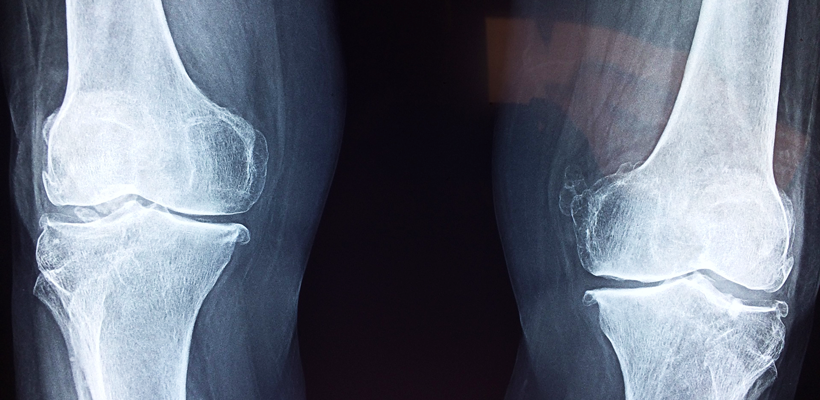
Obesity increases the incidence, rate, and severity of knee dislocations
A study of more than 19,000 knee dislocations in the US between 2000 and 2012 has shown the devastating impact that obesity is having on traumatic injuries. The study, from Brown University, was conducted due to the correlation of increasing rates of obesity and rates of knee dislocations. The authors have also noted how low-impact causes, that result in dislocation, are now on the rise. In order to understand what was causing these changes, the researchers used data from a twelve-year period and found that people with obesity made up an increasing portion of knee dislocation patients – rising from 8 percent in 2000 to 19 percent in 2012.
The team also found that vascular injury was more common in patients with obesity; this is particularly worrying as vascular compromise can easily lead to amputation if left untreated or undiscovered. The authors of the study commented that this was also disturbing as many low impact knee dislocations are traditionally thought to not result in vascular compromise, this study highlights the importance of double checking for clinicians who are treating overweight or patients with obesity specifically. Whilst the data itself ends in 2012 the authors are quite sure that the trends have continued and hope that more notice of these injuries and their severity will be taken.
Read More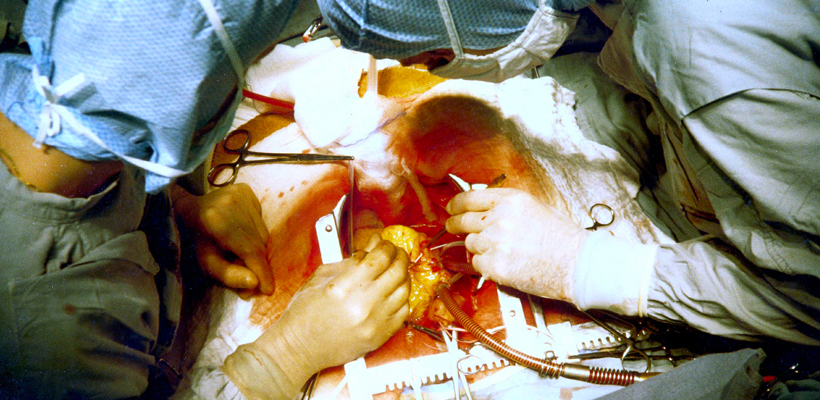
Obese older adults that have undergone cardiac surgery at higher risk of poor functioning
Obese older adults, that have undergone cardiac surgery, are known to have an increased number of post-operative complications. A recent study from the University of Pennsylvania has analysed the impact of these complications on overweight and obese people’s activities of daily living (ADLs) – such as eating, bathing, dressing and using the toilet. In total, data from 1,731 individuals were examined, all of whom had undergone cardiac surgery. It was found that 34 percent of these were obese and 66 percent were not, these participants were then followed over a period of two years.
The researchers found that 22 percent of participants with obesity who had had heart surgery were less able to perform their ADLs within two years, whereas 17 percent of overweight or normal weight individuals had similar problems. Further to this 10.5 percent of participants with obesity had died within 2 years, whereas 13.8 percent of non-obese participants passed away. Using these findings, the researchers concluded that obese adults with a history of heart surgery would live with greater degrees of functional impairment within two years, especially if they are under 80. The relationship between obesity and ADLs was found to be far more complex above the age of 80 and the team are hoping to continue their research into this area.
Read More
Focus on teeth to keep children healthy
New research from the Sahlgrenska Academy in the University of Gothenburg has called for people to use dental health as a means of keeping children at a normal weight. The team hope that by talking about eating behaviours rather than weight itself, it could be possible to tackle the main issue from a different angle. The research used data from a number of sub-studies enabling the authors to assess a range of variables. Using data from 271 pre-school and primary children, the researchers were able to compare the presence of cariogenic bacteria in saliva to the weight of an individual. They found that children with a higher number of dental caries were more likely to be overweight or obese.
They also found that children who were counselled on a ‘balanced diet’ also had improved mental health throughout the course of the studies. The research went on to show that self-esteem is linked to healthier eating habits, even as long as two years later. One of the main authors, Louis Arvidsson, hopes that the results from this study will help parents when it comes to choosing what kind of food is made available to children, and what kind of behaviours are instilled in those children from a young age.
Read More
Engineered protein lowers weight in rodents and primates
Researchers from Amgen Inc. have engineered a novel protein that has demonstrated the ability to lower the weight of mice, rats and primates; the subsequent paper has been published in Science Translational Medicine. The authors based their research on the observation that obese mammals have elevated serum concentrations of the protein GDF15, when compared to normal weight controls. GDF15 itself has a short half-life, so the team were keen to not only alter the effects of the protein, but to also make it last longer in the body. A new fusion protein was generated and by modifying the protein the team were able to delay gastric emptying and alter food preferences, thereby reducing body weight.
The team noted that the effects from the altered protein were similar to those that are observed post bariatric surgery in obese patients. It is thought that GDF15 activates a population of nerve cells called AP neurons that make up a portion of the communication between the gut and the brain. However, the team are keen to point out that much more research is needed into the use of the protein before it is considered as a potential therapeutic agent.
Read More