

Black tea promotes weight loss
A group of researchers from the University of California – Los Angeles have demonstrated that black tea may be helpful in promoting weight loss by altering the bacteria found in your gut. Using mice models, the researchers were able to change the ratio of intestinal bacteria so that obesity associated bacteria were replaced with lean mass associated bacteria. Previous studies have highlighted polyphenols in green tea, which get absorbed and alter energy metabolism in the liver, this study has shown that black tea polyphenols, which are too large to be absorbed also stimulate growth in the gut bacteria.
During the study the mice were split into groups and fed varying diets and green and black tea extracts, samples were then collected from their intestines and livers (to measure fat deposits). In mice that had been given the black tea extract there was an increase in a bacteria called Pseduobutyrivibrio, which may explain the differences between the effects of green and black tea. The researchers are hoping to continue this body of work and further examine how we can alter our gut microbiome.
Read More
Recommendations for weight management in women
A group of researchers from the Mayo Clinic have led a review of weight gain risks and challenges faced by women in midlife; this has led them to propose a series of recommendations for this patient group. They found that the average weight gain for women in their 50s and 60s was 1.5 pounds per year, with much of that weight being abdominal, which is linked to a higher risk of cardiovascular disease. The researchers were particularly interested in this group due to the challenges of maintaining a healthy weight that these women face. Mood changes, sleep disturbance, hot flushes and many other symptoms of the menopause can disrupt what may have been a previously healthy life.
They recommend that primary care providers screen this patient group for overweight, and establish behavioural interventions (including psychological support) early. Further to this, management of menopausal symptoms is of importance as it enables women to focus on health lifestyle changes, this could be done using hormone replacement therapy. By targeting the lifestyle habits during midlife, further negative health consequences can be avoided in the future.
Read More
Weight loss at any age results in cost savings
A study from Johns Hopkins University School of Public Health has suggested that helping an adult lose weight leads to significant cost savings. The peak for these savings is when the individual is 50 years old. These costs include direct medical costs as well as productivity losses over their lifetime, further to this weight loss from obesity to overweight, or overweight to a healthy weight both show savings. However, finishing at a healthy weight is associated with a larger saving.
For the study itself the researchers developed a computational simulation to represent the adult population of the USA, this also showed the lifetime costs and health effects for an individual with obesity, overweight, and a healthy weight. The simulation also took into account medical costs to insurance companies, as well as direct medical costs and productivity loss due to sick days. Many previous simulations have only taken into account one or two chronic diseases that are a consequence of obesity, this study included a range in order to make the predictions more accurate. It is hoped that the results of this study can be used to inform policymakers about the specific costs of obesity and therefore design more effective interventions that can be targeted at particular patient groups.
Read More
Tailoring obesity treatment by slowing stomach emptying
Liraglutide is a medication that is already used to treat Type 2 Diabetes and obesity. A recent study has shown that injections with the drug over a three month period are associated with a marked slowing of stomach emptying, and could therefore be used as an effective weight loss therapy. The authors found that the degree of stomach emptying delay was significantly associated with the amount of weight lost for that individual. For the study, 40 individuals with BMIs greater than 30 kg/m2 were randomised into a treatment group and a placebo group, measurements were then taken on a weekly basis for 16 weeks.
Using this information, it may be possible to measure the degree of stomach emptying delay and use the figure as a predictor of weight loss, thereby helping to tailor specific programmes. Individualised treatment based on the unique response of the patient will ensure that they are receiving the best therapies whilst also reducing the chances of using treatments that aren’t likely to help.
Read More
Night shifts increase chance of obesity
A recent meta-analysis has found that night shift work is associated with a 29% increased risk of overweight and obesity. The analysis itself involved 28 studies and has been published in Obesity Reviews. It recommended that people should modify working schedules as much as possible to avoid prolonged and permanent night shift work. The authors have also suggested that the risk of overweight is increased due to the disruption of the body’s natural cycles (known as circadian rhythms), for example, melatonin plays a key role in synchronising your internal clock. It also regulates the release of various hormones that are metabolically active and therefore influence your weight. Circadian disruption itself is a consequence of exposure to light at night, which can suppress the amount of melatonin that you produce.
It was also highlighted in the study that night shift workers had a higher frequency of developing abdominal obesity than other obesity types. The authors are hoping to carry out more accurate and detailed measurement on shift work patterns in the future.
Read More
An all-round approach to weight management
Obesity not only has effects on an individual’s health, but it takes its toll on health systems as a whole. Each year budgets are increasing to help support the services that treat, and prevent, obesity and obesity related illnesses. A multi-pronged strategy is required to combat obesity and its effects. In a recent study in Australia, researchers have sought to identify those most at risk of the disease; the study included more than 1.3 million pregnant women, and is being described as the largest study and most comprehensive of its kind. The country itself has committed $20 billion to maximise the effectiveness of studies such as these and to implement the recommendations that they propose.
Experts are also hoping to use these funds to create a ‘co-ordinated national approach’ to respond to the epidemic. This approach would include a prevention strategy, stronger regulation and legislation, recognition of obesity as a chronic disease, and more education and upskilling for healthcare workers. One area that they are particularly keen to promote is education within the sphere of health practitioners, so that these workers are aware of the best treatment strategies for their patients. If an effective national approach can be developed in Australia, many countries may follow suit in order to tackle the growing problem of obesity.
http://www.theaustralian.com.au/news/health-science/obesity-wider-seats-larger-beds-bigger-budgets/news-story/a90b5924660af2fbc80f074b9c4141a8

Energy dense foods can increase cancer risk
There is a proven link between obesity and cancer risk, however few studies have examined the link between energy density of food and cancer risk. In a study published in the Journal of the Academy of Nutrition and Dietetics, researchers analysed dietary energy density (DED) in the diets of post-menopausal women. DED itself is a measure of the calories per gram of weight that a food has and it is also a measure of food quality. Therefore, foods such as fruits and vegetables are low-DED foods, where processed foods such as hamburgers are high-DED as you require more to get nutrients out of them.
In total, data on 90,000 women was obtained and it was found that high DED foods were linked with a 10% increase in obesity-related cancer. This increased risk was limited to women who were of a normal weight at the start of the study. The findings show that weight management itself may not be adequate in preventing obesity related cancers, if women continue to consume a diet pattern of high DED. The exact mechanism of the link of DED and cancers is unknown, but the researchers hypothesise that it is due to metabolic dysregulation, however more research is required to be sure.
Read More
Early weight gain in pregnancy can lead to childhood obesity
A recent large study, published in Obesity, has shown that weight gain in early pregnancy has a great impact on infant size and childhood obesity. The study examined 16,218 pregnant mothers in China in all three trimesters. It found that weight gain in the first trimester, regardless of weight gain later, had the greatest impact on infant size; in fact infants born to women with weight gain that exceeds the 2009 Institute of Medicine guidelines were 2.5 times more likely to be born large. It has been known for some time that weight gain in pregnancy can lead to larger babies, but this is the first study of its kind to examine in-depth timings to gestational weight gain and its effect.
The study authors hope that women who are pregnant, or are planning to become pregnant, can use these findings to help regulate their health and subsequently their child’s health throughout their pregnancy. Especially since this early period of pregnancy is an ideal time to initiate lifestyle interventions. The study itself is one of the largest and most well-defined studies of its kind and experts are hoping that similar research will be undertaken to further our knowledge in this area.
Read More
Changing physicians’ mindsets on obesity
An initiative at Touro University College of Osteopathic Medicine has focused on reducing medical students’ negative attitude towards obese people. It is hoped that with this shift in mindset there will be better outcomes for heavier patients. The main idea behind the initiative is to shift the focus of individual responsibility when it comes to a person’s weight and make it a treatable condition. This is a similar strategy to the way that mental health medicine has changed over the years, for example 50 years ago patients with depression were commonly told to ‘get over it’, however now it is seen as a fully treatable condition.
The initiative itself was launched in 2012 and measured medical students’ attitudes using a ‘Fat Phobia Scale’, which identifies stereotypical beliefs such as obese people being lazy. After receiving information on the causes and treatment options for obesity, the same students’ attitudes were assessed at the end of each academic year. Those who completed the program reduced their bias by an average of 7 percent. It is hoped that if these attitude changes become widespread then physicans will spend more time with their overweight patients and take more care of them. Further to this, the authors explained that many patients feel too embarrassed to visit their doctors if they are received with a negative attitude. Based on the results of the four year course, the authors are hoping to expand the course online, making it available at other medical schools. This will also make it possible to gauge the effect on patient outcomes in the near future.
Read More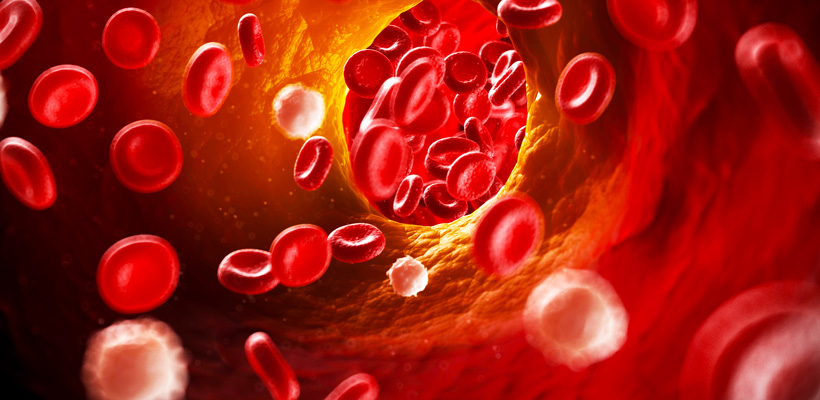
Blood-thinning therapy may limit metabolic inflammation
A study published in the Journal of Clinical Investigation has discovered a previously unknown link between obesity and inflammation. By testing genetically manipulated mouse tissue as well as human tissue from obese people, the researchers were able to identify that fibrinogen – a glycoprotein that features in clotting – binds to certain cells that fuel diet-induced obesity. Obesity promotes activation of the clotting system that leads to the conversion of fibrinogen to insoluble fibrin, this in turn leads to accumulation of white blood cells and inflammation. The researchers hope that by targeting fibrin or fibrinogen they may be able to limit the progression of obesity related disease.
By using a drug called dabigatran they were able to block the activity of the enzyme thrombin; this enzyme catalyses the conversion of fibrinogen to fibrin. In the mice this meant that they were protected from the onset of obesity related disease. In order to further prove their results, the scientists assessed the incidence of obesity related disease in genetically modified mice. These mice had a mutant form of fibrinogen and it was found that they were significantly protected from weight gain; they also had markedly less systemic inflammation. The researchers are hoping to continue their work in the future by assessing the effects of dabigatran on patients that are already taking it, whilst also examining the full effect of fibrin on inflammation and obesity.
Read More
Early weight loss surgery associated with better outcomes
A new study has shown that only one in three patients who undergo bariatric surgery succeed in getting their BMI under 30. However this rate was much higher for those that had surgery under the BMI of 40, regarded as ‘morbid obesity’. The findings of this study are published in JAMA Surgery and they could help surgeons counsel potential patients about the best timing for their surgery and about their weight loss expectations afterwards. Data from 27,320 surgeries over a 10-year period were used and on average the patients had a BMI of 48 before the operation and got down to 33 by the end of the first year. Around 36% of patients achieved a BMI of under 30 with less than 9% of those that went into surgery with a BMI of above 50 getting down to 30 or below.
In the USA, the National Institute of Health uses a BMI of 40 as the threshold for bariatric surgery, alternatively it is 35 for those patients that are also suffering from obesity related health conditions. It is also an issue in the USA that insurers often require that patients undergo medically supervised weight-loss programs for at least a year before their surgery will be covered. This data may help to show that with an earlier surgical intervention, further health problems in the obese may be avoided. The authors of this study are hoping that their results will help inform referrals for surgery as well as insurance company requirements.
Read More
Childhood experiences direct towards obesity
A new study from Florida State University has found that people who experience unpredictable childhoods face a higher risk of becoming obese as adults. Past research has shown a link between low socioeconomic status and obesity; however the reason behind it has often been overlooked. One theory suggests that it is due to stressors leading to a wide variety of negative outcomes. This study hypothesised with a perspective called ‘Life History Theory’, which says that people have a limited amount of reproductive energy in life and the way they use that energy is influenced by the structure that they experience during their childhoods.
The researchers go on to explain that many children who experience unpredictable childhood issues such as divorce, crime or frequent moves are more likely to live in the moment and make short term decisions, whilst not planning for the future appropriately. In contrast, predictable childhoods teach that planning for the future is good and as adults these children tend to form long-term goals. The authors admit that their research is not definitive and does not provide a clear answer for the problem of obesity; however they explain that past research has only vaguely encouraged families to reduce stressors without any guidance. This study may provide some ideas on how to help these families by creating structure and predictability for children.
Read More