
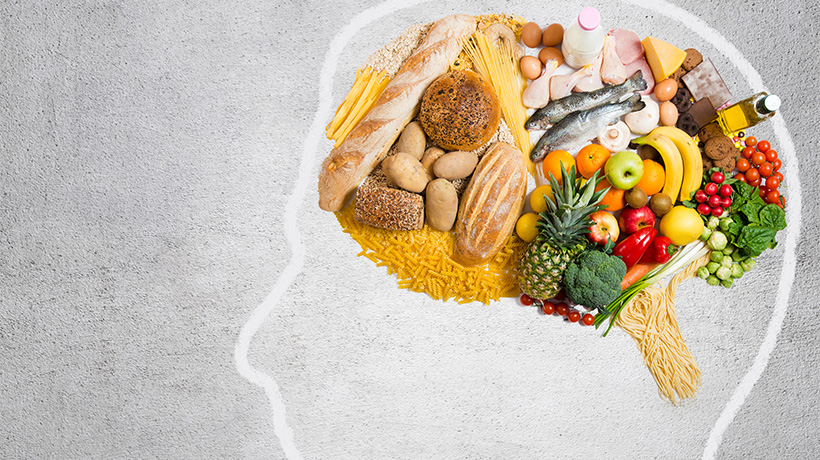
‘Everything in Moderation’ could be poor nutrition advice
A diverse diet may be a poorer one, and also bad for your metabolic health. Using data from 6,814 participants, scientists from the University of Texas Health Science Centre measured diet diversity and change in waist circumference over 10 years. Diet diversity is defined as less similarity amongst the foods that people eat; it was measured by the ‘total count’ (of varying foods eaten in a week), ‘evenness’ (the equality of calories spread over the foods eaten), and ‘dissimilarity’ (the characteristics of some foods that might contribute to metabolic health, for example trans-fat content or fibre).
The researchers managed to dissect the nerve fibres from mice that innervated adipocytes and assess the functional relevance of these neurones. They observed obvious fat breakdown and fat mass reduction on activation of the sympathetic neurones. This study has not only clarified how leptin has its lipolytic effect but suggests new therapeutic strategies for overcoming the central leptin resistance seen in obesity.
Read More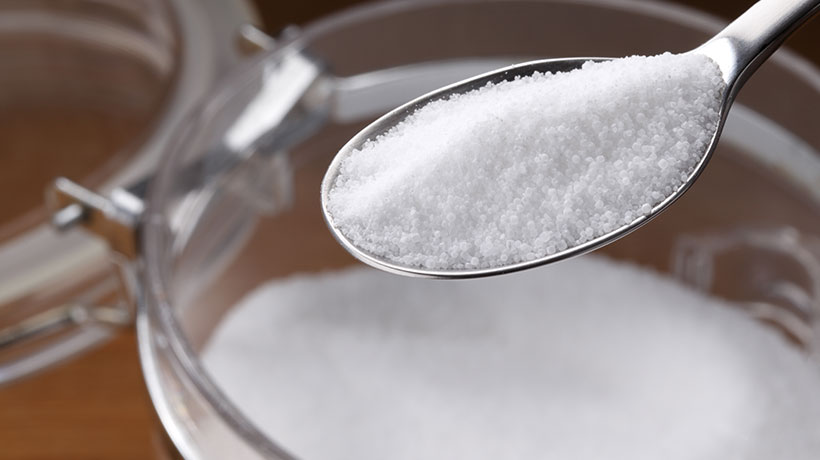
Has sugar been proven to be toxic?
Reducing consumption of sugar in children, without reducing calories or losing weight, can reverse the symptoms of metabolic syndrome. It is widely known that sugar has a detrimental effect on weight, however this study from California suggests that it is metabolically harmful, simply due to the fact that it is sugar. Dr Robert Lustig, the study’s lead author, claimed that his work was the ‘strongest evidence to date that the negative effects of sugar are not because of calories or obesity’, but that it contributes to metabolic syndrome differently. The study was carried out on 43 children between the ages of 9 and 18 who were all obese, with at least one other metabolic disorder.
After evaluating total count and evenness the researchers found that there was no association with waist circumference, however, those participants with the greatest dissimilarity experienced increased weight gain. Diet quality was also measured using the Dietary Approaches to Stop Hypertension (DASH) score and the Alternative Healthy Eating Index (AHEI) score. It was found that participants that had a greater dissimilarity also had a poorer quality. This suggests that in modern diets, eating ‘everything in moderation’ could be more detrimental than eating a smaller number of healthy foods. This shows that there should be increased focus on the consumption of more healthy foods in order to create a varied diet.
Read More
Can weight loss surgery be a cure for diabetes?
Gastric bypass surgery can lead to remission of type 2 diabetes. A recent study published in the American Journal of Physiology — Regulatory, Integrative and Comparative Physiology, aimed to find out why Roux-en-Y bypass surgery improves insulin sensitivity. Insulin transfers sugar from the blood into storage sites around the body, such as skeletal muscle and fat tissue. Poor insulin sensitivity means that that this process is slowed down, leading to a high blood sugar level, this is commonly known as type 2 diabetes and is prevalent in obese people.
The study looked at abdominal fat and thigh muscle samples taken before and after gastric bypass surgery. Significant improvement was seen in insulin sensitivity by 12 months after surgery, with the greatest improvement being noticed in fat tissue, suggesting that it plays a more prominent role in insulin sensitivity than previously thought. Overall, the study suggests interesting interactions between insulin and fat tissue, whilst showing that Roux-en-Y gastric bypass could contribute more in treating insulin sensitivity.
Read More
Bariatric surgery alters our brains
A finnish study has shown that bariatric surgery along with weight loss normalises the brains opioid neurotransmission, which is involved in generating a feeling of pleasure. The research highlights how obesity has an effect at the molecular level within the brain and how much weight loss can affect this. The findings suggest that a lack of opioid receptors (which cause a feeling of pleasure), in the brains of obese individuals, means that they must eat more in order to feel pleasure.
Furthermore, as the levels of receptors normalised after weight loss, it is understood that lower levels in obese people is a consequence of obesity, rather than a cause. This finding helps us understand the molecular involvement of obesity on a much different level than previously thought, and may provide a new option for behavioural and pharmacological treatment.
Read More
How much sugar is too much sugar?
A new study published in the journal Obesity has shown that proposed changes in the ‘Nutrition Facts’ label on food will help people understand how much sugar they are consuming. The Canadian study aimed to test the efficacy of formats for labelling on food, showing the total and added sugar. The researchers conducted studies on 2,000 16-24 year olds and found that adding a percentage daily value for added sugar helped them identify foods with ‘too much’ sugar in.
At first these young people found it difficult to correctly identify foods high in sugar, but with added labels and percentage values they understood more and felt that they would be less inclined to consume those foods high in sugar. The study highlights the fact that whilst it is important to research the different types of treatment for obesity, we must not forget that prevention is better than a cure and that obesity can be stopped by even the simplest of measures.
Read More
Mothers find it difficult to admit that their children are obese
Admitting that they themselves are obese is easier for a mother than admitting their child is. This comes after a study conducted in Ireland found that mothers were more honest and accurate about their own height and weight, but only 17% of mothers of obese children could admit that their child was overweight. This means that they are less likely to seek help and intervene due to their child’s weight, increasing the chances of the child gaining more weight, and eventually tracking this into adulthood.
The effect is more apparent in the cases of overweight daughters, where mothers are far less likely to admit that their daughters were obese than their sons. Identifying the problem is the first step to solving it, and by not recognising their children’s problems some mothers may be subconsciously putting their children at increased health risks. The researchers suggested that the problem may arise due to the fact that mothers are not objectively measuring their children, but could be comparing them to their peers. Furthermore, if a mother does identify her child as overweight, she may feel that she needs to intervene and upset the child, and therefore avoids this. In summary, the study called for more open and honest discussions between health professionals, parents and children in order to maintain healthy weight in the young.
Read More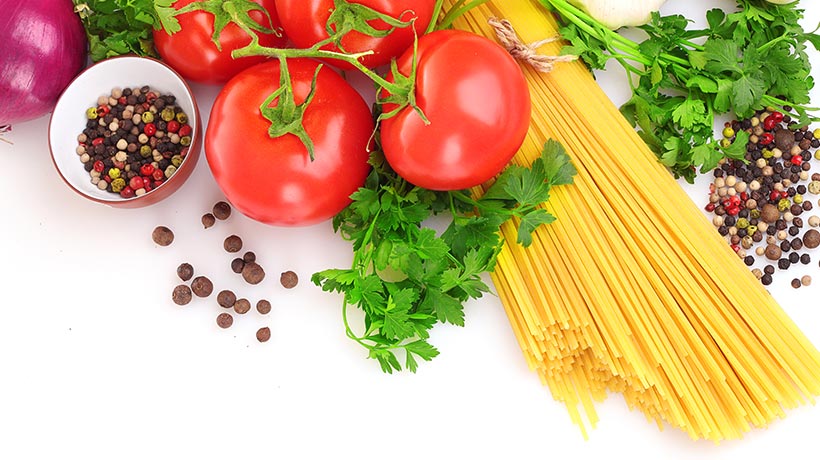
Focus on nutritional value, not calorific content
It’s time we stopped counting calories in food and started to pay more attention to its nutritional value if we are to cut illness from cardiovascular disease and curb obesity. This comes from an editorial published in the online journal Open Heart
Using published evidence, Drs Aseem Malhotra & James Di Nicolantonio, along with Professor Simon Capewell discuss that, much like stopping smoking, simple dietary changes can have a profound effect on health outcomes. They highlight the effects of increasing the amount of omega 3 fatty acid, olive oil and nuts in the reduction in deaths from cardiovascular disease.
They consider there is far too much focus on the calorific content of foods, whilst less attention is paid to the actual nutritional value of food. The overall cost of obesity related illness is in the region of £27 billion, a small mind-set change could therefore have a great effect on the economy. They also suggest that population-wide policies might achieve a more rapid reduction in disease, whilst also highlighting the need for change in focus, citing a potential government subsidy in fruit and vegetables as a possibility. In conclusion, they recommend that a Mediterranean type diet would be the best place to start as this will not only have health benefits, but will also highlight nutritional benefits of food to the general population. This would include emphasising the consumption of plant-based food such as fruit, vegetables and nuts, whilst also replacing butter with healthier fats such as olive oil, limitingred meat and eating more fish and poultry
Read More
How obesity can affect stillbirth
Obese pregnant women are twice as likely to have stillbirths than their normal weight counterparts. Researchers at the University of Pittsburgh Graduate School of Public Health analysed data from 658 stillbirths (defined as reaching 16 weeks gestation and showing no evidence of life after delivery), mothers were described as lean, overweight, obese or severely obese. The rate of stillbirths per 1,000 was 7.7 for lean women, and 17.3 for severely obese women.
Lead author, Dr Lisa Bodnar, said, “We’ve known for some time that obese women are more likely to have stillbirths, but this is one of the first and most comprehensive efforts to figure out why”. Due to the study’s design it was difficult to prove cause and effect relationships, it was only possible to prove association. The most common causes of stillbirth amongst the obese population are placental diseases and hypertension. Foetal abnormalities, meaning the child would be unlikely to survive post-partum, and umbilical cord abnormalities were also highlighted as common causes. The results from this study show that obstetricians need to monitor the weight of pregnant and pre-pregnant women in order to avoid some, potentially tragic, complications.
Read More
Good things come in Small Packages
A Cochrane review has shown that smaller portions, packages and tableware leads to the consumption of less food. The review analysed 72 studies over a span of 35 years, and concluded that ‘successfully reducing the size, availability and appeal of larger-sized portions, packages and tableware contributes to meaningful reductions in quantities of food people select and consume’.
For many years portion sizes have been increasing, and now a normal portion is much larger than it used to be This study aimed to prove that not only do portion sizes, but also package sizes and tableware, make a huge difference to consumption. The analysis suggested the potential of cutting 500 calories a day for US citizens, through the use of smaller portions. The study authors hope that the findings will provide fresh impetus for open discussion on how reducing the size, availability and appeal of large servings can be achieved in the public and commercial sectors.
Read More
Fat responds to nerves activation
A breakthrough study has shown how fat is innervated and how direct stimulation can lead to fat breakdown. This comes after collaborative research from Instituto Gulbenkian de Ciência in Portugal and the Rockefeller University in the USA. Almost 20 years ago the same team, at the Rockefeller Univesity, discovered leptin, the hormone that is released by fat cells, that tell the brain how much fat is in the body. Low levels increase appetite, whilst high levels increase fat breakdown. However, it was not known how the lipolytic effect of leptin was mediated.
The researchers managed to dissect the nerve fibres from mice that innervated adipocytes and assess the functional relevance of these neurones. They observed obvious fat breakdown and fat mass reduction on activation of the sympathetic neurones. This study has not only clarified how leptin has its lipolytic effect but suggests new therapeutic strategies for overcoming the central leptin resistance seen in obesity.
Read More
Can chemicals cause obesity?
The Endocrine Society have warned that exposure to certain chemicals can lead to obesity and diabetes. The new publication builds on the Society’s 2009 report which examined the role of Endocrine Disrupting Chemicals (EDCs) and human health. A study over 5 years was carried out in order to discover the potential role of EDCs in the development of obesity and diabetes. EDCs mimic, block and interfere with hormones within the body, this in turn alters the way cells within the body develop.
EDCs include dioxin chemicals produced during waste incineration, polychlorinated biphenyls, pesticides and bisphenol A (found in food can linings and receipts). Andrea Gore, Vacek Chair of Pharmacology at the University of Texas said ‘the evidence is more definitive than ever before – EDCs disrupt hormones in a manner that harms human health.’ The Society called for additional research to be carried out to discover more about the mechanisms involved; regulation to ensure that exposure to chemicals is minimised; creation of products that are safe; and education for the public and policy makers so that EDCs are kept out of food, water and the air.
Read More
Children with severe obesity at high cardiometabolic risk
A new study carried out in North Carolina has found that children with severe obesity are at a much higher risk of developing heart disease and diabetes than those of a normal weight. Dr Ashley Cockrell Skinner, the lead researcher said that the ‘findings show a direct correlation between higher levels of obesity and adverse cardiometabolic risk factors that can lead to future disease’.
Researchers analysed data from 8,579 overweight or obese children from 3 to 19 years of age, using the Centers for Disease Control and Prevention growth charts. They found that the higher the severity of obesity, the higher the risks of a low HDL cholesterol level, high systolic and diastolic blood pressures, and high triglyceride and glycated haemoglobin levels. These are all well-known markers for cardiometabolic diseases. The researchers recommended that prevention and intervention strategies that look at reducing obesity in early life should receive much more attention, as it is too long to wait before the risk factors lead to disease. The paper highlights the need for increased attention to the issues that contribute to childhood obesity.
Read More