

Can childhood antibiotic use lead to obesity?
Early antibiotic use has been linked to a number of rare long-term health consequences, but a new study published in Gastroenterology has suggested that it can also lead to obesity. The study was performed in the UK and found that increased antibiotic exposure before the age of 2 can lead to a higher risk of being classed as obese by age 4. This was described with a 1.2% increased absolute risk and a 25% relative increase in risk of exposed children to non-exposed children. The risk was seen as strongest with repeated exposures, particularly with 3 or more courses of antibiotics.
Antibiotics have been used to promote weight gain in livestock for many years now, and this study has shown that similar results may be observed in humans. Over prescription of antibiotics is a common worldwide problem that has not only led to antibiotic resistance, but now may also increase the global burden of obesity. The researchers explained that antibiotics should still be used when necessary, but doctors and parents should think twice about prescribing unless they are clearly indicated. Further research is underway to explore if there is any relationship with adolescent weight and antibiotic use, also research is being conducted in the type of antibiotics used and if that has an effect on the amount of weight gained.
Read More
Weight loss and protein diet improves sleep quality
Overweight and obese individuals who are losing weight whilst adhering to a high protein diet will benefit from high quality sleep. This is the finding from a recent study conducted at Purdue University in Indiana, USA. Whilst many studies have looked into the effect of sleep on diet and weight control, this research aimed to reverse the viewpoints and see if particular diets and weight loss, specifically protein controlled diets, had any effect on sleep patterns and quality. The main study involved 44 participants, half of whom were given a normal protein diet, whilst the others were given a high protein diet. They were then given a survey on sleep quality to complete, and after 3 to 4 months of dietary intervention, the group on the high-protein diet that were also losing weight reported an overall better quality of sleep than their counterparts.
Jing Zhou, the lead author explained that short sleep duration and poor quality sleep can lead to metabolic and cardiovascular disturbances, and by better understanding how changes to lifestyle and diet can affect sleep we can help improve the health of different populations. Sleep is a very important modifier of an individual’s health, and the team that carried out this research are hoping to continue in the same vein and complete more objective measurements of sleep quality in order to confirm their results.
Read More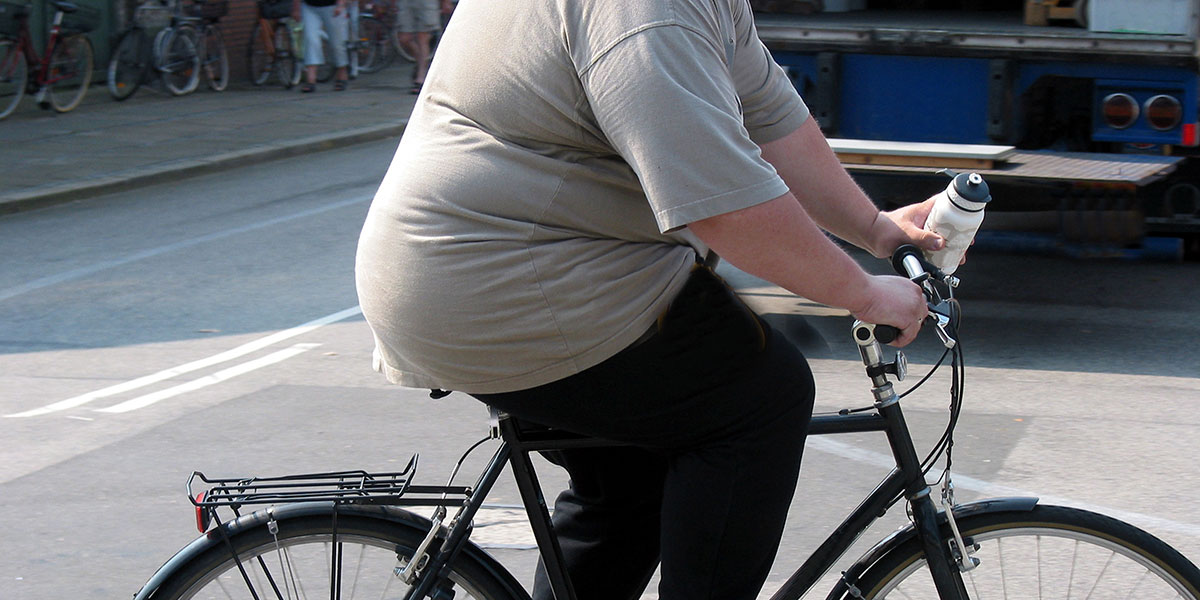
The dangers of belly fat are revealed
A recent review of current literature has revealed a clear correlation between high BMI, waist circumference and an increased risk of heart failure. Researchers from Imperial College London and the Norwegian University of Science and Technology have conducted a meta-analysis that showed that overweight, as well as obesity, increases the risk of heart failure. Overall, overweight individuals were considered to have a 35% increased risk of heart failure than their normal weight counterparts, whilst obesity increased the risk by 2 to 3 times.
The paper included 23 studies that included 650,000 participants in total, they also found that the distribution of one’s fat plays a major role in the development of heart failure; a 10cm increase in waist circumference was linked to a 29% higher risk of heart failure. The authors hope that the paper will reinforce the suggestions of measuring patients’ waist circumference in regular medical examinations throughout the world. Whilst the researchers have found correlations, they admit that direct causation mustn’t be the final conclusion drawn, rather that increased waist circumference is one of many factors that can ultimately lead to heart failure.
Read More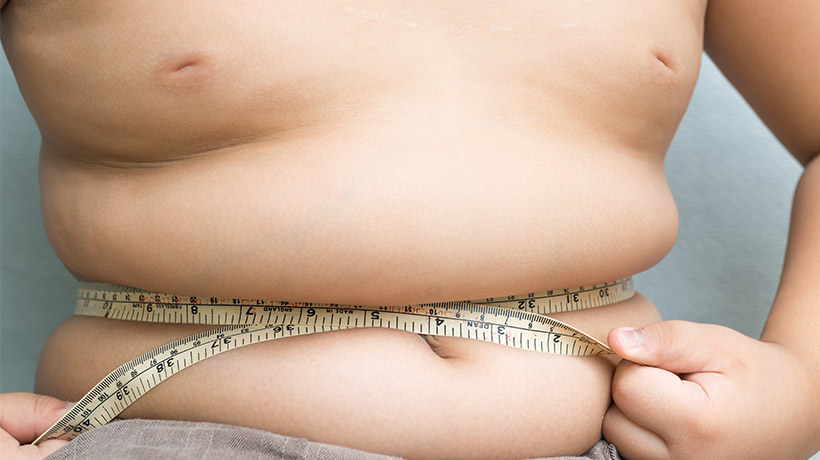
Children with a high BMI more likely to have pedestrian injuries
A study conducted at the University of Iowa has shown that overweight and obese children are at a greater risk for pedestrian injury. The researchers examined 206 children between the ages of 7 and 8 in a virtual environment. By studying the choices that these children make in traffic simulations they found that obese children were more impulsive and impatient than their peers. The children completed 30 virtual road crossings and were also asked to choose between different pedestrian routes. The researchers also found that girls are more cautious at road junctions than boys.
Elizabeth O’Neal, the lead author, explained that examining the risk of pedestrian injury represented a new avenue of research in childhood obesity and that it was not well developed. She went on to speculate that one of the reasons why these children are making riskier choices at road intersections was because obesity puts increased stress on the joints, and these children are merely trying to expedite the crossing to reduce this. The choices that these children make may however be more of a reflection of the increased impulsivity of obese people and show how obesity affects behaviours that can have large impacts on health.
Read More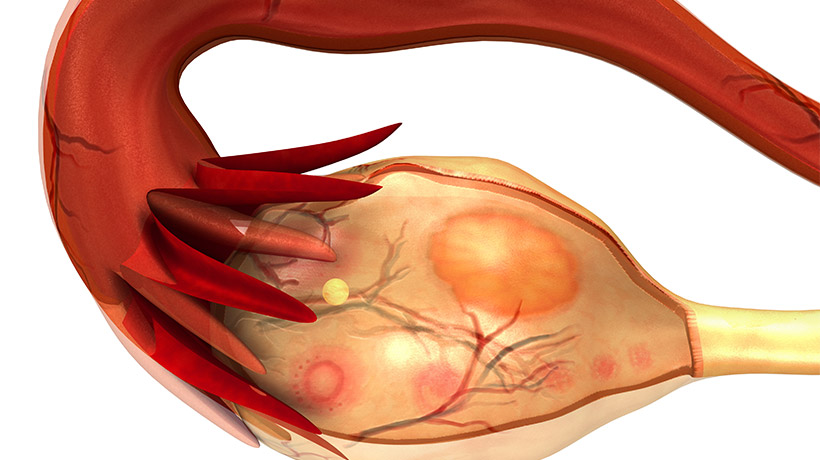
Gut microbiome change to treat polycystic ovary syndrome
A new study suggests that modifying gut bacteria may help treat the symptoms of those suffering with polycystic ovaries syndrome (PCOS). Researchers at San Diego University in California used mouse models that mimicked PCOS by administering letrozole, which caused hyperandrogenism, this is seen in 80% of PCOS sufferers. Half the mice were given letrozole, whilst the other half received a placebo. After 5 weeks, the letrozole group had gained more weight and were significantly fatter than the control group.
After analysing faecal samples of the two groups in order to assess the types of bacteria present, the researchers found that there was reduced diversity in the letrozole group; usually without any drugs the gut microbiome would change more. They also found that there was an increase in certain types of bacteria that are commonly seen in obese mice and humans in this group. However it was unclear whether the changes in the gut bacteria were caused by the weight gain, or were the cause of it, early analysis suggests that the bacteria may in fact be responsible for the obesity. If this is the case, then the researchers are keen to use probiotics as a possible prevention or treatment strategy for obesity.
Read More
Obesity increases risk factor for rare types of stroke in women
Obese women who use the oral contraceptive pill (OCP) are at an increased risk of cerebral venous thrombosis (CVT), compared with their normal weight peers that do not use the OCP. Researchers from the Netherlands conducted a small study into the associations between weight, OCP and CVT. They found an almost 30-fold increased risk in obese women taking OCP when compared to normal weight women not taking OCP. CVT is a rare condition that mainly affects young adults and children, it is known that OCP contributes to an increased risk for its development, but no studies so far have been carried out into the associations with obesity.
The authors say that the links that they have shown may make doctors reluctant to prescribe OCP to obese women, however although the relative risks have increased dramatically, the absolute risks are still small. Furthermore, by withholding the prescription of OCP there may be an increase in pregnancies, which will carry a host of further health risks such as pregnancy-related thrombosis. The researchers also go on to say that according to their data, obese women should be informed of the risk and it is then up to them whether they would like to take it or not.
Read More
Tailor made fat storage a thing of the present
New research has shown that the combination of bone marrow technology and genetic engineering could result in the manipulation of fat storage and production. A report was released in the March 2016 issue of the Federation of American Societies for Experimental Biology which suggests that some human fat cells are actually produced from stem cells in bone marrow. Therefore, research is underway in order to manipulate the production of these fat cells in order to reduce both obesity and the risks of the diseases associated with it.
The researchers recruited patients that had undergone bone marrow transplants; they then took fat tissue samples and matched the DNA in these samples with either the donor or recipient from the transplant. They subsequently found that some of the fat cells contained the donor DNA, meaning that they had originated from the donor stem cells. This discovery highlights the possibility of new strategies to prevent and even reverse fat-related conditions; it’s also helping to unravel the complex and difficult world of obesity treatment.
Read More
Overweight and obesity associated with memory loss
Overweight adults have a reduced ability to recall past memories. This is the conclusion from a study conducted at the University of Cambridge. This small study supports previous evidence that overweight and obesity can cause changes in the structure and function of the brain. Recently obesity has been linked with altered functioning of the hippocampus, the area of the brain that is involved in the formation of memories and learning, whilst also affecting the frontal lobe, which is associated with decision making and emotions. Recalling past events is known as episodic memory, and the research group wanted to further understand obesity’s role in this function.
50 participants aged between 18-35, with BMI range of 18-51, took part in an exercise known as the ‘Treasure-Hunt Task’. This is where participants are asked to mentally ‘hide’ things around a complex scene across 2 days, they were then asked to find these things. An association between higher BMI and poorer performance on the tasks was found. The researchers did concede that the study was small and that further research is required to fully establish a link between obesity and memory loss. Furthermore, they are eager to explore the effects of memory recall of certain meals, as dysfunction here may lead to problems in regulating consumption of certain foods. This would mean that it could be harder to keep track of what an individual has eaten, possibly leading to over eating.
Read More
Peanut snacking may help ward off obesity
A recent study found a reduction in BMI of Hispanic middle school children who took part in a peanut snacking intervention. The study was carried out at the University of Houston and was performed over 12 weeks. The authors observed that snacking is very common amongst adolescents and by stopping the consumption of unhealthy snacks, and initiating the consumption of healthier alternatives, they may be able to address the development of obesity. Before the study was carried out the researchers found that many children skip meals throughout the day, for a number of reasons, and this can cause them to snack more often. Students were given nutritional advice and split into 2 groups, where one received a peanut snack 3-4 times a week, and the other only once. Peanuts were chosen as they are nutrient dense and promote a feeling of satiety.
It was found that the students who received more peanuts experienced are higher reduction of BMI, compared to those that only received peanuts once a week. The authors are keen to emphasise that afterschool programs such as this can have both a direct effect, by reducing the weight of children, but also change the mind-set and food choices of children. They are hoping to continue research into the use of afterschool programs that can prevent obesity.
Read More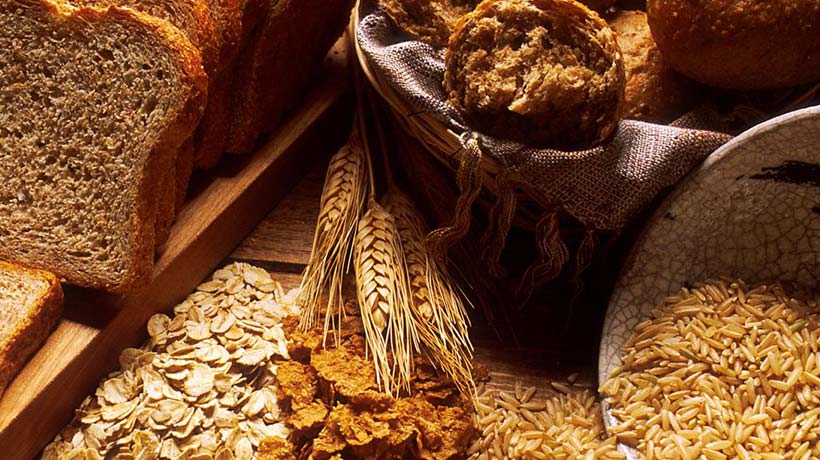
Dietary fibre may hold key to stopping intergenerational obesity
A recent study has shown how prebiotics, forms of dietary fibre, may alter maternal gut bacteria and halt the chances of obesity ‘running in the family’. The researchers, from the University of Calgary, aimed to use diet to change mothers’ gut bacteria in such a way that the intergenerational cycle of obesity was broken. They wanted to do this by identifying healthy foods to feed beneficial bacteria, thereby counteracting the negative effects of unhealthy foods. Prebiotics are naturally occurring forms of dietary fibre and can be found in foods such as garlic, onions and wheat. They are non-digestible and they stimulate and feed health promoting bacteria.
Prebiotic supplements were given to rats and they were also fed high fat and high sugar diets, the other group of rats received the same diet but no supplement. It was found that the rats taking the supplements ate less and eventually had a lower percentage of body fat compared with the control group. Whilst the prebiotic encouraged the growth of ‘good’ bacteria, they also led to the release of hormones that promoted a sense of satiety, meaning that the rats subsequently ate less. The researchers do emphasise however that humans are far more complex than rats, and the use of prebiotics should not be seen as fully transferable yet, or even thought of as a cure for obesity, further study into the use of prebiotics in humans is therefore needed.
Read More
Low carbohydrate and high fat diets lead to rapid weight gain
A new study conducted in mice, has shown that a diet of low carbohydrates and high fats (LCHF) can result in weight gain and health complications after just 8 weeks. The researchers were aiming to assess the efficacy of a range of diets, and found that this type of diet, which is commonly undertaken as part of the Paleo diet, is actually bad for your overall health. They used mice models, in which both groups were showing pre-diabetes symptoms; one group was put on an LCHF diet. They found that the LCHF group experienced rapid weight gain, impaired glucose intolerance and a rise in insulin levels, their fat mass doubled from 2% to 4%. This is the equivalent of a 100kg person gaining 15kg in just 2 months.
A new study conducted in mice, has shown that a diet of low carbohydrates and high fats (LCHF) can result in weight gain and health complications after just 8 weeks. The researchers were aiming to assess the efficacy of a range of diets, and found that this type of diet, which is commonly undertaken as part of the Paleo diet, is actually bad for your overall health. They used mice models, in which both groups were showing pre-diabetes symptoms; one group was put on an LCHF diet. They found that the LCHF group experienced rapid weight gain, impaired glucose intolerance and a rise in insulin levels, their fat mass doubled from 2% to 4%. This is the equivalent of a 100kg person gaining 15kg in just 2 months.
Read More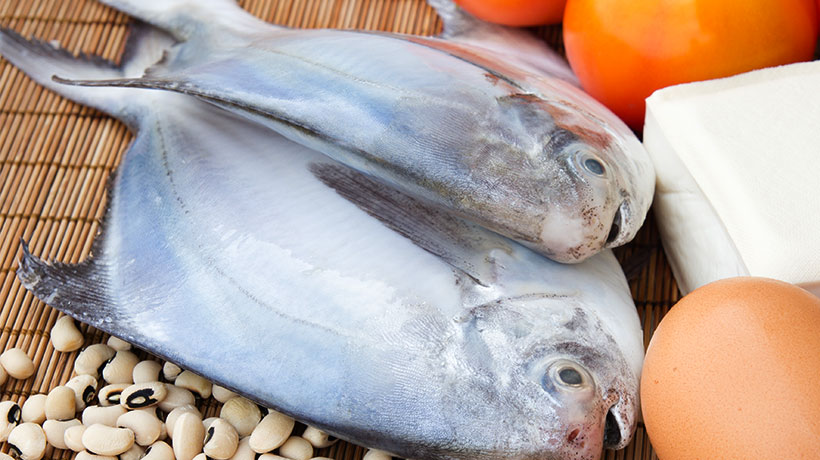
Consumption of fish during pregnancy linked with childhood obesity
Pregnant women who eat fish more than 3 times a week are putting their children at a higher risk of developing obesity than if they did not eat as much of it. This is the conclusion of a new study published in JAMA Paediatrics. Data from 26,184 women were analysed to examine potential associations between maternal fish intake and childhood growth. They found that women who consumed fish more than three times a week gave birth to children with higher BMI levels at ages 2,4, and 6, compared to those who did not eat as much.
The researchers suggest that contamination by environmental pollutants could be the reason for this association. However, the authors did admit that they were not able to collect data on the types of fish consumed, methods of cooking or sources of fish, therefore their hypothesis remains speculative. However, it would seem to agree with the recent guideline released from the USA Food and Drug Administration which suggests that pregnant women should not eat fish more than three times a week due to the possibility of environmental pollutant exposure. Overall, it seems more research will have to be undertaken in order to fully explore and understand the effects of maternal fish consumption and childhood weight.
Read More