

Is exposure to light linked with children’s weight gain?
A new study from the Queensland University of Technology suggests that increased light exposure may play a role in the weight of children. They found that moderate intensity light exposure early in the day was associated with an increased BMI, whilst increased duration of light exposure was also associated with increased BMI 12 months later. The study involved 48 children from ages 3-5 and followed them over a 12-month period. The researchers hypothesised that the increased amount of artificial light that modern day children are exposed to, via phones, tablets and television, might have effects on their metabolism, as this increasing exposure has accompanied an increase in global childhood obesity.
Cassandra Pattinson, the study’s lead author, explained that the timing, intensity and duration of light exposure (both artificial and natural) were already known to have an effect on the ‘circadian rhythm’. This is also known as our internal body clock, and impacts on sleep patterns, metabolism, hormonal changes and weight changes. The researchers hope that the study may pave the way for more exploration about the impact of light on the weight of children and how this knowledge can be used against childhood obesity.
Read More
The high rate of symptoms post-gastric bypass
Although most patients report improved well-being after Roux-en-Y bypass (RYGB) surgery, the prevalence of symptoms was high, and nearly one-third of patients were hospitalised. These are the conclusions from a danish study of 2,238 individuals who underwent RYGB. RYGB has been recognised as a very effective treatment for those suffering from severe obesity, however this study aimed to assess the possible medical, surgical and nutritional symptoms that are experienced by the patients, that could impact upon their quality of life. They found that, of the 1,394 people that replied, 68% had been in contact with various health care systems regarding their symptoms, and 29% had been hospitalised.
The common symptoms were abdominal pain, fatigue, anaemia and gallstones, all of which can greatly affect the quality of life that a patient leads. Interestingly, females reported a higher incidence of symptoms, as did those under 35. The study authors were unable to attribute these differences to specific reasons, however they did stress that the development of weight loss procedures with fewer subsequent symptoms should be a high priority amongst those hoping to treat obesity.
Read More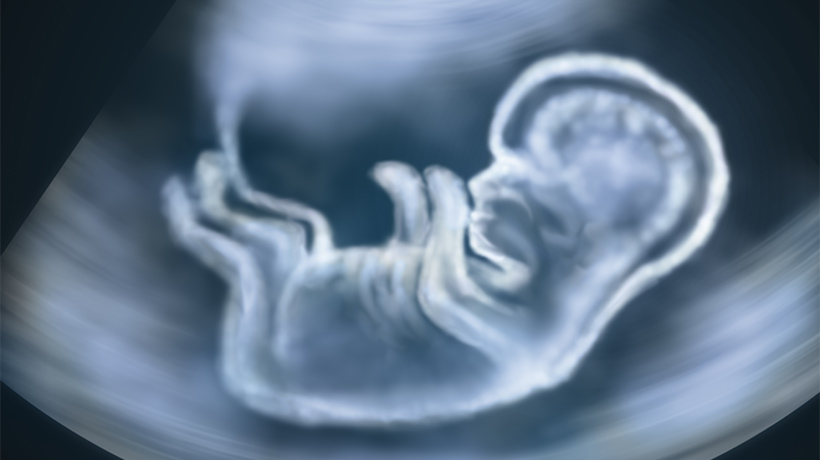
Maternal obesity is detrimental to foetal growth
Maternal obesity results in placental overgrowth and foetal hypoxia (oxygen deficiency). These are the main findings of a a study, conducted in the University of California. Over the past decade, multiple studies have shown that maternal obesity increases morbidity and mortality for both mothers and children. Some of these studies have also suggested a link between placental pathology and maternal obesity.
This study explored the association between obesity and foetal sex on inflammation within the placental tissue on 423 normal/obese pregnant women. Obesity is associated with inflammation in a range of tissues and in this study they found that maternal obesity inflames the placenta and causes it to overgrow, whilst also potentially starving the foetus of oxygen. There was also a large amount of chronic villitis, which is an inflammatory condition that is known to cause foetal growth restriction and recurrent pregnancy loss. This finding was independent of diabetes and hypertension but differences in the condition of the placenta were seen depending on the sex of the children, with female foetuses of obese mothers having higher rates of chronic villitis. However they were unable to fully explain this disparity or correlate it with pregnancy outcomes. The study highlights the fact that mothers should aim to control their weight before becoming pregnant, as obesity can have unseen effects on their child, that may affect its future health. The study also calls for more research into the long-term effects of these findings, as this could yield valuable information about the health of individuals later in life
Read MoreIs there a need to redefine BMI cut offs for overweight and obesity?
In the 1980s, calculation of the body mass index, BMI, became an international standard for obesity measurement. It is an attempt to determine whether a person is underweight, healthy weight, overweight, or obese by quantifying the amount of tissue mass that a person has against their height. The WHO considers a BMI of 30 or more to be obese, but different countries have adopted various cut offs for each group. BMI is not without controversy, and a new study considers that for BMI thresholds to reflect similar levels of adiposity across all ages and genders, the cut offs used to identify these need to change. The study assessed whether current BMI cut offs used in the UK represent similar levels of adiposity in individuals according to age and gender. The researchers measured BMI and skin fold thicknesses of 4,316 people across England. They then used a statistical analysis called ANCOVA to observe any differences. They found that there were significant differences between different age groups and gender, for example young people had a greater BMI than older people, but had the same adiposity.
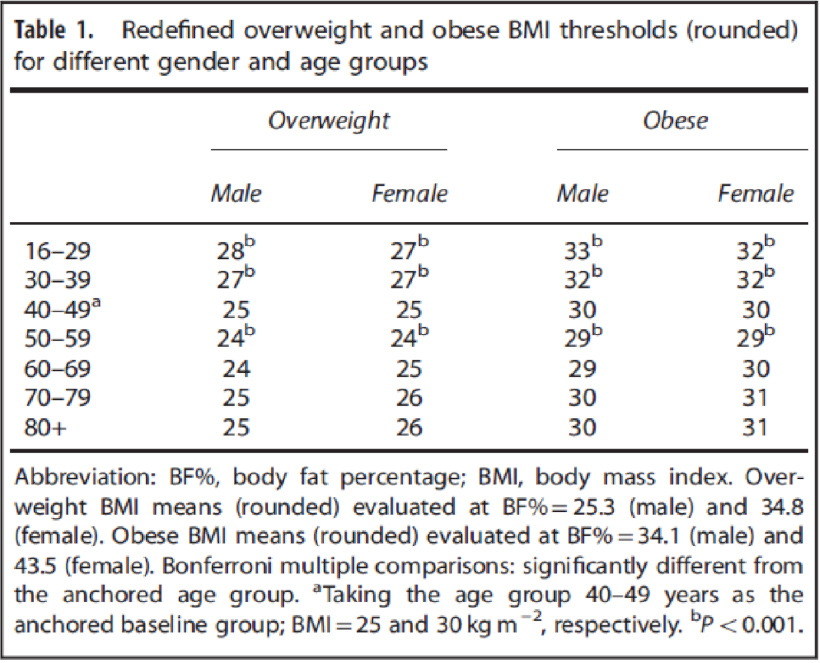
As BMI is the most frequently used proxy of obesity in large studies, it was suggested by the study authors that it should reflect changes in body composition that occur with age. The researchers also suggest that the trend observed is regularly seen by health practitioners, but they still use the current cut offs, as no new and viable ones have been proposed. They therefore provide alternative guidelines for different age groups, as outlined in Table 1, explaining this in terms of the amount of muscle (which weighs slightly more than fat) that a young male is likely to have, when compared to an older male counterpart. It will be interesting to see whether changes are made to the current BMI cut offs as a result of this study.
Read More
Bone structure at risk in obese children
Children under the age of 18 with increased fat mass have compromised bone growth. A recent literature review has found that fat deposited within muscle may have an effect on how bones grow. Joseph Kindler, the study’s lead author, gathered existing research into the effects of muscle and fat mass on bone geometry (the spatial distribution of bone and how dense bone materials are in the body). It is already known that fatter children tend to have more muscle mass, as the body needs to move larger amounts of weight, so needs to be stronger. This study found that increased muscle mass in children will subsequently increase bone growth.
However, the study also discovered that the fat found in obesity is deposited within muscles. The effect of this fat is still being investigated; however it is clear that there is a connection with bone growth, which is possibly negative. A reduction in strength, such as the one seen, could lead to an increased risk of fractures in these children and adolescents. Overall the paper stresses that whilst an increased muscle mass is most likely beneficial for bone geometry, an increased muscle mass accompanied with an increased fat mass may actually be harmful; more research needs to be conducted into this area in order to fully understand the complex mechanisms of bone growth and fat influence.
Read More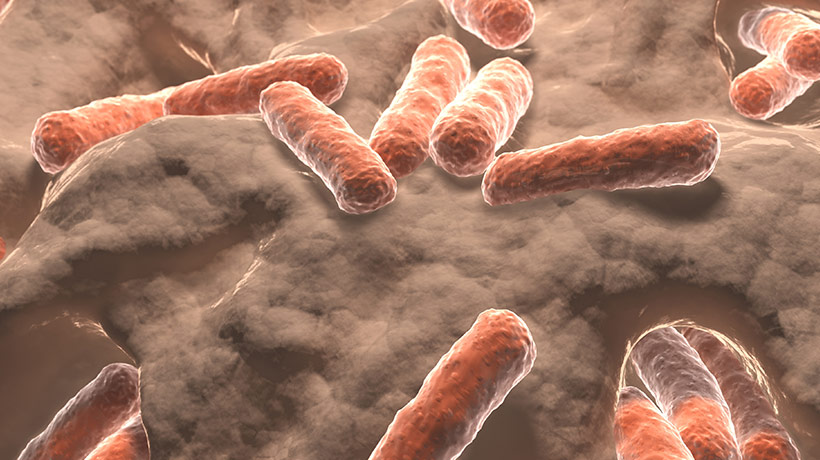
Changes in gut microbiome burn fewer calories
Many anti-psychotic drugs induce weight gain. A new study conducted at the University of Iowa has concluded this may be due to alteration of the gut microbiome, changes in which have been associated with obesity. The researchers analysed the effects of the drug risperidone, an anti-psychotic drug that is commonly prescribed to adults and children as treatment for disorders including autism, bipolar, and schizophrenia. The researchers were building on previous knowledge that showed that risperidone increases weight in humans, however they did not know what the mechanism was, until now.
Using mouse models, they were able to measure changes in the gut microbiome that caused a reduction in resting metabolic rate. This shift eventually led to obesity in the risperidone mice, whereas the control mice had normal weight gain with age. The measurements were taken using a total calorimetry machine, which accurately measures energy intake, oxygen consumption, carbon dioxide output and heat production, that allowed the researchers to accurately determine the total energy changes of the mice and their metabolic rates. They were also able to repeat the results by faecal transplants from the risperidone mice to the control mice, proving that the weight changes were due to a microbiome change in the drug-using mice. The study as a whole suggests that manipulation of gut bacteria, and specifically the resting metabolic rate, may prove beneficial for patients undergoing risperidone treatment, but also for those suffering from obesity in general.
Read More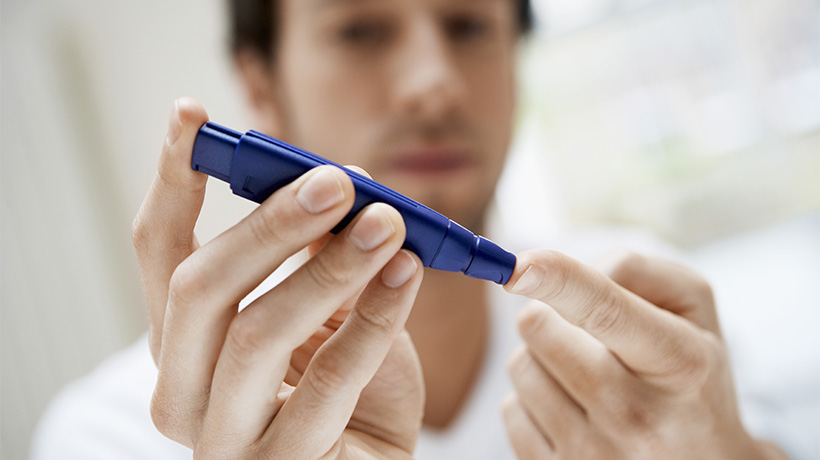
Diabetes reversed by reducing pancreatic fat
Researchers in Newcastle University have managed to reverse Type 2 diabetes mellitus (T2DM) by encouraging fat loss around the pancreas in obese patients. They found that losing less than one gram of fat that accumulates around the pancreas can reverse diabetes. Some participants in the study had T2DM and underwent gastric bypass surgery, with an average diagnosis of T2DM of 6.9 years, whilst some did not have T2DM. After the operation it was found that both groups had lost a similar amount of weight, but the pool of fat surrounding the pancreas in the diabetics was reduced. Furthermore, in these patients insulin secretion and response returned to normal, effectively reversing the diabetes.
The new research demonstrated that changing the level of fat around the pancreas can have a great effect on the presence of T2DM. In addition to this, the disparity of effects between the diabetic and the non-diabetic patients showed that decrease in pancreatic fat is not just related to weight loss, it is specific to T2DM. It is thought that the pool of fat surrounding the pancreas is therefore a direct cause of T2DM. Overall, the study provides hope, with a possibly simple intervention, for those suffering from both obesity and T2DM.
Read More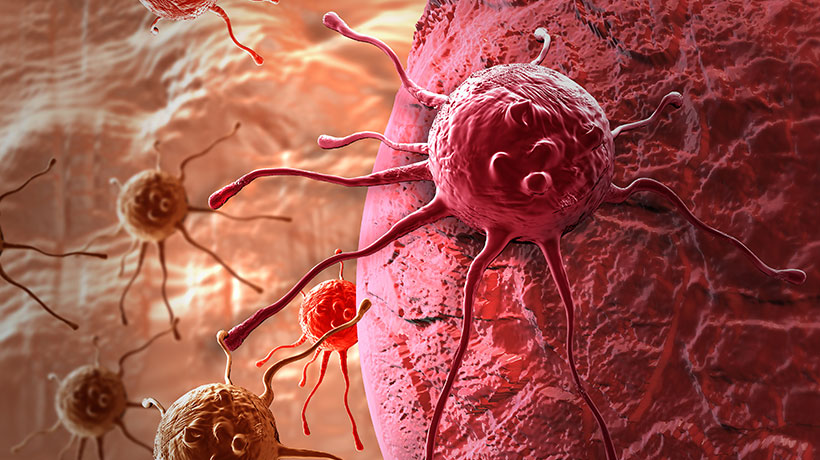
Obesity can lead to metastases in cancer patients
A high BMI is associated with a lower survival rate amongst ovarian cancer patients. Researchers in France have found that tumour cells in obese women were more successful at metastising than in those who were leaner. The researchers used mouse models to evaluate tumour cell adhesion to the abdominal cavity and also cell division. They found that lipid-loading the areas around the tumour cells, and also feeding the mice high-fat diets, increased the ability of more cells to develop and subsequently break away and form adhesions to other tissues in the body. These two steps are key in the formation of ovarian cancer metastases.
There is hope that further research into this area may provide dietary interventions to slow, or possibly halt, metastases in ovarian cancer. However, the researchers have admitted that they are still in the very early stages of study for these complicated areas. They also suggest that more research is undertaken in specific mechanisms by which obesity impacts the formation of metastases.
Read More
Increased risk for poorer children
A new study conducted across the UK has questioned why poorer children are more at risk of obesity than their richer peers. The researchers used data from almost 20,000 families that have taken part in the Millennium Cohort Study (MCS) which tracks measurements taken from children at 5 years old and 11 years old. They found that children in the bottom income quintile were nearly 3 times as likely to develop obesity as those in the top income quintile.
The researchers took into account many different factors including the children’s environment (including parental behaviours) and health behaviours. They also assessed the amount of physical activity that the children were undertaking and what their dietary habits were. They found that interventions, particularly behavioural mediation, amongst richer children were started earlier on in life, whilst poorer families received less support in dietary and physical activity advice. They also stressed the importance of reducing the income inequalities in overweight and obesity by widening access to childhood support and early interventions.
Read More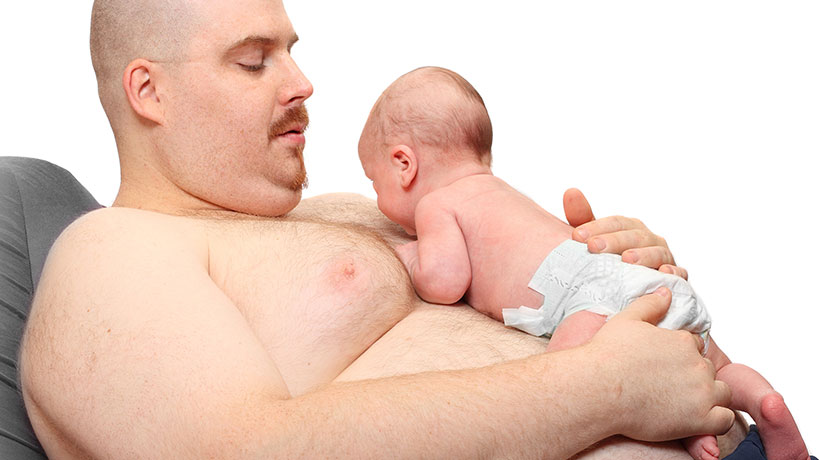
Father’s sperm influence children’s weight
Information about the weight of a potential father that’s carried in sperm could influence his child’s health. Researchers from the Novo Nordisk Foundation Center for Basic Metabolic Research conducted a study that compared the epigenetic patterns in a group of lean men to a group of obese men. Epigenetics refers to heritable changes in gene expression caused by environmental factors without changing the underlying DNA sequence. They found that the two groups possessed different epigenetic patterns in their sperm with regards to genes involved in controlling appetite. The results are considered to offer an explanation as to why the children of obese fathers are likely to become obese themselves.
The discovery that weight loss in potential fathers could affect behaviour in their offspring is very exciting. It paves the way for new prevention strategies for childhood obesity. In the last bulletin we reported that the weight of mothers to be could also influence the health of a child so, coupled with this new information, it is clear that the behaviours of couples pre-conception could be very important in the future health of their children.
Read More
Cold temperatures can lead to fat loss
Exposure to cold temperatures leads to changes in the composition of gut microbes, increasing the burning of fat. This is the conclusion of a study recently published in Cell. Conducting experiments in mice, the researchers found that cold exposure led to such a microbial change that fat metabolism and glucose metabolism increased, whilst the body weight of the mice decreased. The mice were exposed to cold temperatures for 10 days, and the bacteria in their guts were harvested and transplanted into microbe-free guts of other mice. The glucose and fat metabolism of these mice increased, whilst they also lost weight.
However, after 3 weeks of cold exposure, the weights of the mice returned to normal. It was suspected that the intestines of these mice had grown, allowing it to absorb more nutrients, meaning that additional weight loss was being counteracted. Mirko Trajkovski, senior author, said, “Gut microbes enable mammals to harvest more energy from food as a way to adapt to the increased energy demand associated with long periods of cold exposure, protecting against hypothermia. We were surprised to see that gut microbes had such dramatic effects on the structure and function of the intestine.” The authors are keen to start exploring the therapeutic potential of the identified microbes, as they could provide promising targets for the prevention and treatment of obesity.
Read More
High-fat diet can result in cognitive decline
A high fat diet can stimulate our immune cells to interfere with the connections between our neurones in our brain, known as synapses. This is the result of a study, originating in Georgia, USA that found that obesity causes chronic inflammation which in turn causes cells, known as microglia, in the brain to initiate an autoimmune response. Microglia are phagocytic cells that help the body’s immune system by fighting infectious agents in the brain but also are involved in the normal process of ‘synaptic stripping’. However in obesity they become activated and start to destroy the synapses instead. This study was conducted in two groups of mice that were given foods to mimic what a healthy diet and a fast food diet is like for humans. They found that after consuming a high fat diet, the mice recorded a lower level of activity in their hippocampus, the centre of learning and memory, which was due to the loss in synapses.
Thankfully, a low-fat diet of two months has been shown to reverse the effects of the autoimmune response, in mice. This brings hope not only to obesity sufferers but also to those with autoimmune diseases like Rheumatoid Arthritis as they are gaining more of an understanding of the impact of the inflammatory process on cells such as the microglia.
Read More